Sort
Filter
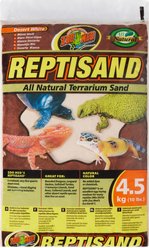
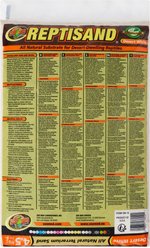

$12.99 Chewy Price
($1.30/lb) Price per Unit
$14.99 List Price
$12.34 Autoship Price
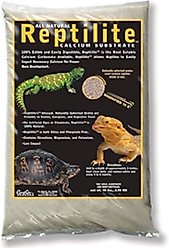
$6.66 Chewy Price
($0.67/lb) Price per Unit
$6.33 Autoship Price
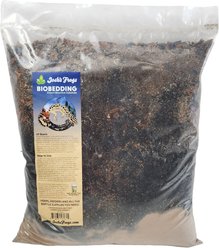
$9.99 Chewy Price
$15.99 List Price
$9.49 Autoship Price
$59.99 Chewy Price
($3.00/lb) Price per Unit
$12.45 Chewy Price
($12.45/ea) Price per Unit
$15.49 List Price
$11.83 Autoship Price
$8.99 Chewy Price
($8.99/ea) Price per Unit
$9.99 List Price
$8.54 Autoship Price
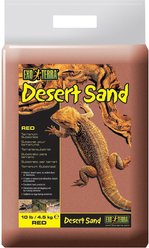
$14.99 Chewy Price
($1.50/lb) Price per Unit
$15.99 List Price
$14.24 Autoship Price
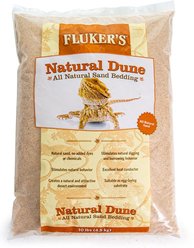
$11.99 Chewy Price
($1.20/lb) Price per Unit
$12.06 List Price
$11.39 Autoship Price
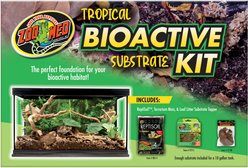
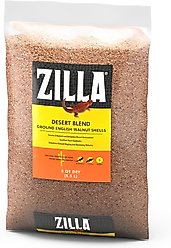
$12.05 Chewy Price
($12.05/ea) Price per Unit
$17.18 List Price

$6.90 Chewy Price
($13.80/oz) Price per Unit
$6.56 Autoship Price
$10.32 Chewy Price
($0.26/gl) Price per Unit
$12.99 List Price
$9.80 Autoship Price
$19.99 Chewy Price
$22.99 List Price
$18.99 Autoship Price

$11.99 Chewy Price
($11.99/ea) Price per Unit
$15.49 List Price
$11.39 Autoship Price
$28.79 Chewy Price
($28.79/ea) Price per Unit
$41.99 List Price
$27.35 Autoship Price
$13.29 Chewy Price
($1.33/lb) Price per Unit
$12.63 Autoship Price
$11.84 Chewy Price
$12.16 List Price
$11.25 Autoship Price
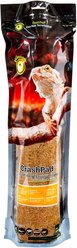
$17.99 Chewy Price
($17.99/ea) Price per Unit
$20.99 List Price
$17.09 Autoship Price
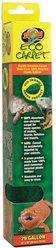
$6.99 Chewy Price
($6.99/ea) Price per Unit
$8.99 List Price
$6.64 Autoship Price
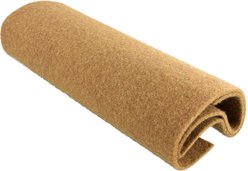
$5.99 Chewy Price
($5.99/ea) Price per Unit
$7.99 List Price
$5.69 Autoship Price
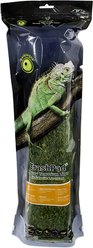
$17.99 Chewy Price
($17.99/ea) Price per Unit
$21.99 List Price
$17.09 Autoship Price

$5.99 Chewy Price
($5.99/ea) Price per Unit
$7.51 List Price
$5.69 Autoship Price

$25.99 Chewy Price
($1.30/lb) Price per Unit
$29.99 List Price
$24.69 Autoship Price
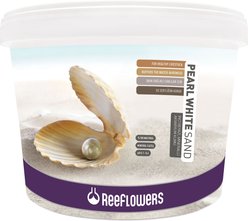
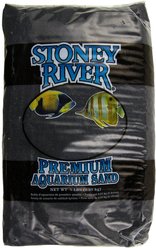
Leopard Gecko Bedding & Substrate
When it comes to our leopard gecko friends, choosing the right leopard gecko substrate is essential for creating a habitat that mimics their natural environment. As this species hails from the desert regions of southeast Asia, a good leopard gecko substrate includes soil, clay, and sand, all of which invite their natural inclination to burrow, dig, and forage. From naturalistic options that retain humidity to simplified solutions that prioritize cleanliness, selecting the appropriate leopard gecko substrate can significantly affect your reptile's overall well-being and happiness. Popular types of leopard gecko substrate includes:
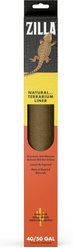
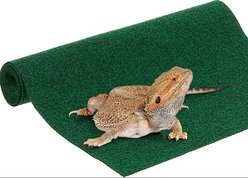
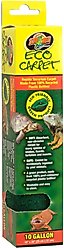
- Paper towels and reptile carpet: Low-maintenance, easy-to-clean options ideal for hatchlings, quarantine setups, and novice keepers
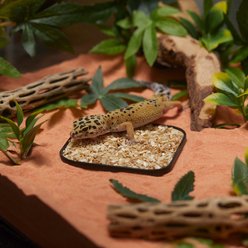
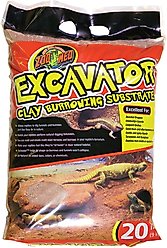
- Excavator clay: Natural substrate that allows burrow creation, providing enrichment while maintaining proper humidity levels
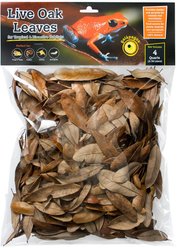
- Bioactive substrate mixes: Self-sustaining ecosystems combining soil, sand, and organic matter that break down waste and create a naturalistic environment
Frequently Asked Questions about Leopard Gecko Bedding & Substrate
What is the best substrate for leopard geckos?
The best substrate for leopard geckos depends on your experience level and setup goals. For beginners and young geckos, paper towels or reptile carpet provide safe, hygienic options that eliminate impaction risks. More experienced keepers may prefer a naturalistic approach, using excavator clay or a bioactive substrate that allows natural behaviors while maintaining appropriate humidity levels.
Can leopard geckos have soil substrate?
Yes, leopard geckos can have soil substrate, but it must be the right type. Organic, pesticide-free topsoil mixed with play sand can create an appropriate substrate, especially in bioactive setups. However, pure soil can retain too much moisture and potentially harbor bacteria. Avoid garden soil or potting soil containing fertilizers, perlite, or vermiculite, as these can be harmful if ingested.
How deep should leopard gecko substrate be?
Leopard gecko substrate depth should vary based on type. For paper towels or reptile carpet, a single layer is sufficient. For loose substrates like excavator clay or bioactive mixes, provide 2-3 inches of depth to allow natural digging behaviors and proper heat distribution. In areas where you want to encourage burrowing, you can create deeper sections of 4-6 inches.
Substrate Type
Product Type
Brand
7 Brands are shown below
Save 5% on repeat deliveries