Sort
Filter





$9.99 Chewy Price
($2.00/ea) Price per Unit
$22.99 List Price


$14.99 Chewy Price
($1.50/ea) Price per Unit
$18.99 List Price

$52.10 Chewy Price
($5.21/gl) Price per Unit
$89.99 List Price

$16.99 Chewy Price
$24.99 List Price

$158.57 Chewy Price
$189.99 List Price

Out of Stock
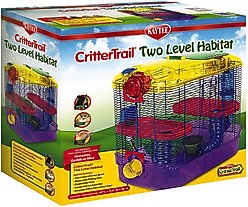
Mouse Habitats
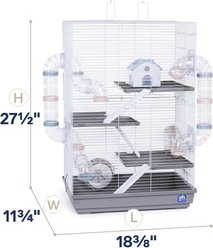
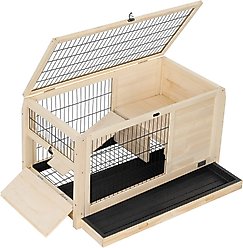
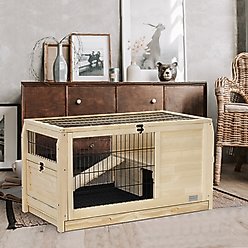
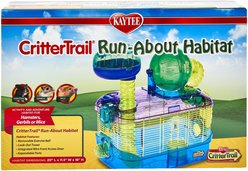
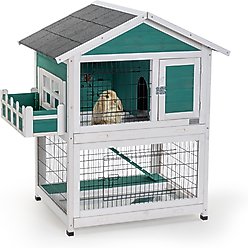
Keeping your pet mouse safe is of the utmost importance, so choose their habitat wisely. Mouse habitats should be well-ventilated and difficult to escape, which means a tight-fitting lid or locking doors and chew-proof materials. Metal or wire cages should have bars spaced no more than ¼-inch apart and a solid base to protect your mouse's sensitive feet. It's best to avoid solid plastic or glass enclosures, as they may not provide adequate air circulation for your mouse. Mouse habitats offer a wide range of features, including:
- Multiple levels: Multi-level cages give pet mice plenty of room to climb and explore
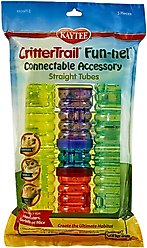
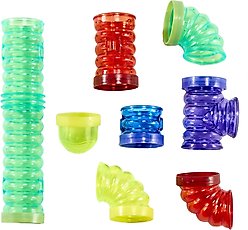
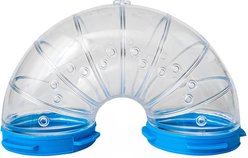
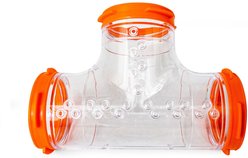
- Tubes: Enclosed tubes give your mouse access to other levels of the habitat
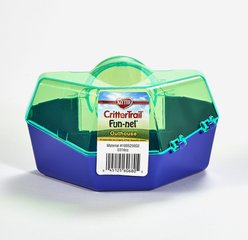
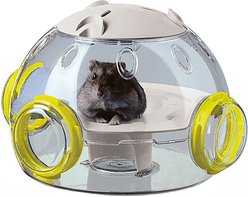
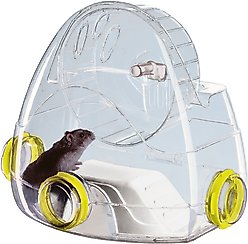
- Connectable accessories: Exercise wheels, observation areas, and other modular add-ons to expand your pet's living space
- Tank toppers: Wire toppers can be used to convert glass or acrylic tanks into multi-level mouse habitats
When choosing a habitat for your mouse, make safety a priority but don't forget to consider other factors. For example, space is crucial- a mouse habitat should be at least 20 inches long by 10 inches wide by 12 inches high. If you don't have a lot of space to work with, a multi-level habitat might be best. And consider how easy the cage will be to clean. It's important to spot clean your mouse's habitat daily and do a more thorough cleaning about once a week.
Frequently Asked Questions about Mouse Habitats
What are mice habitats?
A mouse habitat, also known as a cage, is the enclosure a pet mouse lives in. It should be well-ventilated and escape-proof with a solid floor and horizontal bars spaced no more than ¼-inch apart.
How big should a mouse habitat be?
A habitat for a single mouse should measure at least 20 inches long by 10 inches wide by 12 inches high. Bigger habitats are always better, because they give your mouse extra space to engage in natural behaviors like climbing and foraging. Extra space is particularly important if you keep more than one mouse in the same habitat.
What should I include in a mouse habitat?
Line the bottom of your mouse habitat with 1–2 inches of bedding and include at least one hideout for each mouse. You should also include an assortment of mouse toys, a water bottle, a food bowl, and accessories to support exercise and enrichment. Many pet mice enjoy exercise wheels, climbing ladders, and tubes.
Material
Brand
6 Brands are shown below