Does My Cat Need Year-Round Flea and Tick Prevention?


Photo by Chewy
All cats need to be on year-round flea and tick prevention—even if you live somewhere with cold, harsh winters or if your cat is indoor-only. Here’s why consistent, year-round protection is so important.
Key Takeaways
- Cats need year-round flea and tick prevention, no matter where you live.
- Even indoor-only cats need flea and tick prevention all year for the best protection.
- Missing doses of flea and tick preventives can lead to serious health risks and infestations.
- Talk to your veterinarian about the best flea and tick medication for your cat.
Do Cats Need Flea and Tick Prevention Every Month?
Yes. To protect from illness and disease, cats need tick and flea protection every month.
Bruce Kornreich, DVM, director of the Cornell Feline Health Center, says staying consistent with flea and tick prevention is essential to your cat’s overall well-being.
While fleas and ticks tend to be more active during warmer months, the risk of contact with these parasites isn’t completely eliminated when the season passes.
Flea and Tick Season: Myth vs. Reality
Source: Boehringer Ingelheim, Identifying U.S. Flea-Tick Hot Zones Using B-I Predictive Analytics (2025)
Photo by Chewy
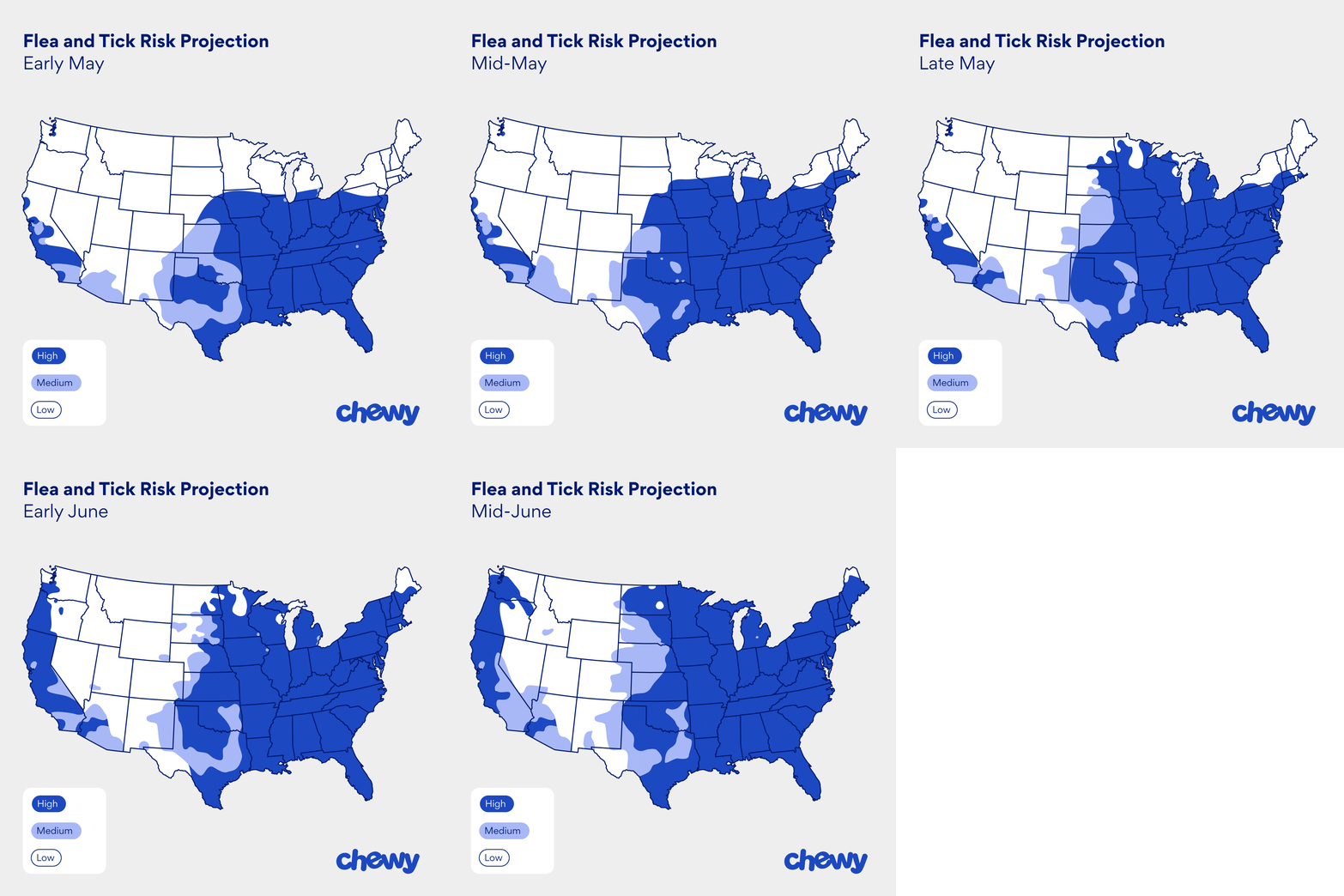
A common myth is that fleas and ticks die off in winter. But in reality, these parasites can be present at any time of the year, especially in warm-weather regions such as Florida, Georgia, and Texas, Dr. Kornreich says.
While other regions might have a lower risk of fleas and ticks in winter, Dr. Kornreich says climate change is making it riskier to skip flea and tick prevention.
“You may have areas that warm up for a sufficient period of time in colder areas of the country to allow growth and propagation of these pests,” says Dr. Kornreich.
Even in cold weather, it’s important to keep up with year-round flea and tick prevention, since fleas and ticks can take shelter and survive indoors.
Recommended Products
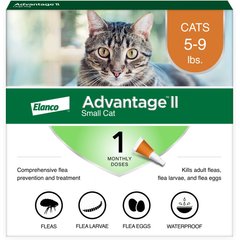

“We have climate control now, so fleas can persist in climate-controlled environments year-round,” says Crystal Heath, DVM.
Travel can increase risk as well. If you and your cat travel from a place with reduced parasite activity to a warmer location, your cat could be at increased risk for exposure to fleas and ticks.
The bottom line? Don’t use the calendar as an excuse to skip flea and tick medicine for your cat. As Dr. Heath says: “Climate and region matter, but risk never drops to zero.”
Are There Risks To Skipping Flea and Tick Prevention?
Yes. If flea and tick prevention lapses, both cats and their humans may be exposed to significant health risks. Monthly flea and tick preventives are designed to be given consistently to maintain uninterrupted protection.
“These products work by interrupting the flea life cycle and preventing new infestations before they become established,” Dr. Heath says. “When doses are skipped or delayed, protection gaps allow fleas or ticks to reattach, reproduce, and re-establish in the home environment.”
These are some of the most common health risks that come from skipping doses of flea and tick medicine for your cat:
- Flea allergy dermatitis: This is one of the most frequent health conditions Dr. Heath sees linked to a lapse in flea protection; it causes severe itching, discomfort, hair loss, and skin infections.
- Anemia: A large infestation of fleas can cause a decline in red blood cells or hemoglobin, potentially causing organ damage or failure. While signs like lethargy or pale gums are a warning for cats of any age, be particularly vigilant in the case of kittens. “Kittens are smaller and have a smaller blood volume, so they are more prone to becoming anemic from an infestation,” says Dr. Kornreich.
- Tapeworms: Fleas are known to carry immature tapeworm parasites that can infect your cat if they accidentally ingest one of these parasites, such as through grooming themselves.
- Tick- and flea-borne diseases: These parasites can transmit illnesses to cats and to people, Dr. Kornreich says. Examples include feline infectious anemia, flea-borne spotted fever, cat scratch disease, Lyme disease, and cytauxzoonosis.
Do Indoor-Only Cats Need Flea and Tick Prevention?
Yes. Although indoor-only cats have a lower risk of exposure to fleas and ticks, living inside doesn’t make them totally immune to these pests.
“Fleas and ticks can get into the house in a number of ways, even if the cat doesn’t go out,” says Dr. Kornreich. Fleas and ticks can find their way to your kitty by:
- Hitching a ride on clothing or shoes
- Latching onto another pet in the household that does take regular trips outside (like the family dog)
- Encountering your kitty when you take them to the vet or groomer
- Finding their way inside via other unwanted house guests, like mice or rats
Because it’s impossible to fully eliminate these risks, all cats should receive regular, year-round flea and tick prevention.
Attributions