Rotational Diet for Cats: How To Rotate Cat Food Safely

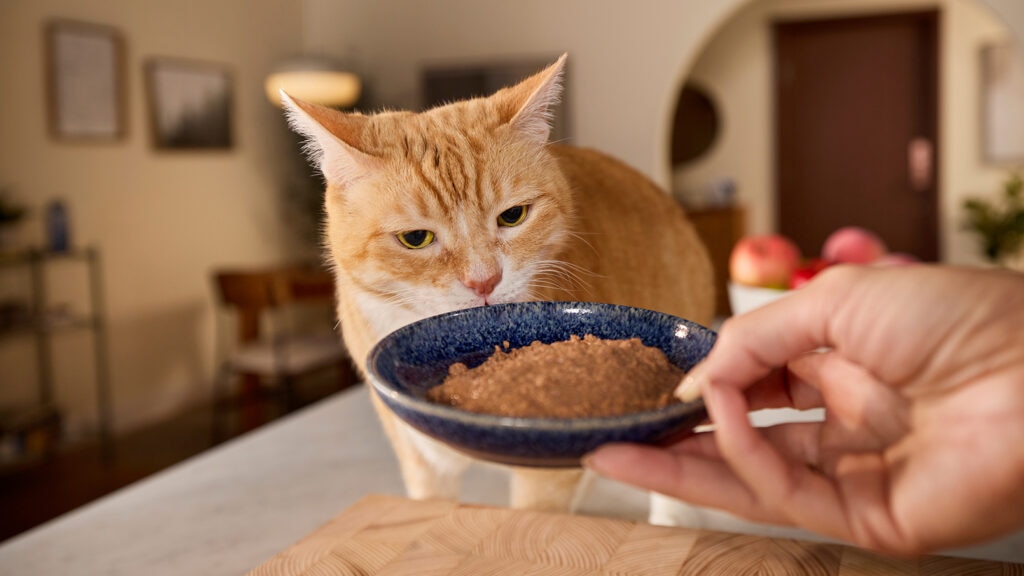
Photo by Chewy
A rotational diet for cats involves feeding different foods on a planned schedule, and for some cats, it can work well. Done wrong, however, rotational feeding can lead to an upset stomach, poor appetite, or a mismatch with your cat’s nutritional needs.
If your cat has vomiting, diarrhea, weight loss, a health condition, or is on a veterinary diet, talk to your veterinarian before changing their food.
Key Takeaways
- A rotational diet for cats means switching between brands, proteins, flavors, textures, or food types on a planned schedule.
- Cats should transition slowly when introducing a new food to help avoid stomach upset.
- To avoid nutritional imbalances, each food in the rotation should be complete and balanced for your cat’s life stage.
- Cats who are on prescription diets or have food allergies, sensitive stomachs, or other medical problems should only change foods with veterinary guidance.
What Is a Rotational Diet for Cats?
Pet parents who embrace rotational feeding switch between different types of cat food on a regular schedule. It doesn’t mean just randomly grabbing a different bag or can every time you’re at the store. It involves deliberately cycling through a set of foods, each introduced gradually, that have been thoughtfully chosen to optimize nutrition and add variety to a cat’s diet.
Rotational diets for cats can focus on different things:
- Protein rotation: Cycling through chicken, turkey, beef, fish, or other protein sources
- Food form rotation: Feeding wet food, kibble, fresh diets, or other types of food on a regular schedule
- Texture or flavor rotation: Exposing cats to many different flavors and textures
- Brand or formula rotation: Switching between trusted brands or product lines
Is Rotational Feeding Good for Cats?
Rotational feeding works well for many cats, but it isn’t necessary and can actually be harmful under some circumstances.
Potential benefits of rotational feeding include:
- Preventing strong food preferences: Continually exposing cats to different diets can help prevent them from developing a preference for a single type of food.
- Easing future food transitions: Cats who are used to eating different foods may more readily accept a change in diet if their health or other events make it necessary.
- Improving appetite: Some cats become finicky when they’re forced to eat the same food day in and day out. Offering a variety of foods can prevent mealtime boredom.
- Limiting dietary downsides: If something (a nutritional imbalance, for example) is wrong with a food in a cat’s rotation, their exposure to that problem will be reduced.
But don’t feel like you have to rotate foods if your cat is eating a high-quality, complete, and balanced cat food and is thriving. If it isn’t broken, you don’t have to fix it.
What Cats Are Best for a Rotational Diet?
A rotational diet tends to work best for healthy adult cats who already tolerate food changes reasonably well. Kittens, senior cats, cats with medical conditions, and cats on prescription diets should only rotate foods with explicit veterinary guidance.
Good candidates for rotation feeding include:
- Adult cats with no chronic digestive issues or other health problems
- Cats who already accept more than one flavor, texture, or food type
- Cats who would benefit from eating both wet and dry food
- Pet parents who want to have backup foods on hand
Keep in mind that every food in a rotational diet needs to be nutritionally complete and balanced for your cat’s life stage. Look for an appropriate AAFCO nutritional adequacy statement on the cat food label. Treats, toppers, and foods that are “intended for intermittent or supplementary feeding only” should never make up more than 10% of a cat’s daily diet.
When Shouldn’t You Try a Rotational Diet?
Talk to your veterinarian if you’re not sure a rotational diet is right for your cat. It’s not always the best option.
Get veterinary guidance if your cat:
- Is on a veterinary or therapeutic diet
- Has kidney disease, diabetes, inflammatory bowel disease, or any other medical condition
- Is being tested for food allergies or has a confirmed food allergy
- Has a history of chronic vomiting or diarrhea
- Is underweight or isn’t eating well
- Is a kitten or a senior cat
How To Start a Rotational Diet for Cats
The safest way to start a rotational diet is to introduce one new food at a time and transition slowly. This gives your cat’s digestive tract time to adjust and makes it easier to identify which food is responsible if a problem arises.
A standard seven-day transition looks like this:
| Day | How To Mix the Food |
|---|---|
| Days 1–2 | 75% current food + 25% new food |
| Days 3–4 | 50% current food + 50% new food |
| Days 5–6 | 25% current food + 75% new food |
| Day 7+ | 100% new food, if your cat is tolerating it well |
Some cats, like those with sensitive stomachs, do better with a slower pace. Take a full two weeks to complete their transition.
Watch for vomiting, loose stools, gas, or a refusal to eat whenever you add a new food. Symptoms that are severe or that don’t improve within 24–48 hours are a reason to call your vet.
Once your cat has tolerated the new food well for at least a week, you can begin incorporating it on a regular schedule alongside their original food.
What Types of Cat Food Can You Rotate?
You can rotate cat foods based on their protein sources, flavor, texture, brand, or food form, just make sure that each option carries an AAFCO complete-and-balanced statement for your cat’s life stage.
Protein Rotation
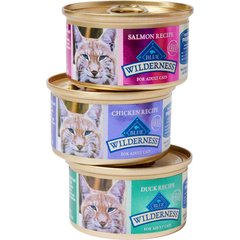
Cycling through different protein sources like chicken, turkey, beef, and fish is one of the most popular forms of rotation. Look for options where the named protein is listed among the first ingredients. Variety packs make this type of rotation easy to manage.
Recommended Product
Texture or Flavor Rotation
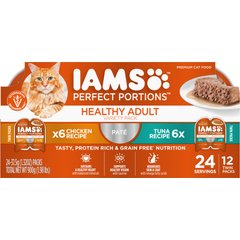
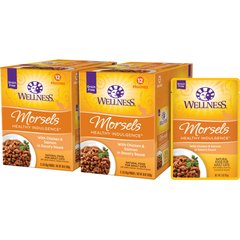
Pâté, minced, shredded, morsels, and kibble all offer different sensory experiences, and some cats who reject one may readily accept another.
Recommended Products
Wet and Dry Food Rotation
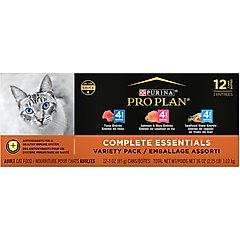
Offering wet food for some meals and dry cat food for others is a practical and common approach. Wet food supports hydration, while dry food offers convenience.
Recommended Products
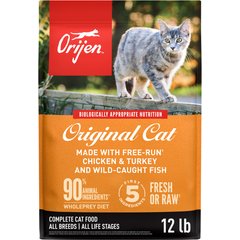
Brand or Formula Rotation
Switching between different brands or formulas within a brand is another option for rotational feeding. Stick with reputable manufacturers that make high-quality products, like Hill’s Science Diet and Iams.
Recommended Products
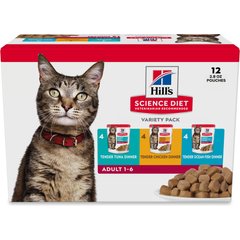
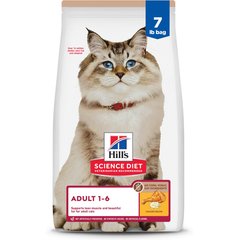
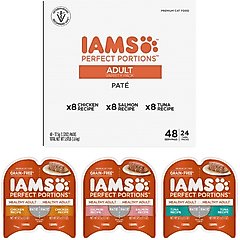
How Often Should You Rotate Cat Food?
The best pace for rotating foods depends on your individual cat’s digestive sensitivity and preferences. Some practical approaches include:
- Rotate flavors or textures. Switch within a product line every few days.
- Swap protein sources. Rotate monthly to give your cat time to adjust.
- Create a core lineup. Stick with two or three well-tolerated foods and cycle through them weekly.
- Mix wet and dry food. Offer wet food for some meals and dry food for others.
The goal is variety within a framework of consistency. This is very different from giving your cat a constant stream of new options, which can lead to GI problems and a cat who learns that refusing one meal brings something new at the next one.
Signs Your Cat Isn’t Tolerating a Rotational Diet
If your cat develops vomiting, diarrhea, gas, or a poor appetite, the rotation may be moving too quickly or a food simply may not agree with your cat. Go back to the last feeding schedule that worked well until your cat’s symptoms have resolved.
Call your vet for advice if your cat has:
- Vomiting or diarrhea that lasts more than 24 hours
- Blood in the stool or vomit
- A poor appetite for more than 24 hours
- Weight loss
- Lethargy
- Signs of dehydration
FAQs About Rotational Diets for Cats
Is a rotational diet good for cats?
Sometimes. Rotational feeding can help prevent strong food preferences, make future diet transitions easier, and add variety to mealtimes. But cats with medical conditions, food allergies, or sensitive stomachs should only rotate foods with veterinary guidance. Cats who are thriving on a single diet don’t need to change.
How often should I rotate my cat’s food?
There’s no single right answer. Some pet parents offer wet food at one meal and dry food the next, while others rotate flavors weekly or swap proteins monthly. The most important thing is to introduce new foods slowly and to keep a consistent schedule rather than constantly offering something different.
Can switching cat food make my cat sick?
Yes, switching foods too quickly can cause vomiting, diarrhea, gas, or a poor appetite. Take at least a week to gradually introduce a new food.
Should I rotate wet and dry cat food?
Rotating between wet food and dry food is a good approach. Wet food provides more moisture and dry food offers convenience. Having a cat who will happily eat both keeps all your options open.