Why Is My Cat’s Nose Dry? Are Cat’s Noses Supposed To Be Wet?


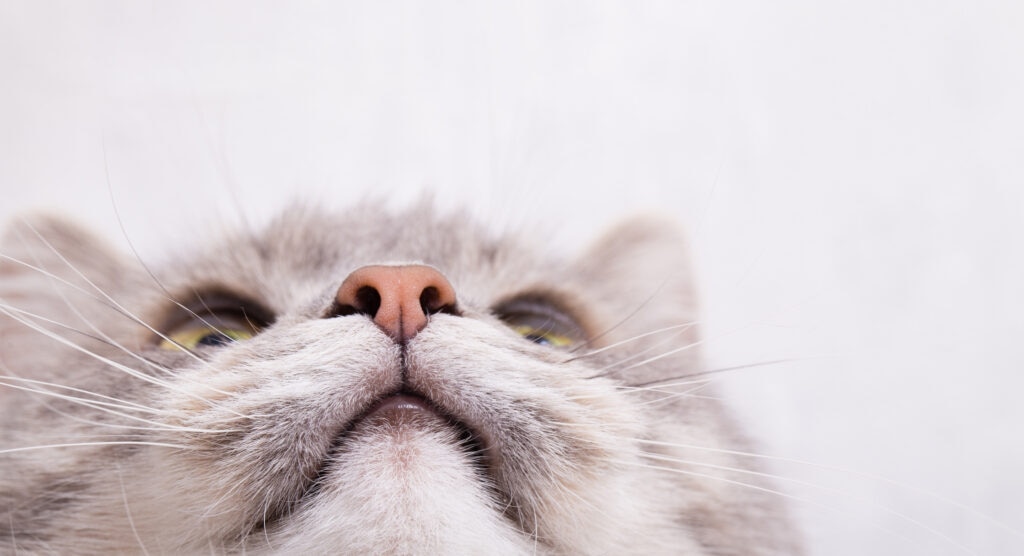
Photo by Webkatrin001/iStock/Getty Images
Your cat’s nose is more than just cute—it can give you clues about what your cat’s been up to all day and, in some cases, if there is an underlying health issue you should pay attention to.
However, cat nose moisture fluctuates normally, depending on what your cat is doing. Most of the time, changes in nose moisture are nothing to be concerned with.
Key Takeaways
- A wet or dry cat nose can be normal, depending on what your cat has been doing recently.
- Nose moisture alone isn’t a reliable health indicator. Also look at appetite, energy, breathing, and nasal discharge.
- Call your vet if you see sudden changes or symptoms, such as sneezing, fever, thick green or yellow discharge, anorexia, or lethargy.
Is a Cat’s Nose Supposed To Be Wet or Dry?
A healthy cat’s nose is typically a little wet and cool. That small amount of moisture helps your cat’s sense of smell because scent particles stick better to wet surfaces.
Changes in your cat’s noise moisture are normal and usually related to the environment or your cat’s activity. For example, a cat who just woke up from a nap in a sunbeam or near a heater may have a dry nose, while a cat who’s grooming or in a humid environment may have a wetter nose.
Unless it’s accompanied by other symptoms, a wet or dry nose is usually nothing to worry about.
Recommended Product

When Your Cat’s Nose Is Telling You Something
If your cat’s nose is dry, cracked, and you see any of these symptoms, it’s time to schedule an appointment with your vet:
These symptoms could signal an underlying condition like a respiratory infection or dehydration.
If your cat’s nose is very wet or runny, look for these symptoms:
- Green or yellow discharge
- Sneezing
- Fever
- Cough
- Labored breathing
These could also signal an underlying condition, including an upper respiratory infection.
Most of the time, small changes in your cat’s nose moisture have more to do with what your cat’s been up to recently than anything you should worry about. However, call your vet if you see any sudden or dramatic changes or any of the symptoms above, along with changes in your cat’s nose. Trouble breathing or labored breathing is always an emergency, so seek care right away.
FAQs About Cat Noses
What does it mean if my cat’s nose is dry?
A cat’s nose may seem drier after sitting in a warm, dry area or if humidity is low. Call your vet if a dry, cracked, or crusty nose comes with lethargy, poor appetite, fever, or discharge.
Is it normal for my cat’s nose to be very wet?
Yes—grooming and humidity can make noses wetter (although after grooming is complete, the nose may be dry). If you see any runny discharge with sneezing or fever, schedule a vet visit.
What color of nasal discharge is concerning?
If you see any yellow, green, or bloody nasal discharge, call your vet.
When is a nose issue an emergency?
If you see any labored breathing, including open-mouth panting, along with a runny nose, seek out emergency care.
Attributions