How To Get Your Dog or Cat To Drink More Water
Simple ways to encourage healthy hydration habits for dogs and cats at home, outdoors, and on the go.

Updated
May 6, 2026
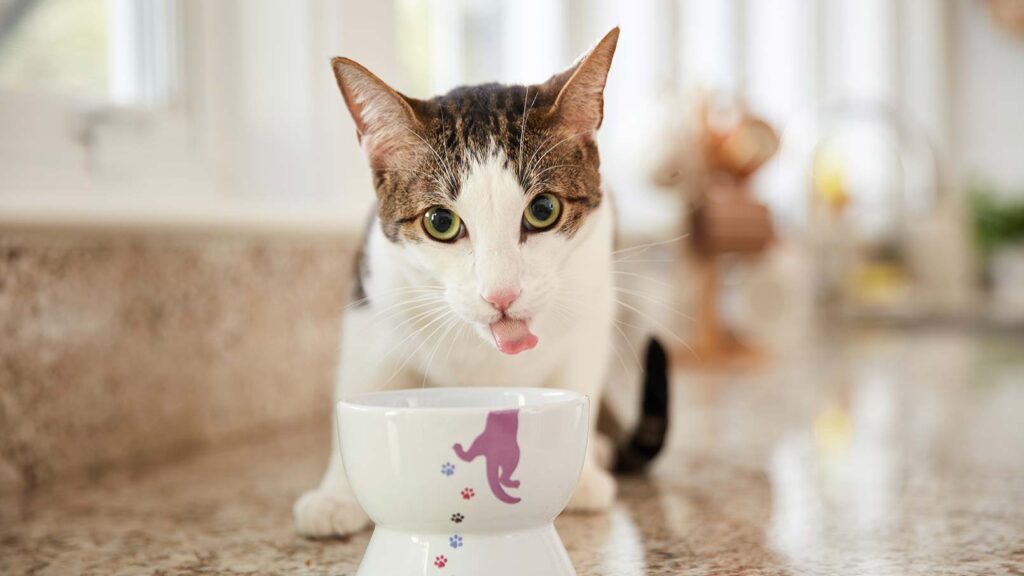
Photo by Chewy
Healthy hydration supports digestion, circulation, temperature regulation, and organ health. If your pet seems uninterested in the water bowl, small changes to freshness, bowl type, meal moisture, and placement can encourage better drinking habits.
Key Takeaways
- Refresh water daily and offer multiple quiet, easy-to-reach water stations.
- Try wide, shallow bowls made of stainless steel or ceramic, or a pet fountain to match your pet’s preferences.
- Wet food and low-sodium broth can add moisture at mealtime.
- Call your vet if your pet is drinking much more or much less than usual.
Even mild dehydration can affect your pet’s energy levels and overall health. Pets who eat dry food, spend time outdoors, exercise often, or live in warm climates may need extra encouragement to drink water throughout the day.
Some hydration strategies work for every pet, but cats and dogs also have unique preferences.
Tips That Work for Cats and Dogs
- Refresh often. Change your pet’s water at least once daily.
- Offer multiple water stations. Place bowls in several quiet, accessible spots around your home.
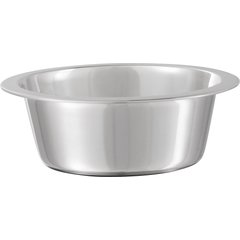
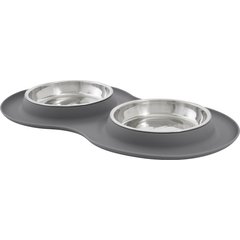
- Try different bowls. Some pets prefer stainless steel or ceramic over plastic.
Recommended Products

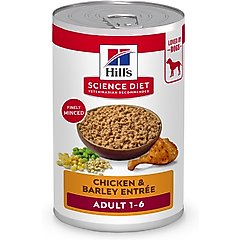
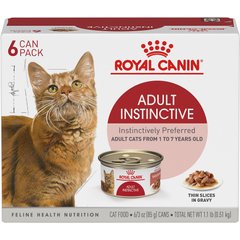
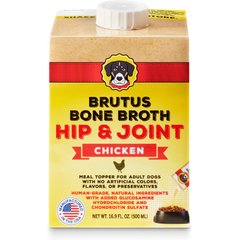
- Add moisture to meals. Feeding wet dog food or wet cat food and mixing water or low-sodium broth into food can help boost overall fluid intake.
Recommended Products
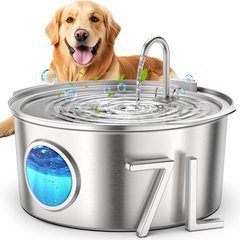
- Make it fun. Pet water fountains appeal to pets by keeping water fresh, cool, and moving.
Recommended Products
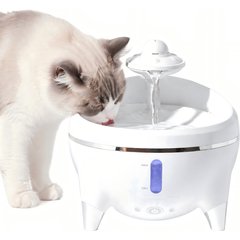
Cat Hydration Helpers
- Cats often prefer wide, shallow cat bowls that don’t touch their whiskers.
Recommended Products


- Many also like water placed away from food.
Dog Hydration Helpers
- Dogs may drink more after activity, so offer water before and after walks and playtime.
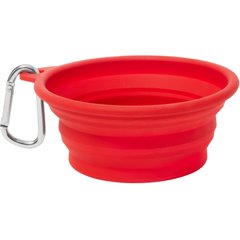
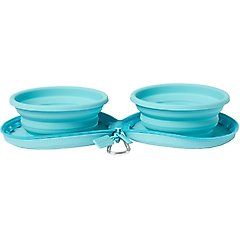
- When traveling or outdoors, bring a portable bowl and fresh water to help keep hydration consistent.
Recommended Products
Attributions