Heartworm in Cats: Symptoms, Treatment, and Prevention

Photo by Chewy
Heartworm in cats may be less common than heartworm in dogs—but when it happens, it can be serious and even life-threatening.
Feline heartworm disease is tricky because many cats show subtle signs or no symptoms at all, and testing isn’t always straightforward. Because there’s no approved treatment to eliminate heartworm in cats, year-round prevention is the safest and most effective way to protect your feline friend.
If you think your cat may have heartworm disease—or you notice coughing, vomiting, fast or difficult breathing, or sudden collapse—contact your veterinarian right away.
Key Takeaways
- Heartworm disease in cats is spread by mosquitoes and can affect indoor and outdoor cats.
- Cats often have vague or no obvious signs, but coughing, vomiting, and trouble breathing can be clues.
- There isn’t a simple, standard “adulticide” treatment for cats, so care is often supportive and focused on managing inflammation.
- Monthly heartworm prevention is the most effective way to protect cats.
What Is Heartworm Disease in Cats?
Heartworm disease is caused by the parasite Dirofilaria immitis, which lives in the heart, lungs, and nearby blood vessels.
Cats become infected when a mosquito transmits heartworm larvae, called microfilariae. Even a small number of worms can trigger inflammation in the lungs, blood vessels, and heart, leading to serious illness.
Cats often have fewer worms than other animals, but their immune response can be intense. This inflammation can damage the lungs and airways, a condition known as heartworm-associated respiratory disease (HARD).
How Do Cats Get Heartworm?
Cats get heartworm when they’re bitten by a mosquito carrying heartworm larvae. Because mosquitoes can easily enter homes, both indoor and outdoor cats can be exposed to heartworm disease.
The microscopic larvae enter the body and migrate through the tissues. Over several months, the larvae travel to the heart, lungs, and blood vessels, where they trigger inflammation and potentially develop into adult heartworms.
One of the most common misconceptions about heartworm is that cats don’t get the disease. While cats aren’t the parasite’s preferred host, they can still be infected and develop serious health complications.
Another common myth is that indoor cats are safe. However, mosquitoes can enter your home through open doors, windows, or vents, meaning all cats are at risk.
Certain factors, such as living in an area with a large mosquito population, residing in a warm, humid region where heartworm is common, or sharing a household with a dog, can increase a cat’s risk of getting heartworm.
What Are Heartworm Symptoms in Cats?
Heartworm symptoms in cats can be subtle, intermittent, or easily mistaken for other illnesses. While some infected cats never show obvious signs, others can develop symptoms that may appear suddenly.
Possible Signs of Heartworm in Cats
Cats with heartworm disease may experience:
- Coughing
- Wheezing
- Rapid or difficult breathing
- Vomiting
- Decreased appetite
- Weight loss
- Lethargy or reduced activity levels
Because these signs can resemble other health issues, such as asthma, bronchitis, or digestive disorders, heartworm disease can be difficult to recognize without veterinary testing.
Severe Signs Requiring Immediate Veterinary Care
In some cases, heartworm in cats can lead to life-threatening complications. Emergency signs include:
- Open-mouth breathing
- Collapse
- Pale or blue-tinged gums
- Convulsions
When To Call the Vet
Contact your veterinarian if your cat develops coughing, wheezing, vomiting, a decreased appetite, lethargy, or any unexplained breathing changes.
Seek emergency veterinary care immediately if your cat is struggling to breathe, breathing with an open mouth, or collapses.
How Do Vets Diagnose Heartworm in Cats?
Diagnosing heartworm in cats can be challenging because no single test reliably detects feline infection, and multiple tests may be necessary. Cats usually have only a few worms, which can cause a negative test result. In addition, antigen tests, which detect proteins from adult female heartworms, may be negative if only immature or male worms are present.
To diagnose feline heartworm disease, veterinarians often use a combination of tests, which might include:
- Antibody test: Detects whether a cat has been exposed to heartworm larvae
- Antigen test: Detects proteins produced by adult female heartworms
- Chest X-rays: Help identify changes in the lungs and blood vessels that may mean a cat has heartworm disease
- Echocardiogram (heart ultrasound): May allow the veterinarian to see heartworms inside the heart or nearby blood vessels
Your veterinarian will recommend the best testing plan based on your cat’s symptoms, medical history, risk factors, and initial test results. Because diagnosing heartworm in cats often requires multiple pieces of information, an individualized approach is usually the most effective way to figure out what’s going on.
How Is Heartworm in Cats Treated?
Because the standard medication used to kill adult heartworms in dogs isn’t safe for cats, treatment usually focuses on managing inflammation and reducing symptoms.
Heartworm treatment should always be guided by a veterinarian and tailored to the individual cat’s condition. Depending on how severe a cat’s disease is, treatment may include:
- Corticosteroids to reduce inflammation in the lungs and airways
- Bronchodilators to help improve airflow in cats with trouble breathing
- Oxygen therapy for cats experiencing respiratory distress
- Activity restriction to help reduce stress on the heart and lungs
- Regular veterinary exams and follow-up testing to help track the cat’s condition and detect complications
- Surgical removal of the worms by a veterinary specialist in certain cases
The outlook for cats with heartworm varies. Some cats eliminate the infection and recover with supportive care. However, inflammation and damage to the lungs can persist after the worms die, leading to long-term respiratory problems in some cats.
How Is Heartworm in Cats Prevented?
Heartworm in cats is much easier to prevent than to treat. Regular, year-round heartworm prevention is the safest and most effective way to protect cats from infection, including cats who live exclusively indoors.
Tips to help protect your cat from heartworm include:
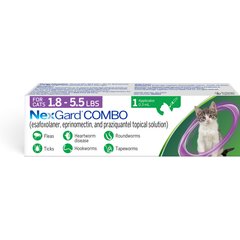
- Use year-round heartworm prevention. Ask your veterinarian to recommend a heartworm preventive that fits your cat’s age, health status, and lifestyle. They might recommend a product such as Revolution Plus, NexGard COMBO, or Interceptor.
Recommended Products

- Reduce mosquito exposure when possible. Keep window and door screens in good repair, eliminate standing water around your home, and limit outdoor exposure during peak mosquito activity time, such as dusk and dawn.
- Stay consistent with prevention. Missing or delaying doses can leave your cat vulnerable to infection because it only takes one bite from an infected mosquito to transmit heartworm larvae.
FAQs About Heartworm in Cats
Can indoor cats get heartworm disease?
Yes. Because mosquitoes can easily enter your home through open windows, doors, or vents, indoor cats can also get heartworm disease.
How common is heartworm in cats?
Heartworm disease is not as common in cats as it is in dogs. Feline infection rates are usually about 5–20% of the rate in dogs.
What are the first signs of heartworm in cats?
In many cases, cats with heartworm disease don’t show signs. When signs are present, they may include coughing, vomiting, difficulty breathing, lethargy, decreased appetite, weight loss, or sudden collapse.
Can a cat survive heartworms?
If treated appropriately, cats can survive heartworm disease, but they may have lasting effects from the infection. About 25–50% of infected cats survive heartworm disease.
Do cats need a heartworm test before starting prevention?
Yes. Cats should be tested before starting prevention and retested as recommended by your veterinarian.
How long do heartworms live in cats?
Heartworms live approximately two years in cats.
Attributions