Is Lavender Safe for Cats?

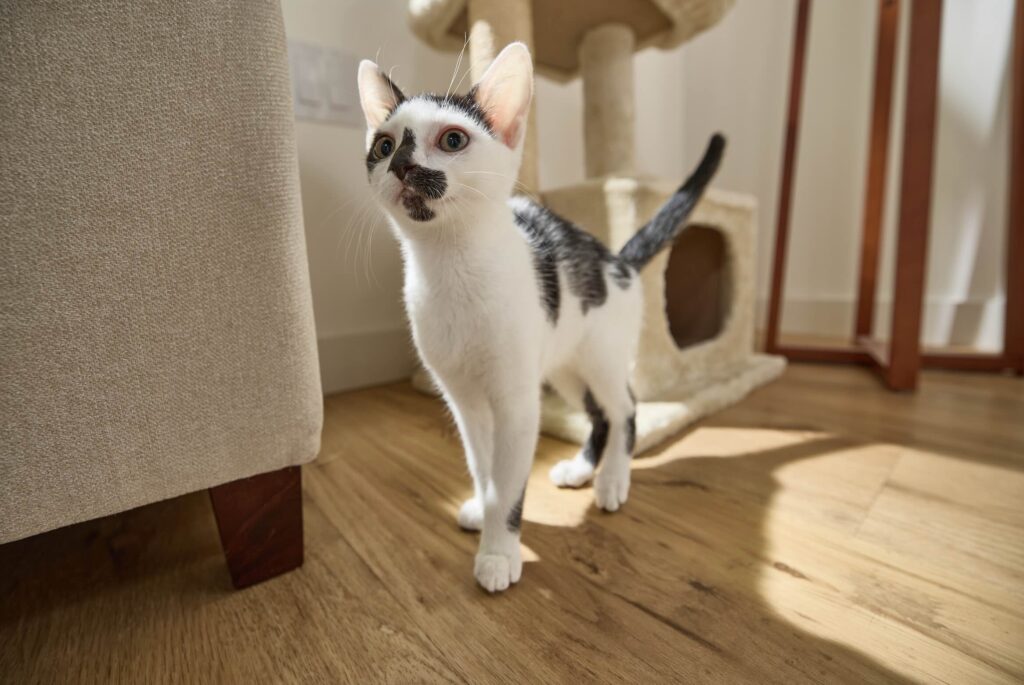
Photo by Chewy
Lavender has a reputation for being a soothing, relaxing smell. But is lavender safe for cats?
No, lavender is not safe for cats. Lavender plants, essential oils, and other products can all be toxic to cats and should be avoided.
Key Takeaways
- No, lavender is not safe for cats, so it’s best to keep it out of their reach.
- Lavender essential oil poses the greatest danger because it contains highly concentrated toxic compounds.
- Exposure to lavender can cause vomiting, breathing problems, tremors, poor coordination, or skin irritation in cats.
- If your cat ingests lavender essential oil or develops symptoms, contact a veterinarian right away.
Is Lavender Safe for Cats?
No, lavender is not safe for cats. The level of risk depends on:
- Type of lavender: More concentrated forms—especially essential oils—are much more dangerous than the whole plant or dried flowers.
- Amount: A cat who takes a single bite out of a lavender leaf is less likely to develop problems than a cat who’s eaten a lot of lavender.
- Exposure method: Ingestion, skin contact, and inhalation all carry different risks.
- Your cat: Your cat’s age, weight, and health status can affect how they react to lavender.
Why Is Lavender Toxic to Cats?
Lavender contains two substances that cats can’t break down well:
- Linalool
- Linalyl acetate
Most mammals have the ability to change these types of compounds into less toxic forms via the liver, but cats cannot do this as effectively. So, these toxins can easily build up to dangerous levels in a cat’s body.
Symptoms of Lavender Toxicity in Cats
Signs of lavender toxicity—mostly seen with essential oils—may include:
- Gastrointestinal upset: Vomiting, diarrhea, drooling, and loss of appetite are possible with ingestion.
- Respiratory problems: Inhalation can cause coughing, wheezing, and difficulty breathing, especially in cats with preexisting respiratory conditions.
- Neurological signs: Tremors, incoordination, and depression can occur.
- Liver damage: A large amount of linalool and linalyl acetate can damage liver tissue.
- Skin irritation: A cat’s skin can be sensitive or allergic to lavender, leading to redness and itching.
What To Do If Your Cat Eats Lavender
Take your cat to a veterinarian immediately if they:
- Have ingested lavender essential oil
- Are experiencing tremors
- Depression
- Are vomiting
- Are having difficulty breathing
You can call Pet Poison Helpline (855-764-7661; a fee applies) on the way.
On the other hand, if your cat seems fine and they’ve been exposed to a less toxic form of lavender—not an essential oil—you should:
- Remove your cat from the area of exposure.
- Remove and discard any remaining lavender product.
- Bathe your cat with a mild, cat-safe shampoo if lavender has gotten on their skin or fur. Rinse them well so they can’t lick themselves and ingest it.
Recommended Product

4. Monitor your cat closely for symptoms.
Don’t induce vomiting or give any home remedy unless a veterinarian tells you to do so.
Which Types of Lavender Are Most Dangerous to Cats?
Not all lavenders are created equal when it comes to your cat.
More concentrated forms or those mixed with other, also dangerous ingredients can do more harm.
Lavender Plants and Flowers
Danger level: Low
Ingesting a small amount of a lavender plant or flower generally causes no problems or a mildly upset stomach. However, cats who eat a large amount of any plant can develop vomiting and diarrhea.
Lavender-Scented Products
Danger level: Medium
Candles, soaps, lotions, and cleaning products vary widely in how much lavender they contain. The main risks are from cats licking them or inhaling them in an enclosed space. Cleaning residue on floors can end up on paws and get ingested during grooming.
Dried Lavender and Potpourri
Danger level: High
Less concentrated than the essential oil, dried lavender and potpourri still contain the same toxic compounds and are often supplemented with essential oils to make them more fragrant.
A cat who eats a small amount from a dried lavender sachet may only develop an upset stomach, but larger amounts and liquid potpourri products are riskier.
Lavender Essential Oil
Danger level: Very high
Is lavender oil safe for cats in any amount? Not really.
Essential oils are a concentrated source of toxic compounds linalool and linalyl acetate. Oral ingestion can cause significant gastrointestinal and liver problems, while diffusers and sprays may irritate a cat’s respiratory tract.
Topical exposure can lead to skin irritation or allergies, and cats who groom themselves will ingest oil that’s been applied to their skin or that settles in their fur.
Can Cats Smell Lavender Safely?
No. Cats shouldn’t smell lavender at all.
Cats have an extremely sensitive sense of smell, so any overpowering scents, including lavender, may be unpleasant and stressful. While a mild lavender scent is unlikely to cause problems, it’s still best to keep it out of reach.
How To Keep Cats Safe Around Lavender
To keep cats safe around lavender:
- Store all essential oils with the cap tightly closed in a secure cabinet and never use them on or near your cat.
Recommended Product

- Keep lavender plants, sachets, and dried potpourri in areas where your cat can’t reach them.
- Avoid using lavender diffusers, sprays, or liquid potpourri in rooms your cat has access to (which, knowing cats, is probably most of the house).
Cat-Safe Alternatives to Lavender
Hoping to help your cat chill, have something nice to sniff, or just have some safe alternatives for lavender in general?
There are plenty of options:
Recommended Products

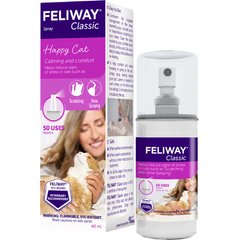
- Calming pheromone sprays and diffusers
Recommended Products

- Cat-safe cleaners and scent-control products
Recommended Products
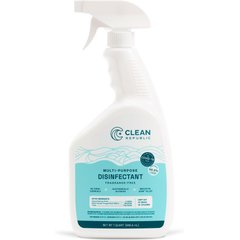
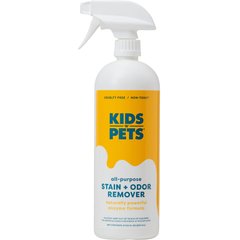
- Calming supplements formulated for cats
Recommended Products
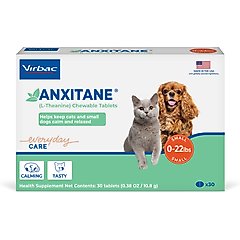
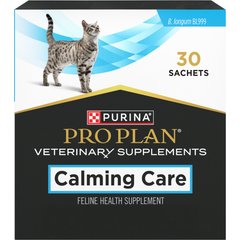

Talk to your veterinarian if you have any questions about the right product for your cat.
FAQs About Lavender and Cats
Is lavender poisonous to cats?
Yes, lavender can be poisonous to cats, particularly in highly concentrated forms like essential oils.
Is lavender oil more dangerous than the plant?
Yes, lavender oil is more dangerous than the plant because it delivers a much larger dose of lavender.
Can lavender make cats sick without eating it?
Yes, lavender can make cats sick without eating it. Sniffing or skin contact can also be very dangerous, especially if cats lick it off their skin.
What happens if my cat licks lavender oil?
If your cat licks lavender oil, call your vet or Pet Poison Helpline (855-764-7661) right away. Even a small amount of lavender essential oil can cause drooling, vomiting, or lethargy, and larger doses can lead to more serious symptoms like tremors or liver problems.
Is lavender safe for kittens?
No, lavender is not safe for kittens. Kittens are generally more vulnerable to toxins than adult cats, so lavender in any form poses a greater risk to them.