A Guide to Cat Poop: What’s Normal and What’s Not


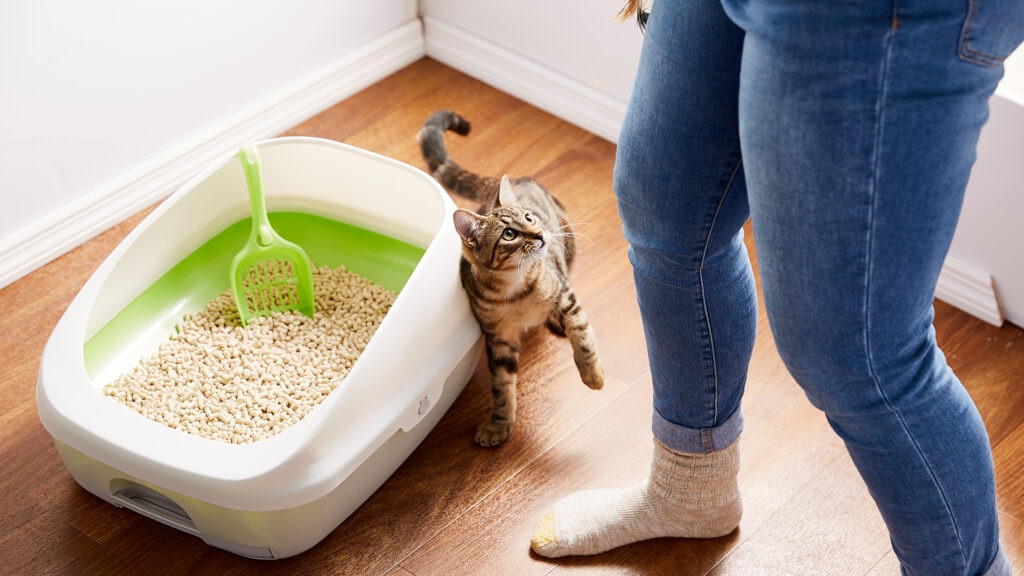
Photo by Chewy
As a pet parent, you know what you can expect when you check your cat’s litter box: poop, of course! You’ve become an expert in your feline friend’s feces, between the typical appearance, smell, and amount.
So, what does it mean when cat poop looks different than usual?
Your kitty’s poop is an important indicator of their health, and several factors can affect what their stool looks like.
In this guide, we’re getting to the bottom of what different cat poop colors and textures mean, so you’ll know what healthy cat poop looks like and when it’s time to contact your veterinarian.
Key Takeaways
- Healthy cat poop is typically brown, firm, and well-formed.
- Changes in color, consistency, or frequency can signal underlying health issues.
- Occasional variation may be normal, but persistent changes should be evaluated.
- Contact your veterinarian if you notice black, red, pale, or watery stool.
What Should Healthy Cat Poop Look Like?
Healthy cat poop is a rich brown color, formed, and log-shaped with a moist consistency that’s easy to scoop.
- Medium to dark brown color
- Log-shaped and formed
- Moist but not sticky or watery
Cat Poop Color Chart: What Different Colors Mean
Not sure what your cat’s poop color means? Here’s a breakdown.
Brown (Normal)
Considered normal, healthy stool, brown cat poop is generally medium to dark brown. Some variation can occur depending on your cat’s diet, says Ericka Gillette, DVM, lead veterinarian partner at CityVet in Kingwood, Texas.
Black or Tarry
Black or tarry stool is poop that has a sticky, tar-like appearance and consistency. This may indicate potential digested blood coming from the stomach or upper intestinal tract, Dr. Gillette explains.
Black or tarry stool is not normal and is an urgent matter. You should consult your vet promptly if you see black, tarry poop, and especially if your cat is showing additional signs, such as:
- Weakness
- Vomiting
- Pale gums
- Not eating
Red Streaks or Bloody
Bright red blood showing up as red streaks or mixed in with your cat’s stool can be an alarming sight.
“Bright red streaks usually indicate fresh bleeding from the lower intestine or rectum, sometimes after diarrhea or straining,” says Michael Hyder, DVM, medical director at VEG ER for Pets in Palm Desert, California. It may also occur due to colitis, constipation, or parasites.
While a tiny streak of blood may be monitored if it occurs just once, it’s best to contact your vet if you notice recurrent or significant bleeding, Dr. Gillette says.
Yellow or Orange
While diet can affect stool color, Dr. Gillette notes that yellow or orange stool may be a sign of rapid intestinal transit, or gastrointestinal (GI), liver, biliary, or pancreatic disease.
This is typically not normal if it’s persistent. Consult a vet if it continues or is accompanied by other symptoms.
Green
Green poop may be due to diet changes or from intestinal contents moving too quickly through the GI tract, says Dr. Gillette.
Green cat poop is usually not normal. A vet visit is warranted if your cat is having persistent green stool or showing accompanying signs, such as:
- Diarrhea
- Vomiting
- Appetite loss
Pale, Gray, or White
Pale, gray, or white cat stool appears to be clay-colored.
Pale poop is not normal and can sometimes indicate decreased bile reaching the intestines, Dr. Gillette says. This may be linked to issues such as liver, gallbladder, bile duct, or pancreatic disease.
If you notice pale poop is happening frequently, consult a vet for an evaluation.
Cat Poop Consistency Chart: Types of Stool
Now that we’ve covered cat poop color, it’s time to (figuratively) dive into different cat stool types to discover what is—and isn’t—normal.
Firm and Formed (Normal)
Firm and formed cat poop is normal and healthy. It should be firm without being extremely hard or dry, as well as easy to scoop out of the litter box, Dr. Gillette notes.
Hard, Dry Stool
Hard, dry stool can appear stiff or crumbly and may be indicative of constipation or dehydration in a cat. You should contact your vet if your cat shows the following signs:
- Straining repeatedly
- Discomfort
- Hasn’t passed stool normally within 48 hours
Because straining to urinate can look a lot like constipation, it’s important to monitor your cat’s bathroom habits. Not being able to urinate is an emergency, especially in male cats, Dr. Gillette says.
Soft or Loose Stool
Soft or loose stool in cats lacks some form and firmness compared to healthy stool. This can indicate mild GI upset or a change in diet.
If your cat’s soft or loose stool doesn’t resolve within 48 hours or if other signs appear, it’s best to contact your vet.
Watery Diarrhea
Watery diarrhea in cats lacks any shape or form, resembling a puddle. There are several potential causes for diarrhea in cats, such as:
- Diet changes
- Stress
- Parasites
- Infections
- GI disease
Watery diarrhea is not normal and poses a dehydration risk to cats. One episode in an otherwise healthy adult cat may be monitored; however, persistent diarrhea or diarrhea accompanied by blood, vomiting, lethargy, or appetite loss warrants veterinary care, Dr. Gillette says.
Mucus in Stool
Visibly clear or jelly-like mucus in stool can indicate inflammation of the large intestine or colitis, according to Dr. Gillette.
Potential causes for mucus in cat poop include:
- Stress
- Diet changes
- Parasites
- Infections
- GI disease
Recurrent mucus, especially with blood or diarrhea, should be evaluated, Dr. Gillette notes.
Why Is My Cat’s Poop Different?
It can be puzzling when our cat’s poop looks—or smells—unlike it usually does.
According to Dr. Gillette, common causes of changes in cat poop include:
- Dietary changes
- Eating something unusual
- Food intolerance
- Intestinal parasites
- Stress
- Infections
- Dehydration
- Constipation
- Medications
- Chronic GI disease
Sometimes, changes in a cat’s stool can be associated with systemic illnesses, intestinal obstruction, gastrointestinal bleeding, or cancer. However, this is less common, she notes.
When Should I Be Concerned About My Cat’s Poop?
While a single abnormal bowel movement isn’t always concerning, persistent or recurrent changes are important to watch for, Dr. Gillette says.
Symptoms that are a cause for concern include:
- Vomiting
- Appetite loss
- Lethargy
- Dehydration
- Pain
- Abdominal discomfort
- A major change in litter box habits (e.g., repeated straining)
You should consult a vet immediately if you notice the following signs:
- Black, tarry stool
- A significant amount of red blood in stool
- Severe or repeated diarrhea
- Weakness or collapse
- A swollen or painful abdomen
- Inability to pass stool accompanied by vomiting or obvious distress
- Suspected toxin or foreign-object ingestion
Dr. Hyder recommends contacting your vet if you notice:
- A change in your cat’s stool lasting longer than one to two days
- The change keeps returning
- The change is accompanied by other symptoms
“Kittens, senior cats, and cats with chronic medical conditions may need to be evaluated sooner because they can become dehydrated or unwell more quickly,” he says.
If you have any concerns about your cat’s poops, it’s best to take a clear photo of it and/or bring a fresh stool sample to your vet.
How To Help Keep Your Cat’s Digestion Healthy
The key to normal poops? A healthy gut.
Try these expert-recommended tips on how to support your cat’s digestive health and help keep your kitty happy:
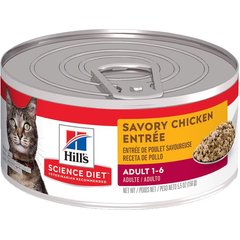
- Feed a consistent, complete, and balanced diet.
- Gradually switch your cat’s new food over seven to 10 days.
- Encourage hydration with fresh water, fountains, and/or canned food.
Recommended Products

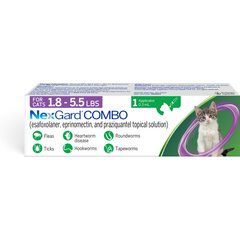
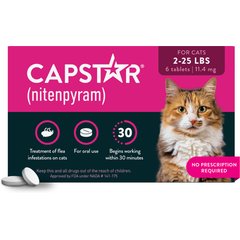
- Keep up with recommended parasite prevention, fecal testing, and routine veterinary examinations.
Recommended Products
- Maintain your cat’s litter box to monitor any changes.
Dr. Gillette encourages pet parents to become familiar with what’s normal for their cat, as changes in stool color, consistency, frequency, or litter box behavior can provide important clues about their health.
FAQs About Cat Poop
How often should a cat poop?
Most healthy adult cats poop about once a day, although some naturally go a little more or less often, Dr. Hyder says.
He recommends contacting your vet if your cat is approaching two days without passing stool or is showing signs like straining, vomiting, eating less, or acting uncomfortable.
Why is my cat’s poop so smelly?
A cat’s poop may be suddenly or noticeably smelly due to a change in diet or eating something unusual, Dr. Hyder says.
If poop is persistently foul-smelling or has changed in texture, potential causes include: intestinal parasites, infection, inflammation, or issues digesting and absorbing nutrients.
Is it normal for cat poop to change color?
Sometimes. A small, temporary change can be normal if a cat’s diet has changed, but a persistent or dramatic color change may indicate an underlying health issue.
When should I call the vet about my cat’s poop?
You should call the vet about your cat’s poop if you notice anything unusual, like a change in color, consistency, frequency, or volume.
Accompanying signs, such as vomiting, decreased appetite, lethargy, weight loss, or a noticeable change in litter box habits, also warrant a vet visit.
Attributions