5 Signs You May Have a Stressed Cat—and How You Can Help


Think you might have a stressed cat? Is cat stress even a thing? Sadly, the answer to the latter is yes: Cats can feel real and chronic stress, even beyond the fleeting “I won’t get in the carrier because you’ll take me to the vet” variety that most cats feel.
But don’t worry; there are ways you can help your kitty out.
We enlisted the help of a certified animal behaviorist and a cat behavior expert to break down everything about cats and stress, including cat stress symptoms, how to alleviate the stressors in your cat’s environment, and more.
Key Takeaways
- Cats show signs of stress through behavior changes such as hiding, appetite shifts, and aggression.
- A vet check is essential to rule out medical causes before addressing behavioral stress.
- Environmental changes, new pets, or even boredom can trigger stress in cats.
- Creating safe spaces, using calming aids, and maintaining routines can help reduce stress.
Cat Stress Symptoms
Cats can’t explain their feelings in words, of course. Instead, they can tell you their stress levels are on the rise in other ways
Anytime your cat’s behavior changes in a significant way, it’s a good idea to check in with your vet. Cats are great at hiding when they’re sick, so even little changes can indicate bigger issues.
Ahead are five common signs of stress in cats, plus tips on what you can do to help.
1. Hiding
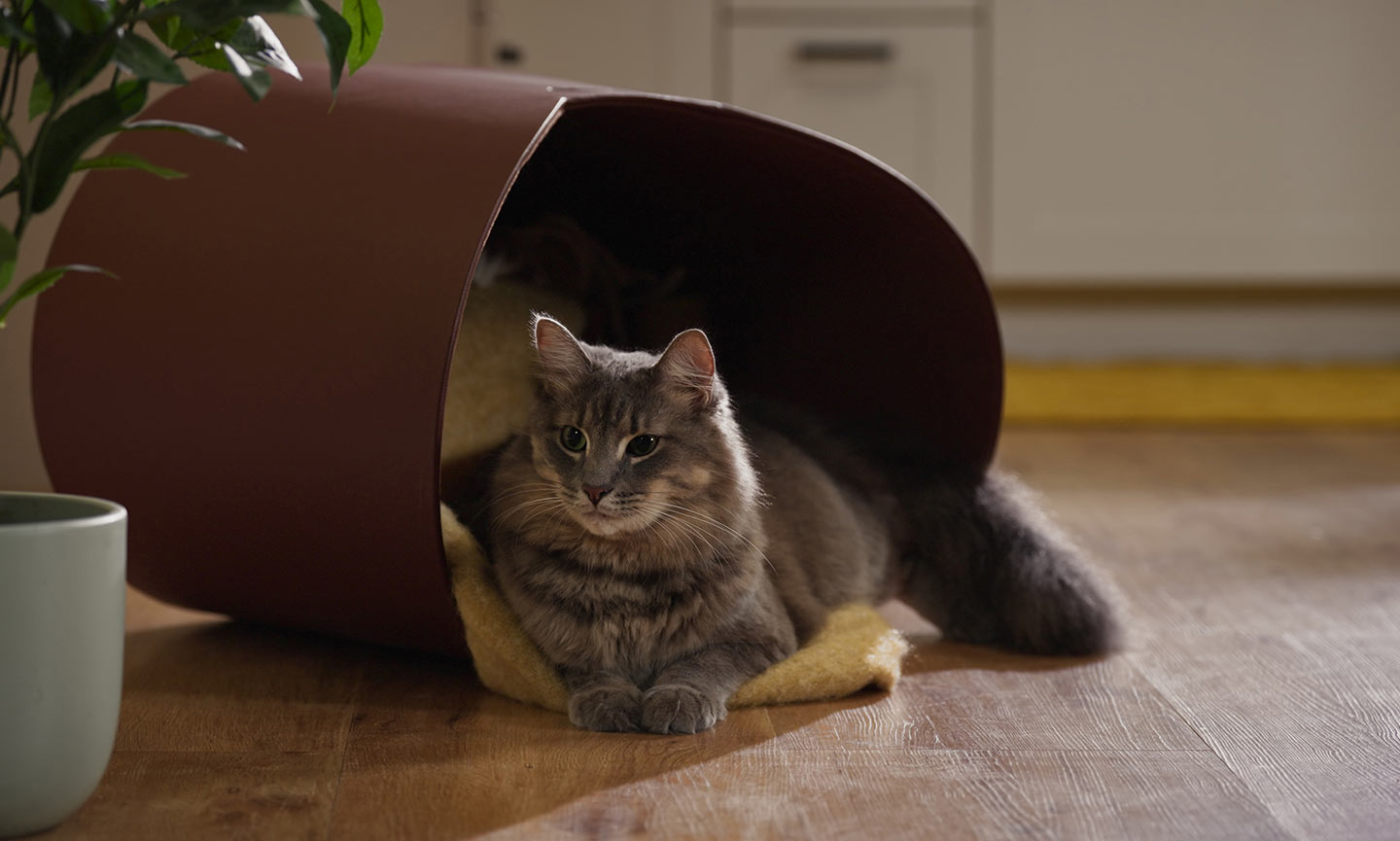
Photo by Chewy
“Hiding, or avoiding human contact, is a big sign of problems and stress,” says certified cat behavior expert Rita Reimers, CEO and co-founder of Cat Behavior Alliance in Charlotte, North Carolina.
Many cats find a hiding place that feels safe when they become stressed, feel threatened or get sick, adds Yody Blass, M.A., a certified animal behaviorist by the National Association of Animal Behaviorists and owner and director of Companion Animal Behavior in Leesburg, Virginia.
What You Can Do To Help:
Once your vet has ruled out physical causes for the hiding, Blass suggests creating a cat-friendly safe room with a hiding place like a covered cat bed where feline parents can check on their cat frequently until the source of stress is resolved.
Recommended Products

“Start working on play sessions when you’re in the safe room, enticing your cat to come out of his shell and engage with you,” she says. “Toss a treat or give a pinch of catnip to help create a positive association with your presence.”
Recommended Products


If you’ve recently adopted a cat or are trying to help a stressed cat adjust after a big change, it can be helpful to follow the 3-3-3 rule. This guideline offers a general timeline for how long it may take a cat to feel comfortable in a new environment.
- Three days to decompress: In the first few days, your cat may hide, avoid contact, or seem unsure about their new surroundings. Give them space and don’t force interaction. Instead, provide quiet comfort and let them come to you on their own time.
- Three weeks to start adjusting: Over the next few weeks, your cat will begin exploring their space, understanding routines, and showing more of their personality. Continue offering positive reinforcement and consistent feeding and play times.
- Three months to feel at home: By this point, most cats start feeling truly secure. They’ll bond more with you and settle into their new normal.
While every cat is different, the 3-3-3 rule offers a helpful framework for understanding what’s normal and how long it might take a cat to fully settle in. Patience, routine, and a calm environment are key to reducing cat stress during transitions.
2. Going Outside the Litter Box
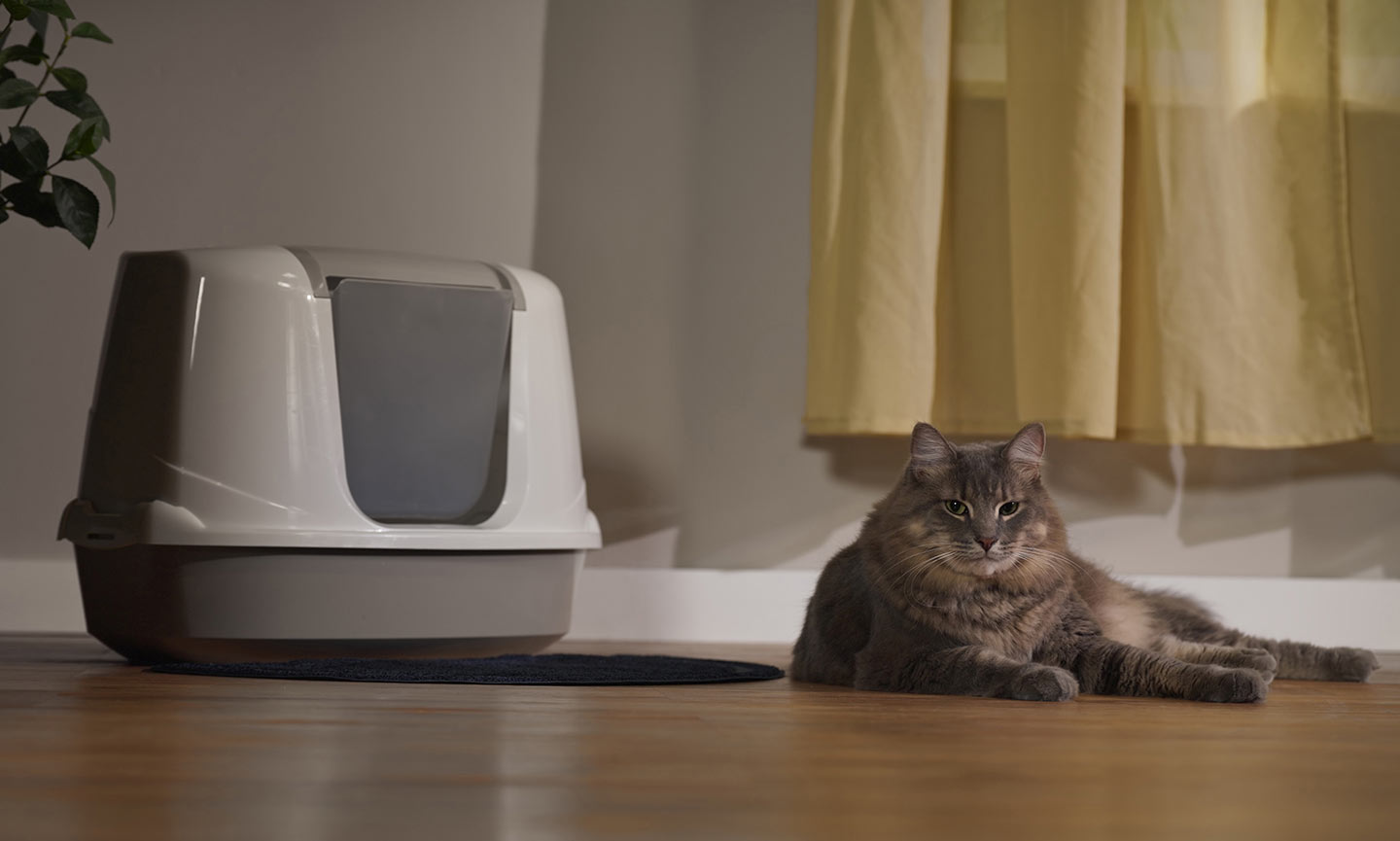
Photo by Chewy
Peeing or pooping outside the litter box can be a sign of illness in cats, so your first step should be to check in with your vet. Once they’ve given the all-clear, this behavior may be a sign from your cat that they’re not pleased with their litter box conditions.
Cat parents often miss this sign of stress, instead assuming their feline friend is simply misbehaving. You’ll need to really analyze your cat’s behavior to decipher why they’ve stopped using their litter tray.
What You Can Do To Help:
Always keep your cat’s litter box clean, scooping it with a litter scoop every day.
Recommended Products


Also ensure you’re following the rule of one litter box per cat—plus one extra box. Having the correct-size box (a bigger cat needs more room) can help erase your cat’s bathroom distress. Senior cats may also need low-sided litter boxes that are easy to get in and out of.
Recommended Products

If your cat’s behavior persists, you may want to consult with a cat behaviorist.
3. Appetite Changes
Chewy
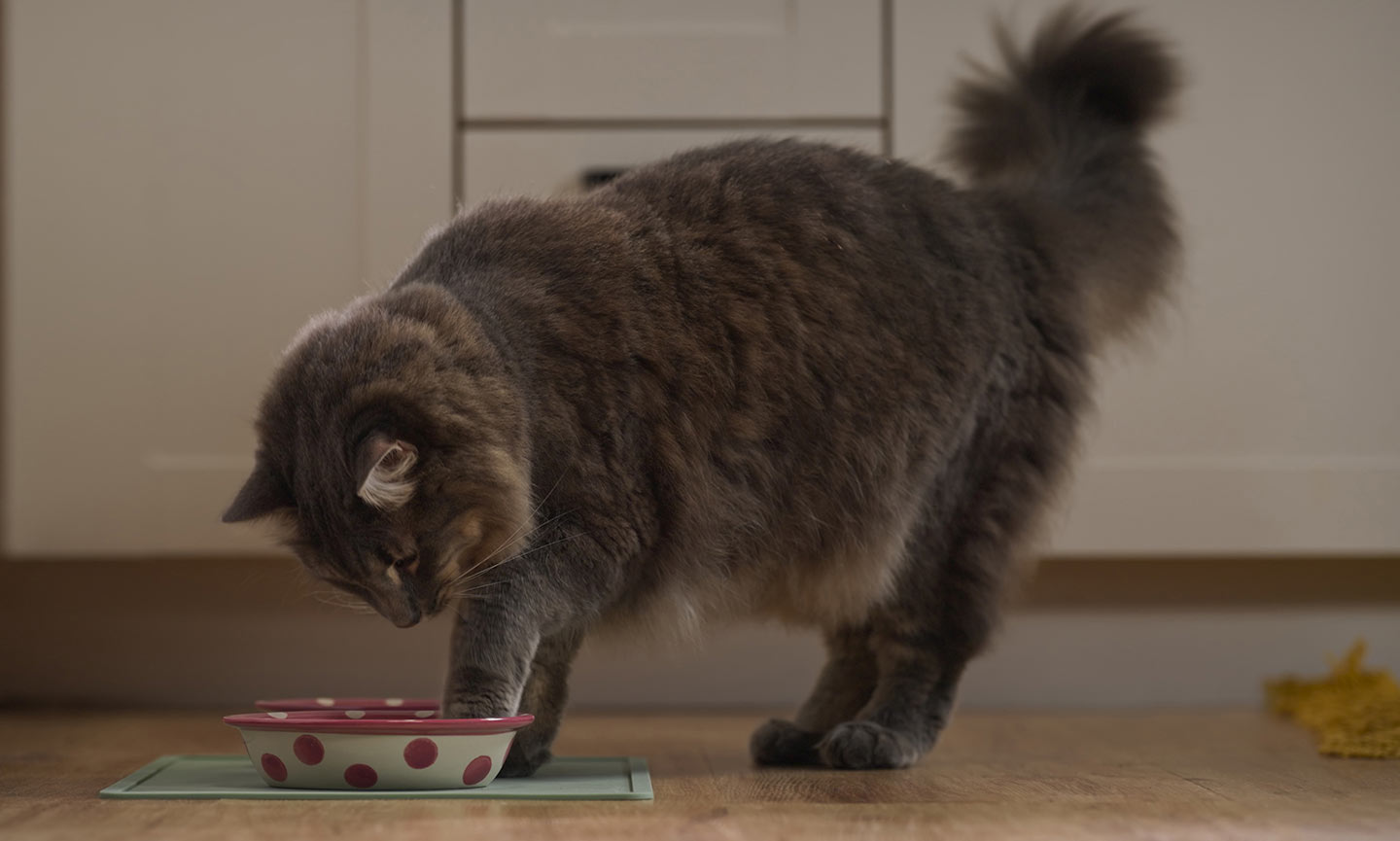
When a cat is overly stressed, they may stop eating normally, Blass says. You may notice your cat leaving their once-liked meals behind in their food bowl.
Conversely, some stressed cats want to overeat. If that’s the case, your cat may engage in vocalizing—meowing more frequently than normal—for additional food. They may also remain in the room where you normally feed them all day.
If this happens, it’s possible your cat is stressed or has developed a medical issue.
What You Can Do To Help:
Did you recently put your cat on a new diet? If so, this could be the cause of stress. The best way to keep your kitty calm and happy is to make food changes slowly. If your cat refuses the new option, try something else.
Cats who do not eat at all—for even a day or two—can “get very sick very fast, so always inform your vet when your cat stops eating, particularly if the cat is very young or elderly,” Blass notes.
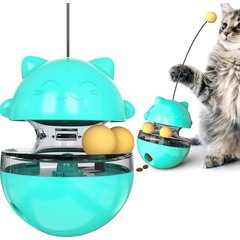
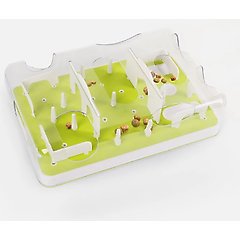
A cat who wants to overeat could be suffering from boredom, she adds. One solution is to put their food in a treat dispenser toy.
Recommended Products
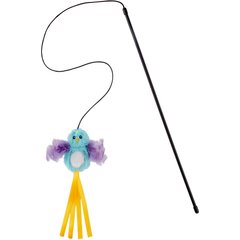
You can also get them moving more using a feather toy or wand.
Recommended Products

4. Aggressive Behavior
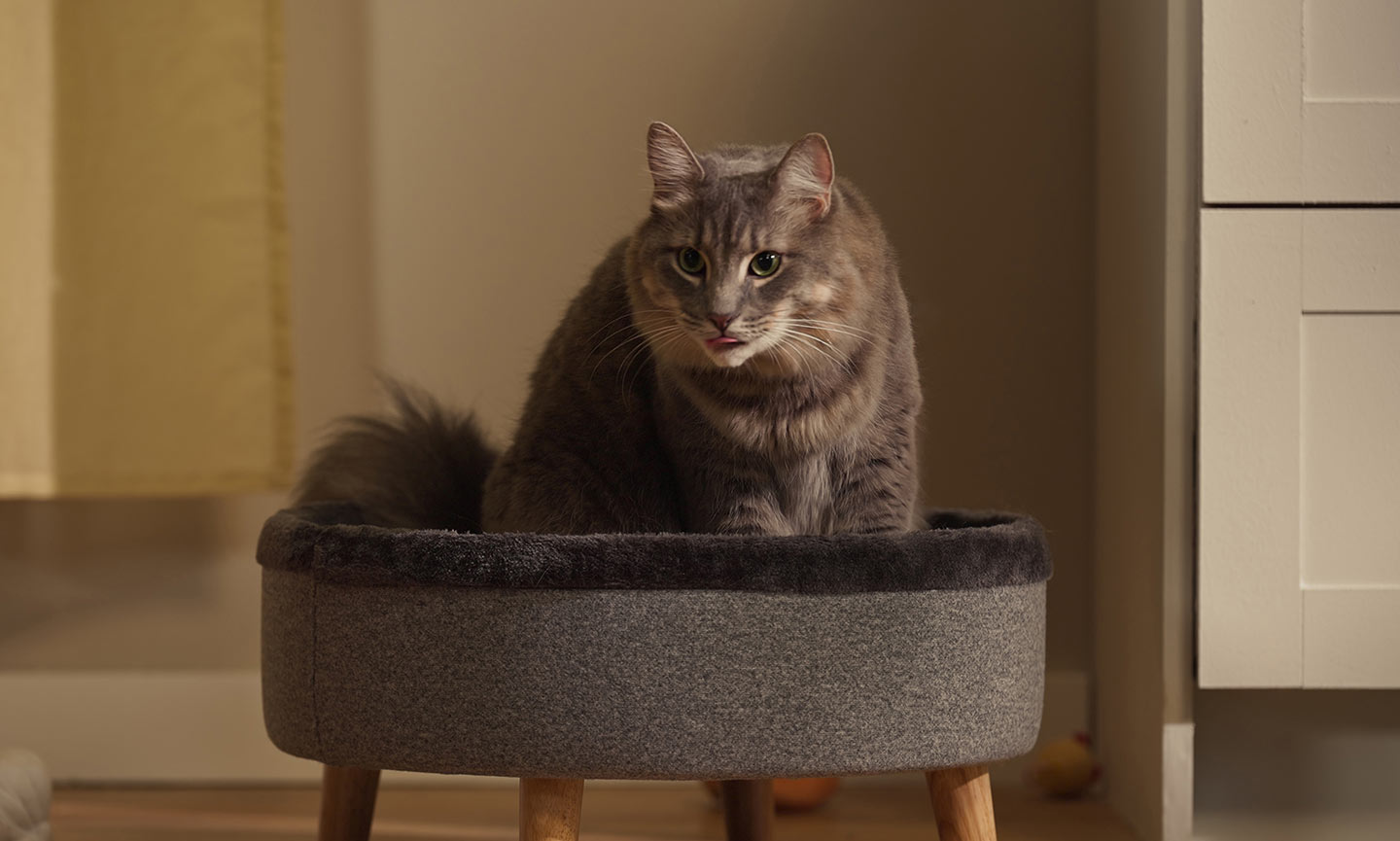
Photo by Chewy
“If your cat is suddenly very combative, that is a huge red flag,” says Reimers, who cites such aggression, along with appetite changes and eliminating outside the litter box, as “your cat’s way of telling you something is not right.”
After the vet gives your cat a clean bill of health, then it’s time to determine what changes you’ve recently made in your household that could be causing the stress, she adds.
What You Can Do To Help:
Give your cat a lot of love and attention if you’re experiencing changes in your home because this offers reassurance, Reimers says.
If you’re adding a new pet or a new family member is joining your home, she recommends using calming diffusers, like Feliway, in your home, and adding stress relief supplements, like Rescue Remedy, to your cat’s water bowl to help them relax.
Recommended Products


5. Increased Vocalization
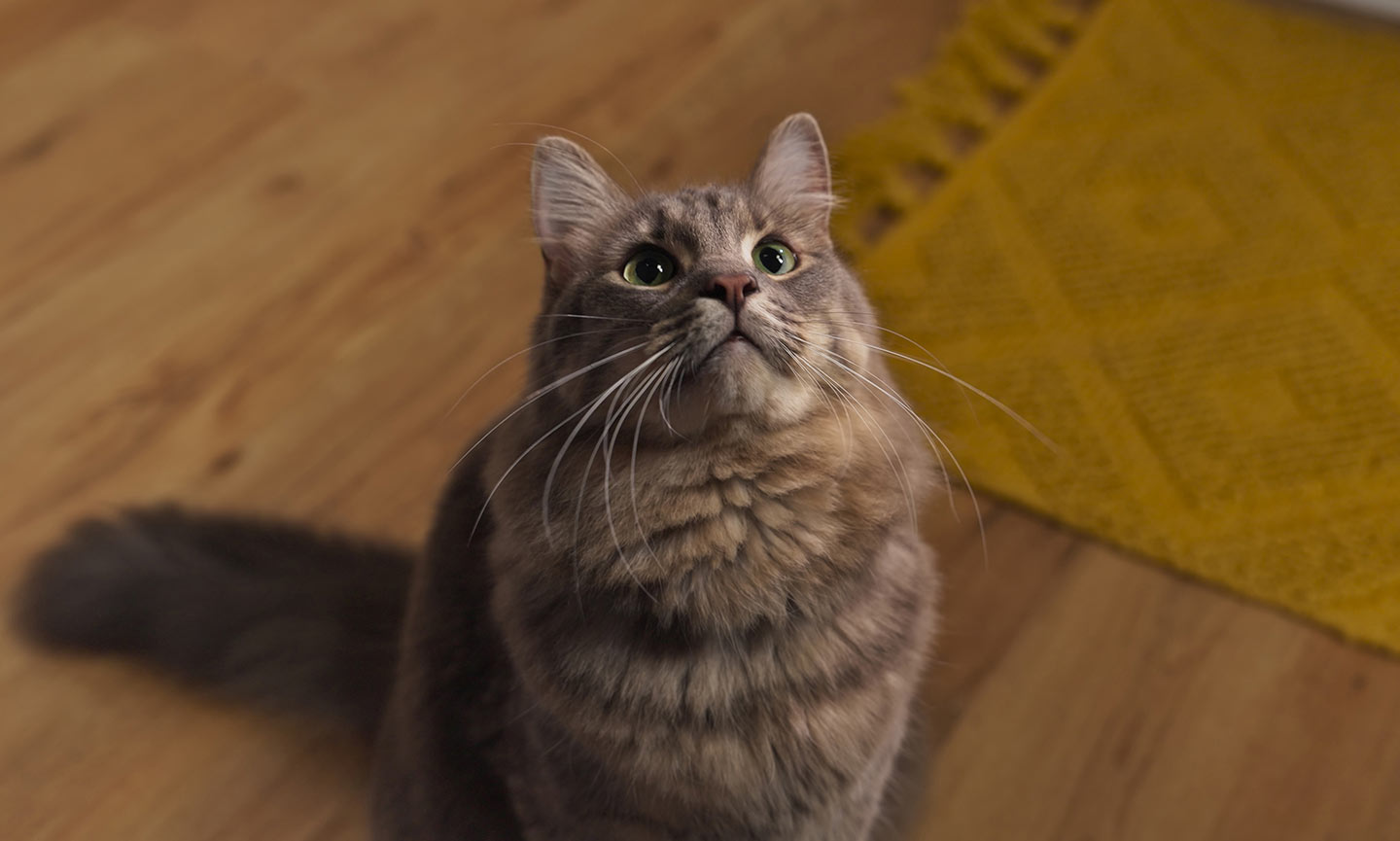
Photo by Chewy
Oh, that feline yowling! “When cats begin to age and experience discomfort, they often begin to vocalize more,” Blass says, adding that cognitive changes can affect a cat’s mood and sense of well-being.
What You Can Do To Help:
Once your vet has ruled out any medical issues, take note of when your cat yowls or makes any other vocalizations.
Early morning or nighttime vocalization can be related to cognitive changes, Blass notes. Try using natural calming remedies, such as PetHonesty Dual Texture Calming Chews Supplement or Vetoquinol Zylkene Supplement, and providing your cat a safe room free of loud noises to sleep in, with easy-to-navigate furniture or cat scratching posts to help your aging kitty.
Recommended Products


“Having play sessions and making sure your senior cat’s food needs are met will also keep him on track,” Blass says.
What Causes Stress in Cats?
“Domestic cats are delicate creatures who are both predator and prey on the food chain,” says Reimers. “This makes them prone to stress on a grander scale than their canine counterparts.”
The causes of stress that lead to stressed cats range from small to life-changing. Potential stressors include:
- Shifting furniture
- A family member’s illness
- A move to a new home
- Traveling
- A death in the family
- A new baby
- A new cat or other pet
- Their own health issues, especially when pain or older age are factors
Reimers and Blass both strongly recommend that in coping with any kind of feline behavior change, your initial response should not be a DIY diagnosis, but rather a visit to the vet to have their physical health assessed. It’s important to start there because the source of stress could be a health issue.
Physical Signs of Stress in Cats
In addition to changes in behavior, stress in cats can also show up in subtle shifts in body language. These physical cues may be easy to miss, but they’re an important part of understanding how your cat is feeling.
If you notice any of the following signs, it could indicate your cat is feeling overwhelmed or anxious:
- Flattened ears or ears constantly swiveling
- Dilated pupils, even in well-lit rooms
- Tucked tail or a tail held low and still
- Tense body posture, often crouched close to the ground
- Rapid grooming or overgrooming one area, sometimes to the point of fur loss
- Panting, which is uncommon and often stress-related in cats
- Trembling or shaking
- Excessive shedding during handling or vet visits
These signs may appear suddenly or develop over time. It’s helpful to observe your cat’s baseline behavior and appearance so you can recognize when something’s off. If physical signs persist or escalate, it’stime to consult your veterinarian to rule out any underlying health conditions.
How To Help Prevent Your Cat From Getting Stressed
While banishing all stress from your cat’s universe may not be possible, a pet parent may be able to avoid situations that can cause your cat anxiety and stress.
Here are a few ways to help prevent your cat from getting stressed:
Really Get To Know Your Cat
Pay attention to their body language. Learn what makes them happy. Schedule a daily time to offer attention, enrichment activities, and playtime.
Doing these things as part of a daily routine can alleviate boredom, increase their security, and keep your cat’s stress levels lower.
Don’t Neglect Regular Checkups With Your Vet
Keeping tabs on your cat’s physical health is important. Regular vet checkups are a must to uncover new illnesses and navigate the aging process.
Make Gradual Changes, Not Rapid Ones
Keep stress at bay by making changes gradually.
“When your cat needs to accept a new pet or baby, do not just throw the two together and hope for the best.” Blass says. “Acclimate slowly so your cat can get used to the idea.”
For example, if you’re planning a move, prepare for it slowly.
“Box things up gradually over a few weeks, and let your cat explore the boxes; make it fun,” Blass says.
Remember that once you’ve arrived in your new home, you shouldn’t let your feline BFF have access to the entire house. Instead, give your cat a safe room so they have time to decompress and adjust.
Knowing how to determine whether you have a stressed cat and what to do about it if you do will help increase your feline friend’s happiness and quality of life. It might also help to learn how to bond with your cat. After all, the closer you are, the more you’ll understand your cat.
Attributions