Coconut Oil for Cats: What the Evidence Shows


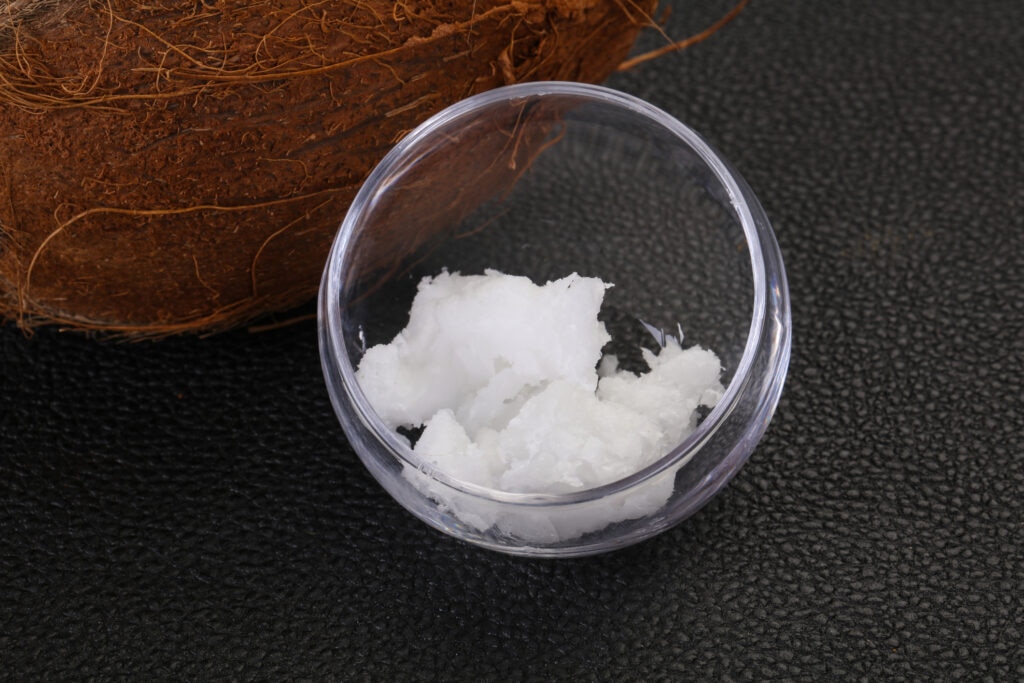
Photo by AndreySt/iStock/Getty Images
Coconut oil has been having a moment—it’s commonly recommended for humans as a dietary supplement, moisturizer, and all-around superior cooking oil. Derived from coconuts, coconut oil is a rich source of lauric acid and healthy medium-chain triglycerides (MCTs). In cats, coconut oil is sometimes used as a dietary supplement as well as a skin and coat enhancer.
Let’s look at what we know about using coconut oil in cats.
Key Takeaways
- Coconut oil can be used in small amounts as a food topper in some cats to help modulate inflammatory conditions.
- Most healthy cats who eat a complete and balanced cat food don’t need extra coconut oil.
- Coconut oil is sometimes marketed for its positive effect on coat and skin health in cats.
- Coconut oil adds additional fat and calories, which can lead to stomach upset, vomiting, or diarrhea in some cases.
- Coconut oil may not be a good choice for cats with pancreatitis or ongoing digestive problems, and a veterinarian should be consulted before adding any fat-based ingredients.
Can Cats Have Coconut Oil?
Cats typically tolerate small amounts of coconut oil in their diet, and it doesn’t have negative effects if applied directly to the skin or fur.
However, if your cat already eats a complete and balanced diet, their nutrition basics should already be covered. Adding an additional fat source to a cat’s diet isn’t always a good idea. Check with your veterinarian first if your cat is overweight, on a prescription diet, or has a history of pancreatitis or digestive upset.
How Does Coconut Oil Work in Cats?
Coconut oil contains lauric acid and medium-chain triglycerides (MCTs). MCTs are healthy fats that help modulate inflammation, while lauric acid is an antimicrobial. In cats, the theory is that coconut oil can help reduce the effects of inflammatory diseases like arthritis, although these claims have not been proven by rigorous studies.
In general, direct research in cats is very limited—any benefit from coconut oil is usually credited to the ingredients it contains rather than high-quality, direct research in cats.
For skin and coat, coconut oil can be applied directly to the skin or fur as a moisturizer.
Recommended Products
Potential Downsides and Safety Considerations
The biggest downside to using coconut oil is the additional calories. Coconut oil is a calorie-dense fat, so adding it can make weight management more difficult. Cats who are already prone to carrying extra weight will probably do better with non-fat-based treats and toppers.
Stomach upset is another concern, and the additional oil may cause vomiting or loose stool. Others may simply decide they don’t like the taste and stop eating food with added coconut oil.
Additional fat content can also be a problem for cats with pancreatitis or chronic pancreatic issues. Coconut oil should not be given to cats who need a low-fat diet or should avoid rich foods.
How to Use Coconut Oil With Vet Guidance
If your veterinarian says coconut oil is appropriate for your cat, treat it as an occasional food topper rather than a fix for any medical issues. If your cat takes prescription medication or is on a therapeutic diet, ask your veterinarian before adding any type of oil to their food.
Watch your cat’s appetite, stool quality, and overall behavior after adding any new ingredient to their diet. If your cat reacts poorly, stop giving it and call your veterinarian for advice.
If you’re using coconut oil as a topical treatment, apply a small amount to the affected area of skin or coat.
In all cases, only use pure coconut oil.
What to Do If Your Cat Eats Too Much Coconut Oil
If your cat licks up a lot of coconut oil, watch for vomiting, diarrhea, belly pain, or lack of appetite. A one-time overindulgence may pass without a major issue, but repeated symptoms or obvious discomfort warrant a call to your vet.
If your cat has a history of pancreatitis or another digestive condition, don’t wait to see if a problem develops. Call your veterinarian for advice sooner rather than later.
FAQs About Coconut Oil for Cats
Is coconut oil necessary for cats?
No. A complete and balanced diet covers what most cats need, so coconut oil is optional rather than necessary.
Is coconut oil the same as MCT oil?
No. Although coconut oil contains MCTs, coconut oil and MCT oil are not the same thing.
Can I give coconut oil to a cat on a prescription diet?
Check with your veterinarian before adding anything to a prescription diet plan. Prescription diets are chosen for their specific formulation and ingredients, and adding extra fat may interfere with the goals of a prescription food.
Should I ask my vet before trying coconut oil?
Yes. That is the safest move, especially if your cat is on a prescription diet, takes medication, or has a history of digestive issues.
Attributions
This article was created with assistance from AI tools. The content has been reviewed for accuracy and edited by a human.
References
- Can Cats Have Coconut Oil? Is Coconut Oil Safe for Cats?. PetMD. Accessed April 14, 2026. https://www.petmd.com/cat/nutrition/coconut-oil-cats-it-good-idea
- 20367051. Accessed April 14, 2026. https://pubmed.ncbi.nlm.nih.gov/20367051/
- 4070410. Accessed April 14, 2026. https://pubmed.ncbi.nlm.nih.gov/4070410/
- Choosing A Cat Food. Accessed April 14, 2026. https://vetmed.tamu.edu/news/pet-talk/choosing-a-cat-food/
- World Small Animal Veterinary Association. Global Nutrition Guidelines. Accessed April 14, 2026. https://wsava.org/global-guidelines/global-nutrition-guidelines/
- Pancreatitis. Accessed April 14, 2026. https://vetmed.tamu.edu/news/pet-talk/pancreatitis/