Cod Liver Oil for Cats: Does It Actually Help?


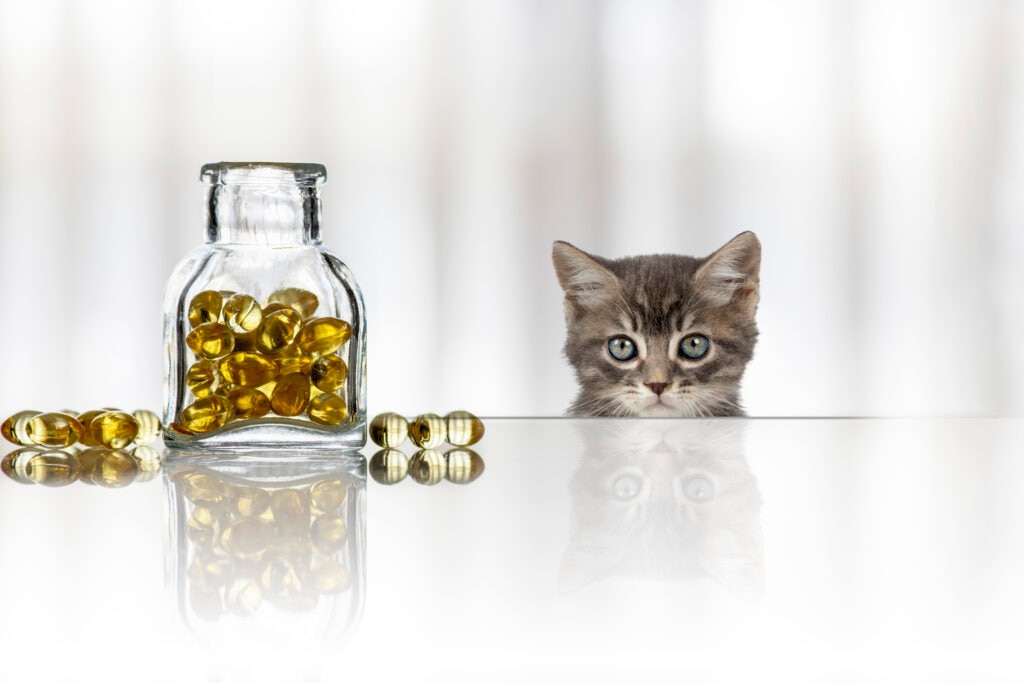
Photo by 101 Cats iStock/Getty Images Plus
Cod liver oil is a fish liver oil that contains omega-3 fatty acids as well as vitamins A and D. While there are documented benefits to omega-3 fatty acids, cod liver oil may not be the best option to give to your cat because of the excess vitamin A and D. These vitamins can lead to health problems if your cat gets too much.
Most cats eating a complete and balanced diet don’t need cod liver oil. If a veterinarian has a specific reason for adding omega-3 fatty acids, they may prefer a product that doesn’t include extra vitamin A and D.
Key Takeaways
- Cod liver oil contains omega-3 fatty acids and vitamins A and D.
- Too much cod liver oil can cause vitamin A and/or vitamin D toxicity.
- Cod liver oil should only be used if your vet recommends it for a specific reason.
How Does Cod Liver Oil Work in Cats?
Cod liver oil contains omega-3 fatty acids, specifically EPA and DHA, which have been shown to support healthy cell function and modulate inflammation. Inflammation has has been linked to many health issues. Based on their action, omega-3 fatty acids are sometimes discussed for skin, coat, and joint support.
Cod liver oil, however, should be given to cats only if a veterinarian recommends it. The issue is the extra vitamins. Both vitamin A and vitamin D are fat-soluble, meaning they dissolve in fat instead of water. Over time, these can build up in cats—especially excess vitamin A—and lead to vitamin toxicity.
If your veterinarian wants to increase your cat’s omega-3 intake, they’ll likely recommend fish oil or an omega-3 supplement rather than cod liver oil.
Benefits of Cod Liver Oil in Cats
There are few studies that look at cod liver oil specifically in cats. Instead, most of the research has involved omega-3s from fish oil or direct supplementation, and even that research is fairly limited.
Research has focused on:
- Support for cats with skin conditions: One study in cats found that fish oil and flaxseed oil altered omega-3 levels and affected the skin’s response to histamine.
- Prevention of blood clots in cats with heart disease: Another study found that purified EPA and DHA didn’t changing bleeding times or platelet aggregation, leading to the conclusion that fatty acids likely won’t decrease the risk of blood clot formation.
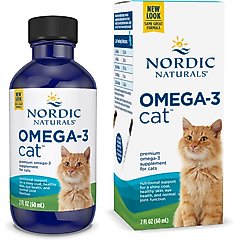
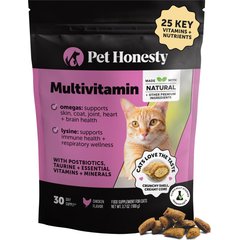
Recommended Products
Potential Side Effects of Cod Liver Oil in Cats
The most common problems with oil supplements are stomach upset and extra calories, which can lead to weight gain over time. The bigger concern is toxicity due to excess fat-soluble vitamins.
In cats, vitamin A poisoning can cause:
- Lethargy
- Loss of appetite
- Weight loss
- Lameness
- Rough hair coat
- Constipation
Excess vitamin D can cause:
- Vomiting
- Depression
- Increased thirst and urination
- Kidney injury
How to Give Your Cat Cod Liver Oil
Give cod liver oil only if your veterinarian has a clear reason for it. If the goal is omega-3 support, ask whether a cat-formulated fish oil product would be a better choice.
Don’t combine cod liver oil with other vitamin A or vitamin D supplements unless your vet tells you to. Stacking supplements can quickly lead to overlap of ingredients and excessive intake.
If your vet recommends cod liver oil, here are some tips for safe administration:
- Use the product exactly as your veterinarian advises.
- Watch closely for vomiting, diarrhea, drooling, poor appetite, or changes in energy.
- Stop the supplement if your cat doesn’t seem to tolerate it well.
What to Do If Your Cat Takes Too Much Cod Liver Oil
If your cat gets into the bottle or receives more than planned, follow these steps:
- Call your veterinarian, an emergency hospital, or the Pet Poison Helpline (855-764-7611) right away.
- Keep the product label handy so you can tell the vet or poison expert exactly what it includes.
- Watch for vomiting, constipation, lethargy, weakness, poor appetite, and a stiff or unusual posture. These signs don’t automatically mean your cat ingested a toxic amount, but they aren’t something to ignore.
FAQs for Cod Liver Oil in Cats
Is cod liver oil the same thing as fish oil?
Not exactly. Cod liver oil is a type of fish oil, but it comes from the liver and includes vitamins A and D. Plain fish oil contains mainly omega-3 fatty acids without excess vitamins.
Can cod liver oil help my cat’s coat?
It might sound logical because omega-3s are sometimes studied for skin and coat support, but strong proof of cat-specific benefits is lacking, so it’s best not to rely on it.
Is cod liver oil safe for daily use?
Only if your veterinarian specifically recommends giving it daily. Frequent use can be risky because cod liver oil contains vitamins A and D, and excess can lead to toxicity.
Should I give cod liver oil if my cat is already on a supplement?
Check with your vet first. It’s easy to accidentally give omega-3s, vitamin A, or vitamin D from more than one product.
What if my cat has kidney disease or needs surgery soon?
Ask your vet before giving any omega-3 supplement. Omega-3 fatty acids require caution in cats with kidney disease, a history of pancreatitis, or upcoming surgery.
Attributions
This article was created with assistance from AI tools. The content has been reviewed for accuracy and edited by a human.
References
- Omega 3 Fatty acids. Accessed April 14, 2026. https://ods.od.nih.gov/factsheets/Omega3FattyAcids-HealthProfessional/
- Vitamin d. Accessed April 14, 2026. https://ods.od.nih.gov/factsheets/VitaminD-HealthProfessional/
- Toxicoses In Animals From Human Multivitamins And Supplements. Accessed April 14, 2026. https://www.merckvetmanual.com/toxicology/toxicoses-from-human-vitamins-minerals-and-dietary-supplements/toxicoses-in-animals-from-human-multivitamins-and-supplements
- World Small Animal Veterinary Association. Global Nutrition Guidelines. Accessed April 14, 2026. https://wsava.org/global-guidelines/global-nutrition-guidelines/
- Fish Oil For Cats. Accessed April 14, 2026. https://www.chewy.com/education/cat/health-and-wellness/fish-oil-for-cats
- National Institutes of Health. Accessed April 14, 2026. https://pubmed.ncbi.nlm.nih.gov/21440312/
- National Institutes of Health. Accessed April 14, 2026. https://pubmed.ncbi.nlm.nih.gov/7983618/
- Vitamin A Poisoning in Cats. PetMD. Accessed April 14, 2026. https://www.petmd.com/cat/conditions/toxicity/c_ct_vitamin_a_toxicity