Fish Oil for Cats: Uses, Safety Tips, and What You Need to Know


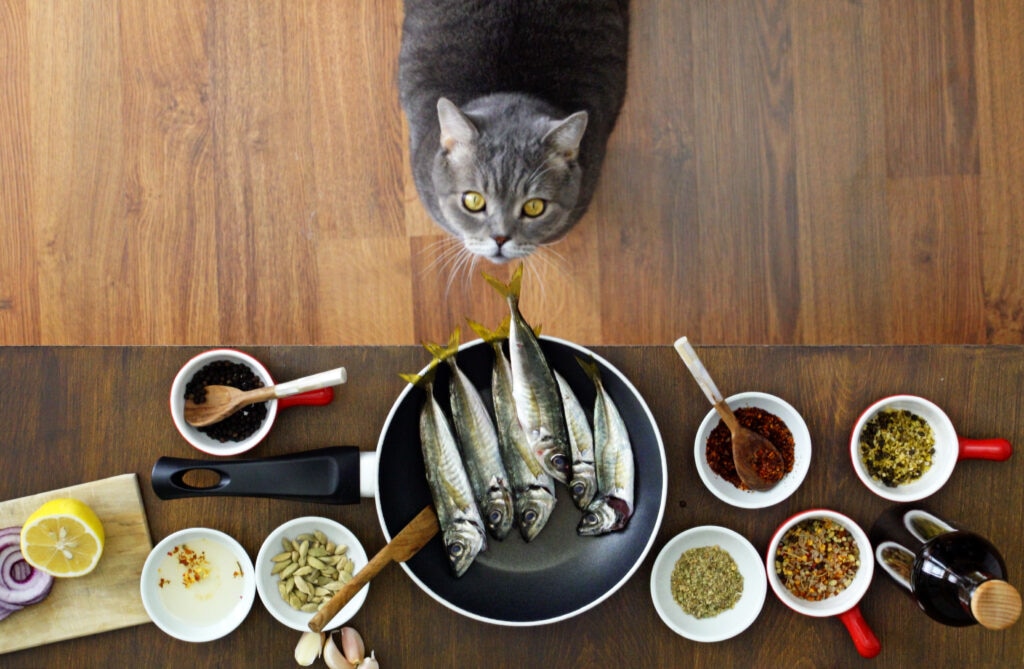
Photo by 101cats/E+
Fish oil is a popular supplement, mostly because it’s a rich source of omega-3 fatty acids. While there isn’t strong evidence for using fish oil in healthy cats, vets sometimes recommend fish oil as part of a management plan for kidney disease or skin allergies in cats.
Fish oil can be found in many supplements and some veterinary diets. However, clinical evidence supporting regular use of fish oil in cats is limited and focused on its specific use in early stage kidney disease and to support healthy skin in cats with skin allergies. Consequently, cats should only be given fish oil supplements under direct vet supervision.
Key Takeaways
- Fish oil is a source of omega-3s fatty acids, which most cats receive from a complete and balanced diet.
- Scientific evidence of fish oil’s benefits in cats is limited. The best direct data suggests fish oil may be associated with improvements in certain kidney blood work values in cats with early kidney disease.
- For itchy skin, omega-3 fatty acids may provide support but should be used in conjunction with other therapies.
- Side effects may include stomach upset, weight gain, bleeding disorders, and delayed healing.
- Only give your cat fish oil that’s formulated for cats, not for humans.
Can Cats Be Given Fish Oil?
Yes, many cats can be given fish oil. However, it should be used with your veterinarian’s guidance—especially if your cat has kidney disease or a history of pancreatitis, is on other medications, or is scheduled for surgery.
How Does Fish Oil Work in Cats?
Fish oil is rich in omega-3 fatty acids, including eicosapentaenoic acid (EPA) and docosahexaenoic acid (DHA). In the body, omega-3s are used to build cell membranes and help regulate inflammation and immune responses.
Because these pathways affect many body systems, fish oil and omega-3 fatty acids are often marketed as a fix-all. However, the actual research is more narrow and supports fish oil in more targeted situations.
Benefits of Fish Oil in Cats
Research on fish oil in cats has focused on:
- Support for cats with certain kidney disease: A small study in cats with early chronic kidney disease found that DHA-enriched fish oil helped improve certain kidney-related lab markers. However, this small study does not prove long-term benefits for all cats with chronic kidney disease, and it did not find that fish oil will slow or prevent disease.
- Support for allergic itch: For cats with allergy-related skin problems, essential fatty acids—including fish-oil-derived omega-3s—may be included as part of a broader veterinary treatment plan. Some cats with itchy skin due to allergies may show a lessening of symptoms over time, but results can vary, and fish oil is not a stand-alone treatment.
Recommended Products
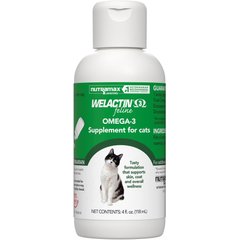
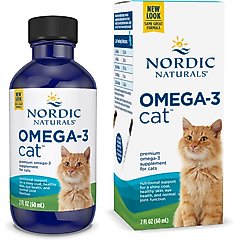
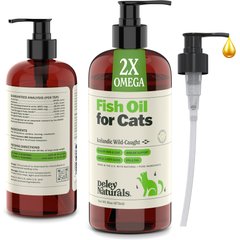
Potential Side Effects of Fish Oil in Cats
Fish oil is often well tolerated, but that doesn’t meant it’s risk-free. Potential concerns, especially at higher doses or in cats with other health issues, include:
- Digestive issues, like soft stool, vomiting, or fishy breath
- Weight gain
- Changes in platelet function (important for cats with bleeding disorders or before surgery)
- Delayed wound healing
- Product-quality issues, such as oils becoming rancid if they are old or stored improperly
- Interactions with medications
- Extra ingredients that may not fit your cat’s care plan
Call your veterinarian if your cat has severe vomiting or diarrhea, belly pain, loss of appetite, unusual bruising, or weakness.
How to Give Your Cat Fish Oil
Fish oil comes in liquids, capsules, and chews. It’s also included as an ingredient in certain veterinary diets. The best option is one your cat will take and that is recommended by your vet.
Product quality and dosing can vary, so always read labels closely and talk to your vet before starting a new supplement.
Cat-friendly tips for giving fish oil include:
- Use a cat-specific product, and don’t give your cat human supplements unless your veterinarian says it’s OK.
- Start small and slowly work up to the full dose, so your cat’s stomach can adjust.
- Mix liquid fish oil into a small amount of food. If your cat likes it, you can mix it into the rest of their meal.
- Store oils according to the directions. Many need a cool, dark place to keep them fresh.
- Tell your veterinarian about any additional supplements and medications your cat takes, including flea and tick products.
Dosing Reminder
Fish oil dosing is not one-size-fits-all. The right amount depends on your cat’s body weight, the product’s strength, your cat’s diet, and your goal. For your cat’s health and safety, ask your veterinarian for product recommendations and how much to give.
What to Do If Your Cat Takes Too Much Fish Oil
If your cat accidentally gets too much fish oil, watch for signs of stomach upset or other problems. Fish oil overdoses are more likely to cause digestive upset than a true emergency, but it’s best to always follow up with your vet—especially if your cat is small, has other illnesses, or takes medications.
Here’s what to do:
- Remove access to any remaining fish oil.
- Check the label so you can share the product name and ingredients.
- Call your veterinarian right away. If it’s after hours, contact Pet Poison Helpline (855-764-7661). Note that fees may apply.
Seek emergency veterinary care if your cat is having trouble breathing, collapses, has repeated vomiting, or if there is blood in their vomit or stool.
Frequently Asked Questions
Is fish oil the same as salmon oil for cats?
Salmon oil is a type of fish oil. Both can provide EPA and DHA, but products vary in purity, freshness, and concentration of omega-3 fatty acids. Ask your vet to help you choose what’s best.
Can I give my cat fish oil every day?
Some cats take fish oil daily as part of a vet-guided plan, but many healthy cats don’t need it. Daily use should be based on your cat’s diet and health needs, and whether it is recommended by your vet.
Can fish oil help my cat’s itchy skin?
Fish oil may be used as part of a care plan for cats with allergies. It should not be used as a replacement for flea control or vet-prescribed allergy treatments.
Should cats with kidney disease take fish oil?
Evidence on fish oil for kidney disease is limited and condition-specific. If your cat has kidney disease, consult your veterinarian.
What are the signs that fish oil doesn’t agree with my cat?
Common clues include soft stool, diarrhea, vomiting, decreased appetite, and weight gain. If you see these, stop giving your cat fish oil and call your vet.
Attributions
This article was created with assistance from AI tools. The content has been reviewed for accuracy and edited by a human.