Ear Mites in Cats: Signs, Causes, Treatment, and Prevention


Photo by Aleksandr Rybalko/iStock/Getty Images Plus
Ear mites are tiny parasites that can wreak havoc inside a cat’s ear canals, leading to intense itch and uncomfortable symptoms for your feline friend. If left untreated, ear mites can cause a severe ear infection that leads to fatigue and loss of appetite. Here’s how to know if your cat needs help now.
Learn the telltale symptoms, how to treat ear mites in cats, and how to effectively prevent them from coming back.
Key Takeaways
- Ear mites are common in cats, especially those who are young, immunosuppressed, or living outdoors.
- Symptoms of ear mites in cats may include head shaking, ear scratching, and ear debris that resembles coffee grounds.
- Treatment may take four to six weeks and can include cleanser, ear drops, and parasite prevention.
- Ear mites are highly contagious and spread easily between cats in close contact.
- Ear mites do not go away on their own and require treatment by a veterinarian.
What Are Ear Mites in Cats?
Ear mites, also known as Otodectes cynotis, are microscopic parasites that live inside a cat’s ear canal and sometimes even on the skin around the ears.
Ear mites survive by eating earwax and skin oils. They’re the cause of up to 80% of cases of ear inflammation in cats.
Ear mites are also very common, especially in felines who are young, immunosuppressed, or live outdoors. Because ear mites are highly contagious, frequent contact with other cats also increases the risk of becoming infected.
What Are the Signs of Ear Mites in Cats?
There are several classic signs of ear mites in cats. Pet parents may notice some or all of the following symptoms while petting their cat or cleaning their ears:
- Dark brown to black ear debris (similar to coffee grounds)
- Frequent head shaking
- Scratching or pawing at ears
- Head tilt
- Fur loss around the ears
- Ear odor
- Redness or scabby in ears
How Do Cats Get Ear Mites?
Ear mites are highly contagious. Here are common ways cats become infected:
- Close contact with infected animals
- Exposure to contaminated items, such as beds or blankets
- Time at a pet shelter or boarding facility
- Outdoor exposure to other animals with ear mites
How To Diagnose Ear Mites in Cats
If you notice symptoms of ear mites, schedule an appointment with your cat’s veterinarian.
Your veterinarian will complete a physical exam. If ear mites are suspected, they’ll use a cotton swab to gently collect a sample of ear debris from your cat’s ear canals. The sample is then added to a drop of oil on a glass slide and viewed under a microscope to identify live mites and their eggs.
Ear infections have similar symptoms as ear mites, so a veterinarian may take another ear sample and spread it onto a glass slide, stain it, and look at it under a microscope to check for high levels of bacteria or yeast. Often, ear mites and bacterial or yeast infections go hand in hand.
How To Treat Ear Mites in Cats
If you notice concerning symptoms that may indicate ear mites, schedule a vet appointment immediately. Ear mites do not go away on their own and require treatment by a veterinarian.
Treatment options for ear mites may include:
- Ear cleanser, such as Virbac Epi-Otic Advanced
Recommended Product

- Ear drops, such as ivermectin
- Topical parasite prevention, such as Advantage Multi
Recommended Product

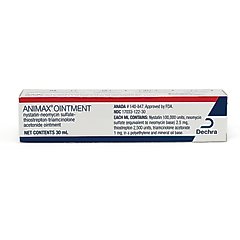
- Ear ointment, such as Animax (for secondary bacterial or yeast infections)
Recommended Product
Ear mites are very contagious, so it’s important to treat all cats in your house, even if only one is showing symptoms. Treatment usually takes four to six weeks.
How Can I Help My Cat Feel More Comfortable?
Cats with ear mites are downright uncomfortable due to the intense itching these parasites cause.
To help with their recovery, try a recovery collar to discourage scratching—which can cause their ears more pain and inflammation—like the All Four Paws Comfy Cone E-Collar or the PawsPik Plush Flower Dog & Cat Recovery Collar.
Recommended Products


Don’t forget to offer a tasty treat if you think it might boost their spirits.
Try the Temptations Classic Blissful Catnip Flavor Soft & Crunchy Cat Treats or the Greenies Feline SmartBites Healthy Indoor Natural Tuna Flavor Soft & Crunchy Adult Cat Treats.
Recommended Products


How Do I Prevent Ear Mites in My Cat?
Pet parents can take a few steps to prevent ear mites. You should:
- Keep your cat up to date on monthly parasite prevention, such as Revolution.
Recommended Product

- Schedule regular wellness exams to promote overall health.
- Regularly wash your cat’s bedding and blankets.
Recommended Products


- If one cat is infected, separate them from noninfected cats. (All cats should be treated.)
FAQs About Ear Mites in Cats
How do you know if your cat has ear mites?
A dark brown debris that resembles coffee grounds within your cat’s ears is an indicator of ear mites. However, the only way to know for sure is to take them to a veterinarian for an exam.
Can you treat ear mites without going to the vet?
No. You should not treat your cat’s ears without seeing a veterinarian. Treatment for ear mites requires a prescription. It is also important to get an accurate diagnosis before treatment begins.
What kills ear mites in cats instantly?
There are no treatments that kill ear mites instantly. It can take four to six weeks for an ear mite infestation to resolve with treatment.
Can ear mites infest your home?
Yes. Ear mites can live in the home, such as on bedding and blankets. It is important to wash these items and vacuum frequently. The mites don’t typically spread to humans, but they can bite humans and be a temporary nuisance.
How long does it take for ear mites to go away in cats?
Generally, it takes four to six weeks for ear mites to resolve with treatment.
Attributions
This content was medically reviewed by Hannah Hart, DVM, Chewy veterinarian.