Colostrum for Cats: What It’s Used For and Whether It Works


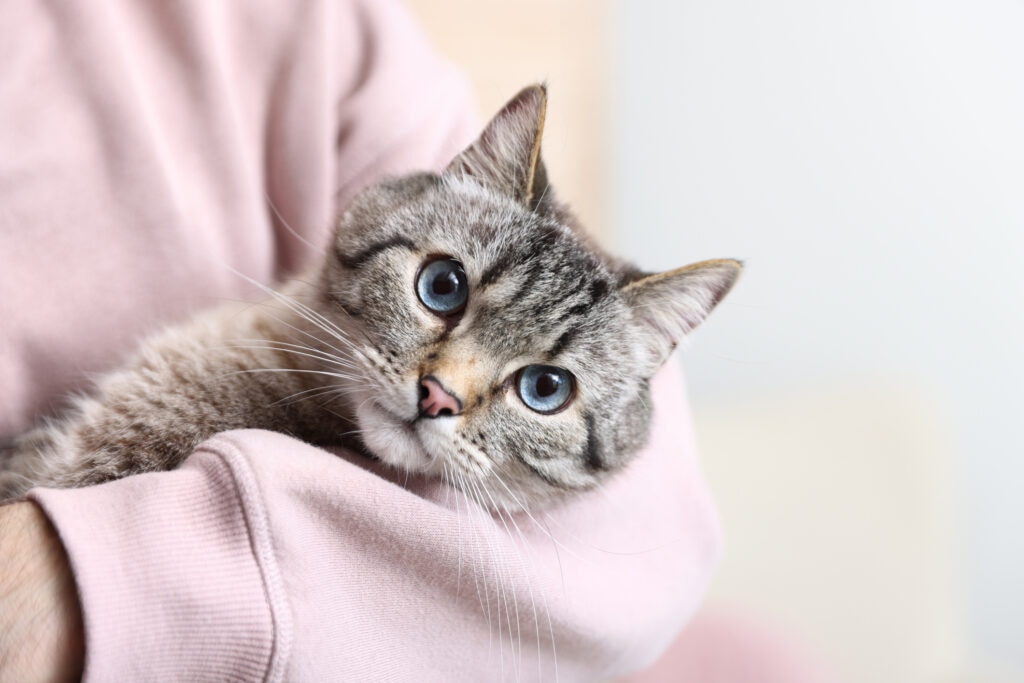
Photo by Olga Yastremska/iStock/Getty Images
Colostrum is the first milk a mother cat makes after birth, and it’s essential for newborn kittens. Natural colostrum helps provide maternal antibodies just after birth to help kittens fight off diseases until they build their own immunity. It’s also perfectly balanced to provide concentrated nutrition and promote healthy gut development in newborn kittens. Since colostrum provides so many benefits for kittens, many cat owners wonder whether colostrum supplements can also help adult cats by supporting healthy immune system function. Unfortunately, there is limited evidence to support colostrum’s use in adult cats.
Key Takeaways
- Colostrum is the first milk produced by a mother cat, and it plays an important role in passive immunity for newborn kittens.
- Colostrum is sometimes included in supplements used to boost immunity or support digestive health.
- Healthy cats who eat a complete and balanced diet don’t usually need extra supplements unless a veterinarian recommends it for a specific reason.
- If your cat is vomiting, having diarrhea, or not acting like themselves, colostrum shouldn’t be used in place of a veterinary evaluation.
Can Cats Take Colostrum?
The colostrum provided in supplements is different from the natural colostrum provided by mother cats. Colostrum in supplements is derived from cows, not cats (most mammals produce colostrum). As a result, cats with sensitivity or allergies to cow’s milk should not be given colostrum to prevent gastrointestinal side effects.
For adult cats without sensitivities, colostrum is generally well tolerated, but there is limited evidence supporting its effectiveness. In fact, most adult cats simply digest the antibodies in colostrum, meaning that it wouldn’t really boost the immune system.
In general, if you’re interested in giving your cat colostrum, it’s a good idea to check with your vet before starting.
How Does Colostrum Work in Cats?
Colostrum contains immunoglobulins, nutrients, and other compounds that support a newborn’s transition to life outside the womb. Kittens are born with an undeveloped immune system and low levels of the antibodies they need to fight off infection. Colostrum provides those antibodies from the mother cat, giving the kitten’s body time to start creating antibodies on its own. Colostrum also plays a role in neonatal digestive tract development and provides concentrated nutrition that kittens need to thrive.
Colostrum supplements are typically sourced from cow’s milk and are marketed as a way to strengthen the immune system and support digestive health. However, there isn’t much research with colostrum in adult cats to support this benefit.
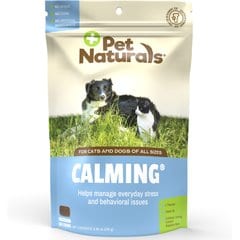
Recommended Products

Potential Side Effects of Colostrum in Cats
Cat-specific safety data for oral colostrum supplements is limited, so it’s best to be cautious. As with any supplement, the main practical concerns are stomach upset, ingredients that don’t always match the label, and the chance that a product contains ingredients other than colostrum.
If your cat has a sensitive stomach, chronic vomiting, diarrhea, or another gastrointestinal problem, they should be seen by a veterinarian rather than being treated with a supplement.
If you have an orphan kitten or newborn kittens who aren’t nursing, a colostrum supplement won’t replace actual colostrum. This is an emergency situation that requires veterinary guidance, as the health of kittens who don’t receive colostrum can rapidly deteriorate.
How to Give Your Cat Colostrum
If your veterinarian thinks colostrum makes sense for your cat, use only the product they recommend and follow their directions closely. Don’t guess about how much to give, mix products, or use a human supplement.
For kittens who don’t receive colostrum, the situation is even more delicate and time-sensitive. Talk to your vet immediately for guidance about how to replace the colostrum newborn kittens need, since colostrum must be ingested during the first hours of life.
What to Do If Your Cat Takes Too Much Colostrum
If your cat eats a large amount of a colostrum supplement, call your veterinarian, an emergency hospital, or the Pet Poison Helpline (855-764-7661) for advice. Keep the package nearby, if it’s available, so you can share the ingredient list with the vet or the poison expert. The risk depends on the product involved, since many supplements contain multiple ingredients and product strength can vary.
Frequently Asked Questions
Do healthy cats need colostrum supplements?
Usually not. Healthy cats eating a complete and balanced diet generally don’t need extra supplements unless a veterinarian has a specific reason.
Is colostrum helpful for newborn kittens?
A mother cat’s colostrum is important for newborn kittens because it helps transfer passive immunity. However, a colostrum supplement doesn’t take the place of natural colostrum.
Can colostrum help my cat’s diarrhea?
There is no strong cat-specific proof that a colostrum supplement can help ease diarrhea. Diarrhea can be due to many causes, so your cat should be checked by a veterinarian rather than trying to manage the condition with a supplement.
Is colostrum the same as kitten milk replacer?
No. Natural colostrum made by a mother cat contains specific immunoglobulins and other beneficial compounds. Milk replacers are formulated to replace milk, not colostrum.
Should I use a colostrum supplement if my cat is sick?
Not without your vet’s input. If your cat is sick, they need a diagnosis and treatment, not a supplement.
Attributions
This article was created with assistance from AI tools. The content has been reviewed for accuracy and edited by a human.
References
- National Institutes of Health. Accessed April 14, 2026. https://pubmed.ncbi.nlm.nih.gov/16600652/
- National Institutes of Health. Accessed April 14, 2026. https://pubmed.ncbi.nlm.nih.gov/27910138/
- National Institutes of Health. Accessed April 14, 2026. https://pubmed.ncbi.nlm.nih.gov/34827992/
- The Importance Of Supplements For Your Pets. Accessed April 14, 2026. https://vetmed.tamu.edu/news/pet-talk/the-importance-of-supplements-for-your-pets/
- Choosing The Right Food For Your Furry Friend. Accessed April 14, 2026. https://vetmed.tamu.edu/news/pet-talk/choosing-the-right-food-for-your-furry-friend/
- Gastrointestinal Disorders In Cats. Accessed April 14, 2026. https://vetmed.tamu.edu/news/pet-talk/gastrointestinal-disorders-in-cats/