Are Spider Plants Toxic to Cats?


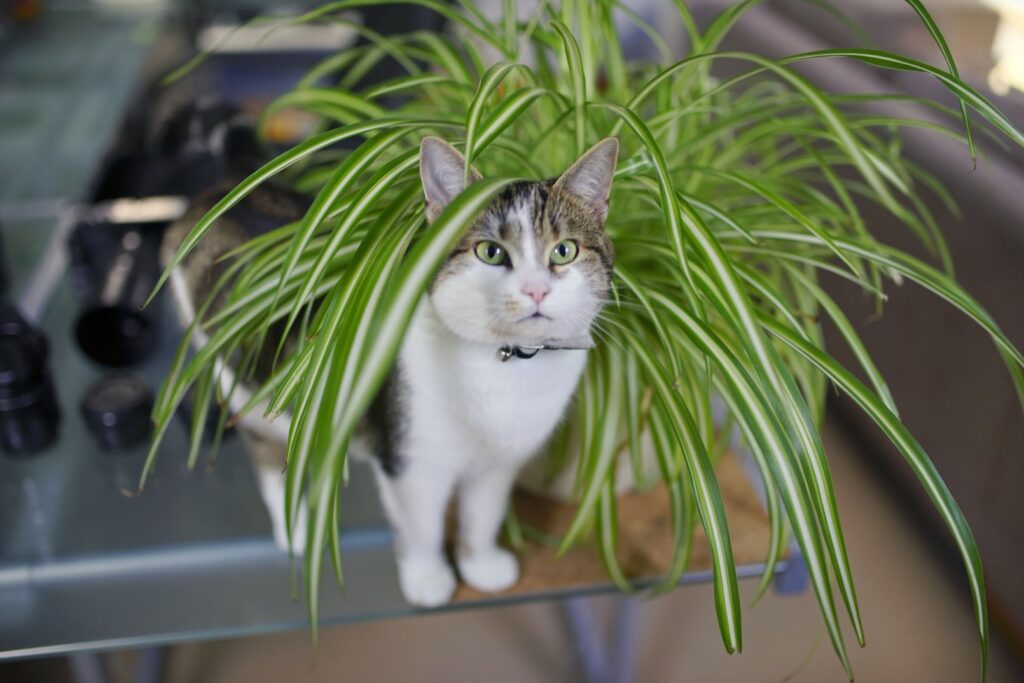
Photo by kodachrome25/iStock / Getty Images Plus via Getty Images
Spider plants aren’t toxic to cats or dogs, so pet parents can breathe a little easier if their curious kitty takes a bite.
But even though the plant is nontoxic, your cat can still develop symptoms if they chomp too much. Here’s what pet parents should know about spider plants and cats, including possible symptoms and how to prevent nibbling.
Key Takeaways
- Spider plants (Chlorophytum comosum) are nontoxic to cats.
- Eating spider plant leaves may cause mild vomiting or diarrhea, even though the plant isn't poisonous.
- Contact your veterinarian if your cat has repeated vomiting, diarrhea, or other concerning symptoms after eating a spider plant.
- Keeping spider plants out of reach and offering cat grass can help discourage nibbling.
- Spider plants can often grow back after being chewed, as long as their roots and growing center remain healthy.
Are Spider Plants Poisonous to Cats?
No, spider plants (Chlorophytum comosum) aren’t poisonous to cats. They are a safe houseplant for homes with cats and dogs.
Spider plants are popular houseplants known for their long, narrow leaves that arch outward from the center. Their leaves are often green with white or cream-colored stripes, giving them a ribbon-like appearance.
These plants also produce small offshoots, sometimes called spiderettes, that hang from long stems. These baby plants give spider plants their distinctive look.
What Happens If My Cat Eats a Spider Plant?
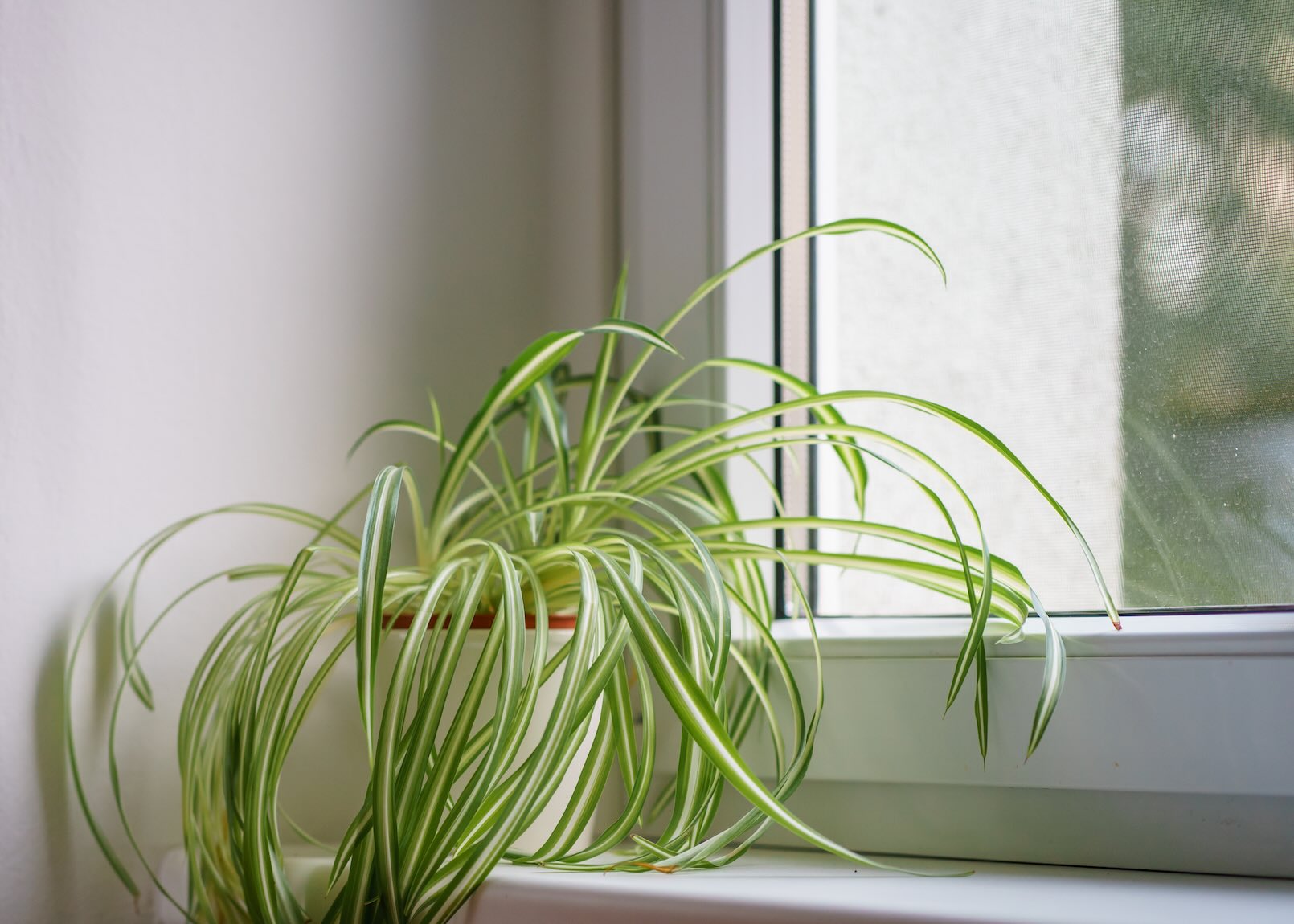
Photo by Anna Zelena/iStock/Getty Images Plus via Getty Images
If your cat eats a spider plant, they’ll likely be fine, especially if they only take a small bite.
However, being nontoxic doesn’t mean your cat should regularly eat the leaves. It’s still best to keep your feline friend from treating your houseplants like a snack.
Some cats may show no symptoms after chewing on spider plant leaves. Others may experience mild digestive upset, including:
If your cat only ate a small piece of a spider plant and seems completely normal, you can monitor them at home for any changes in behavior, appetite, or litter box habits.
Call your vet if your cat:
- Vomits repeatedly
- Has ongoing diarrhea
- Refuses food or water
- Seems unusually tired or weak
- Shows signs of pain or discomfort
Seek emergency veterinary care if your cat has trouble breathing or collapses.
You should also contact your vet if you’re not 100% certain whether the plant your cat ate was actually a spider plant. Some houseplants look similar but can be toxic to cats.
If you suspect your cat ate a poisonous plant, contact your veterinarian or the Pet Poison Helpline (855-764-7661) right away.
How Do I Stop My Cat From Eating My Spider Plant?
Even though spider plants are nontoxic, it’s still a good idea to keep your cat from chewing on them. Not only can repeated nibbling upset your cat’s stomach, but it can also leave your plant looking a little worse for wear.
Here are a few ways to protect both your cat and your greenery.
1. Move Your Plant Out of Reach
Try placing your spider plant somewhere your cat can’t easily access, such as in a hanging planter or a room your cat doesn’t enter.
Remember that cats are excellent climbers and jumpers, and many love being up high. A shelf might not be enough if there’s nearby furniture your cat can use to reach the plant.
Make sure hanging planters are securely attached and don’t have loose cords that could become a hazard.
2. Offer Cat Grass Instead
If your cat seems interested in chewing on greenery, consider offering cat grass as an alternative. Cat grass typically includes grasses such as wheat, oat, or barley grass grown specifically for cats to nibble.
Recommended Products
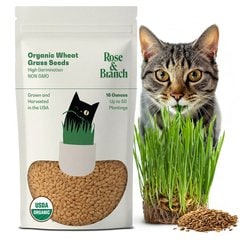


Place the cat grass in an easy-to-reach location and encourage your cat to explore it instead of your spider plant.
3. Provide More Enrichment
Some cats chew on houseplants because they’re bored and looking for something interesting to do. Providing enrichment can help reduce unwanted behaviors like plant-chewing and furniture-scratching.
Offer your cat different toys like plush mice, crinkle balls, colorful springs, and wand toys.
Recommended Products
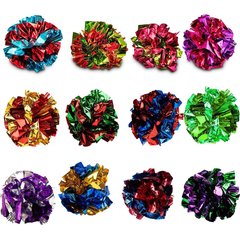
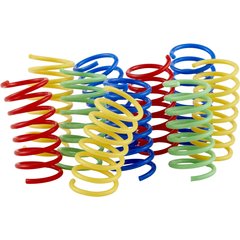
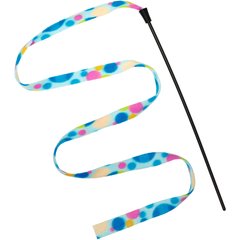
Reward your cat with praise or a treat when they choose an appropriate toy instead of your plant, and rotate your cat’s toys to keep playtime interesting.
Will My Spider Plant Grow Back After My Cat Ate It?
Yes! In many cases, a spider plant can grow back after your cat chews on its leaves.
Spider plants produce new leaves from their central growing area. If that part of the plant and its roots are healthy, the plant may continue growing even after losing several leaves.
However, the damaged portions of individual leaves won’t repair themselves. Instead, the plant will produce fresh growth.
How To Help Your Spider Plant Recover
If your cat has given your spider plant an unwanted haircut, don’t panic. A few simple steps can help the plant recover:
- Remove badly damaged leaves. Use clean scissors to trim leaves that are severely torn or broken. Avoid removing too much healthy growth.
- Provide appropriate light. Place your spider plant in bright, indirect sunlight to support healthy growth.
- Water carefully. Water when the top layer of soil begins to dry, and make sure the pot drains properly. Avoid keeping the soil constantly soggy.
- Protect new growth. Move the plant somewhere your cat can’t reach while new leaves develop.
How quickly your spider plant grows back depends on the amount of damage, growing conditions, and overall plant health. If your cat has eaten nearly all the leaves or damaged the growing center, recovery may take longer and the plant might not survive.
FAQs About Spider Plants and Cats
Are spider plants safe for cats?
Yes, spider plants are safe and nontoxic to cats. However, eating the leaves can still cause mild digestive upset.
Why does my cat keep eating my spider plant?
Cats may chew spider plants out of curiosity, playfulness, or interest in the long, dangling leaves. If your cat frequently eats plants or other non-food items, talk to your veterinarian.
Can spider plants make cats throw up?
Yes. Although spider plants aren’t poisonous, eating their leaves may cause vomiting or other digestive upset. Contact your veterinarian if your cat vomits repeatedly or seems unwell.
Should I get rid of my spider plant if I have a cat?
Not necessarily! Spider plants are considered cat-friendly houseplants. If your cat constantly chews on yours, consider moving it out of reach and offering safe alternatives, such as cat grass.
Attributions
This article was created with assistance from AI tools. The content has been reviewed for accuracy and edited by a veterinarian.