9 Air-Purifying Plants Safe for Cats and Dogs

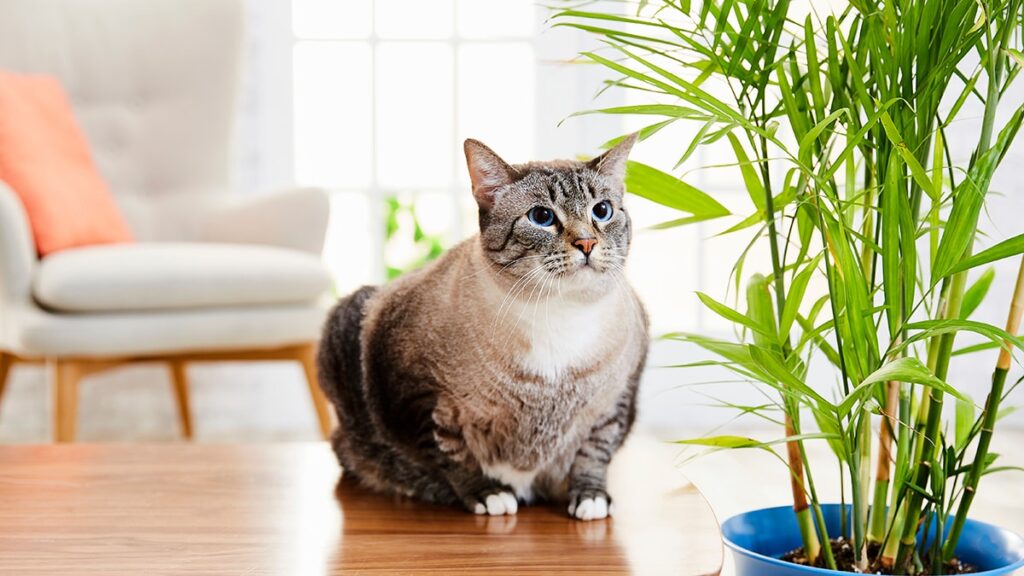
Photo by By Chewy Studios
Houseplants can make our indoor spaces feel fresher, but pet parents should opt for air-purifying plants that are safe for cats and dogs. Many plants can be toxic to cats and dogs if chewed or ingested—and even safe plants should be placed out of reach of pets prone to nibbling foliage.
Here are 9 pet-safe, air-purifying plants to consider, a list of top plants to avoid, plus tips for safeguarding both your pets and your plants at home.
Key Takeaways
- Choosing pet-safe, air-purifying plants that are safe for cats and dogs may enhance air quality in your home.
- Popular pet-safe, air-purifying plants include spider plants, some succulents, and orchids.
- Some plants can be toxic to pets so always confirm safety before bringing a plant home.
- Safeguarding your pet’s health from all plants, both pet-safe and toxic, is a necessary step.
Recommended Products

9 Air-Purifying Plants That Are Safe for Cats and Dogs
We consulted a vet expert and a plant expert to compile this list of beautiful, air-purifying plants that are safe for cats and dogs.
- Areca Palm
- Boston Fern
- Bamboo Palm
- Gerbera Daisies
- Money Tree
- Orchids
- Prayer Plant
- Spider Plant
- Select Succulents
Learn more about each plant and how to care for them, below.
Areca Palm
iStock.com/oksana_nazarchuk
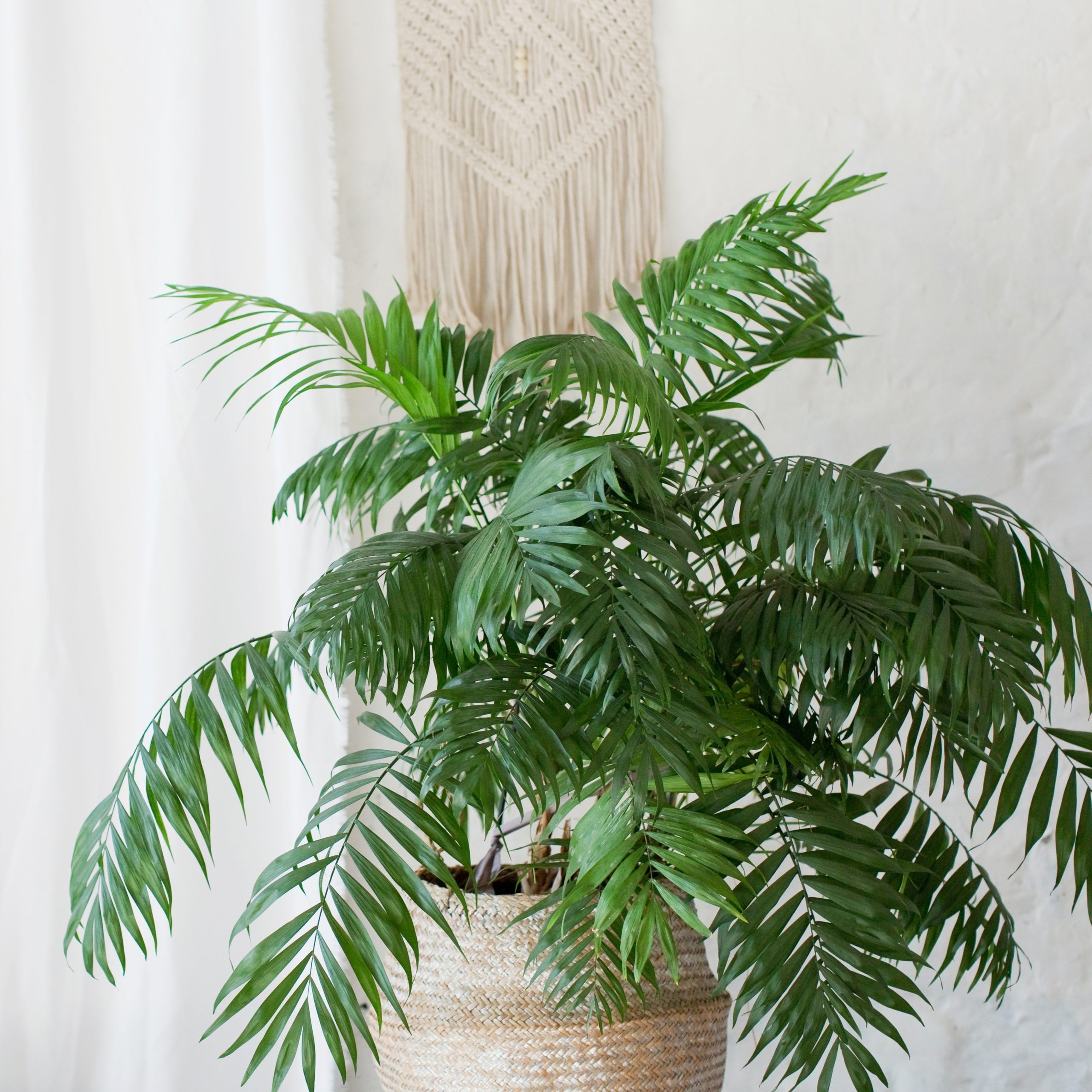
Also known as golden butterfly palm, cane palm, golden feather palm, and yellow palm, McConnell notes this air-purifying plant is entirely pet-friendly.
It helps clear formaldehyde, xylene and toluene from the air and it looks pretty cool while doing it!
You could place one in the part of a room where your pet’s bed is kept to provide a nature-inspired snooze spot.
Bamboo Palm

iStock.com/Maria Saifutdinova
Also known as the parlor palm, the bamboo palm (Chamaedorea seifrizii) is a hardy, low-maintenance air purifying plant with a high shade tolerance.
Its waxy green leaves might be tempting for a plant-partaking pet, and that’s perfectly fine. Bamboo palm plants are safe for dogs and cats, says Angelica Dimock, DVM, a veterinarian at Animal Humane Society in St. Paul, Minnesota.
The bamboo palm will happily and safely share the sunny window seat with your cat or provide the perfect canopy for your dog’s bed.
Boston Fern
iStock.com/JADEZMITH
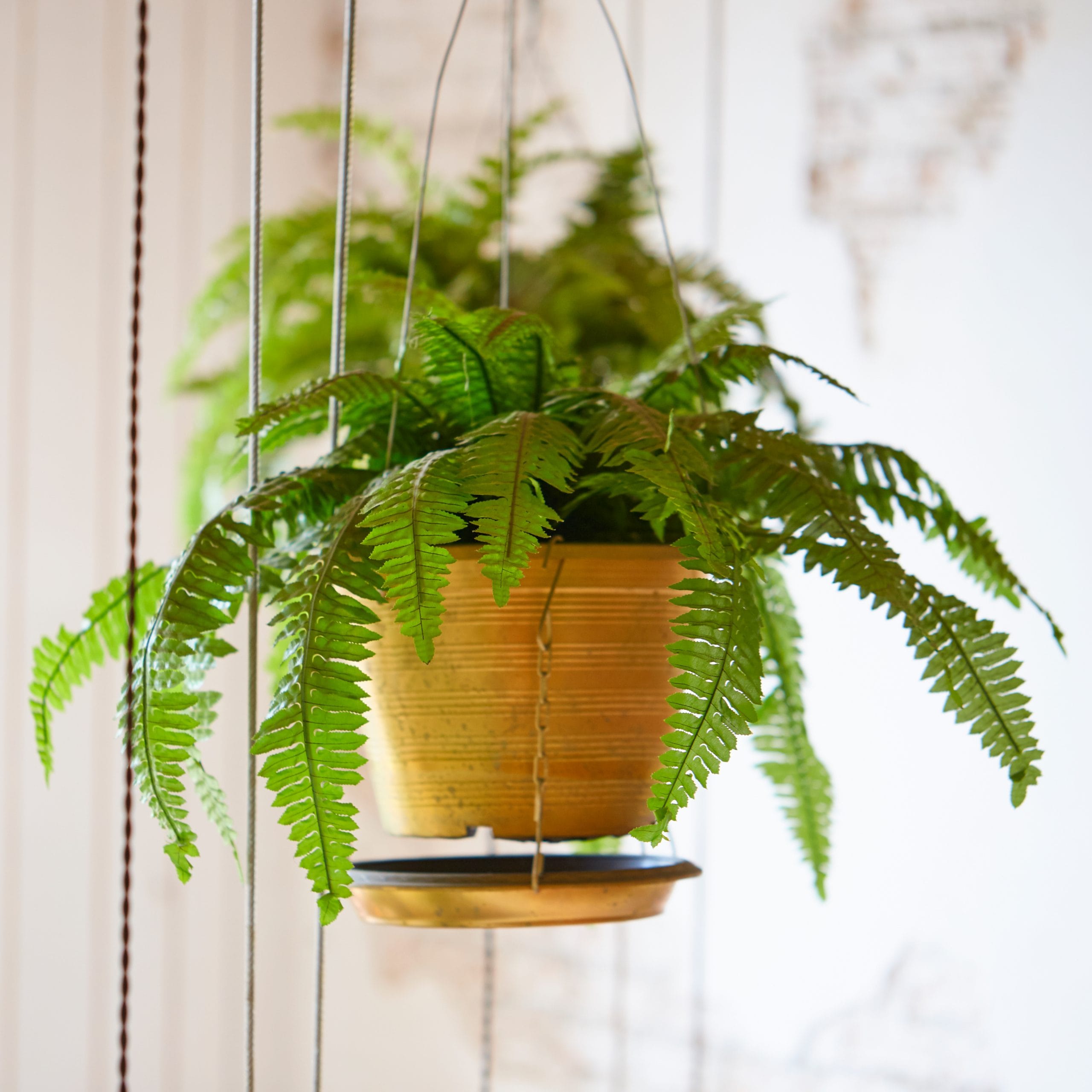
The Boston fern, or Nephrolepis exaltata, is a lush, low-maintenance plant that enjoys frequent misting and indirect light. This pet-safe plant’s love of humidity and air-purifying qualities make it the perfect addition to the bathroom or a shady porch where your dog and cat enjoy a bit of the outdoors.
It might make you happy to learn that along with the Boston fern, almost all ferns are safe for dogs and cats. However, they have to be true ferns, cautions Megan McConnell, plant information director for Monrovia. For example, asparagus fern is not actually a fern and it’s toxic.
If you’re in need of a plant to improve air quality but your space is short on sunlight, McConnell says that most ferns do well in low light. The Boston fern is a pet-friendly plant that can thrive in an area that doesn’t even get indirect sunlight.
Gerbera Daisies
iStock.com/Linda Raymond
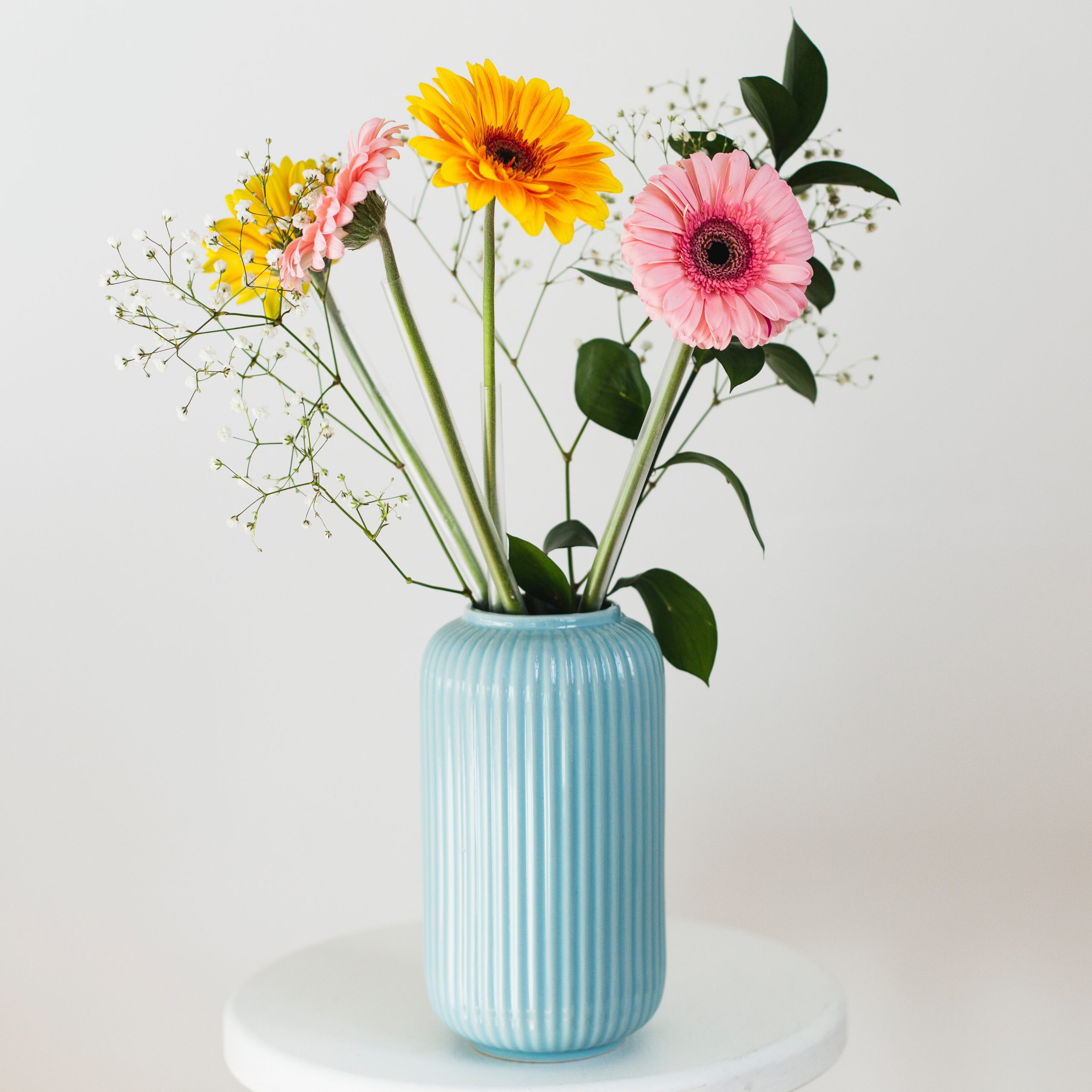
Bright and cheery, gerbera daisies—or Gerbera jamesonii, as they’re officially called—are not only air-purifying plants, but Dr. Dimcock says they also are safe for pets. Plus, they produce beautiful, long-lasting flowers.
The lifespan of a gerbera daisy plant kept indoors tends to max out at three years, according to McConnell.
Prayer Plant
iStock.com/Crystal Bolin Photography
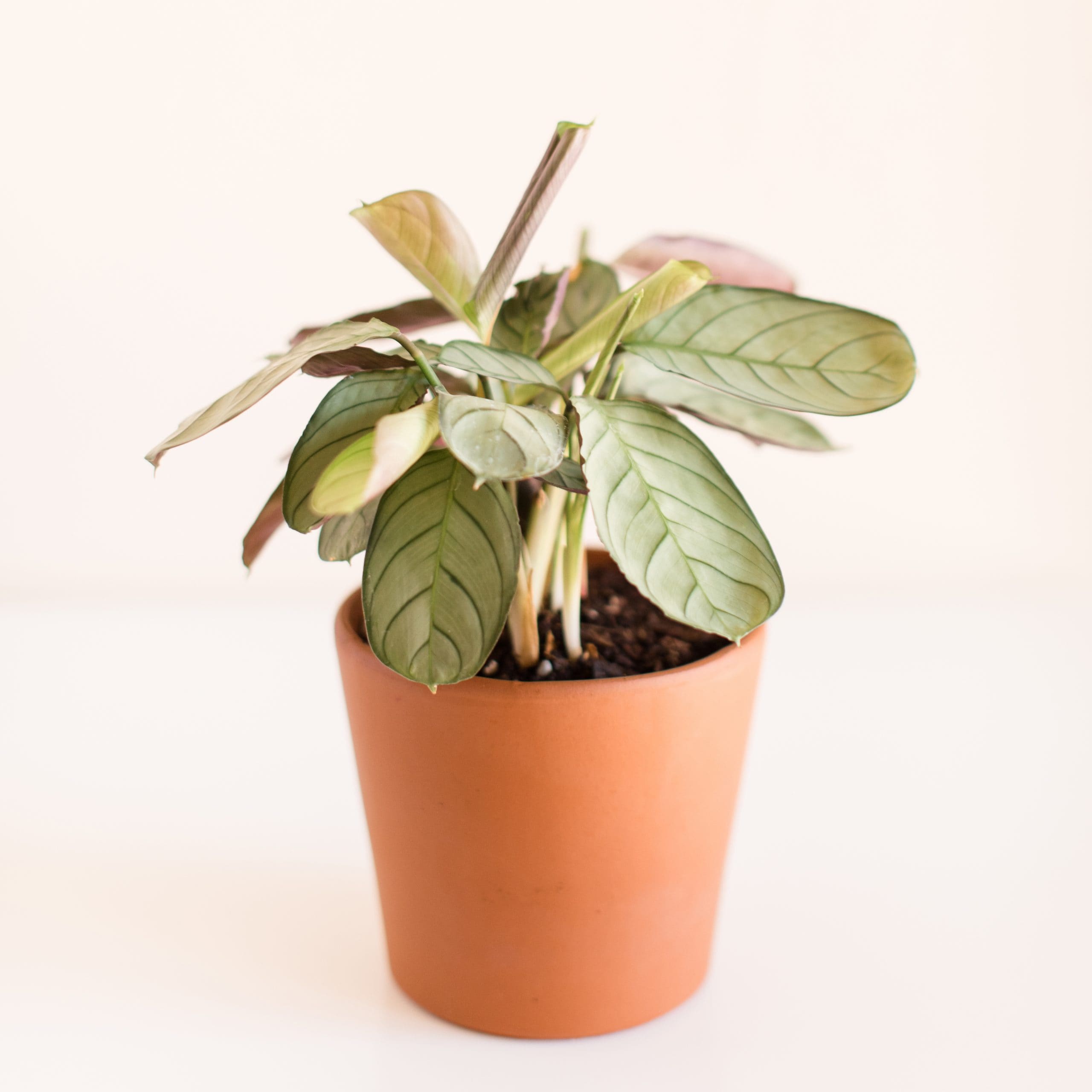
The prayer plant, or Maranta leuconeura, gets its name from the way its green-and-yellow variegated leaves fold together like hands at night, similar to how your dog or cat curls up at bedtime.
Dr. Dimock notes they’re non-toxic plants and they prefer little sunlight, making prayer plants an ideal way to purify the air in your pet’s favorite laundry room or basement hideaway.
Money Tree
iStock.com/Polina Sergeyeva
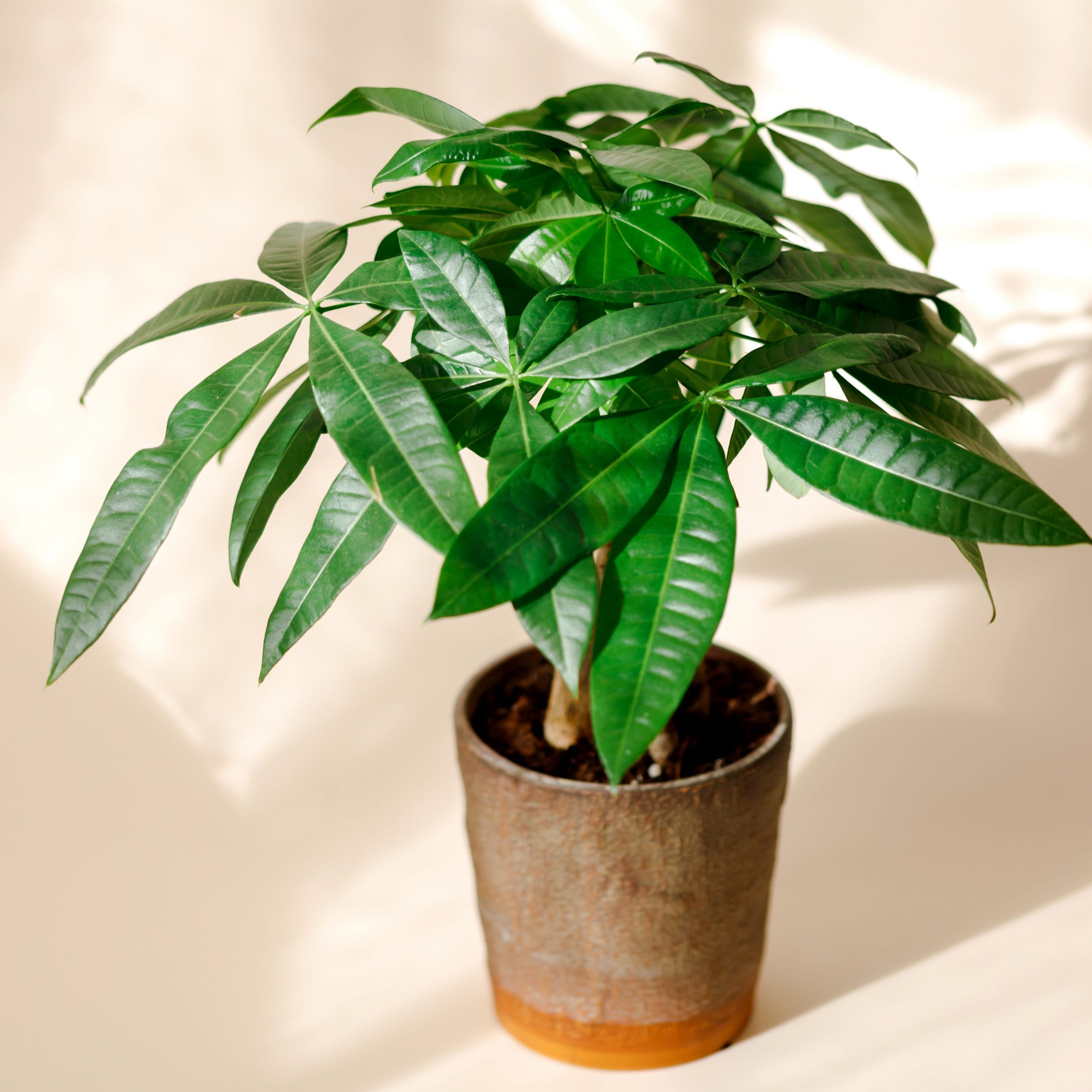
The ASPCA lists the money tree, also known as the money plant, as non-toxic to both dogs and cats. While it unfortunately doesn’t grow actual money, it is good for purifying the air in your abode and the tree’s cool aesthetic adds to your home decor.
Because it prefers bright, indirect sunlight, it’s best to place it close to a window, but not directly in front of one. Perhaps it can be placed next to your pet’s favorite couch.
The money plant is said to bring good luck, and what dog or cat can’t use a little of that?
Orchids
iStock.com/Crystal Bolin Photography
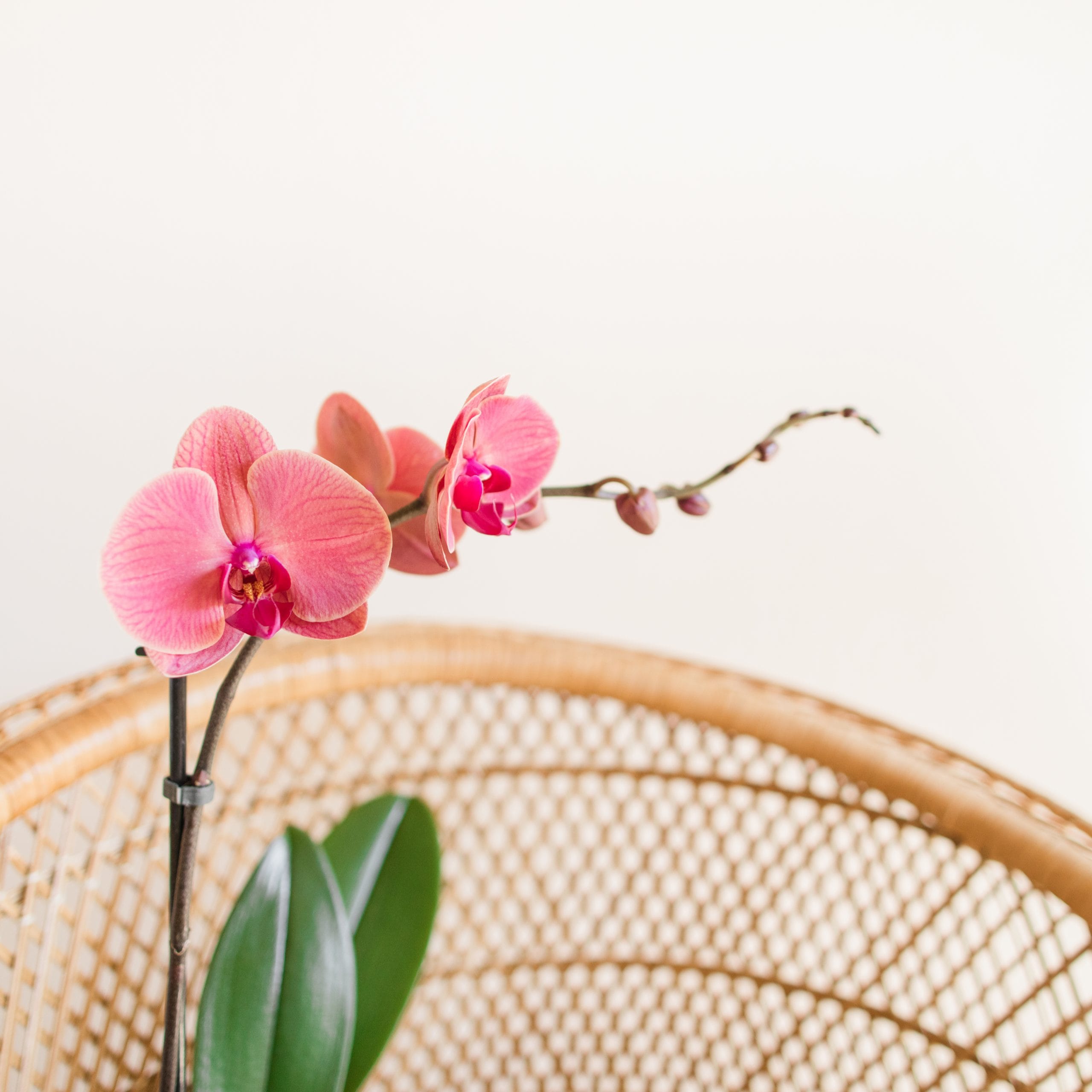
Orchids are definitely safe for our feline and canine friends and they help purify the air. However, McConnell notes that “most people have a hard time getting orchids to bloom again after they first get them.
So, if you’re looking for a plant that has staying power and isn’t too high maintenance, you may want to try something else. (They sure are pretty, though!)
Spider Plant
iStock.com/AHatmaker
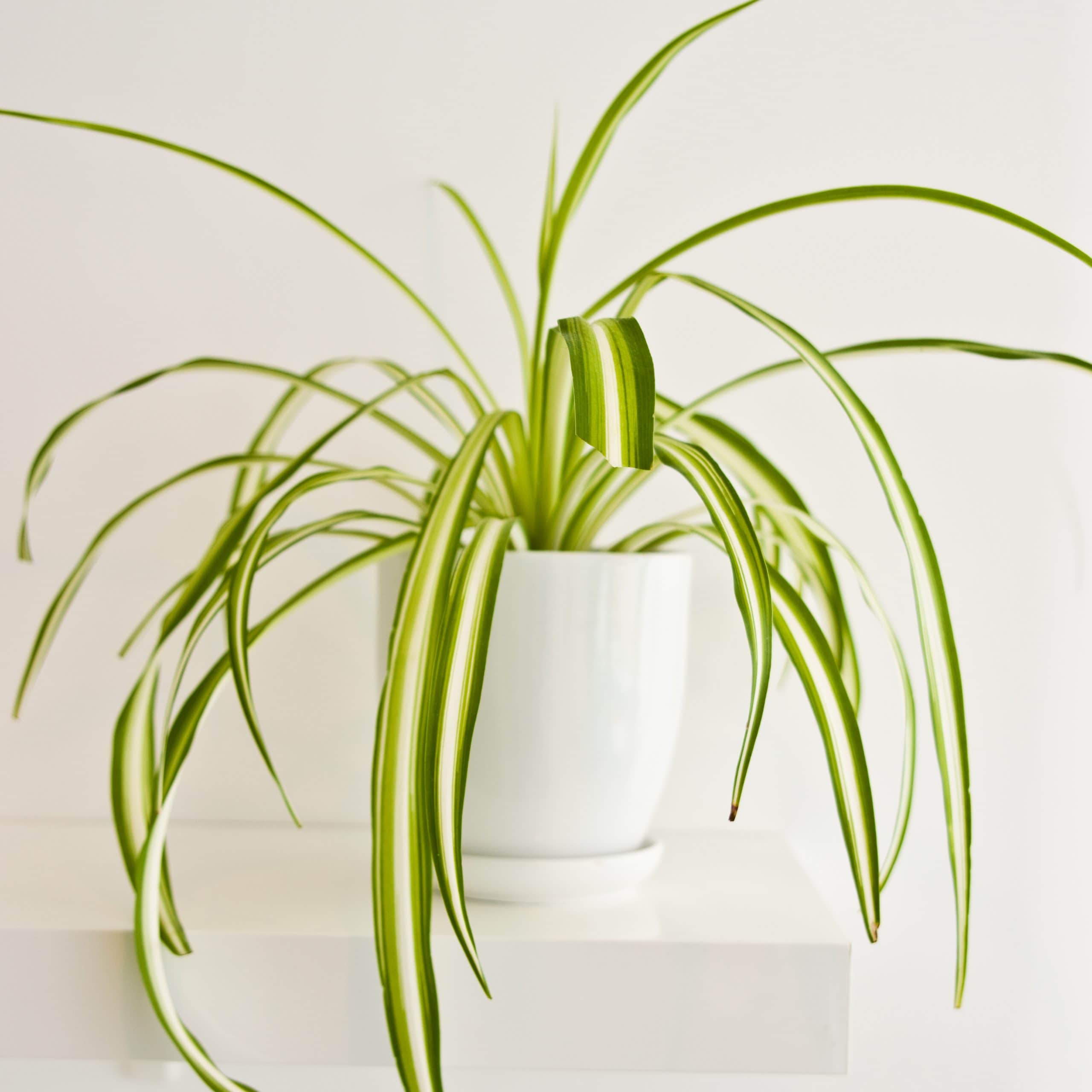
The humble spider plant, also known as Chlorophytum comosum, is another air purifying plant that is safe for pets, Dr. Dimock says. And bonus? It’s easy to maintain and makes a great beginner’s plant. Believe it or not, it actually thrives on neglect.
The spider plant prefers bright-to-moderate indirect light and will sprout clusters of small white flowers.
Place it in a hanging basket or on a shelf near where you and your pet nap so you both can take in clean air while you snooze.
Select Succulents
iStock.com/Crystal Bolin Photography
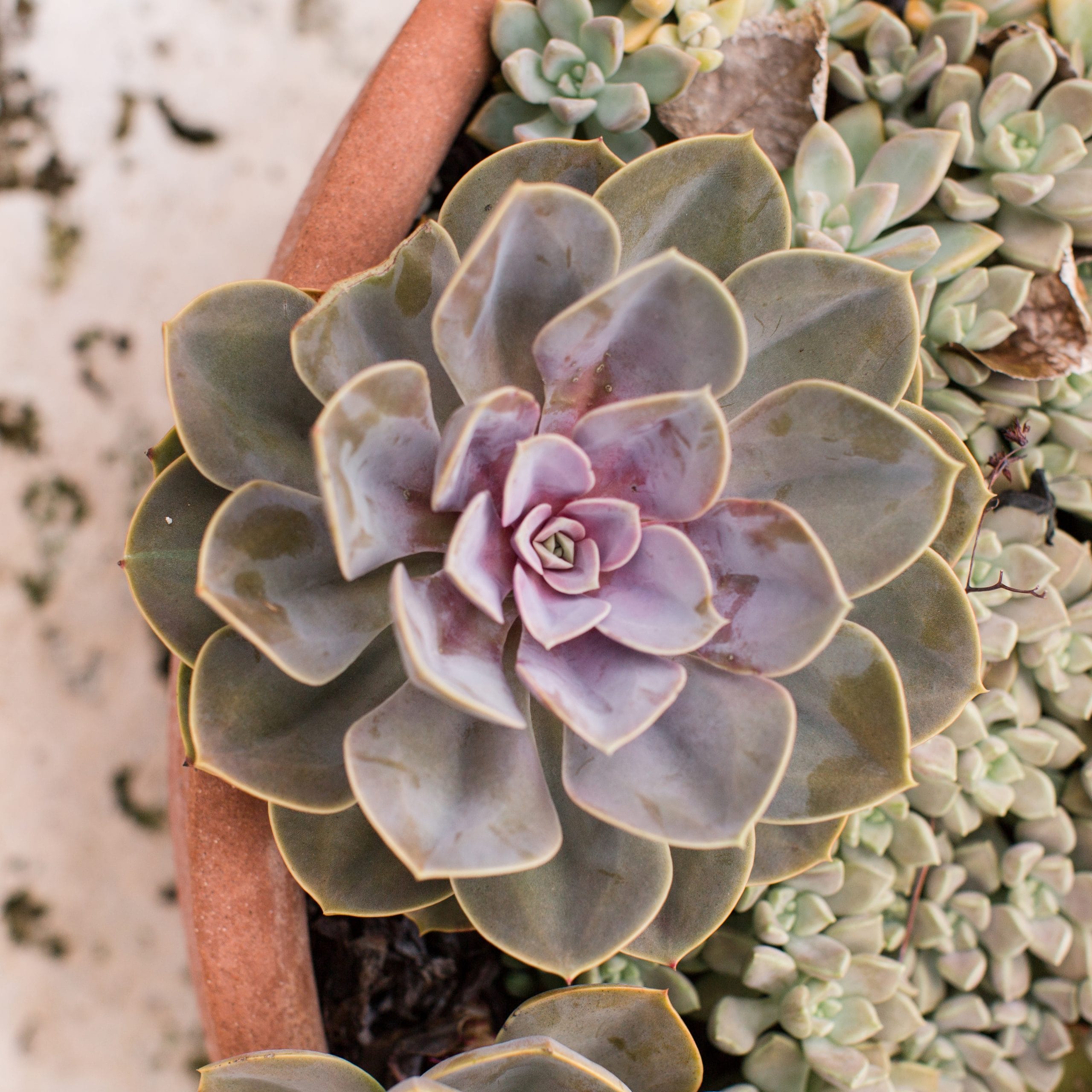
Succulents can help improve your air quality and most are safe for dogs and cats, including Echeveria and Haworthia.
Do note, though, that aloe plants are toxic to pets.
Of course, what makes succulents such an attractive option is they’re generally much easier to keep alive (for those of us whose green thumb doesn’t shine too bright).
Place a small non-toxic succulent garden in your cat’s favorite windowsill. Just be sure to leave enough room for your feline!
Air-Purifying Plants to Avoid If You Have Pets
iStock.com/Crystal Bolin Photography
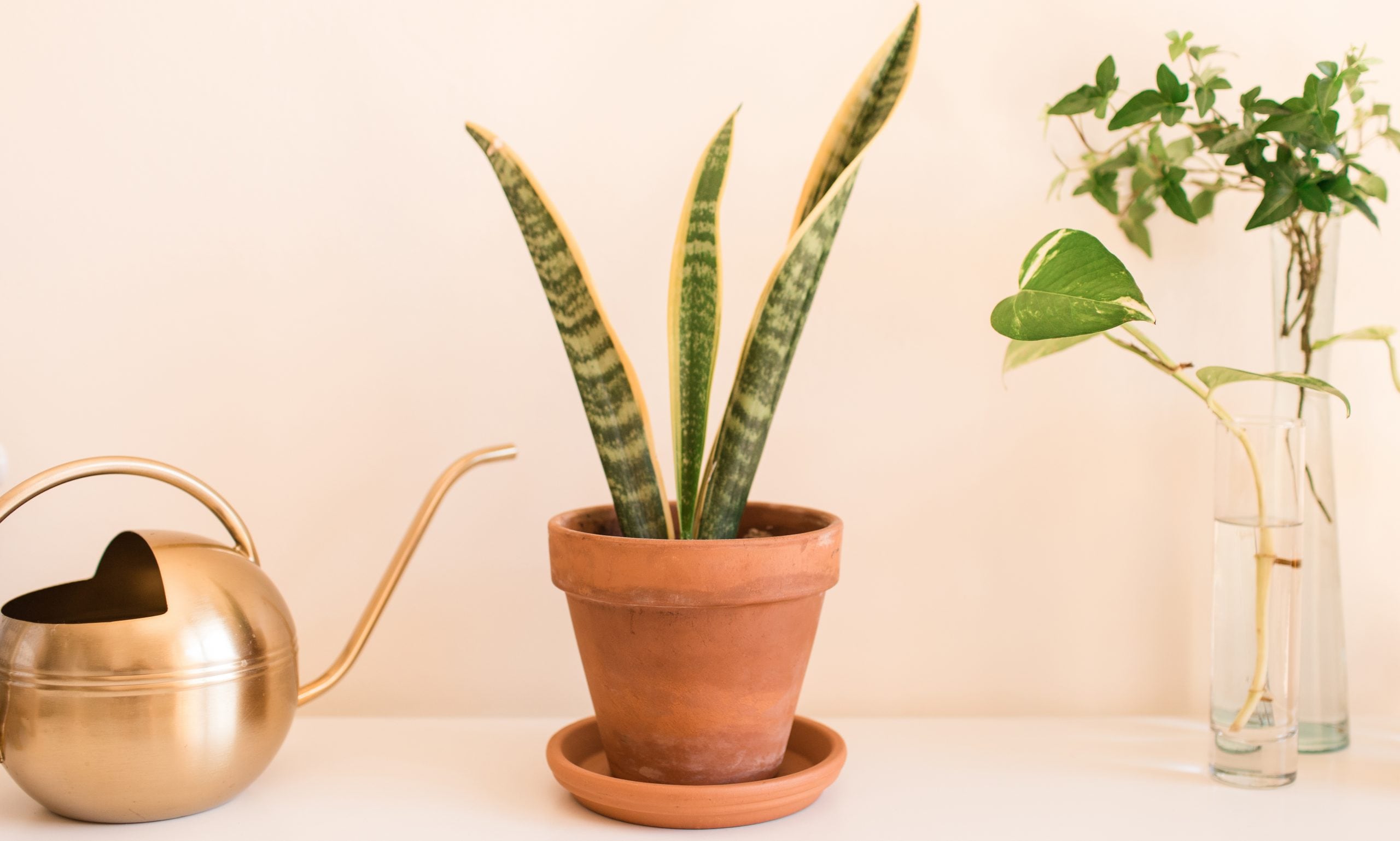
A word of caution: other air-purifying plants may not be safe for your cat or dog—and these toxic plants can cause your pet to experience mild illness, or even death, if ingested. These include:
The list includes:
- Aloe vera
- Dracaena
- English ivy
- Jade
- Oleander
- Peace lily (toxic to cats only)
- Philodendrons
- Pothos plants
- Rubber plants
- Sago palm
- Snake plants
- Weeping figs
Review our lists of plants that are toxic to cats and plants that are toxic to dogs, and visit a trusted source like the Pet Poison Helpline.
Can Indoor Plants Really Help Purify the Air?

iStock.com/Maryviolet
While there is some debate about the efficacy of plants purifying the air in our homes, plants are known to absorb carbon dioxide through their leaves and convert it into oxygen through the process of photosynthesis. Pet-safe, air-purifying houseplants are a natural way to add beauty and oxygen to the space you and your pet share.
According to a NASA study, plants are effective in absorbing and converting other toxins from the air in a sealed environment into less harmful substances. NASA’s study showed that contaminants like benzene, formaldehyde, and trichloroethylene—which are found in synthetic building materials—were removed from the air. Here’s how it works: Plants give off water vapor, which functions like a pump to pull contaminants down into the roots where they are made into food for the plant.
We spend much of our time indoors with our pets. Plants, when combined with proper air circulation, can help relieve burning eyes, breathing difficulties, and associated symptoms. You can combine plants with air purifiers to help capture pet fur, dander, and airborne particles.
How to Keep Curious Cats and Dogs Away from Houseplants
The easiest way to keep curious cats and dogs away from all houseplants is to create physical barriers between your pet and plants—particularly when your pet is unsupervised. Why do cats eat plants? Cats and dogs are inquisitive creatures, and it’s quite common for cats especially to show an interest in plants—often out of innate curiosity or to sample the plant’s taste and texture.
For cats, you can prevent chewing and ingestion by keeping your cat off counters and placing plants out of your cat’s reach. Since cats can jump to high places, place your plants in another room when your cat is unsupervised, or for a more interactive solution, introduce a catio or indoor cat enclosure for times when you need to leave the house.
For dogs, keep plants out of reach by using a dog gate or a dog crate when your dog is unsupervised.
Before bringing any plant into your home, ensure that the plant variety is pet-safe; you can reference our lists of plants that are toxic to cats or reference plants that are toxic to dogs, or consult a trusted source like the Pet Poison Helpline.
Recommended Products

Air-purifying plants are a natural and beautiful way to help remove contaminants from the home you and your pet share. Reap all of the benefits by opting for those that are safe and avoid plants that are toxic to cats and dogs. Once you’ve greened up your home, you can take additional steps to create a happy and healthy home with pets.
FAQs About Air-Purifying Plants That Are Safe for Cats and Dogs
Which air-purifying plants are safe for cats and dogs?
Plants that are safe for cats and dogs that will also purify the air in your home include: the Areca palm, Boston fern, Bamboo palm, Gerbera daisies, Money tree, Orchids, the Prayer plant, and select Succulents. Always confirm the exact plant type and ensure it’s safe before bringing it into your home with pets.
Are air-purifying plants safe if my cat chews or eats them?
It’s always best to prevent chewing and you can do so by keeping your cat off counters and placing pet-safe plants out of your cat’s reach. Place your pet-safe plants in another room when your cat is unsupervised or introduce a catio or indoor cat enclosurefor times when your cat is unsupervised.
Always choose pet-safe, air-purifying plants and identify the exact plant variety before bringing any new plant into your home. You can reference our list of plants that are toxic to cats or a trusted source like the Pet Poison Helpline..
Are air-purifying plants safe if my dog chews or eats them?
It’s best to avoid chewing and ingestion, even with pet-safe, air-purifying plants—and you can keep these out of reach with a dog gate or a dog crate when your pet is unsupervised.
A pet-safe plant is always a better choice, so be sure to identify the exact plant variety before bringing it into your home. You can reference our list of plants that are toxic to dogs or use a trusted source like the Pet Poison Helpline..
Which air-purifying plants should pet parents avoid?
Pet parents should avoid any plant known to be toxic to cats or dogs. Before buying a houseplant, verify that the plant variety is pet-safe using a trusted source such as the Pet Poison Helpline..
Attributions
Expert input provided by Angelica Dimock, DVM, a veterinarian at Animal Humane Society in St. Paul, Minnesota; and Megan McConnell, plant information director for Monrovia. Additional reporting by Laura Willard.