Are Spider Plants Toxic to Dogs?



Photo by Anna-av/iStock/Getty Images Plus via Getty Images
You turn around to find your dog happily munching on the long, dangly leaves of your spider plant. Your concerned dog-parent brain kicks in and you wonder: Are spider plants toxic to dogs?
Good news: Spider plants are considered nontoxic to dogs. So, if your pup sneaks a bite (or a few), there’s no need to panic. That said, eating too much plant material—even from nontoxic plants—can still upset their stomach.
So, what should you do if your dog snacks on a spider plant, and when might a call to your vet be a good idea? Here’s what every pet parent should know.
Key Takeaways
- Spider plants are generally nontoxic to dogs.
- Eating them may still cause mild gastrointestinal upset (vomiting or diarrhea).
- Most cases are not serious, but monitoring your dog is important.
- Contact your veterinarian if symptoms persist or worsen.
Are Spider Plants Toxic to Dogs?
Spider plants (Chlorophytum comosum) are considered nontoxic to dogs, according to the ASPCA toxic and nontoxic plants database. However, eating a large amount can still cause mild digestive upset, even though the plant itself isn’t toxic.
Symptoms if a Dog Eats a Spider Plant
So, why might a dog feel crummy after eating a nontoxic plant? Spider plant leaves contain fibrous plant material that can be difficult for dogs to digest, particularly in large amounts. This can irritate the digestive system and lead to mild symptoms, such as:
These symptoms are generally mild and short-lived. If they continue, worsen, or your dog seems otherwise unwell, contact your vet or take them to a pet emergency clinic.
What To Do if Your Dog Eats a Spider Plant
Just discovered your dog ate some of your spider plant? This generally isn’t cause for concern, but there are still a few things you’ll want to do.
- Move the plant out of reach. To prevent them from eating more, move the plant somewhere your pup can’t access, pick up any fallen pieces, and remove any plant material from your dog’s mouth (if you can do so safely).
- Figure out how much they ate. Check the plant for missing or chewed leaves and look around for any pieces your dog may have spit out. You probably won’t be able to determine an exact amount, but a rough estimate can be helpful if you end up calling your vet.
- Keep an eye on them. Watch for vomiting, diarrhea, decreased appetite, or other changes in how your dog is acting.
- Know when to call your vet. Check in with your vet if symptoms continue or worsen. If you’re unsure, it’s always OK to call for guidance.
How To Keep Your Dog From Eating Houseplants
Dogs may nibble on plants out of curiosity, boredom, or simply because they enjoy the taste or texture.
But even when your houseplants are dog-safe, it’s still a good idea to discourage the habit, as too much plant material can cause stomach upset. (Plus, you probably don’t want your carefully tended plants getting munched to bits!)
Try these tips to keep plant eating to a minimum:
- Move plants out of reach. Place houseplants on high shelves, in hanging planters, or in rooms your dog can’t access.
- Teach “leave it.” A solid “leave it” cue can help you redirect your dog when you catch them making a beeline for a houseplant.
- Stick with dog-safe plants. Even with precautions in place, a determined pup may still find a way to get their paws on your plants. Choosing nontoxic houseplants—such as Boston ferns, Phalaenopsis orchids, parlor palms, and gerber daisies—adds an extra layer of protection if your dog does manage to sneak a bite.
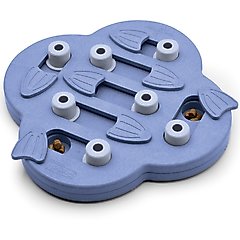
- Prevent boredom. Bored dogs may be more likely to get into things they shouldn’t. Provide plenty of exercise, playtime, training, puzzle toys, and other enrichment to keep your pup physically and mentally engaged.
Recommended Products

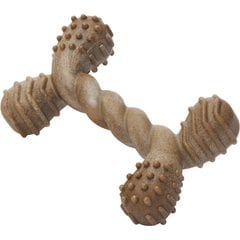
- Offer something better to chew. If your dog loves chomping on your houseplants, redirect them to something more appropriate, such as a chew toy or long-lasting chew.
Recommended Products

FAQs About Spider Plants and Dogs
Is spider plant toxicity in dogs a concern?
Fortunately, no. Spider plants are considered nontoxic to dogs, so they don’t pose the poisoning risk that many other common houseplants do.
What happens if a dog eats a spider plant?
Your pup may have no reaction at all. If they eat a larger amount, though, the plant material may upset their stomach and cause mild vomiting or diarrhea.
Are spider plants safe for dogs to be around?
Yes. You can keep spider plants in a home with dogs, though it’s still a good idea to discourage plant munching (for the sake of both your pup’s tummy and your plant!).
Why does my dog keep eating plants?
Dogs may nibble on plants out of curiosity, boredom, or simply because they like the taste or texture. If your dog frequently eats plants or the behavior suddenly increases, check in with your vet to rule out an underlying issue.
Are spider plants poisonous to dogs?
No. Although the terms “poisonous” and “toxic” are sometimes used interchangeably, spider plants are considered neither poisonous nor toxic to dogs.
Are spider plants toxic to cats?
No, spider plants are considered nontoxic to cats. However, eating a large amount may still cause mild digestive upset.
Attributions