Upset Stomach in Dogs: Causes, Signs, and What to Do
Sponsored by



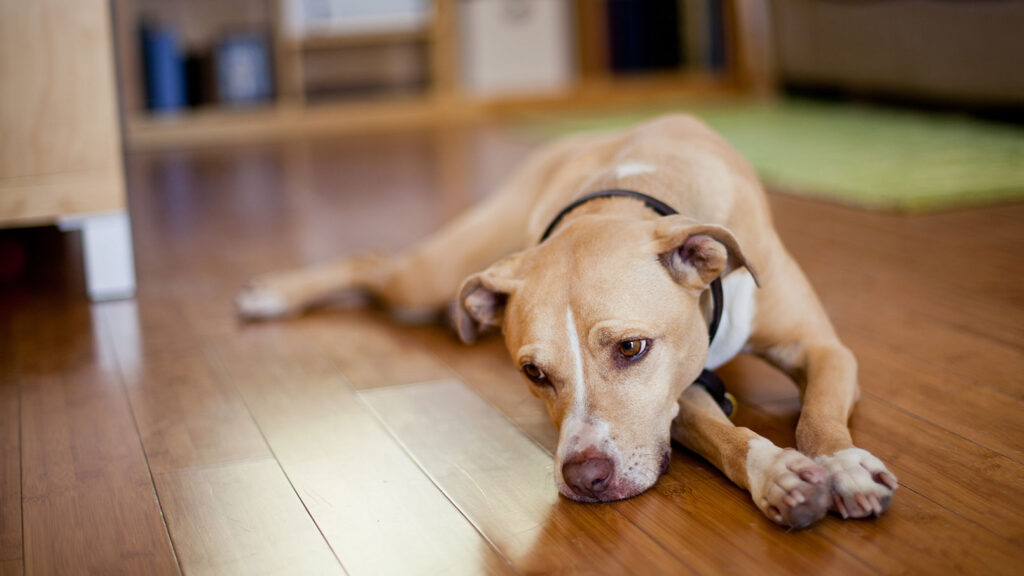
Photo by AMR Image/E+/Getty Images
Dogs can get tummy aches, just like us.
Upset stomach in dogs happens when the digestive tract becomes irritated or inflamed. Common signs include vomiting, diarrhea, and a decreased interest in food. Sometimes the cause is minor, like your dog eating something that doesn’t agree with them, but other times it can point to something more serious, such as an infection, obstruction, parasites, toxin exposure, or disease.
Treatment depends on what’s causing the upset and may involve monitoring at home or veterinary care. In some cases, a diet specially formulated for digestive health, such as Purina Pro Plan AdvantEDGE Digestive Support Plus Dog Food, may help.
By understanding the causes and signs of an upset stomach, you’ll be better prepared to decide when it’s OK to keep a close eye on things at home and when it’s time to call your vet.
Key Takeaways
- Upset stomach in dogs usually involves vomiting, diarrhea, or appetite loss.
- Causes range from dietary issues and stress to parasites, toxins, obstructions, or illness.
- Some cases improve with careful monitoring and nutrition; others require veterinary care.
- Targeted diets with digestive support can be part of a long-term plan.
- Contact your veterinarian right away if symptoms are severe, persistent, or you suspect your dog ate something harmful.
What Is an Upset Stomach in Dogs?
What we commonly call an upset stomach refers to irritation of the stomach and/or intestines.
“Mucus lines the inner walls of your dog’s stomach to protect it from acids while food is being digested,” says Boaz Man, DVM, owner and medical director of Boca Midtowne Animal Hospital in Boca Raton, Florida. “Bacterial, viral, and parasitic issues, foreign bodies, or systemic diseases can lead to gastritis, or inflammation of this stomach lining.”
In some cases, both the stomach and intestines become inflamed, which is known as gastroenteritis.
Dogs with gastritis or gastroenteritis can experience a range of digestive symptoms.
Signs of an Upset Stomach in Dogs
The following signs may indicate gastrointestinal upset in dogs:
- Vomiting
- Diarrhea (with or without blood/mucus)
- Loss of appetite
- Excessive drooling
- Lethargy
- Abdominal discomfort
Call your veterinarian if symptoms are severe, recurring, or last more than 24 hours.
12 Common Causes of Upset Stomach in Dogs
- Bacterial infections: Infection or overgrowth of bacteria in the gastrointestinal tract, leading to GI problems.
- Certain human foods: Acidic, spicy, fatty foods, or food that is spoiled, such as when your pup gets into the garbage.
- Chronic stress or anxiety: This can decrease appetite, lead to stomach ulcers or a damaged stomach lining, and cause vomiting.
- Diet change: Sudden changes in diet can affect the gut microbiome and other aspects of the GI tract and cause diarrhea or vomiting.
- Food allergies: Sensitivities to certain ingredients can cause stomach inflammation.
- Foreign bodies: Ingested toys, clothing, or other objects may become lodged in the intestinal tract. This can become a surgical emergency.
- Medical conditions: Liver and kidney disease, inflammatory bowel disease, pancreatitis, and some neurological diseases cause GI issues.
- Medications: Antibiotics, steroids, non-steroidal anti-inflammatories, or other medications can irritate the stomach.
- Motion sickness: Riding in the car can cause motion sickness and nausea in some dogs.
- Parasites: Worms and microscopic organisms such as giardia cause GI problems.
- Toxins: Certain plants, chemicals, and human foods may be toxic.
- Viral infections: These include parvovirus, which causes severe stomach upset.
What to Do if Your Dog Has an Upset Stomach
Symptoms of an upset stomach in dogs can be quick to come and go, lasting only a day or two, which wouldn’t usually constitute an emergency visit unless they’re especially severe. But if symptoms persist, it can indicate the possibility of a more serious problem.
“Determining if it’s an emergency depends on how severe the symptoms are, how long they’ve gone on for, and the size and age of your dog,” Amy Attas, VMD, founder of City Pets, explains. Small dogs, puppies, and older dogs are especially susceptible to more serious problems.
Seek Emergency Veterinary Care Immediately If
Your dog has severe or potentially life-threatening signs, such as:
- Continuous vomiting or diarrhea
- Blood in vomit or stool
- Extreme lethargy, weakness, or collapse
- Signs of significant abdominal pain or bloating
- Suspected ingestion of a toxin or foreign object
Call Your Veterinarian for Advice If
Your dog shows ongoing or concerning symptoms, including:
- Vomiting or diarrhea lasting longer than 24 hours
- Decreased appetite or refusing food
- Repeated episodes of stomach upset
- A history of digestive disease or other chronic illness
Your veterinarian can help determine next steps and whether an exam is needed.
Monitor Your Dog at Home If
Your dog has mild, short-lived symptoms, such as:
- One episode of vomiting or soft stool
- Normal energy level and behavior
- Continued interest in food and water
If symptoms resolve quickly, no treatment may be needed. Contact your veterinarian if signs return or worsen.
When in doubt, it’s best to call your emergency veterinary hospital for guidance. They may tell you that you can wait until your regular vet can see you or advise you to bring your dog to the hospital immediately for treatment.
How Do Vets Diagnose an Upset Stomach in Dogs?
If your dog has an upset stomach, your veterinarian may use the following to determine the cause:
- A complete physical exam and medical history
- Diagnostic tests, such as blood work, fecal checks, and urine tests
- Imaging, such as X-rays or an ultrasound of the abdomen, to get a better look at your dog’s digestive system—especially if they suspect a foreign body
Sharing details about recent diet changes (including new supplements), potential toxin exposures, and symptom progression helps guide diagnosis.
“Be honest with your vet about any new food, treats, or table food your dog has ingested,” Dr. Man says. “It’s also important to let them know about any potential toxins your dog may have gotten into, including medications, house plants, cleaners, chemicals, drugs, or rat poison.”
Dr. Attas adds that pet parents should let their vet know if they frequently visit dog parks or doggy day care. Viruses, bacteria, and parasites can easily be passed from dog to dog in these locations, even if they’re fully vaccinated.
Treatment of Upset Stomach in Dogs
Treatment for an upset stomach in dogs can range from oral medications to hospitalization and intensive care, depending upon the underlying cause.
Your vet may recommend:
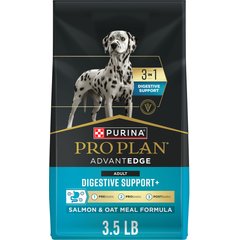
- A bland or specially formulated GI diet, like Purina Pro Plan AdvantEDGE Digestive Support Plus Dog Food
Sponsored
Recommended Product
- IV or subcutaneous fluids for dehydration
- Antibiotics for a bacterial infection
- Antinausea medication, such as Cerenia
- Antacids, such as omeprazoleor famotidine
- Probiotics and fiber supplements
- Pain medication, which may be oral or injectable
- Plasma or blood transfusions
- Deworming or antiparasitic medications
- Surgery for obstructions
If your dog has ingested a toxin, your vet may induce vomiting or administer activated charcoal to prevent it from being absorbed.
How Do I Prevent Upset Stomach in Dogs?
The best way to prevent an upset stomach in your dog is to stay aware of their diet and habits.
- Prevent scavenging: If your pup is a notorious scavenger, keep the garbage locked away, or find one with a lid that your dog can’t get into. Same goes for litter boxes—keep your pup from eating any cat feces or compacted litter.
- Stay up to date on vaccinations: Keep your dog up to date on their vaccines, including parvovirus, which can affect a dog’s GI tract. This is especially important in puppies.
- Check toys and chews: Monitor toys while your dog chews on them so they don’t ingest foreign materials. If a bone is getting small, or you notice cracks or chunks missing on toys, toss them.
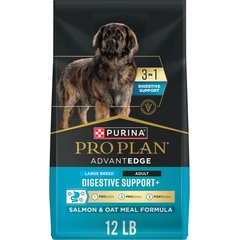
- Provide proper nutrition: Dogs with sensitive digestion may do better on a diet designed for digestive health, such as Purina Pro Plan AdvantEDGE Digestive Support Plus Salmon & Oat Meal Formula. Made with highly digestible ingredients, AdvantEDGE Digestive Support Plus includes prebiotics to nourish beneficial bacteria in the gut, probiotics to maintain microbiome balance, and postbiotics to support immune health through the gut.
Sponsored
Recommended Products

Dog Upset Stomach FAQs
What helps a dog’s upset stomach?
Feeding your dog a bland diet or adding probiotics to their food can help settle an upset stomach. In some cases, a dog food formulated for digestive health, such as Purina Pro Plan AdvantEDGE Digestive Support Plus Dog Food, may also support gut balance with targeted nutrients like prebiotics, probiotics, and postbiotics.
It’s best to contact your vet for guidance since next steps depend on what’s causing the upset. Some cases require veterinary treatment, such as bacterial infections or ingesting toxins.
How long does an upset stomach last in a dog?
How long a dog’s upset stomach lasts will depend on what’s causing it. Symptoms may be fleeting, lasting only a day or two, but if they persist longer than that, it’s imperative to get them to a vet. Vomiting and diarrhea can lead to severe dehydration, which can be fatal if not treated quickly.
What human medicine can I give my dog for an upset stomach?
Over-the-counter meds like omeprazole or famotidine may help your dog’s upset stomach (depending on what the underlying problem is) but only give them under your vet’s guidance. Many human medicines can be toxic to dogs, so never give them something that your vet didn’t prescribe.
How do I know if my dog’s upset stomach is serious?
An upset stomach may be serious if your dog has repeated vomiting or diarrhea, blood in the stool or vomit, severe lethargy, abdominal pain, or symptoms that last longer than 24 hours. Puppies, senior dogs, and dogs with existing health conditions should be seen by a veterinarian sooner.
Attributions