Pancreatitis in Dogs: What To Know for Your Pup

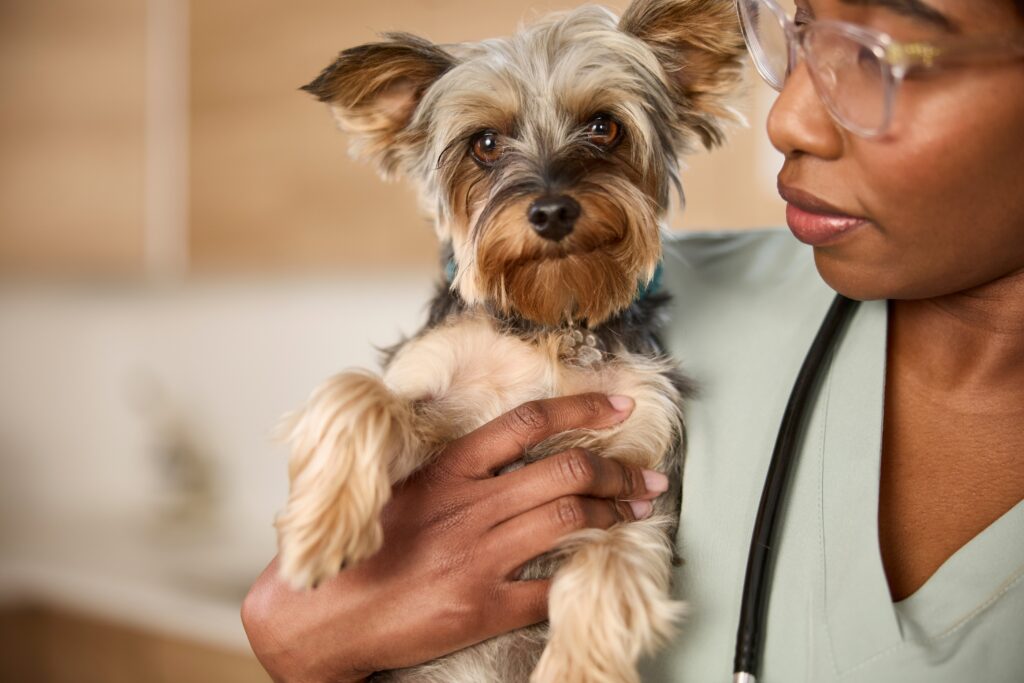
Photo by Chewy
If your dog’s having bouts of vomiting, diarrhea, and stomach pain, they’ll need to get to a vet fast—and there’s a chance the problem could be pancreatitis.
Pancreatitis in dogs can be a medical emergency, especially if a dog is showing signs of severe dehydration, such as extreme weakness, pale gums, or quick, rapid breathing.
If you notice these symptoms in your dog, call your veterinarian immediately or take your dog to an emergency vet.
Key Takeaways
- Pancreatitis is the inflammation of the pancreas and can become a medical emergency in dogs.
- Common symptoms include vomiting, diarrhea, belly pain, lethargy, and dehydration.
- Treatment for pancreatitis in dogs focuses on fluids, anti-nausea meds, pain control, and often hospitalization until stable.
- Your dog will need rest and a bland, low-fat diet to recover.
What Is Pancreatitis in Dogs?
Pancreatitis in dogs is when the pancreas becomes inflamed, and it can be very painful for your pup.
The pancreas is an organ in your dog’s body that helps with digestion and hormone regulation. It normally releases digestive enzymes into the small intestines, where they work to digest food; however, in some cases, these enzymes can mistakenly digest the dog’s own pancreas, which leads to inflammation.
Pancreatitis is relatively common, especially in dogs who are middle-aged or seniors.
Certain breeds are also predisposed to developing pancreatitis, including Miniature Schnauzers, Yorkshire Terriers, Dachshunds, and Boxers.
What Are the Signs of Pancreatitis in Dogs?
Dogs with pancreatitis can experience a variety of symptoms, including:
- Vomiting
- Diarrhea
- Decreased appetite
- Abdominal pain
- Bloating
- Lethargy
- Fever
- Dry, tacky gums
- Weight loss
If you notice extreme weakness, pale gums, or quick, rapid breathing, call your veterinarian or go to an emergency vet immediately.
What Causes Pancreatitis in Dogs?
Sometimes it’s unclear what is causing pancreatitis in dogs. (This is known as “idiopathic,” or unknown.) However, there are many contributing factors that can make pancreatitis more likely in dogs, including:
- A high-fat diet or treats
- Obesity
- Medications, such as phenobarbital
- High blood triglycerides
- A chronic disease, such as Cushing’s disease
- Trauma or injury to the belly, such as a hard fall or being hit by a car
- Infections, such as Babesiosis, a tick-borne illness
How Do Veterinarians Diagnose Pancreatitis in Dogs?
If you notice unusual symptoms in your dog, take them to their veterinarian. Pancreatitis symptoms can lead to dehydration quickly if left untreated, so prompt diagnosis and treatment is essential for the best outcome.
The veterinarian will start with a complete physical exam. They’ll want to know when symptoms started, if your dog ate anything unusual, and whether your dog has other health conditions.
If pancreatitis is suspected, a veterinarian may recommend the following tests:
- Complete blood work: This can help identify underlying illness or dehydration.
- Canine pancreatic lipase immunoreactivity (cPLI): This test uses a sample of your dog’s blood to measure a digestive enzyme called lipase that is secreted by the pancreas. If the level of this enzyme is high, pancreatitis can be diagnosed.
- Imaging: X-rays of the abdomen can rule out other conditions with similar symptoms.
- An abdominal ultrasound can look closely at the pancreas for signs of inflammation and swelling. During this test, a small needle can be placed through the abdomen to collect cells from the pancreas so the cells can be stained and viewed under a microscope to look for inflammation.
How Do Veterinarians Treat Pancreatitis in Dogs?
Sudden bouts of pancreatitis, such as those that happen because a dog ate something they shouldn’t, can be cured with treatment at your vet’s office.
However, some dogs with genetic predispositions, such as Yorkshire Terriers, can experience repeat bouts of pancreatitis that can only be managed, not cured. This is because each episode of pancreatitis damages the pancreas, making chronic pancreatitis and frequent flare-ups more likely.
Treatment for pancreatitis in dogs is focused on controlling the symptoms and restoring a dog’s comfort. At your vet’s office, your dog will probably receive fluids and electrolytes to help with dehydration.
Prescribed medications may include:
- Anti-nausea medications, such as Cerenia
Recommended Product

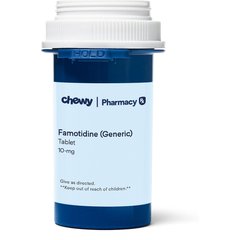
- Acid blockers, such as famotidine
Recommended Product
- Pain medications, such as buprenorphine
- Appetite stimulants to help your dog eat, such as Entyce
Recommended Product

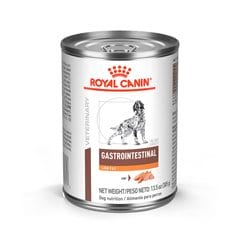
Your veterinarian may also prescribe a bland diet for your dog, such as Purina Pro Plan EN or Royal Canin Gastrointestinal Low Fat Dog Food.
Recommended Products

Many dogs with pancreatitis require hospitalization and supportive care. They receive medications and fluids through a catheter to help during recovery. Some may also require a feeding tube if they’re not eating. Once stable, they can continue recovering at home with oral medications and a bland diet.
How To Comfort a Dog With Pancreatitis
Most dogs with pancreatitis will recover with prompt diagnosis and appropriate treatment.
Your veterinarian can advise you on what type of medication and diet your dog may need at home during recovery. Always follow these instructions closely to encourage your dog to feel better more quickly.
Overall, dogs recovering from pancreatitis need plenty of rest. Give them a calm space in your home, and make sure they have a cozy bed, like the FurHaven Calming Cuddler Long Fur Donut Bolster Dog Bed, or a soft spot with lots of blankets, like the Lesure Waterproof Calming Double-Sided Jacquard Shag & Soft Sherpa Fleece.
Recommended Products


Only feed the food that your veterinarian recommends to avoid inflaming your dog’s pancreas even more, and always make sure they have access to fresh water so they stay hydrated.
Recommended Product

How Do I Prevent Pancreatitis in Dogs?
Some cases of pancreatitis are not preventable. However, pet parents can take steps to reduce their dogs’ risk.
- Don’t feed table scraps or other high-fat food or treats to your dog.
- Make sure they get regular exercise and maintain a healthy weight.
- Provide a high-quality, balanced diet formulated for their age.
Of course, you should also ensure your dog stays up to date on vet appointments. Your veterinarian will be able to keep an eye on your pup’s figure and let you know if you need to scale back on any treats or meals.
FAQs About Pancreatitis in Dogs
Can a dog recover from pancreatitis?
Yes. Most dogs recover from pancreatitis, but a quick diagnosis and treatment are a must.
What foods trigger pancreatitis in dogs?
High-fat foods, such as butter, cheese, and bacon, can trigger pancreatitis in dogs.
Which dog breeds are prone to pancreatitis?
Several dog breeds are at increased risk for pancreatitis, including Miniature Schnauzers, Boxers, and Yorkshire Terriers.
What should a dog eat if they have pancreatitis?
Dogs with pancreatitis should eat a bland diet, such as boiled chicken and white rice or a prescription diet designed to support gastrointestinal health. Ask your veterinarian for their recommendation for your individual pup.