Vestibular Disease in Dogs: Signs, Causes, and Treatment

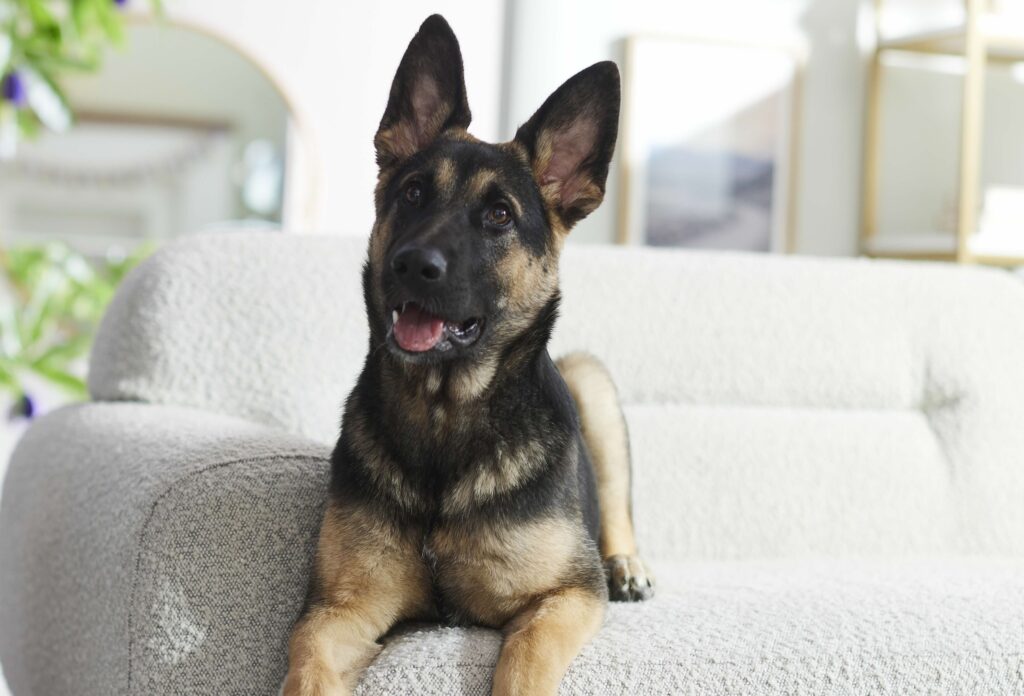
Photo by Photo by Chewy
It can be scary to see your dog go from acting normally to suddenly stumbling. And while this can sometimes signal a more serious health condition, it could also be vestibular disease.
Vestibular disease in dogs, also known as vertigo, refers to the sudden loss of coordination and balance due to a problem within your dog’s brain or inner ear. It requires a prompt trip to the veterinarian.
Key Takeaways
- Vestibular disease in dogs causes sudden balance problems, including head tilt, stumbling, circling, rapid eye movements, and vomiting.
- It most commonly affects senior dogs and often has no known cause, though ear infections and other underlying conditions can trigger it.
- While not usually an emergency, a prompt vet visit is important because symptoms can mimic more serious issues like toxin exposure.
- Most dogs improve within a few days and recover within two to three weeks, but some may have a lasting head tilt.
What Is Vestibular Disease in Dogs?
Vestibular disease affects your dog’s vestibular system, which is responsible for their balance and coordination. The vestibular system has two parts:
- The central vestibular system (the brain)
- The peripheral vestibular system (the inner and middle ear)
When there’s a problem with your dog’s vestibular system, symptoms typically appear suddenly and may include head tilt, stumbling, and circling. Nausea, motion sickness, and vomiting are also common.
Vestibular disease is more common in older dogs, especially those who are 8 years of age or older.
Certain dog breeds, such as Cocker Spaniels, German Shepherds, and Doberman Pinschers, are predisposed to congenital vestibular disease, which means signs are present at birth.
Signs of Vestibular Disease in Dogs
Some of the most common signs of vestibular disease include:
- Head tilt
- Circling
- Loss of balance
- Lack of coordination
- Wide stance
- Rapid eye movements
- Reluctance or inability to walk
- Vomiting
- Drooling
Causes of Vestibular Disease in Dogs
Vestibular disease in dogs is most commonly idiopathic, which means that there is no known cause.
It’s often referred to as “old dog vestibular disease” because it almost always occurs in senior pets. However, potential underlying causes include:
- Ear infections of the inner and middle ear
- Tumor or ear polyps
- Stroke
- Viral infections, such as distemper
- Head trauma, such as being hit by a car
- Endocrine disorders, such as hypothyroidism
- Medication use, such as aminoglycosides, which can damage the inner ear and cause balance issues if given at high doses for a long time
Diagnosis of Vestibular Disease in Dogs
Vestibular disease is not necessarily a medical emergency, especially if your dog is still eating, drinking, and able to walk.
However, because the signs of vestibular disease mimic other more serious conditions—such as toxin ingestion—it’s important to see a veterinarian as soon as possible for an accurate diagnosis. If you’re unsure whether it is an emergency, call your veterinarian (or an emergency vet if after hours) to describe the symptoms and get their advice on care.
To diagnose vestibular disease, your veterinarian will perform a physical exam, paying special attention to how your dog walks, whether there is a head tilt, and if rapid eye movement is present.
Additional diagnostic testing may include:
- Blood work: This can determine organ function and signs of infectious diseases.
- Urinalysis: This can rule out underlying kidney issues, toxin exposure, and infections.
- Ear exam: Your dog’s ear canals and ear drums can be checked with a special tool called an otoscope to view any ear debris and areas of inflammation.
- Ear cytology: A cotton swab is used to gently collect a sample of ear debris that can be viewed under a microscope or sent to a laboratory to look for yeast or bacterial infections.
- Neurological exam: Your vet will assess your dog’s neurological state, including how they walk and hold their head. Irregular eye movements or positioning and facial drooping can indicate the location of injury.
- Imaging: X-rays, a CT scan, or an MRI can check the brain or ear canal for signs of infection, tumors or polyps, or trauma.
Treatment of Vestibular Disease in Dogs
Vestibular disease usually improves within a couple of days and resolves without treatment within two to three weeks.
When treatment is necessary, it’s aimed at the underlying cause. Potential treatment options include:
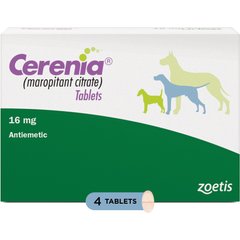
- Anti-nausea medications, such as Cerenia, to reduce motion sickness
Recommended Product
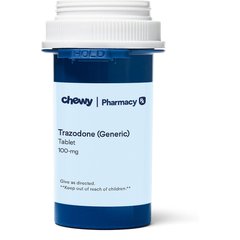
- Anti-anxiety medications, such as trazodone, to help your dog relax
Recommended Product
- Ear cleansers, such as EpiKlean, to remove debris from the ear canal
Recommended Product

- Oral antibiotics, such as Clavamox, to treat inner or middle ear infections
Recommended Product

- Surgical flushing of the inner ear (in severe cases or in those not responding to treatment)
If a dog is experiencing severe signs and cannot walk or eat on their own, hospitalization and supportive care, such as IV fluids and nutritional support, may be required.
Most dogs will recover within three weeks after beginning treatment, but dogs with inner ear infections may need treatment for up to two months.
Even with treatment, some dogs may continue to have a permanent head tilt or sporadic bouts of incoordination due to damage to the nerves or inner ear structures.
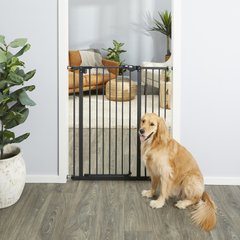
This could require ongoing supportive care, such as physical therapy, to help with mobility issues. You may need to make a few lifestyle adjustments, such as blocking off stairs with a dog gate, but most dogs adapt and still live long, happy lives despite these long-term side effects.
Recommended Products

How To Keep Your Dog Comfortable
If your dog has vestibular disease, simple adjustments at home can help keep them safe and comfortable while they recover:
- Create a safe resting space. During recovery, give your dog a quiet, calm space to rest. A bolster bed can keep them comfortable and supported.
Recommended Product

- Limit stairs and jumping. Prevent your dog from using stairs or jumping on furniture to reduce the risk of falls. If your vet OKs it, a dog ramp can be a safer alternative.
Recommended Product

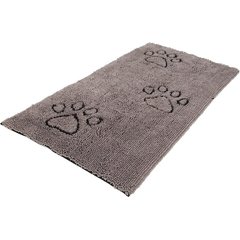
- Improve traction. Place nonslip rugs on hard surfaces to help your dog to maintain balance while walking.
Recommended Products

- Prevent pressure sores. Encourage your dog to get up every few hours to reduce the risk for skin ulcers. If they can’t move easily, gently rotate them every few hours and keep their area clean with pee pads.
Recommended Product

- Support hydration and nutrition. Make it easy for your dog to stay hydrated with a water fountain. If their appetite is reduced, offering wet food may encourage them to eat.
Recommended Products


How To Prevent Vestibular Disease in Dogs
Because vestibular disease usually doesn’t have a cause, there’s no way to prevent it.
However, to reduce underlying causes, you can:
- Ensure your pet stays up-to-date on routine vet appointments and vaccinations.
- Regularly clean your dog’s ears to keep them free of debris.
- Manage any underlying health issues with your veterinarian’s guidance.
FAQs About Vestibular Disease in Dogs
Can vestibular disease come and go?
Yes. Vestibular disease can resolve then return throughout your dog’s life. Most recurring episodes result from underlying health issues, such as persistent ear infections or tumors. Dogs generally only have one episode of vestibular disease if you promptly address the cause, such as sudden head trauma.
How long can a dog live with vestibular syndrome?
Life expectancy depends on the underlying cause. If the vestibular disease is due to an ear infection, your dog’s lifespan likely won’t be affected if you get proper treatment. However, a more serious underlying cause, like a tumor, could affect your dog’s life expectancy.
Can vestibular problems be permanent in dogs?
Yes. Some dogs can experience a permanent head tilt and recurring bouts of incoordination due to damaged nerves or inner ear structures.