Chondroitin for Dogs: What You Need To Know



Photo by PhotoTalk/E+
Chondroitin is a compound found naturally in cartilage and joint fluid, where it helps to keep joints lubricated, cushioned, and supported. Along with other compounds including glucosamine, omega-3 fatty acids, and green-lipped mussel, it’s a common ingredient in canine joint supplements.
However, the evidence supporting chondroitin in canine arthritis is mixed, and it’s typically best used as a supportive therapy alongside a comprehensive program of weight loss, medication, exercise modification, and therapy.
If you’re considering chondroitin for your dog, your veterinarian is the best person to help you decide whether it’s a good fit with your dog’s health history, medications, diet, and comfort plan.
Key Takeaways
- Chondroitin is naturally present in the joints, where it supports healthy cartilage and provides cushioning.
- Evidence supporting the use of chondroitin in dogs with arthritis is mixed, so it is typically not used as a stand-alone treatment.
- Combined with additional medications, exercise modification, and weight loss, dogs taking supplements containing chondroitin often see improvements in symptoms of joint pain and stiffness.
- Chondroitin is not a pain reliever and should not be used as a primary treatment for pain reduction.
What Is Chondroitin?
Chondroitin is part of the glycosaminoglycan family, a group of molecules found in cartilage and other connective tissues, where it acts as a critical building block for cartilage. Biologically, chondroitin helps joints stay hydrated, which increases their motion and ability to absorb shock.
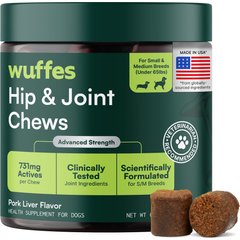
Based on its vital role in healthy cartilage, chondroitin is commonly included in dog joint supplements, such as Wuffes Advanced Hip & Joint Chews. Supplements like these are used as part of a comprehensive joint-health program. Studies have shown that orally administered chondroitin sulfate is well absorbed in dogs, particularly with daily use.
Recommended Product
How Does Chondroitin Work in Dogs?
Most of the research into chondroitin has taken place in humans. What little dog-specific research there is has been mixed. One study showed that dogs with osteoarthritis who were given a glucosamine and chondroitin sulfate product had significant improvements in pain, weight-bearing, and disease severity.
However, another study showed no increase in activity when dogs with osteoarthritis were given glucosamine and chondroitin sulfate. A 2017 review described previous studies involving glucosamine and chondroitin as limited and conflicting.
Based on this, chondroitin is best used as a support to a vet-recommended treatment plan for dogs with joint disease or mobility issues. It should not be considered a stand-alone treatment or used for pain management.
Benefits of Chondroitin for Dogs
Chondroitin for dogs is commonly used to support joint health and mobility, particularly in senior dogs and dogs with osteoarthritis. Because chondroitin is a natural component of cartilage, it is thought to help support healthy joint structure and function.
Potential benefits of chondroitin may include:
- Support for healthy cartilage
- Support for normal joint cushioning and shock absorption
- Support for mobility and everyday movement
While some studies have found improvements in mobility and comfort in dogs receiving glucosamine and chondroitin sulfate supplements, other studies have found little or no benefit. Because the evidence is mixed, chondroitin sulfate for dogs is best viewed as a supportive supplement rather than a primary treatment for arthritis or joint pain.
Potential Side Effects of Chondroitin in Dogs
Chondroitin-containing products for dogs are often well-tolerated, but digestive upset can develop with use of any supplement. Additionally, many dog supplement products contain more than one ingredient, so the risk profile depends on the full ingredient list.
There are reports on human subjects that describe a possible interaction between warfarin, which is given to humans and dogs with blood clotting issues, and glucosamine and/or chondroitin. Most reports included glucosamine, but chondroitin may also play a role in potential interactions. That doesn’t mean that dogs will experience the same interaction, but it warrants caution in dogs who take prescription medications or other supplements.
How To Give Your Dog Chondroitin
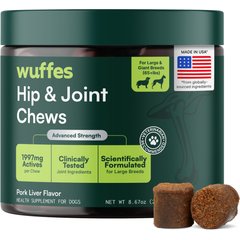
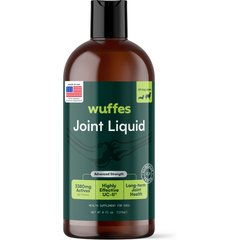
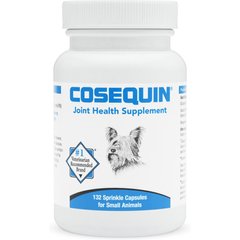
Supplements containing chondroitin come in several forms, like flavored chews, liquids, and sprinkle capsules. Flavored chews like Wuffes Advanced Hip & Joint Chews resemble a treat and can be given once daily, while liquid supplements or sprinkle capsules can be added to your dog’s food.
If your vet recommends chondroitin, use the exact product they approve, and follow directions exactly. Make sure your vet knows about any medications or other supplements your dog takes, to avoid an interaction or ingredient overlap.
Recommended Products
When Might a Vet Recommend Chondroitin for Dogs?
A veterinarian may recommend a dog supplement containing chondroitin as part of a broader plan to support joint health and mobility.
Dogs who may benefit from a veterinarian-approved joint supplement include:
- Senior dogs experiencing age-related mobility changes
- Dogs diagnosed with osteoarthritis
- Large-breed dogs who may be more prone to joint issues
- Overweight dogs experiencing increased stress on their joints
- Dogs recovering from orthopedic injury or surgery
Because every dog’s health needs are different, it’s important to talk with your veterinarian before starting chondroitin or any other supplement. Your veterinarian can help determine whether a joint supplement is appropriate and recommend a product that fits your dog’s overall treatment plan.
Keep in mind that chondroitin should not replace veterinary care, prescription medications, or other therapies recommended by your veterinarian.
What To Do if Your Dog Takes Too Much Chondroitin
If your dog gets into a bottle of chondroitin or a combination joint supplement, call your veterinarian, an emergency hospital, or the Pet Poison Helpline (855-764-7661) right away. Have the package or bottle available so you can relay information about the product’s ingredient list.
FAQs About Chondroitin in Dogs
Does chondroitin work for dogs?
Maybe for some dogs, but the evidence is mixed. It is safer to say that chondroitin is commonly used and studied, but it hasn’t been proven to reliably change joint symptoms in dogs.
Can chondroitin replace arthritis medication?
No. It should not replace prescription medication, weight management, rehabilitation, or any other care plan from your veterinarian.
What is the difference between glucosamine and chondroitin for dogs?
Glucosamine helps support cartilage production and maintenance, while chondroitin helps cartilage retain water for cushioning and flexibility. They are often used together in dog joint supplements.
Should I use a human chondroitin supplement for my dog?
Ask your vet first. Human products may contain ingredients, strengths, or combinations that aren’t appropriate for your dog.
Attributions
This article was created with assistance from AI tools. The content has been reviewed for accuracy and edited by a human.
References
- Adebowale A, Du J, Liang Z, Leslie JL, Eddington ND. The bioavailability and pharmacokinetics of glucosamine hydrochloride and low molecular weight chondroitin sulfate after single and multiple doses to beagle dogs. Biopharm Drug Dispos. 2002;23(6):217-225. https://pubmed.ncbi.nlm.nih.gov/12214321/
- Bhathal A, Spryszak M, Louizos C, Frankel G. Glucosamine and chondroitin use in canines for osteoarthritis: a review. Open Vet J. 2017;7(1):36-49. https://pubmed.ncbi.nlm.nih.gov/28331832/
- McCarthy G, O’Donovan J, Jones B, et al. Randomised double-blind, positive-controlled trial to assess the efficacy of glucosamine/chondroitin sulfate for the treatment of dogs with osteoarthritis. Vet J. 2007;174(1):54-61. https://pubmed.ncbi.nlm.nih.gov/16647870/
- Scott RM, Evans R, Conzemius MG. Efficacy of an oral nutraceutical for the treatment of canine osteoarthritis: a double-blind, randomized, placebo-controlled prospective clinical trial. Vet Comp Orthop Traumatol. 2017;30(5):318-323. https://pubmed.ncbi.nlm.nih.gov/28763523/
- Knudsen JF, Sokol GH. Potential glucosamine-warfarin interaction resulting in increased international normalized ratio: case report and review of the literature and MedWatch database. Pharmacotherapy. 2008;28(4):540-548. https://pubmed.ncbi.nlm.nih.gov/18363538/