Senior Dog Care: 12 Tips To Keep Your Aging Dog Healthy and Happy


Photo by Mary Swift/iStock
Senior dog care focuses on supporting your dog’s health, comfort, mobility, and quality of life as they age.
As dogs get older, their needs start to change. They may move a little slower, put on a few pounds, or need extra support for things that once came easily. From adjusting their diet and exercise routine to visiting the vet more often, small adjustments can make a big difference for your elderly dog.
Key Takeaways
- Senior dogs benefit from more frequent veterinary care and health monitoring.
- Proper nutrition, weight management, and exercise help support healthy aging.
- Mental enrichment, social interaction, and home modifications can improve quality of life.
- Early recognition of age-related changes allows for faster intervention and better outcomes.
1. See Your Vet More Often
hedgehog94/iStock
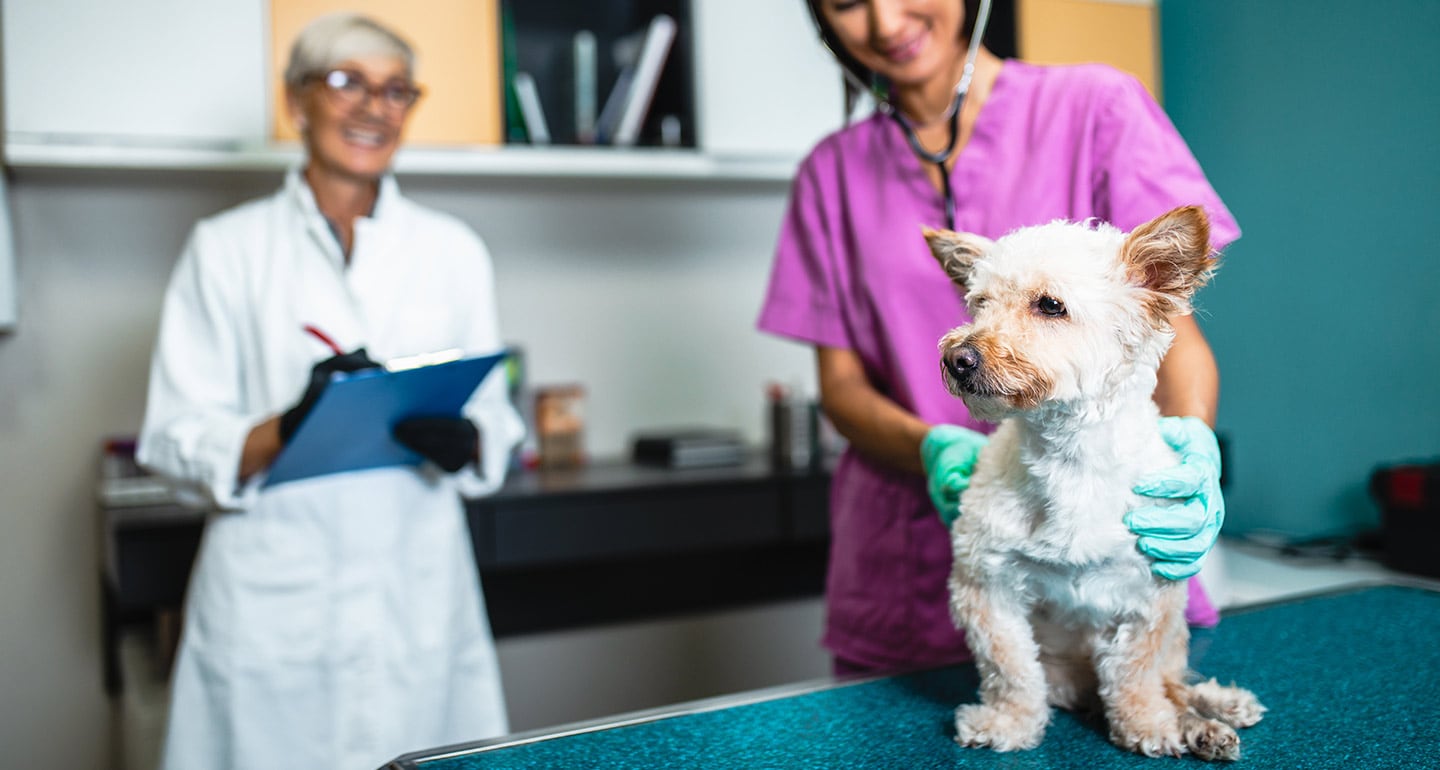
Your senior dog should see the vet every six months, according to the American Animal Hospital Association (AAHA). For elderly dogs, the purpose of these checkups shifts from regular maintenance to proactive detection of age-related issues. Early detection of health issues is crucial in maintaining a good quality of life, so it’s important to monitor any changes in behavior at home and report them to your vet.
During these semi-annual checkups, your vet conducts a full wellness exam. This may include:
- Checking for any concerning lumps
- Listening to your dog’s heart
- Evaluating hearing and eyesight
- Tracking weight changes
- Testing mobility
- Looking for any signs of pain
- Performing blood work or urinalysis to assess overall health and monitor chronic conditions
- Administering vaccinations to protect against infectious diseases
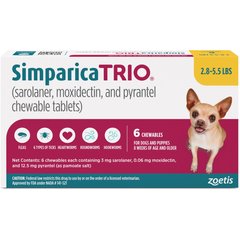
- Recommending monthly parasite prevention to protect against fleas, ticks, heartworms, and intestinal parasites
Recommended Products
2. Choose a Complete and Balanced Diet
gollykim/iStock
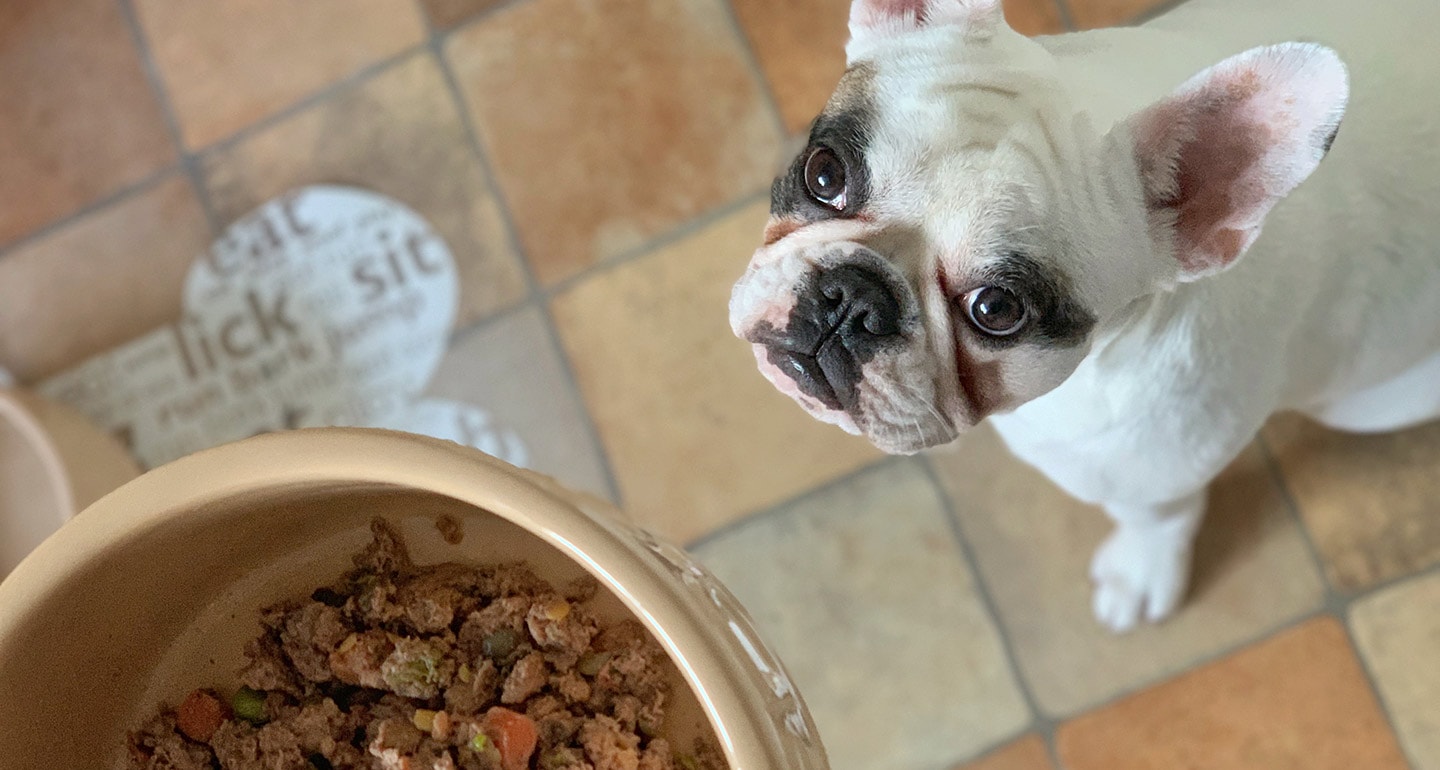
Your dog’s nutritional needs can change with age. Older dogs may need adjusted calorie levels to help maintain a healthy weight, along with adequate protein to support muscle mass.
Some diets formulated for senior dogs also contain ingredients that support joint health, brain health, or other age-related needs.
Your vet can help you choose the best senior dog food based on your dog’s age, health status, and activity level.
Recommended Products
3. Maintain a Healthy Weight
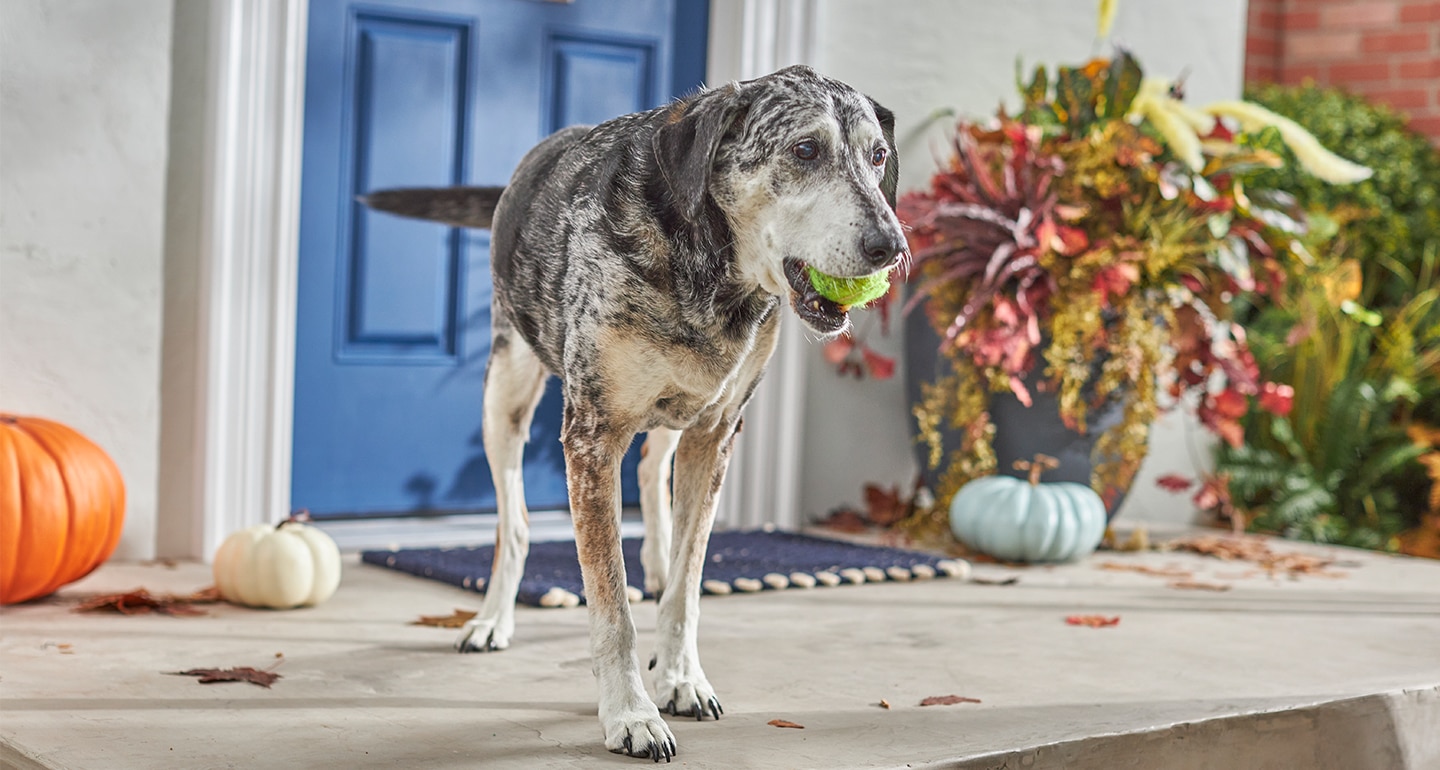
Photo by Chewy
Keeping your senior dog at a healthy weight can help them stay more active and comfortable as they age. Excess weight puts strain on joints and organs and can worsen inflammation throughout the body.
“Fat cells actually produce hormones that lead to increased inflammation in the body, leading to more pain,” says integrative veterinarian Judy Morgan, DVM, CVA, CVCP, CVFT. “More pain means more lethargy, which means more obesity. It’s a vicious cycle.”
If your elderly dog is overweight, talk to your vet. They can help you with a safe weight loss plan that may include:
- Reducing calorie intake with smaller portions
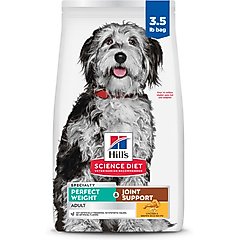
- Finding the right weight management diet
- Adding in more low-impact exercise
Recommended Products

4. Be Proactive With Joint Care
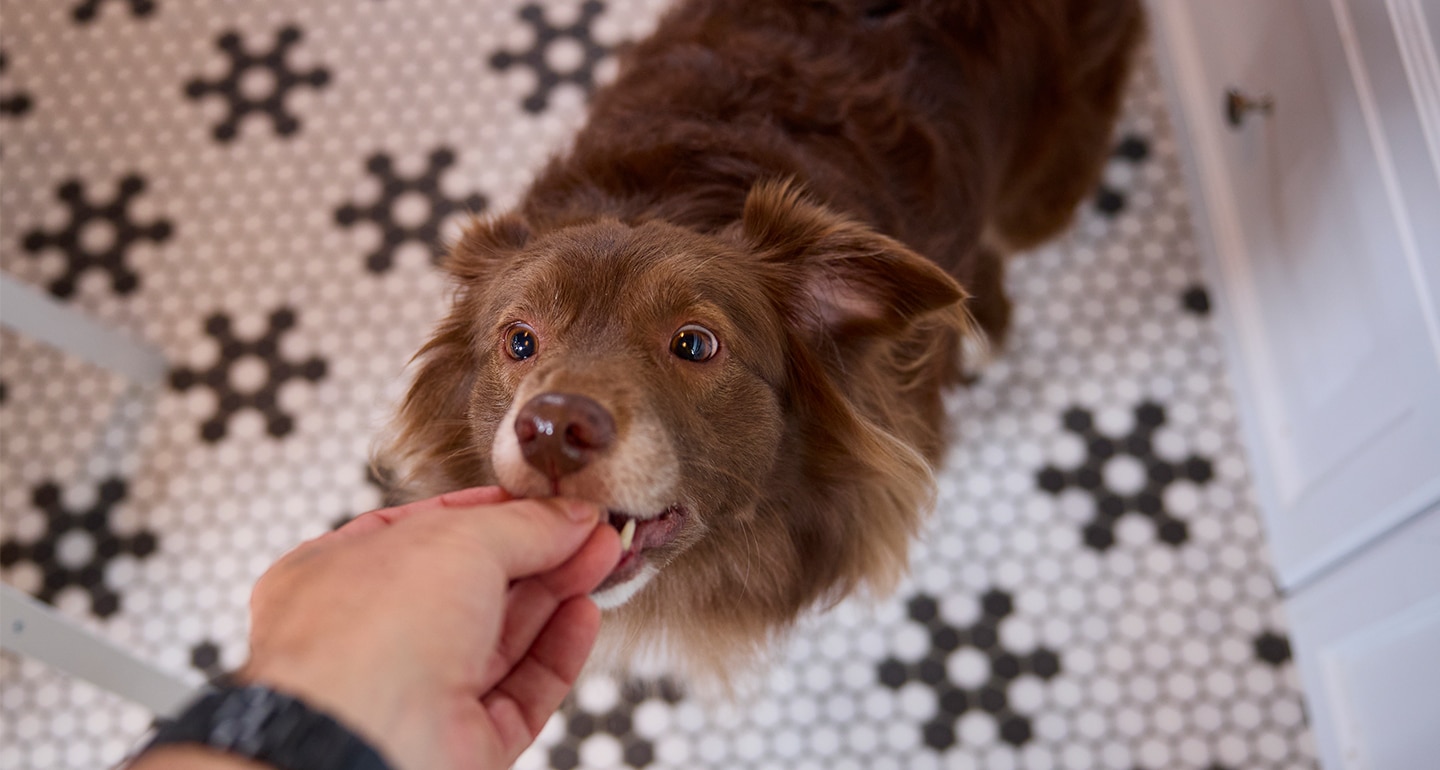
Photo by Chewy
Arthritis is a common issue for older dogs, and it can be increasingly painful over time as cartilage breaks down. If you’re noticing signs of arthritis in your dog, don’t wait to talk to your vet. Acting early can slow the progression and help maintain your elderly dog’squality of life.
Your vet may suggest:
- Prescription pain medications
- Weight loss
- Increasing low-impact activity
- Physical therapy
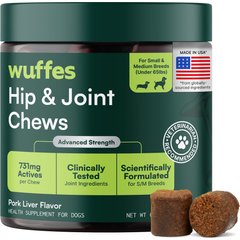
Supplements may also be helpful. Joint supplements like Wuffes Advanced Hip & Joint Chews contain ingredients like glucosamine, chondroitin, and green-lipped mussel that support joint health and mobility. Your vet can help you pick the right supplement for your dog.
Recommended Product
Aside from dog supplements and medications, there are other things you can do to help relieve joint pain. Consider these suggestions, per Dr. Morgan:
- Keep dogs warm. Placing warm towels from the dryer over sore joints can be very soothing.
- Massage them. Beyond feeling great, massages for dogs help keep muscles soft and supple. Plus, they help increase blood flow to muscles and joints.
- Try acupuncture. Acupuncture, a staple of traditional Chinese medicine, can provide pain relief for dogs.
- Consider chiropractic adjustments. Chiropractic adjustments can help counteract the stress arthritis can put on the spine.
- Ask your vet about cold lasers. Cold lasers increase circulation and provide pain relief.
5. Focus on Low-Impact Exercise
SolStock/iStock
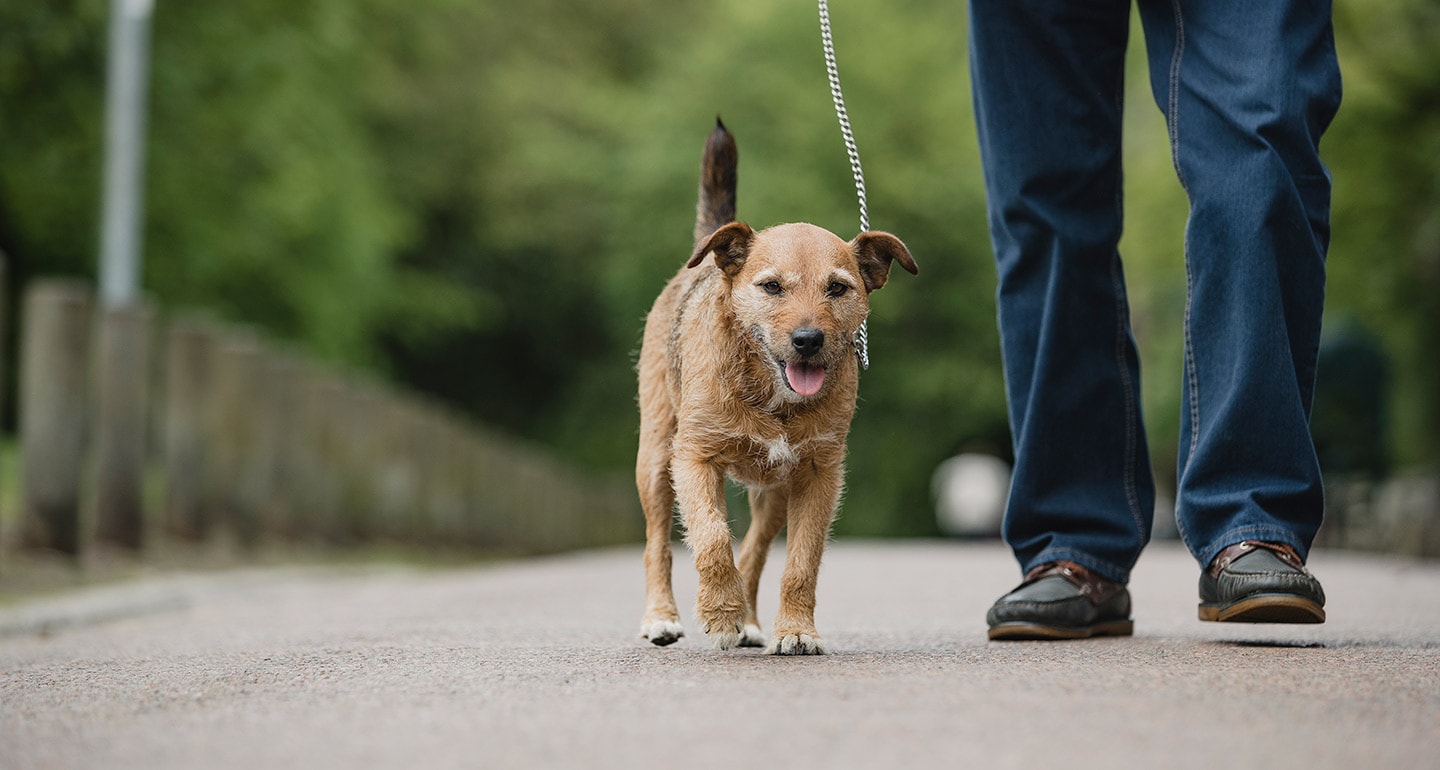
Slowing down is a natural process with age. You’ll see their energy level decrease, and as a result, you might need to coax your senior dog to exercise.
“Muscles support joints,” Dr. Morgan says. And without good muscle tone, mobility decreases drastically. “This is why pet physical therapy has become so commonly used. Joints in motion stay limber; joints not in motion get stiff.”
To encourage movement, focus on low-impact exercise. That can look like:
- Going for walks instead of runs
- Opting for frequent short walks instead of one long one
- Swimming, which provides exercise without putting stress on the joints
- Walking on soft surfaces like grass instead of hard pavement
- Playing gentle games of close-range fetch
6. Don’t Forget About Dental Care
RapidEye/iStock
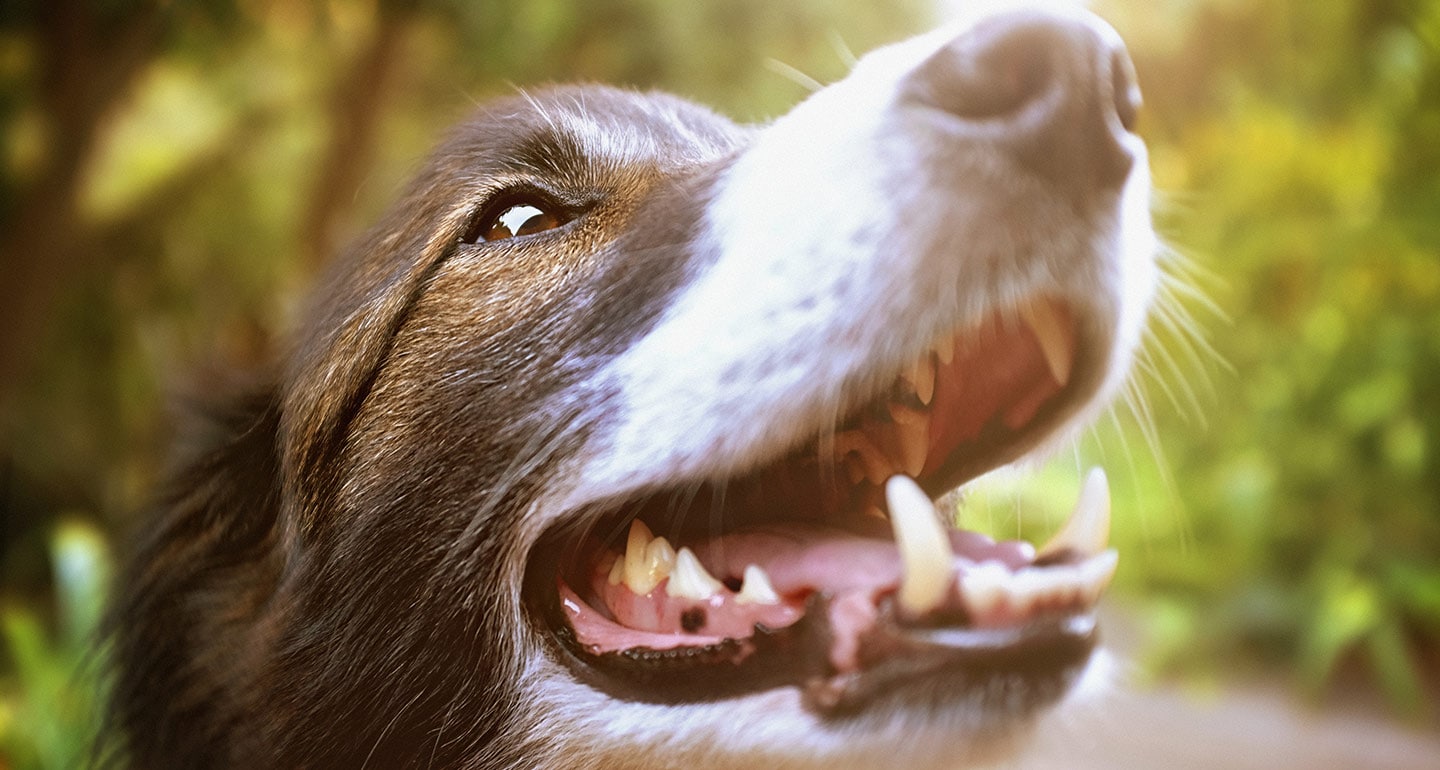
Dogs’ teeth become more sensitive and prone to infection as they age, and infected teeth can increase the risks of heart disease and kidney disease, according to Dr. Morgan.
If pet parents have not taken good care of doggy dental health before now, their dogs often suffer with loose, infected teeth in their senior years.
“Periodontal disease is very common,” Dr. Morgan says, “just as we see in aging people.”
Here are some tips for caring for your senior dog’s teeth:
- Brush your dog’s teeth with a dog toothbrush and dog toothpaste.
Recommended Products

- Look for dental products that carry the VOHC (Veterinary Oral Health Council) Accepted seal to help reduce plaque and/or tartar.
- Professional dental cleaning is crucial if there are loose or infected teeth. “These teeth are very painful, even though lots of dogs don’t let on that they are suffering,” Dr. Morgan says.
- Try dental chews between cleanings.
Recommended Product
7. Make Your Home Senior Dog Friendly
Ирина Мещерякова/iStock
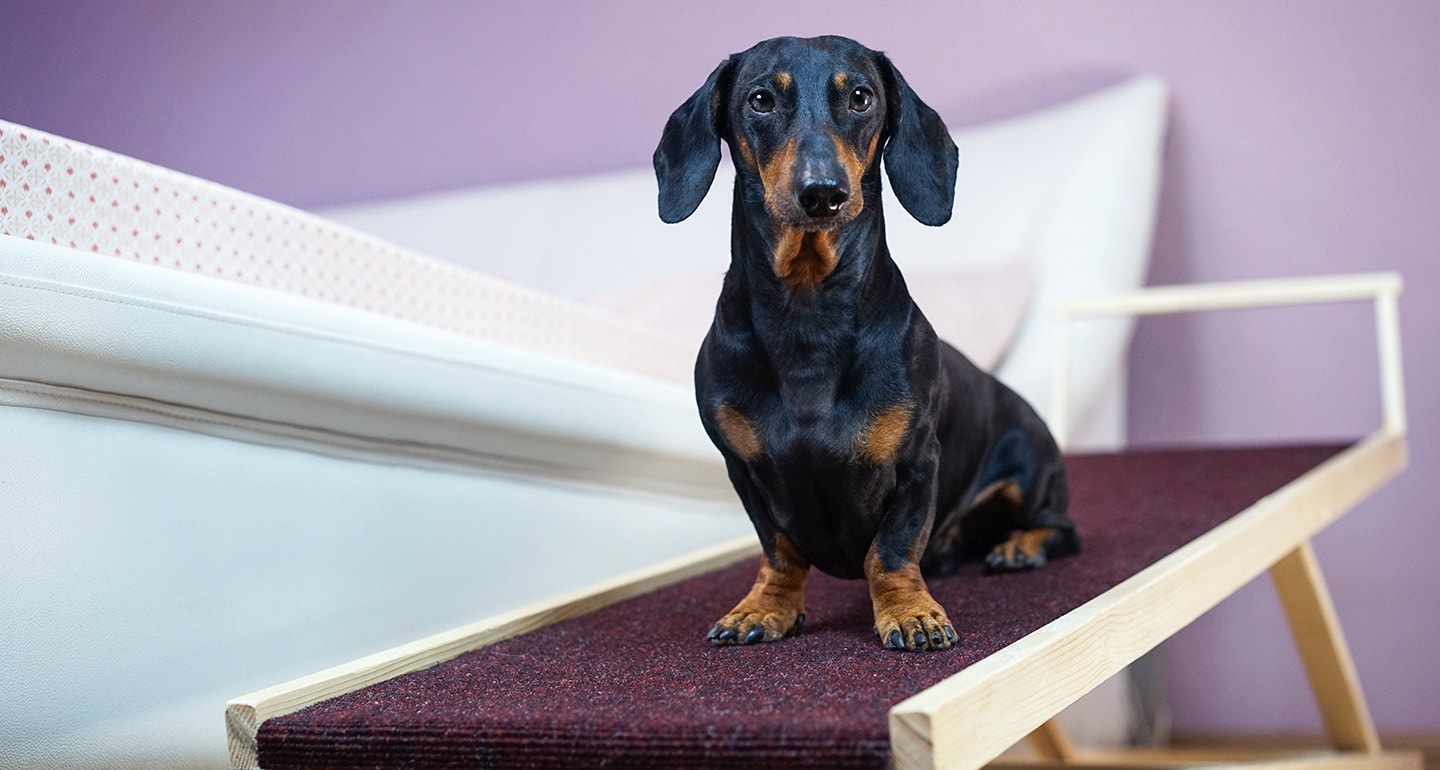
Simple changes to your dog’s environment can greatly improve their quality of life as they age and deal with new physical limitations. Things that once came easily to them, like jumping onto the couch or navigating the stairs, can become hazardous.
“Many senior dogs have decreased hearing, vision, and mobility, so make sure the environment is safe,” says Dr. Morgan.
Consider these home adjustments to make life easier and safer for your senior dog:
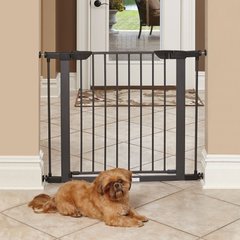
- Block off stairways with dog gates so your dog can’t access them and fall.
Recommended Product
- Use anti-slip carpets or grip mats where appropriate to add traction to hardwood or tile floors. “Slippery floors are a nightmare for dogs with mobility issues,” Dr. Morgan says.
Recommended Product
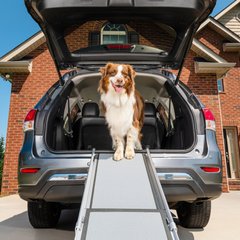
- Use dog ramps for easy access to high furniture like couches or beds, or when getting in and out of the car to prevent jumping.
Recommended Product

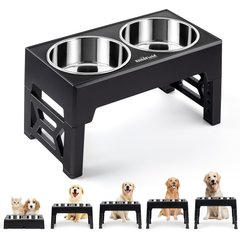
- Use elevated food and water bowls to limit bending and make meals more comfortable.
Recommended Product
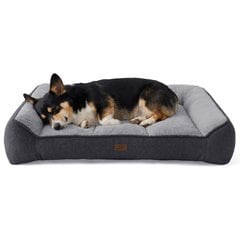
- Upgrade to a more supportive orthopedic dog bed to relieve pressure on fragile joints.
Recommended Product
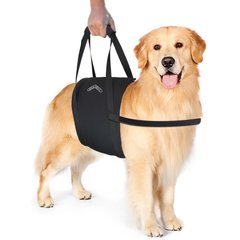
- Consider using a support harness around the house if your dog has major mobility issues or trouble standing.
Recommended Product
- Avoid moving furniture around and rearranging the house because that requires senior dogs with vision loss to learn new pathways.
- Add nightlights or lamps in dim rooms or hallways to help your elderly dog navigate without straining their vision.
8. Add Extra Grooming Sessions
Sladic/iStock
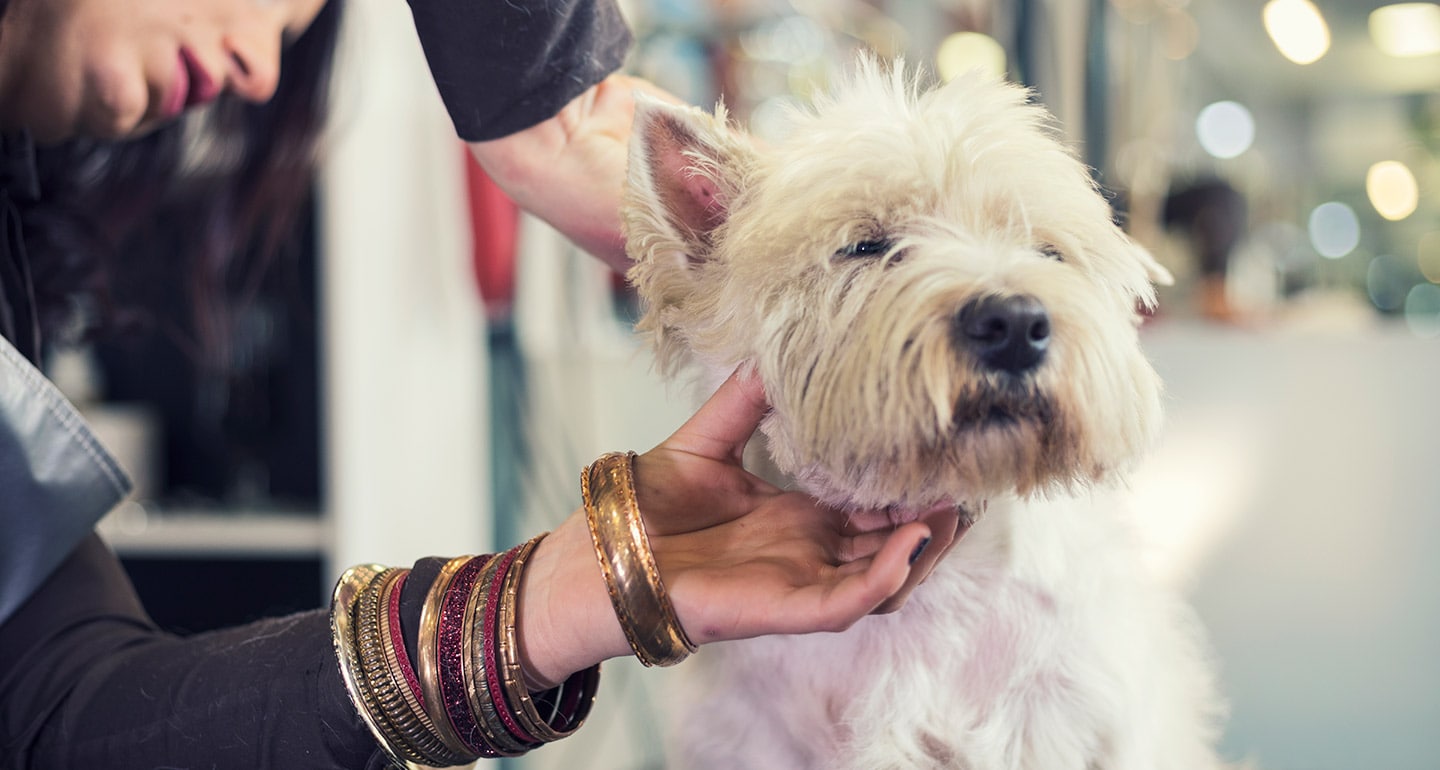
Regular grooming is important as dogs age because they can develop more matting with less activity. Plus, senior dogs can start to struggle to reach all areas on their body, therefore not grooming themselves as much.
Here are some grooming tips for senior dogs:
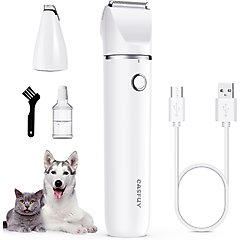
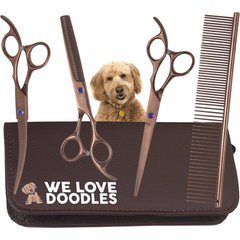
- Use grooming clippers or shears to clip the hair in their private area short and check daily to ensure the area is clean, dry, and not irritated. This is especially important for incontinent senior dogs.
Recommended Products
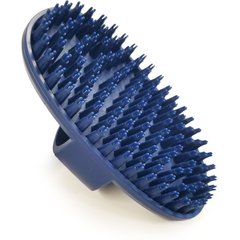
- Brush your dog daily to help distribute natural oils throughout the coat and prevent mats and tangles.
Recommended Product
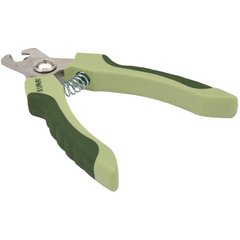
- Trim your dog’s nails regularly, as overgrown nails can make walking uncomfortable and affect mobility.
Recommended Product
- Check your dog’s skin, ears, and coat for lumps, bumps, sores, parasites, or other changes that should be evaluated by a vet.
- Schedule professional grooming appointments as needed if your dog has a coat that requires regular maintenance.
9. Support Your Dog’s Brain Health
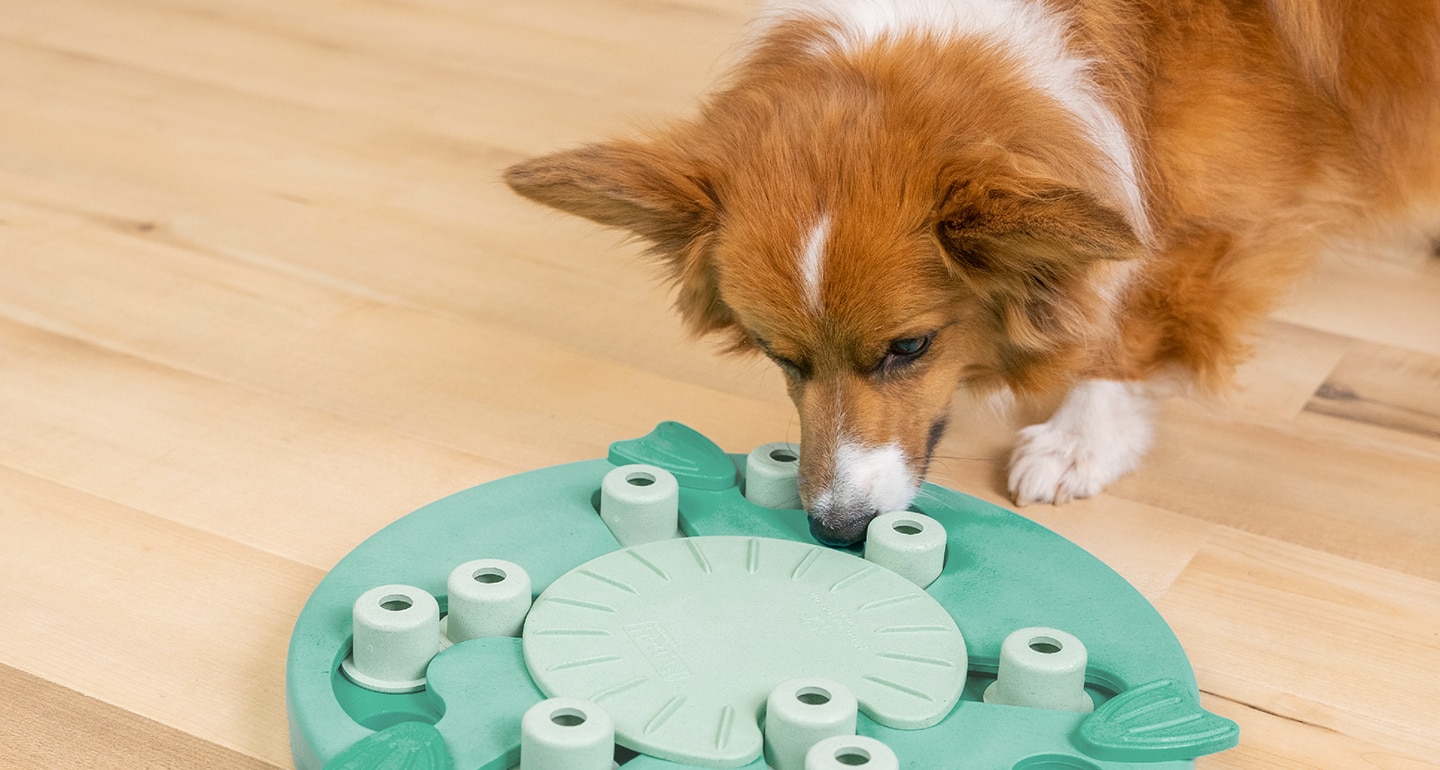
Photo by Chewy
Aging can affect your dog’s brain as well as their body. Keeping your senior dog’s mind active can help them stay engaged, confident, and interested in daily life.
Try incorporating activities such as:
Recommended Products
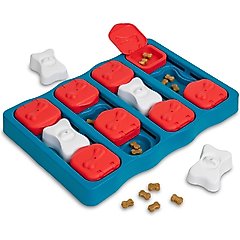
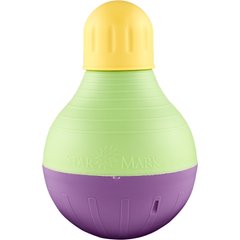
- Scent games and treat hunts
- Short training sessions to practice old skills or learn new ones
- New walking routes or other novel experiences that are appropriate for your dog’s abilities
- Consistent daily routines that provide structure and predictability
Talk to your veterinarian if you notice signs of canine cognitive dysfunction, such as confusion, disorientation, changes in sleep patterns, increased anxiety, or forgetting familiar routines and behaviors. Early intervention may help improve your dog’s quality of life.
10. Keep Your Senior Dog Social
Merril Buckhorn/iStock
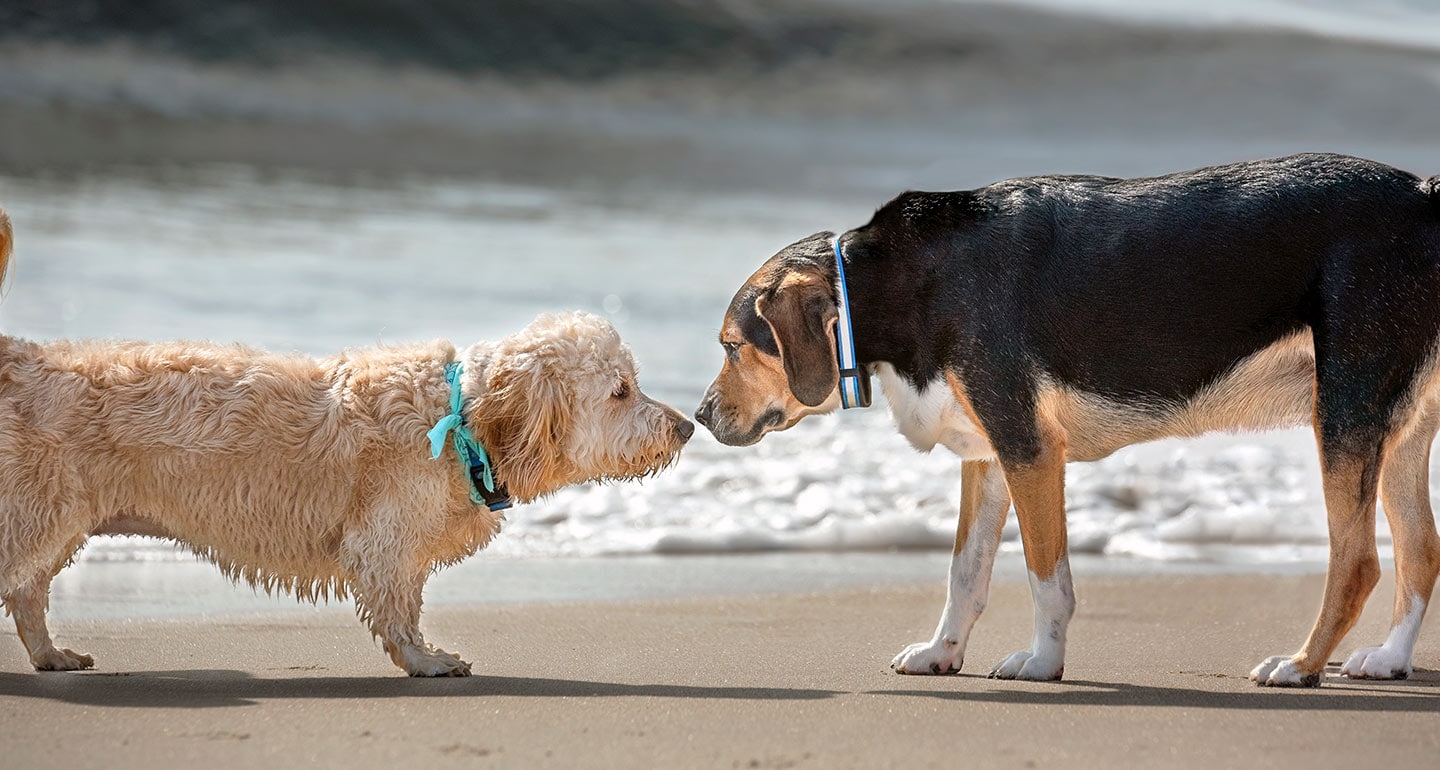
Dogs love to be with their humans, and many enjoy other pooch playmates too. If your dog has always loved company, consider putting play dates on your calendar. Just remember to pay attention to your senior dog’s level of tolerance for younger, more energetic dogs who may be encroaching on their personal space.
Don’t automatically rule out a more energetic younger pal, though. Some older dogs can become more active when around a spryer pup. But do honor your dog’s social habits and get to know what they do and do not enjoy in this new season of life.
11. Don’t Stop Doing Their Favorite Activities
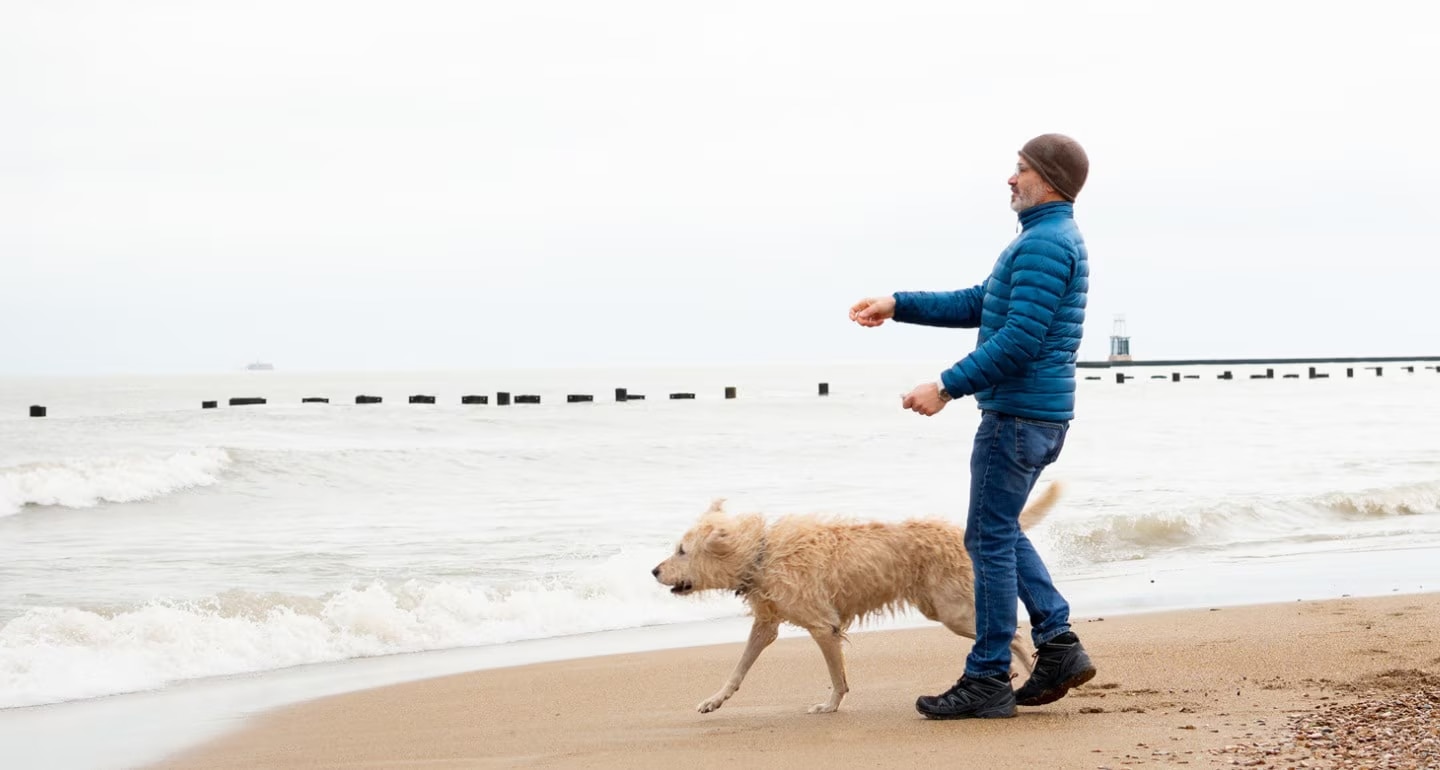
Photo by Jovanka_Novakovic/iStock
As physical limitations increase with age, it’s easy to think your dog is “too old” for activities they once loved. Instead of stopping these activities, try adjusting them to match your senior dog’s current capabilities.
- If they love car rides but struggle getting in and out of your vehicle, get them a dog ramp.
Recommended Product
- If playing fetch brings them joy, throw the ball shorter distances and take more frequent breaks.
- If they love playing with other dogs, schedule shorter play sessions with calm, familiar companions.
- If they like exploring new places, take leisurely walks in dog-friendly parks or neighborhoods.
- If they light up on hikes, opt for shorter, flatter trails.
- If they enjoy training, teach simple tricks or practice favorite cues to keep them engaged. You can also look into positive dog training classes.
The goal isn’t to stop doing the things your dog loves to protect their health—it’s to find ways to keep them safe, comfortable, and involved as their needs change with age.
12. Show Your Senior Dog Lots of Love
gece33/iStock
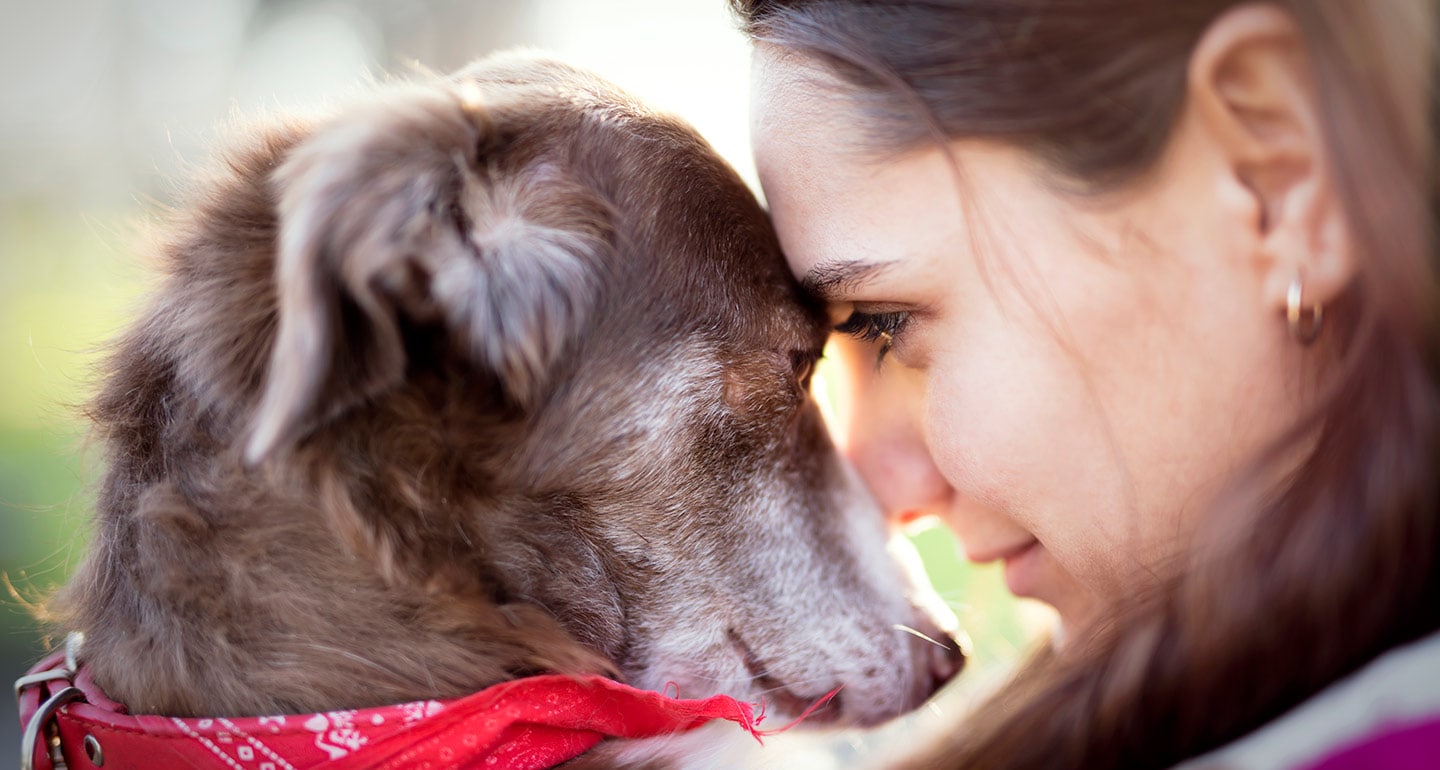
As your dog ages, quality time becomes more important than ever. Whether it’s a favorite walk, a cuddle on the couch, or simply relaxing together, these moments help support your dog’s emotional well-being.
Think about the unconditional love your dog has given you over the years and do your best to return it tenfold. Your companionship is one of the greatest gifts you can give them. Growing older may bring new challenges, but it also brings new opportunities to support your dog’s health, comfort, and happiness.
Senior Dog Care FAQs
When is my dog considered a senior?
The age at which a dog is considered a senior depends on their size and breed. In general, small dogs are considered seniors around 9–12 years old, while large and giant breeds may reach senior status as early as 6–7 years old.
How can I support my dog as they age?
You can support your aging dog by scheduling regular veterinary checkups, feeding a complete and balanced diet, maintaining a healthy weight, providing appropriate exercise, making your home senior-friendly, adjusting their favorite activities, and giving them lots of love.
How often should I take my senior dog to the veterinarian?
You should take your senior dog to the vet every six months for a wellness exam, according to the AAHA. More frequent visits can help detect age-related health conditions early, when they may be easier to manage.
What are signs that my senior dog is healthy?
Signs your senior dog is healthy include maintaining a healthy weight, having a good appetite, showing interest in daily activities, moving comfortably, and interacting normally with family members.
How much exercise does a senior dog need?
Most senior dogs still benefit from daily exercise, but the amount depends on their age, breed, health, and mobility. Your vet can help you build an exercise routine appropriate for their condition.
Attributions