How to Brush a Dog’s Teeth (Vet-Approved Step-by-Step Guide)


Do you put off brushing your dog’s teeth because it turns into a wrestling match? Are you not even entirely sure how to brush dog teeth? This important grooming process is more than just cosmetic—dental disease is the most common preventable disease in dogs.
“Dental care improves health and quality of life by reducing inflammation and infection that leads to systemic problems and eventually pain,” says Bert Gaddis, DVM, DAVDC, owner of Indian Springs Animal Clinic in Pelham, Alabama. “Good health care, including dental care, is associated with our pets living longer.”
Maintaining your dog’s dental health doesn’t have to be a chore. The secret to toothbrushing success is addressing all of the handling that goes along with the brushing process and helping your dog learn to accept it with ease.
Key Takeaways
- Daily brushing is the best way to prevent plaque and periodontal disease in dogs.
- Always use dog-specific toothpaste—never human toothpaste.
- Start brushing puppies’ teeth as early as 8–12 weeks to build lifelong habits.
- Dental chews and water additives support your dog’s dental health—but don’t replace brushing.
What Can I Brush My Dog’s Teeth With?
Before we dive into how to clean dogs’ teeth, let’s take a quick look at the tools you’ll need. It’s probably no surprise that they look similar to your own dental health tools—without the dental floss, of course:
Best Toothbrush for Dogs
Dog toothbrushes come in a range of styles, including single head, double head and one that fits on the end of your finger.
Experts recommend using a soft-bristled brush to prevent damage to the gum line.
Whether you use a regular dog toothbrush or a fingertip pet toothbrush is up to you, but keep in mind that some dogs might accidentally bite down on the fingertip type of brush. Ouch!
Recommended Products
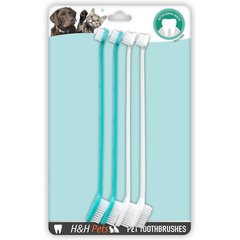
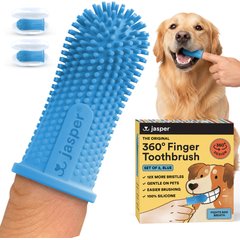
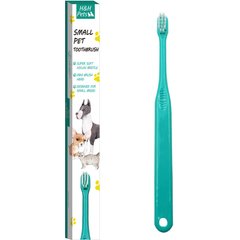
What’s the Best Toothbrush for Puppies?
When searching for the best toothbrush for your puppy, veterinary experts Sabrina Kong, DVM, Certified Canine Rehabilitation Practitioner at Jules Veterinary Center in Tracy, California, and Dwight Alleyne, DVM, a practicing veterinarian in Marietta, Georgia, say to make sure it’s appropriately sized for their mouth so it’ll be more comfortable for them.
Want to effectively—and easily—reach all surfaces of your pup’s teeth? Dr. Kong recommends angled or double-headed brushes to do just that.
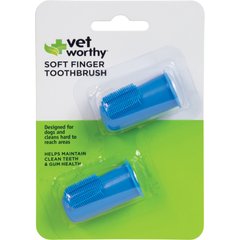
Like for us humans, it’s best to look for soft bristles to prevent gum damage, Dr. Kong says. A good option for puppies is a finger toothbrush since these give more control and are less intimidating compared to regular puppy toothbrushes, Dr. Kong says.
Avoid brushes with stiff bristles or a large head since they can be uncomfortable for your pooch.
Whether you want to try a finger toothbrush or a regular puppy toothbrush, Dr. Alleyne suggests looking for one that is made from a soft material, such as silicone or rubber, as opposed to hard plastic.
Recommended Products

Best Toothpaste for Dogs
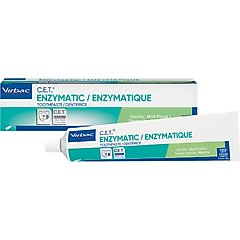
Specially formulated for cleaning dogs’ teeth at home, the various brands of dog toothpaste come in savory meat, mint and other lip-smacking, breath-freshening flavors, and they containdog-safe ingredients that can be swallowed. For example, Virbac’s C.E.T. Enzymatic dog toothpaste comes in flavors including poultry and vanilla mint.
Recommended Products

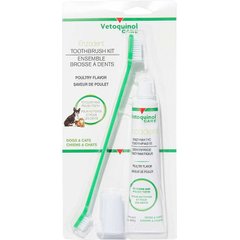
Some brands sell a combo pack that includes a toothbrush and toothpaste, like Vetoquinol’s Enzadent Toothbrush Kit, which features a dual-ended toothbrush, a finger brush and a tube of poultry-flavored enzymatic toothpaste.
Recommended Product
In addition to your dog’s toothbrush and toothpaste, have a stash of scrumptious dog treats on hand, especially when you’re training your pal to love the toothbrushing routine.
What’s the Best Toothpaste for Puppies?
Puppies can use the same toothpaste as adult dogs—look for options that are non-toxic, fluoride-free, and formulated for pups. Human toothpaste should never be used to brush any pet’s teeth.
Another feature to look for is toothpaste that’s labeled “enzymatic,” as it helps reduce plaque and tartar, Dr. Kong says.
How to Brush a Dog’s Teeth Step-by-Step
Brushing your dog’s teeth involves a bit more than just inserting the brush and swirling it around. To do it the right way, grab your dog treats and dental tools, and follow these steps to polish your pal’s pearly whites:
1. Practice Handling Your Dog’s Mouth and Muzzle
Chewy Studios
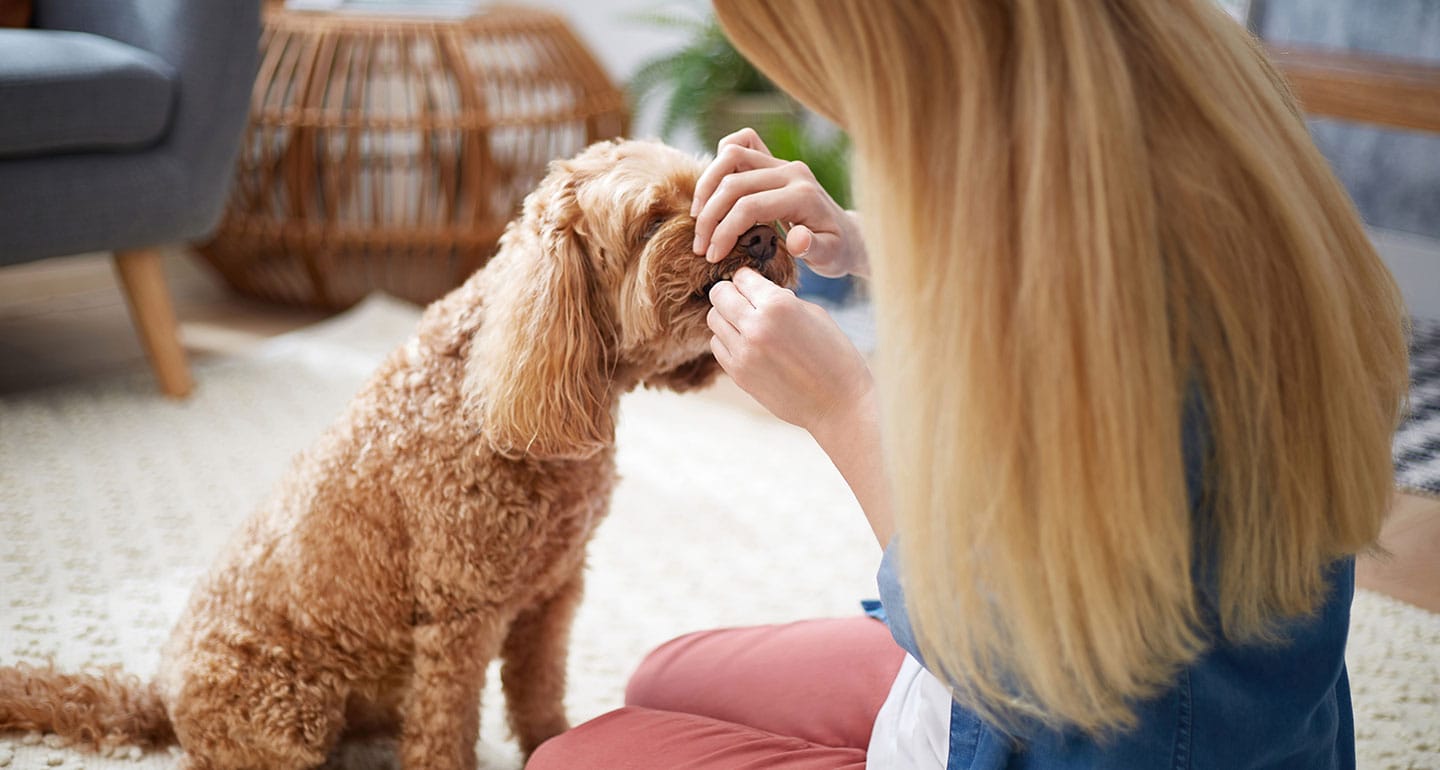
To begin, cup your hand under your dog’s chin.
- Hold it there for a few seconds.
- Then give them a treat from the other hand. This will probably feel like normal petting so it shouldn’t stress your dog out, says certified dog trainer Victoria Schade, CPDT-KA.
- Repeat the process several times so that your dog begins to associate your hands briefly under their muzzle with getting a treat.
Next, you want to get them used to having their lips lifted and their mouth opened.
- Place one hand under your dog’s muzzle and the other hand over the top for a few seconds.
- Then give them a treat.
- Continue by putting your hand in various positions on and around your dog’s mouth, trying to mimic what you’ll be doing when you actually start brushing, Schade says.
- Also practice approaching your dog from the side rather than the front, which will help them feel less intimidated, especially when you have a toothbrush in hand.
Lastly, mimic tooth brushing with your finger.
- Sitting on their left or right side, cup your dog’s muzzle in your hand while you lift their lip and examine their mouth with your fingers, Schade says.
- Then give them a treat.
- Practice running your finger along their gum line from the front all the way to the back where their molars are.
This whole getting-used-to-it stage could take anywhere from a week to several weeks—so be patient with your pal.
2. Introduce Your Dog to Their Toothpaste and Toothbrush
Chewy Studios
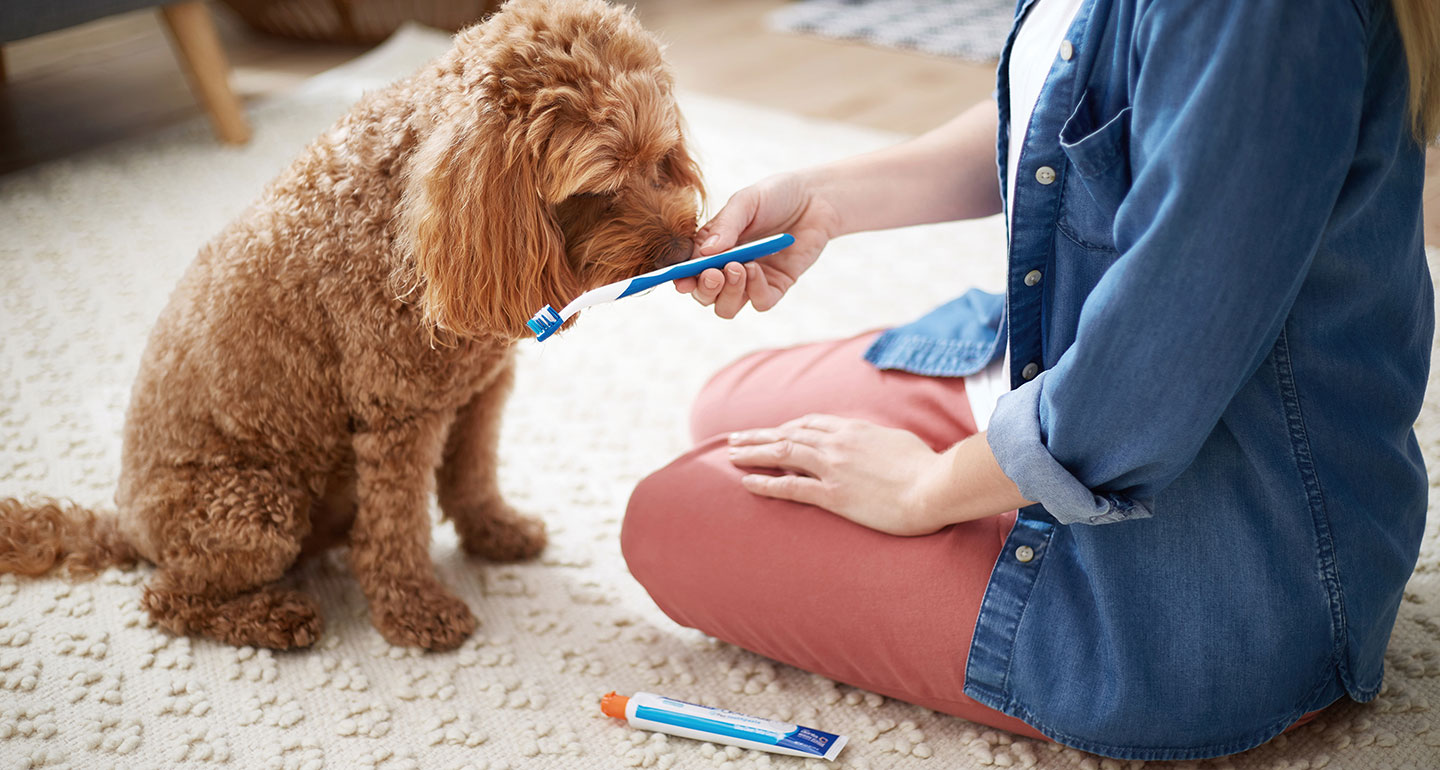
Once your dog is used to having their muzzle and mouth handled, it’s time to bring in the dog toothbrushing supplies.
One of the biggest mistakes people make when using grooming tools is immediately jumping into the work without allowing the dog to examine the item first, says Schade.
When your dog is ready to move on to the next step, allow your dog to sniff and taste the toothbrush before you try to use it, again using lots of praise and positive reinforcement. Adding the toothpaste will make it even more interesting, which will work in your favor.
3. Start Brushing

Chewy Studios
Find a comfortable spot to start your toothbrushing session.
Add a daub of the toothpaste to your dog’s toothbrush bristles and begin by brushing your dog’s front teeth in a circular motion for a few seconds.
Though you’ve done your prep work and your dog can tolerate mouth handling, the addition of the toothbrush will make the process seem brand new again.
Pair the process with goodies to reassure your dog that good things happen when they allow you to work on their mouth, says Schade.
4. Reward and Repeat
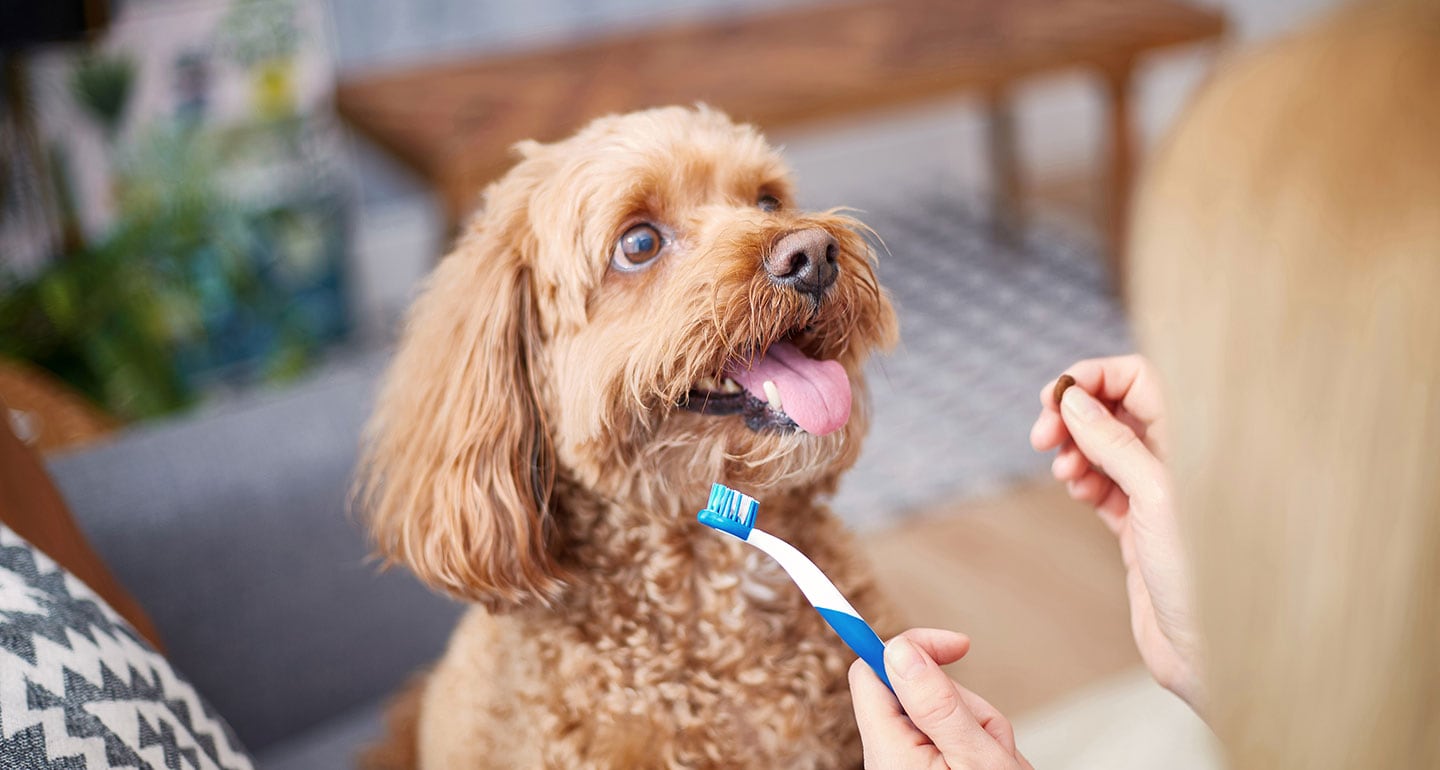
Chewy Studios
Don’t expect to complete your dog’s entire mouth the first time you brush.
Introduce the brush for about 10 seconds on your dog’s front teeth and then wrap it up for the day.
Continue these brief brushing sessions on the front and sides of your dog’s mouth over the course of a week, advises Schade. Your dog should accept the handling without complaint, and if you’ve done a good job with pairing the handling with treats, your dog might actually get excited when they see the toothbrush!
5. Gradually Work Toward the Back of Your Dog’s Mouth

Chewy Studios
The process can be more challenging as you work toward the back of your dog’s mouth.
If you have a short-nosed breed, you might have to do some digging through lip and gums to find your dog’s molars. Rather than try to completely clean the back teeth in one attempt—keep in mind that this step requires holding your dog’s mouth open—try several quick brush strokes and then give your dog a break, so that the process remains comfortable for them, Schade says.
Toothbrushing can feel like a chore if you need to battle with your dog for access to their mouth, particularly when scrubbing those back molars. If your dog is comfortable with mouth handling but won’t stay still for some regular dental hygiene, enlist an assistance to help you.
How Often Do You Need to Brush a Dog’s Teeth?
You should brush your dog’s teeth daily. At minimum, aim for three to four times per week to prevent plaque from hardening into tartar.
“Daily brushing is best because plaque is easily brushed away,” Dr. Gaddis says. “It takes about 48 to 72 hours to harden and calcify and, therefore, need to be scraped off. The majority ofplaque is on the outer surface so best to concentrate there, but some dogs will cooperate to open the mouth and brush the inner surfaces.”
When To Start Brushing Puppy Teeth
Begin brushing your puppy’s teeth once they’re about 8-12 weeks old.
Dr. Alleyne says this allows for a puppy to get used to having a toothbrush in their mouth, which will increase their compliance during the process as they get older.
Regular brushing from a young age helps establish a good oral hygiene routine and can prevent dental problems—and other potential health problems—later in life, Dr. Kong says.
While the toothbrushing process might be tricky at first, your pup will become more accustomed to it with time and consistency. Plus, they’ll have excellent oral health as they grow older. Dental care is essential for a happy, healthy dog.
Do You Have To Brush a Dog’s Teeth?
Yes, dogs need regular toothbrushing. Failure to brush your dog’s teeth puts them at risk for dental health issues and related complications.
“Regular toothbrushing is essential for dogs,” Dr. Kong says. “It helps prevent dental diseases, such as gingivitis, periodontitis, and tooth decay. The benefits include better breath, healthier gums, and the prevention of painful dental issues.”
Not brushing a dog’s teeth can lead to plaque and tartar buildup, oral infections, and in severe cases, the development of heart and kidney disease, she adds.
As with us, regularly brushing your dog’s teeth gets rid of plaque, eliminates bad breath, and helps maintain not just their oral health but their overall health too.
How To Clean Dog Teeth Without Brushing
In between brushings, consider offering your pal some dental chews, like Purina DentaLife sticks, Greenies Dental Treats, American Journey Large Grain-Free Fresh Dental Dog Treats or Whimzees Dog Treats.
Recommended Products
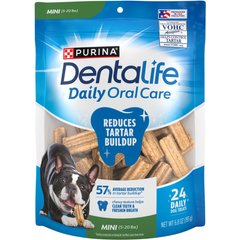

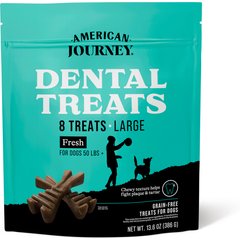
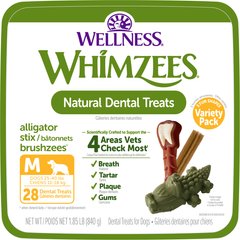
You could also add plaque-busting enzymes, like those found in ProDen PlaqueOff or VetriScience Perio Support, to their food.
Recommended Products
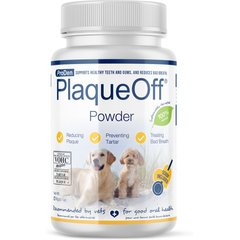
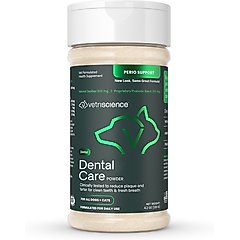
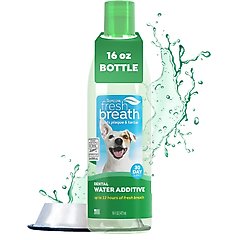
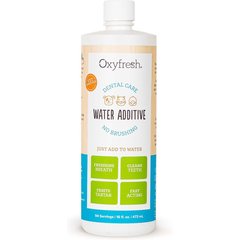
Water additives can help fight plaque and tartar, too. Some trusted brands to consider include TropiClean’s Fresh Breath Water Additive and Oxyfresh’s Water Additive with Oxygene.
Recommended Products
Just remember that none of these are intended to take the place of daily toothbrushing.
Dog Toothbrushing Tips and Troubleshooting
Through this entire process, your pal should remain calm and accepting as you work with them. If they react to any of the handling, Schade says, don’t push them. It’s likely you’ve moved too quickly through the process, so go back to the last type of handling that your dog accepted, and slowly work toward the next step.
Here are some other pro tips from trainer Schade:
- Vary the length of time that you manipulate your dog’s muzzle and mouth, sometimes holding it for just a few seconds and others for a slightly longer period of time, and always follow each attempt with a treat. Work up to gently opening your dog’s mouth for a few moments.
- Dip your finger in peanut butter before putting it in your dog’s mouth.
- Don’t worry about “undoing” the brushing by using treats; dog toothpaste is formulated to dissolve long-term plaque buildup, so a few treats during the brushing won’t have any impact.
- Some breeds have unique tooth growth patterns that cause the teeth to crowd together, so pay extra attention to those areas as they’re likely harboring buildup.
- Take your dog to the vet for a dental examination and deep professional dental cleaning at least once per year, twice if your pal is prone to periodontal disease, advises Dr. Gaddis.
Good luck—and happy brushing!
FAQs About Brushing Dog Teeth
How long should you brush a dog’s teeth?
The average toothbrushing session for dogs is the same as ours—about two minutes. (This might sound impossible, but it can be done with lots of patience and practice!) This duration helps ensure that all the teeth, including those hard-to-reach back molars, are properly cleaned.
Can I brush my dog’s teeth with human toothpaste?
Absolutely not. Human toothpaste contains detergents, fluoride and artificial sweeteners, like xylitol, that can be hazardous to dogs’ health.
Can I brush a dog’s teeth with baking soda?
Veterinarians do not recommend using baking soda to brush your dog’s teeth. Baking soda is abrasive and can damage tooth enamel and irritate the gums with repeated use. It also does not contain the enzymes found in veterinary-formulated dog toothpaste that help break down plaque.
In addition, baking soda is high in sodium and can upset a dog’s stomach if swallowed. For safety and effectiveness, always use a toothpaste specifically formulated for dogs and approved by your veterinarian.
Can I brush a dog’s teeth with coconut oil?
Coconut oil should not be used to brush your dog’s teeth. While it does have antimicrobial properties, it is not as effective at promoting dental health as regular dog toothpaste. Additionally, it’s high in calories, making dog toothpaste better for both your dog’s teeth and their diet.
How can I brush my dog’s teeth naturally?
If you prefer a more natural approach, use a dog-safe enzymatic toothpaste made with natural ingredients and a soft-bristled toothbrush or finger brush. You can also support dental health with VOHC-approved dental chews, plaque-reducing powders added to food, or water additives. However, these options help reduce plaque buildup—they do not replace regular brushing. Daily toothbrushing remains the most effective way to prevent periodontal disease in dogs.
How do I brush my dog’s teeth when they refuse?
When you’re just beginning to train your dog to allow you to brush their teeth, proceed with patience. Try these tips:
- Go slower with desensitization
- Try shorter brushing sessions
- Offer high-value rewards
- Consult a vet or trainer if stress persists
Attributions