D-Mannose for Dogs: Urinary Health Support


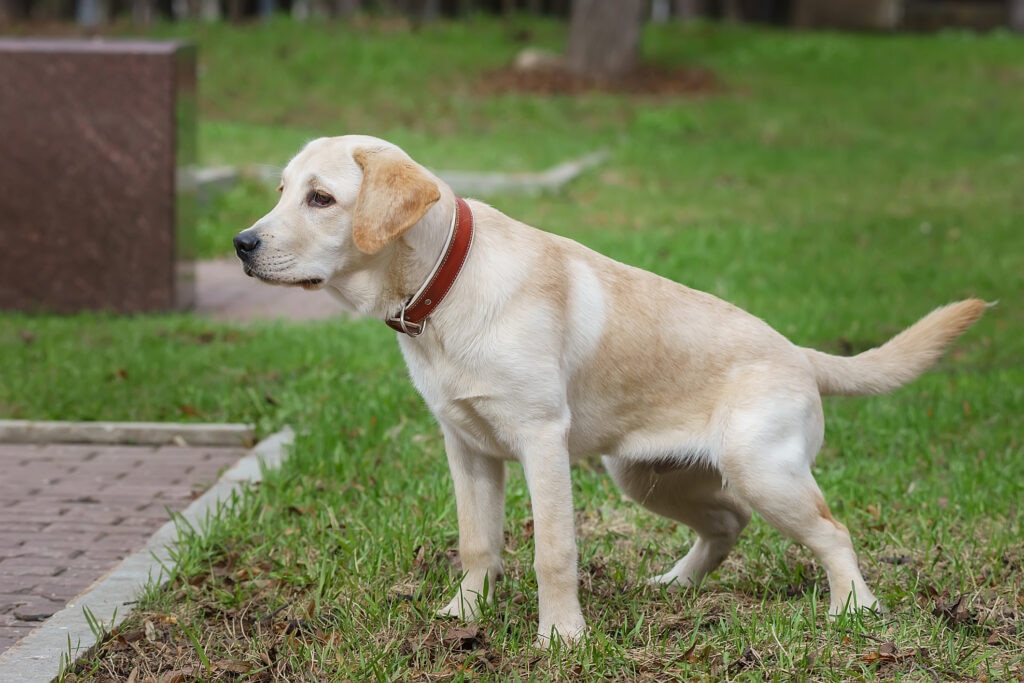
Photo by BushAlex/iStock/Getty Images
D-mannose is a simple sugar that has been studied for urinary health. In lab studies, D-mannose has been shown to help prevent E. coli bacteria from attaching to the wall of the bladder and urinary tract. It is not a cure for existing urinary tract infections, which should be treated by a qualified vet, but it may be recommended as part of a program to promote overall urinary tract health.
If your dog is straining to urinate, having accidents, or has blood in their urine, book an appointment with your vet.
Key Takeaways
- D-mannose has been studied for urinary health and its ability to potentially make it harder for dangerous bacteria to stick to the bladder wall.
- It should not be considered a treatment for an existing urinary tract infection in dogs, but may be used to promote urinary tract health and reduce UTI risk.
- Standardized dosing for D-mannose in dogs hasn’t been established, so check with your veterinarian before giving any product.
- D-mannose is generally well tolerated by dogs, but if you see any symptoms after giving D-mannose, stop the supplement and contact your vet.
How Does D-Mannose Work in Dogs?
Researchers have studied whether D-mannose may interfere with the way some bacteria including E.coli stick to the urinary tract and whether it could be used as part of a broader plan for urinary tract infections. This hasn’t been studied specifically in dogs, and evidence in human studies on D-mannose and urinary tract infections has been mixed.
Canine urinary infections are fairly common, but other issues, such as bladder stones and bladder tumors, can cause similar signs. A veterinary exam, urinalysis, and possibly a urine culture will be necessary to determine the cause if your dog shows symptoms.
Recommended Products

What We Know About D-Mannose in Dogs
D-mannose should not be considered a first-line treatment for existing urinary tract infections. Instead, it may be recommended as part of a comprehensive urinary health program in dogs that have had recurrent UTIs or are at increased risk of UTIs.
If your dog has a confirmed urinary infection, your veterinarian will decide on the right treatment plan. Urinary infections in dogs can be caused by many serious conditions such as diabetes, kidney disease, anatomy issues, bladder stones, or other underlying problems that need to be directly addressed.
Potential Side Effects of D-Mannose in Dogs
We don’t have great safety data on D-mannose in dogs, but it is usually well tolerated. In human studies, the few adverse events reported were mostly diarrhea. If you notice loose stool, vomiting, or other concerning changes in your dog, stop giving the product and call your veterinarian.
How to Give Your Dog D-Mannose
Start with your veterinarian rather than the product label. Because standard canine dosing hasn’t been established, the safest plan is to ask your vet whether D-mannose makes sense for your dog. Your vet will consider your dog’s history, current medications, and urinary signs, along with results from diagnostic testing, to decide whether D-mannose should be part of the plan.
If your vet does recommend D-mannose, follow their instructions exactly. Use a dog-specific product rather than reaching for a supplement for humans, because these products may contain ingredients that aren’t dog-safe.
What to Do If Your Dog Takes Too Much D-Mannose
If your dog chews open the bottle or you accidentally give more than intended, call your veterinarian, an emergency hospital, or the Pet Poison Helpline (855-764-7661) right away. Don’t wait for a problem to develop—it’s always better to be safe than sorry.
FAQs About D-Mannose for Dogs
Can D-mannose cure a urinary infection in dogs?
No. The available evidence does not show that D-mannose can cure your dog’s UTI. If your dog has signs of a urinary infection, they need veterinary care.
Is D-mannose safe for dogs with recurring urinary signs?
Strong dog-specific safety data isn’t available, so it is best to ask your vet first, especially if your dog has diabetes, kidney disease, or a history of repeat urinary issues.
Can I give my dog human D-mannose?
Not without checking with your veterinarian. Human products may be formulated differently than dog-specific products and they may contain ingredients that aren’t dog-safe.
Does D-mannose help with bladder stones or crystals?
There is no evidence showing that D-mannose addresses bladder stones or crystals in dogs. Those problems require a veterinary diagnosis and treatment plan.
Attributions
This article was created with assistance from AI tools. The content has been reviewed for accuracy and edited by a human.
References
- National Institutes of Health. Accessed April 14, 2026. https://pubmed.ncbi.nlm.nih.gov/36041061/
- Urinary Tract Infections. Accessed April 14, 2026. https://www.vet.cornell.edu/departments-centers-and-institutes/riney-canine-health-center/canine-health-topics/urinary-tract-infections
- Infectious Diseases Of The Urinary System In Dogs. Accessed April 14, 2026. https://www.merckvetmanual.com/dog-owners/kidney-and-urinary-tract-disorders-of-dogs/infectious-diseases-of-the-urinary-system-in-dogs
- U.S. Food and Drug Administration. Animal Foods & Feeds. Accessed April 14, 2026. https://www.fda.gov/animal-veterinary/products/animal-foods-feeds
- U.S. Food and Drug Administration. Pet Food. Accessed April 14, 2026. https://www.fda.gov/animal-veterinary/animal-foods-feeds/pet-food