IVDD in French Bulldogs: Signs, Causes, and Treatment

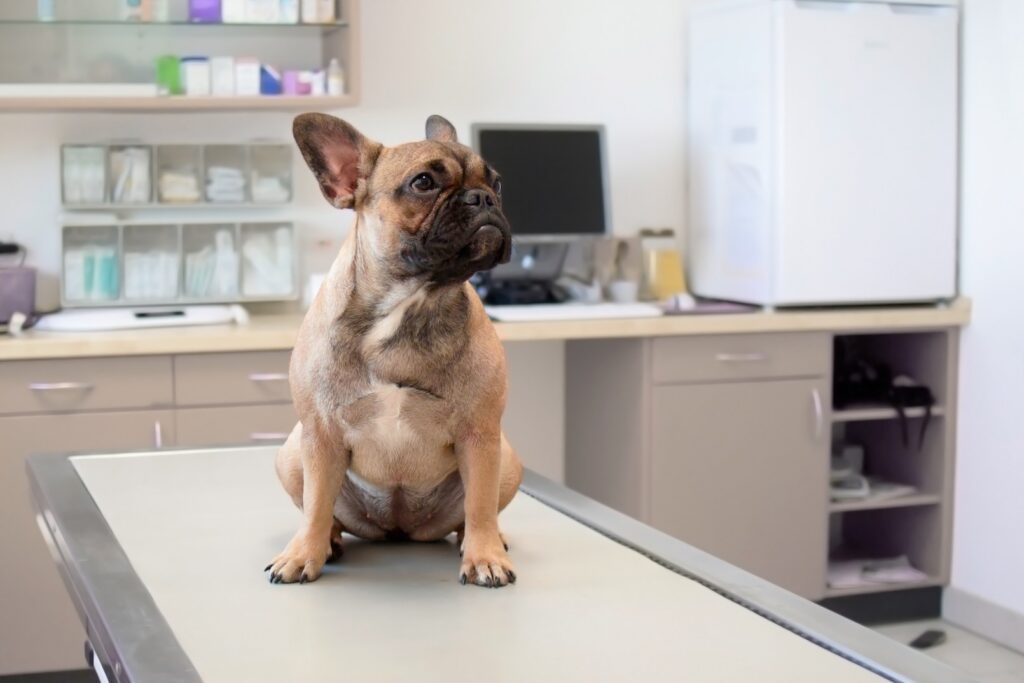
Photo by Firn/iStock/Getty Images Plus via Getty Images
French Bulldogs are known for their big ears and even bigger personalities. Unfortunately, they’re also known for developing intervertebral disc disease (IVDD), which can cause symptoms ranging from pain to paralysis.
Here’s what pet parents need to know about IVDD in French Bulldogs.
Key Takeaways
- French Bulldogs are especially prone to intervertebral disc disease (IVDD).
- IVDD is a spinal condition that can cause pain, weakness, and even paralysis.
- Genetics is the primary cause of IVDD in French Bulldogs.
- Many Frenchies can recover from IVDD, but prognosis depends on how badly the spinal cord was damaged and how quickly treatment begins.
- Talk to your veterinarian if you’re concerned about IVDD in your Frenchie.
What Is IVDD in French Bulldogs?
IVDD occurs when the discs between a dog’s vertebrae (bones of the spine) undergo degenerative changes and then bulge or rupture into the space around the spinal cord.
French Bulldogs usually get a type of IVDD caused by ruptures that happen suddenly. A dog may seem fine one minute and then may be in pain or not be able to walk the next.
Other breeds prone to this type of IVDD include:
What Causes IVDD in French Bulldogs?
The underlying cause of IVDD in French Bulldogs is genetics. Frenchies carry a gene variant called CDDY or FGF4-12 that gives them their short legs but also causes their intervertebral discs to degenerate at an early age.
Spinal anatomy may also play a role in the development of symptoms. Many Frenchies are born with misshapen vertebrae, which could put stress on the surrounding discs. Dogs who are overweight or obese also seem to be at higher risk of rupturing a disc.
Jumping and rough play are often mentioned as risk factors, but in most cases, symptoms develop without a clear trigger.
How Common Is IVDD in French Bulldogs?
IVDD is extremely common in French Bulldogs. In a study of more than 43,000 dogs, French Bulldogs and Dachshunds had the highest odds of developing IVDD.
In other research, IVDD was responsible for 45.5% of all neurologic disorders in Frenchies, making it by far the most frequent neurologic diagnosis.
Signs of IVDD in French Bulldogs
Signs of IVDD depend on where in the spine a disc ruptures and how much damage it does to the spinal cord.
Neck pain is the most common symptom when ruptures occur in the neck. There’s more space around the spinal cord in this area, so weakness or paralysis are less likely unless a large amount of disc material is involved.
Dogs who have disc ruptures in their back also experience pain but are more likely to have additional signs like:
- Hind end weakness or unsteadiness
- Seeming to be unaware of how the back feet are placed
- Trouble peeing or pooping
- Hind end paralysis
Call a veterinarian immediately if your dog has any of these symptoms.
French Bulldogs tend to have their first episode related to IVDD at a younger age than other breeds and are at a higher risk for reoccurrence. They may also develop more severe symptoms caused by bleeding around the spinal cord or develop a serious spinal cord condition called myelomalacia.
How To Prevent IVDD in French Bulldogs
Most French Bulldogs carry at least one copy of the gene that puts them at increased risk for IVDD.
A genetic test for this gene variant is available, and research indicates that dogs who carry one copy may be at a lower risk for developing symptoms than dogs who have two copies. Genetic information can help guide breeding decisions.
While you can’t change your Frenchie’s genetic makeup, there are some things you can do that may reduce the chances that symptoms develop.
- Keep them lean. Extra weight causes strain on the spine. Your veterinarian can determine an ideal weight range for your dog.
- Exercise appropriately. There is some evidence that dogs who get more exercise have a lower risk of disc rupture, but avoid activities that put a lot of stress on the spine. Leash walks are ideal.
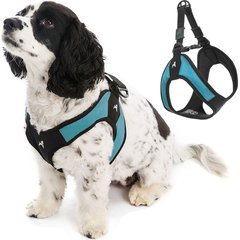
- Use a harness. A harness keeps pressure off the neck, which may help prevent disc herniations in this area.
Recommended Products
- Limit jumping. Provide ramps or pet stairs so your Frenchie can easily get on and off the couch or bed.
Recommended Products


- Pick them up carefully. Fully support your Frenchie’s chest and hind end whenever you lift them.
Keep in mind, however, that if your French Bulldog does develop symptoms associated with IVDD, there was probably not much you could have done to prevent that from happening.
How To Treat IVDD in French Bulldogs
Treatment for IVDD is based on how severe a dog’s symptoms are and how long they have been present.
Medical management is usually recommended for mild to moderate cases. It involves strict cage rest, pain relievers, and supportive care.
Surgery is usually necessary in moderate to severe cases or when a dog’s condition doesn’t improve with medical management.
You can help your Frenchie recover by:
- Restricting activity: Dogs who are being medically treated for IVDD or who are recovering from surgery need time to heal. They should stay in a crate except for leashed potty breaks and time with their loved ones.
Recommended Products


- Preventing slips and falls: Use rugs, mats, or grippy dog socks if your floors are slippery.
Recommended Product

- Following your veterinarian’s instructions: Give medications as prescribed. Your veterinarian will also tell you when it’s time for increased activity or physical therapy.
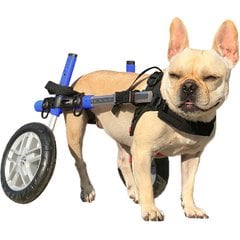
Many Frenchies do recover from an IVDD episode with appropriate treatment. Dogs who remain paralyzed will need help peeing and pooping, but can still enjoy a good quality of life, particularly with the use of a wheelchair designed for dogs.
Recommended Product
FAQs About IVDD in French Bulldogs
Can a French Bulldog recover from IVDD?
Yes, many French Bulldogs can recover from IVDD. A Frenchie’s prognosis depends on how much damage to the spinal cord occurred and how quickly treatment begins.
What are the first signs of IVDD in French Bulldogs?
The early signs of IVDD in French Bulldogs are usually neck or back pain. In severe cases, their hind ends may quickly become weak or paralyzed.
At what age do most Frenchies get IVDD?
Frenchies tend to develop symptoms associated with IVDD at an earlier age than many breeds. The typical age for a first surgery is around 4 years.