How To Give Your Dog Liquid Medication Like a Pro


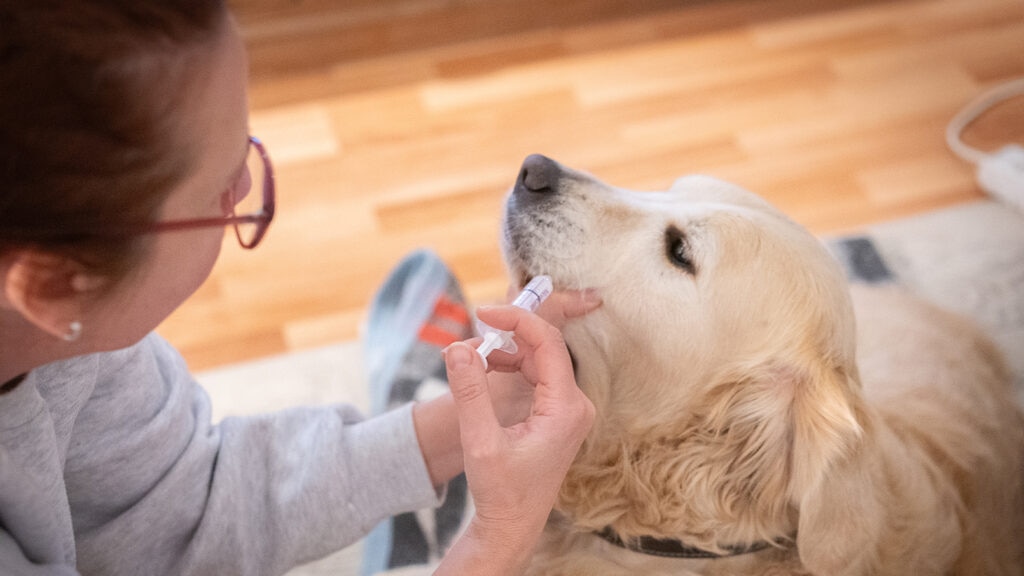
Photo by mgstudyo/E+ via Getty Images
You’ve got the liquid medication measured and ready, but every time you bring the syringe toward your dog’s mouth, they dodge it like Neo in The Matrix. Sound familiar?
Between the squirming, mouth-clamping, and uncanny ability to spit half the dose back out, giving your pup liquid medication doesn’t always go according to plan. But take heart—with the right technique and a little practice, it can get easier and less stressful for both of you.
Read on to learn how to give your dog liquid medication like a pro using vet-approved tips and techniques.
Key Takeaways
- Liquid medication can be easier to administer than pills for some dogs, but proper technique is still important.
- Using an oral syringe correctly helps ensure your dog gets the prescribed dose.
- Staying calm and using positive reinforcement can reduce stress.
- Always follow your veterinarian’s dosing instructions.
How To Give Your Dog Liquid Medication
Giving your dog liquid medication with a syringe might feel a little nerve-wracking or awkward at first, but the basic technique is pretty simple once you get the hang of it.
Here’s how to give your dog liquid medication:
- Wash your hands and prep. Wear gloves if recommended.
- Review the instructions. Read the medication label carefully, including any safety precautions, storage requirements, and special instructions, such as “shake well before use.”
- Prepare the syringe. If the medication bottle has an adaptor, securely insert the tip of the oral syringe into it. Otherwise, follow the dispensing instructions provided with the medication.
- Measure the dose. If using a bottle adaptor, turn the bottle upside down with the syringe attached and draw up the prescribed amount. If you see any air bubbles in the syringe, gently tap the side of the syringe to move the bubbles toward the tip, then push the plunger slightly to expel the air and redraw medication as needed until you have the correct dose. Make sure the amount in the syringe matches the exact prescribed dose before removing it from the bottle.
- Get your dog into position. Have your dog sit or stand in a comfortable position. Gently support their head in a neutral position if needed.
- Place the syringe in their mouth. Gently insert the syringe into the side of your dog’s mouth, just behind the canine teeth.
- Give the medication slowly. Slowly dispense a small amount of liquid at a time, pausing to give your dog time to swallow. Do not tilt your dog’s head backward.
- Let your dog swallow. Remove the syringe. If your dog spits some out, check with your veterinarian before giving another dose.
- Wipe their face. Use a moist cloth to gently wipe away any medication that ended up on your dog’s face.
- Clean the syringe. If the syringe is reusable, clean it according to the medication or pharmacy instructions and allow it to air-dry. Wash your hands afterward and discard gloves if used.
- Reward your dog. Give your dog plenty of praise—and a treat, if appropriate—to help them associate medication time with something positive.
Recommended Products
What To Do if Your Dog Spits Out Medication
So, your dog spat out their medication—now what? Don’t automatically give them another full dose, because you may not know how much they actually swallowed. Check with your vet for guidance before redosing.
If spitting out medication becomes a regular occurrence, try these tips:
- Go slower. Give the medication in smaller amounts, pausing between each to give your dog time to swallow.
- Try a different position or technique. Your vet can show you another way to administer the medication that may work better for your pup. Even if their jaw is closed, getting the syringe behind the canine teeth, next to the cheek, and administering the medication there will allow them to swallow once you remove the syringe.
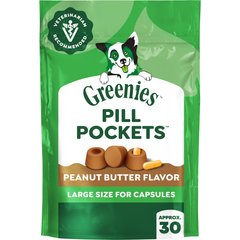
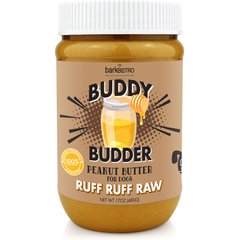
- Ask about other options. If every dose turns into a struggle, ask your vet whether the medication comes in another formulation, such as a pill or tablet that can be tucked into a pill wrap like Greenies Pill Pockets or a small amount of dog-safe human food like banana or xylitol-free peanut butter.
Recommended Products
When To Call Your Veterinarian
Even with your best technique, medication time doesn’t always go as smoothly as you’d hope.
Give your vet a call if:
- Your dog vomits after a dose. If your dog vomits or regurgitates shortly after receiving the medication, check with your vet before giving more. Some of the medication may have already been absorbed, and giving more could result in too much medication.
- You’re not sure how much they swallowed. If some of the medication ends up on the floor—or all over your dog—don’t guess how much to give them to make up for it. Ask your vet how to proceed.
- Your dog shows signs of distress. Persistent coughing, choking, wheezing, or difficulty breathing after receiving liquid medication could indicate that some of the liquid entered their airway. Difficulty breathing requires immediate veterinary attention.
- Your dog repeatedly refuses their medication. Your vet may be able to suggest another technique or an alternative formulation that’s easier to give.
FAQs About Giving Dogs Liquid Medication
Can I mix liquid medication with my dog’s food?
Sometimes, but check with your vet first, as certain medications need to be given in a specific way. If your vet gives you the OK, mix the liquid medication into a small amount of food and make sure your dog eats all of it so they get the full dose.
What if my dog won’t swallow the medication?
Try giving the medication in smaller amounts and more slowly, allowing your dog time to swallow between each portion. If they still won’t take it, ask your vet about other techniques or a different formulation that may be easier to give.
How do I know my dog got the full dose?
Watch to make sure your dog swallows the medication and check for any that they spit out or that leaks from their mouth. If you’re unsure whether they got the full dose, contact your vet before giving any more.
Is liquid medication better than pills for dogs?
Not necessarily. Some dogs are easier to medicate with liquids, while others do better with pills, so the best option depends on your dog and the medication they need.
Attributions