Fall Toxins for Pets: 5 Seasonal Dangers To Know


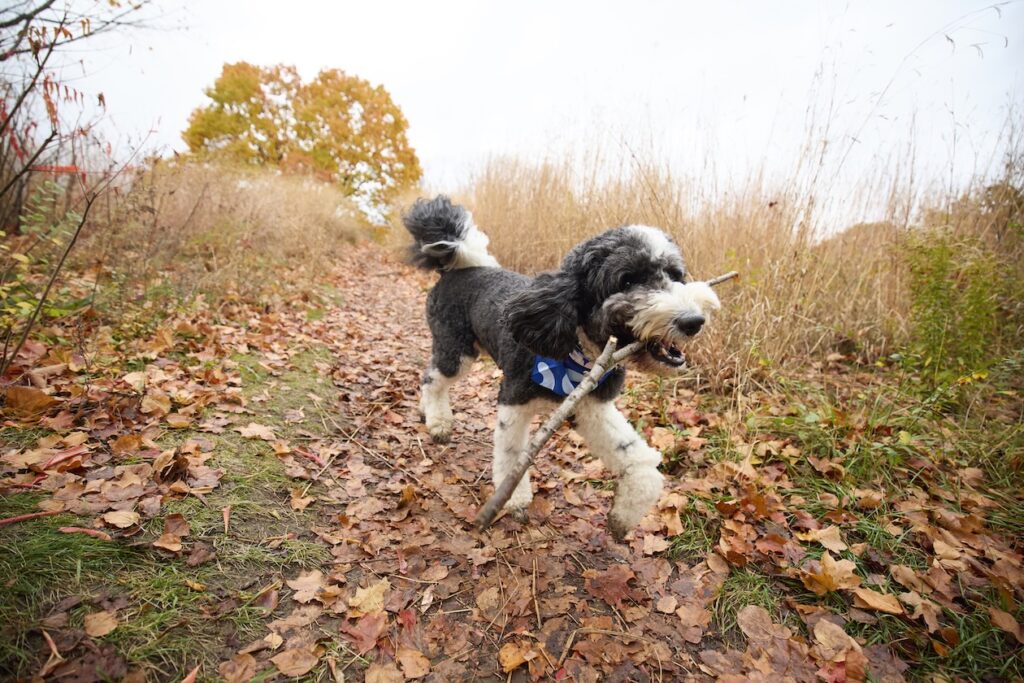
Photo by Chewy
Fall brings cooler weather, colorful leaves, and more time enjoying the outdoors with your pet. But the season can also bring hazards, such as toxins.
Knowing where these hazards may be hiding can help you prevent an emergency. Here’s what pet parents should know about common fall toxins, signs of possible poisoning, and when to call a veterinarian.
Key Takeaways
- Rodenticides, mothballs, certain mushrooms, antifreeze, and red maple leaves can pose serious risks to pets.
- Signs of poisoning vary depending on the toxin and may include vomiting, weakness, tremors, seizures, or trouble walking.
- Red maple leaves are particularly dangerous to horses when the leaves are wilted or dried.
- If you think your pet has been exposed to a toxin, contact your veterinarian or Pet Poison Helpline (855-764-7661) right away.
- Keeping potentially toxic substances secured and supervising pets outdoors can help prevent accidental exposure.
5 Potential Pet Fall Toxins
Here are five hazards to keep on your radar.
1. Mushrooms
Mushrooms often thrive in fall weather. And although many mushrooms aren’t toxic, some shrooms can cause severe illness or even death in dogs and cats.
Depending on the mushroom, poisoning can affect the digestive system, nervous system, liver, or kidneys. Possible symptoms include:
- Vomiting
- Diarrhea
- Drooling
- Trouble walking
- Tremors
- Seizures
- Disorientation
- Increased thirst or urination
Identifying mushrooms can be difficult, so treat any suspected wild mushroom ingestion as a medical emergency. Contact your veterinarian or the Pet Poison Helpline (855-764-7661) immediately rather than waiting to see whether symptoms appear.
2. Antifreeze
Antifreeze is used in vehicle cooling systems to help prevent freezing in cold temperatures. And if your pet gets into a bottle stored in the garage or a wayward puddle on the ground, it can be a serious medical emergency.
Antifreeze products can contain different ingredients, but ethylene glycol is particularly dangerous. Ethylene glycol poisoning primarily affects dogs and cats and can lead to severe kidney damage. Early treatment is critical.
Within a few hours of exposure, signs of antifreeze poisoning in dogs and cats can include:
- Vomiting
- Increased thirst
- Increased urination
- Trouble walking
- Seizures
If you suspect that your dog or cat ingested antifreeze, contact a veterinarian immediately. Don’t wait for signs of poisoning to develop.
3. Rodenticides
Rodenticides are products used to kill rats, mice, moles, and other rodents. You might find these baits in homes, garages, barns, or yards.
There are several types of rodenticides, and they don’t all affect pets in the same way. Dogs and cats may be attracted to flavored baits and accidentally eat them, or your pet could become sick after eating a poisoned rodent.
Signs depend on the product and can include:
- Unexplained bleeding
- Increased thirst or urination
- Loss of appetite
- Lethargy
- Tremors
- Seizures
- Coma
Contact your veterinarian or the Pet Poison Helpline ASAP if you think your pet ate a rodenticide.
4. Mothballs
Mothballs are pesticides used to protect stored clothing from moths. They’re often tucked into clothing containers in closets, garages, and other storage spaces.
Mothballs commonly contain either paradichlorobenzene or naphthalene. Depending on the ingredient, ingestion can affect a pet’s nervous system and damage red blood cells, liver, or kidneys.
Signs can include:
- Vomiting
- Lethargy
- Abdominal pain
- Tremors
- Trouble walking
- Seizures
- Difficulty breathing
- Pale, yellow, or brown gums
- Increased thirst and urination
Some symptoms can be delayed, so a pet who appears fine immediately after an exposure may still need emergency care. Do not hesitate to contact a vet if your pet eats a mothball.
5. Maple Leaves
Red maple leaves are a fall concern for horses. Wilted and dried red maple leaves contain a toxin that can damage a horse’s red blood cells, potentially leading to anemia.
Signs of red maple poisoning in horses can include:
- Reddish-brown urine
- Pale, yellowish, or dark brown gums
- Difficulty breathing
- Weakness
Red maple leaf poisoning can be fatal without treatment. If you know or suspect that your horse ate wilted or dried red maple leaves, seek emergency veterinary care immediately.
When To Call a Vet
If you know or suspect that your pet has been exposed to a toxin, contact your veterinarian or the Pet Poison Helpline at 855-764-7661 immediately. Don’t wait until your pet develops symptoms.
Some symptoms may appear to improve before a pet’s condition rapidly deteriorates. Delaying treatment can be disastrous.
When possible, collect information that can help identify the toxin. Bring the package or label, take a photo, or save a sample if you can do so safely. Tell the veterinarian what your pet may have encountered, approximately how much they were exposed to, and when the exposure happened.
Don’t try to make your pet vomit or give an at-home treatment unless a veterinarian or pet poison expert specifically tells you to. The safest response depends on the substance and your individual pet.
How To Protect Your Pet
Many poisonings can be prevented by limiting your pet’s access to potentially dangerous substances. A few simple fall safety habits can make a big difference:
- Store rodenticides where pets can’t reach them. When they’re in use, keep your pet away from that area.
- Keep mothballs secured inside appropriate containers and away from pets.
- Remove unknown mushrooms from areas where your animals spend time.
- Store antifreeze securely and clean up spills promptly.
- Leash-walk and supervise dogs and cats when they’re outdoors.
- Keep horses away from wilted or dried red maple leaves.
Check your home, yard, garage, and barn regularly for new hazards, especially as you prepare for colder weather.
Fall Toxins for Pets FAQs
What should I do if my pet eats something poisonous?
Contact your veterinarian or the Pet Poison Helpline (855-764-7661) immediately. Provide as much information as possible about what your pet ate, how much they may have eaten, and when it happened.
Should I make my pet vomit after they eat a toxin?
Not unless a veterinarian or pet poison expert tells you to. Making a pet vomit isn’t appropriate for every toxin and may cause additional harm in some situations.
Are all wild mushrooms poisonous to pets?
No, but it can be difficult to tell a toxic mushroom from a nontoxic one. Because some mushrooms can cause severe or even fatal poisoning, contact your veterinarian or the Pet Poison Helpline if your pet eats a wild mushroom.
Is antifreeze dangerous to dogs and cats?
It depends. Antifreeze containing ethylene glycol is highly toxic to dogs and cats and can cause severe kidney damage leading to death. Suspected ingestion requires immediate veterinary attention. Antifreeze made with propylene glycol is much safer for pets.
Are maple leaves poisonous to dogs and cats?
No. The seasonal maple-leaf hazard applies specifically to horses and red maple leaves. Wilted and dried red maple leaves can damage a horse’s red blood cells and cause life-threatening illness.
Attributions
This article was created with assistance from AI tools. The content has been reviewed for accuracy and edited by a veterinarian.