Can Dogs Eat Mushrooms?


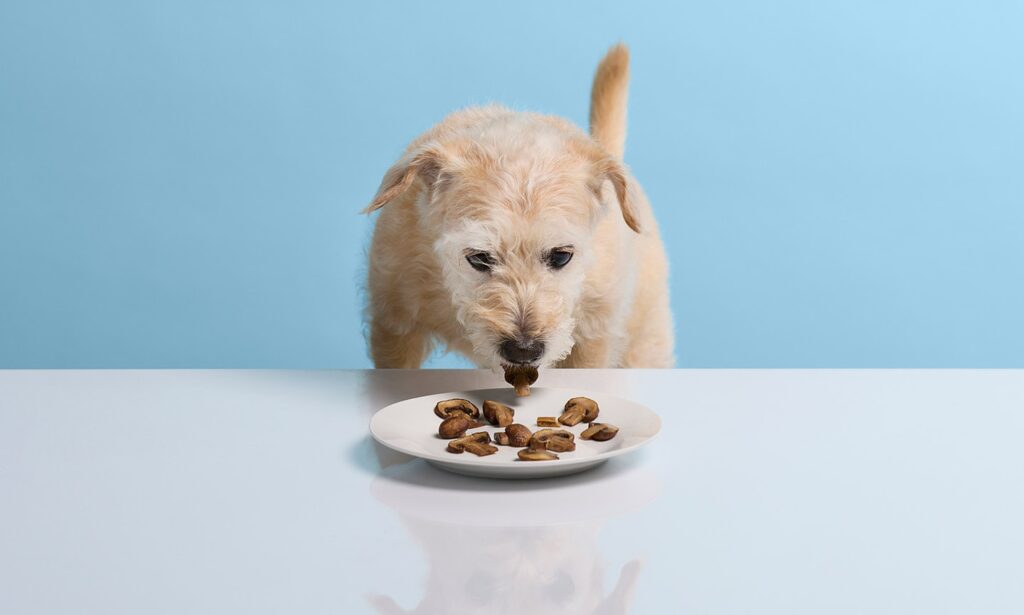
Photo by Chewy
You’re chopping up cremini mushrooms for your famous risotto, when you feel a pair of eyes fixed on you. Your pup’s been drawn in by the earthy aroma.
But can dogs eat mushrooms?
The short answer is it depends—some mushrooms are safe for dogs, while others aren’t. Here’s what’s OK and which ones to avoid.
Before serving any new foods to your pet, consult with your veterinarian first.
Key Takeaways
- Yes, some mushrooms are safe for dogs—but many are not. Plain, store-bought mushrooms are usually safe.
- Most wild mushrooms can be life-threatening to your dog. If your dog eats a mushroom outdoors, call your veterinarian or Pet Poison Helpline (855-764-7661; a fee applies) right away.
- Safe mushrooms aren't a nutritional necessity. While they contain vitamins, minerals, and antioxidants, the health benefits are likely to be minimal.
- Only serve mushrooms prepared safely. Cook plain, dog-safe mushrooms and skip seasonings like onion, garlic, and products containing xylitol, which are toxic to dogs.
- Vomiting, diarrhea, tremors, seizures, difficulty breathing, and severe lethargy are signs of mushroom poisoning in dogs and require immediate veterinary attention.
Are Mushrooms Safe for Dogs?
Yes, some mushrooms are safe for dogs—but not all mushrooms.
Some varieties, particularly those sold in grocery stores, are usually safe for dogs, but you should always check with your veterinarian first.
Commonly purchased mushrooms that are considered safe for dogs include:
- White button
- Cremini
- Portobello
- Baby bella
- Shiitake
- Porcini
- Maitake
Additionally, certain medicinal mushrooms may be safe and beneficial for dogs in small doses.
Some examples include:
- Reishi
- Cordyceps
- Lion’s mane
- Turkey tail
- Chaga
Research surrounding medicinal mushrooms for pets is in its early stages, so there may be unknown risk factors. Don’t give your dog medicinal mushrooms without approval and monitoring from your veterinarian.
Are Mushrooms Good for Dogs?
Some mushrooms are safe for dogs, but whether they’re good for dogs is another matter.
Nontoxic mushrooms do contain essential nutrients, such as:
- Vitamins B and D to support immune function and other body systems
- Selenium to support immune health
- Potassium to support heart health and muscle strength
- Copper to support blood and tissue health
- Antioxidants to provide cell protection and support immune health
However, since most dogs won’t eat a ton of mushrooms, any health benefits will likely be minimal.
Are Mushrooms Bad for Dogs?
Yes, some mushrooms are very bad for dogs.
In fact, if you’ve ever wondered “Are mushrooms poisonous to dogs?”, the answer is yes—some definitely are.
Wild mushrooms are usually dangerous. Many are highly poisonous to canines, just as they are for humans. These mushrooms grow in damp locations, such as your lawn and the woods.
You should always be wary if your dog ate a mushroom in the yard or outdoors. Call Pet Poison Helpline (855-764-7661; a fee applies) immediately.
Over 100 mushroom species are poisonous to dogs. Some of most common toxic species in the U.S. and Canada are:
- Amanita phalloides (death cap)
- Amanita bisporigera (death angel)
- Amanita gemmata (jeweled death cap)
- Amanita muscaria (fly agaric)
- Amanita pantherina (panther cap)
- Clitocybe dealbata (ivory funnel)
- Galerina marginata (deadly galerina)
- Gyromitra esculenta (false morel)
- Inocybe species (fiber caps)
Symptoms of Mushroom Poisoning in Dogs
Symptoms of mushroom poisoning in dogs can occur within minutes or hours.
Here are common signs of mushroom poisoning in dogs:
- Upset stomach:
- Vomiting
- Diarrhea
- Excessive drooling
- Abdominal pain
- Neurological issues:
- Weakness
- Unsteady movement
- Vocalizations
- Tremors
- Seizures
- Coma
- Heart abnormalities:
- Changes in heart rate, rhythm, and blood pressure
- Changes in behavior or mood:
- Agitation
- Lethargy
- Difficulty breathing:
- Panting
- Labored breathing
- Liver and kidney damage:
- Increased drinking and urination
- Jaundice
- Severe lethargy
- Collapse
What To Do If Your Dog Ate Toxic Mushrooms
If you suspect your dog has ingested a potentially toxic wild mushroom, act quickly.
- Remove any remaining mushroom from your dog’s mouth and from their reach so they don’t eat more.
- Quickly collect a sample of the mushroom. It may help your veterinarian identify the type of mushroom and determine the appropriate treatment. Use gloves or a bag to avoid direct contact.
- Take your dog to your veterinarian or an emergency veterinary clinic immediately. Do not waste time trying to identify the type of mushroom yourself. You can call Pet Poison Helpline (855-764-7661; a fee applies) on your way there.
- If directed, induce vomiting. In some cases, your veterinarian may instruct you to induce vomiting before taking your dog to the clinic. Never attempt to do this without your vet’s guidance, as it can sometimes cause more harm than good.
Mushroom poisoning in dogs can be life-threatening, so prompt action is critical.
How Do I Prevent My Dog from Eating Toxic Mushrooms?
Here are some strategies to prevent your dog from ingesting potentially poisonous mushrooms.
Perform Regular Yard Checks
Regularly inspect your yard or any outdoor spaces your dog frequents for the presence of mushrooms.
Wearing gloves, remove any you find, even if you’re unsure about the type.
Learn Mushroom Identification
Familiarize yourself with the appearance of common toxic mushrooms in your region.
While it’s challenging to identify all types of mushrooms—given there are thousands of species—a basic understanding of the most dangerous varieties can be useful.
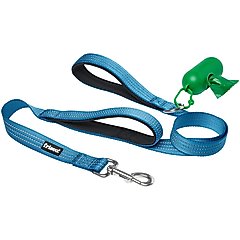
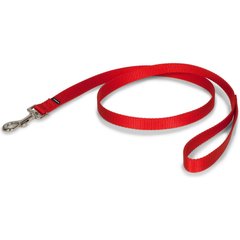
Always Walk on a Leash
Keep your dog on a leash when exploring new areas, especially during mushroom seasons (usually spring, summer, and fall, particularly after heavy rains).
Recommended Products
Train Your Pup Well
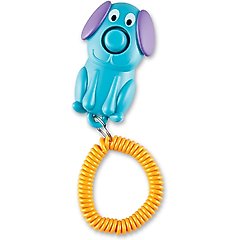
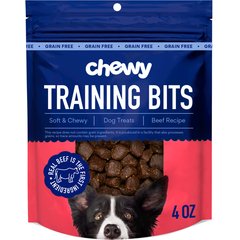
Train your dog to understand commands, like “leave it” or “drop it,” using positive reinforcement.
Recommended Products
How To Give Your Dog Mushrooms
It’s OK to let your dog taste pup-safe mushrooms if your vet approves, but don’t go overboard.
Treats—including any people food—should make up no more than 10% of your pup’s daily diet.
How To Prepare Mushrooms for Your Dog
- Cook the mushrooms. Cooking not only makes them more digestible, but it also destroys any potential harmful bacteria that might be present.
- Chop or puree. Mushrooms should be chopped or pureed to prevent choking and help with digestion.
- Don’t add seasonings. Onions or garlic are particularly important to avoid, as these are poisonous to dogs. Many seasonings may have xylitol, which is toxic to dogs.
How To Serve Mushrooms to Your Dog
- Use them as a food topper: Chopped, cooked mushrooms have a meat-like texture and can be used as a delicious and nutritious topper. Sprinkle 1–4 tablespoons of cooked mushrooms (depending on your pup’s size) over their dog food.
- Make dehydrated mushroom treats: For a tasty, crunchy snack for your dog, dehydrate mushrooms in the oven.
- Clean the mushrooms, dry well, and slice into thin pieces.
- Place the mushrooms on a baking sheet fitted with a wire rack.
- Bake the mushrooms in the oven at 170 F until they’re crisp, about 2–3 hours. You can prop the oven door open with a wooden spoon while cooking to vent steam. Using a dehydrator also works.
- Stuff them in toys: Stuff a food dispenser with a mixture of your dog’s regular kibble; chopped, cooked mushrooms; and a bit of dog-friendly broth. Freeze and serve.
Recommended Products

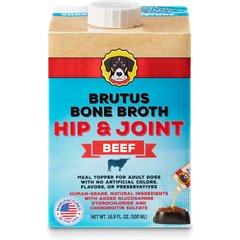
- Make a mushroom gravy: Make a simple, dog-friendly gravy by blending dog-friendly broth and cooked mushrooms. Once cooled, you can pour 1–4 tablespoons of the gravy (depending on your pup’s size) over your dog’s regular kibble for a special treat.
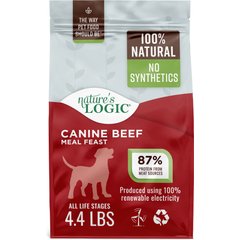
- Find a dog food with mushrooms: If you’re looking for an easy and convenient way to include mushrooms in your dog’s diet, consider store-bought dog food that contains safe mushrooms.
Recommended Product
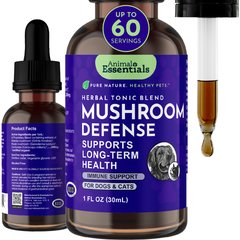
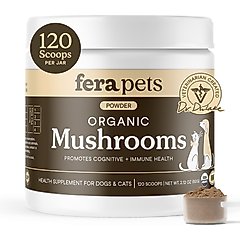
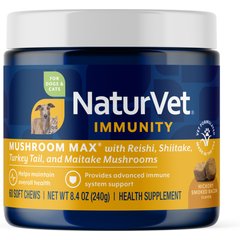
- Try mushroom supplements: There are mushroom supplements that are specifically designed for dogs. These often include medicinal mushrooms, like turkey tail, reishi, maitake, and shiitake, all of which are known for their immune-boosting properties and rich antioxidant content. As with any new supplement, consult with your veterinarian before adding a mushroom supplement to your dog’s routine.
Recommended Products
FAQs About Dogs and Mushrooms
Can dogs eat raw mushrooms?
Yes. Dogs can eat dog-safe mushrooms raw, but it’s safer to cook them first.
Can dogs eat mushrooms cooked?
Yes. It’s much safer for dogs to eat cooked mushrooms, as long as they’re dog-safe varieties.
Can dogs eat portobello mushrooms?
Yes. Dogs can eat portobello mushrooms, but you should buy ones that are sourced for human consumption and cooked first.
Can dogs eat mushroom soup?
Yes. Mushroom soups meant for human consumption are also usually safe for dogs.
Attributions