Summer BBQ Foods You Should Never Feed Your Dog


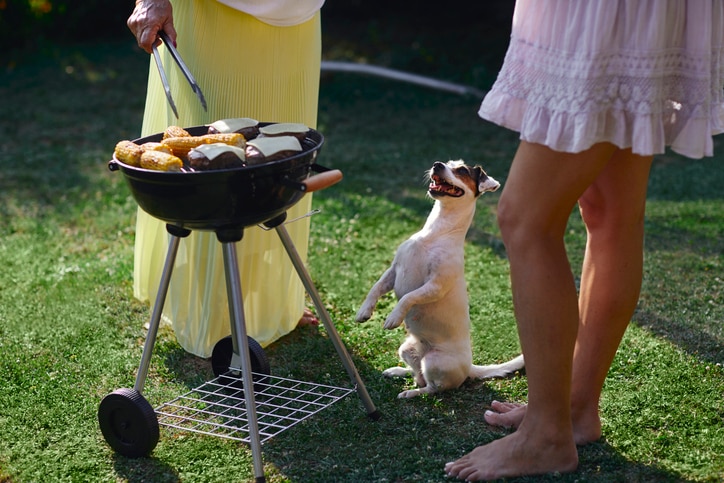
Photo by vgajic/iStock/Getty Images Plus
There’s nothing cheerier than a summer cookout with your pup in tow—who doesn’t love friends, food, and dogs zooming around the yard?
While you’re flipping burgers and nibbling on corn on the cob, your dog might be eyeing those goodies for themselves, and you might be tempted to offer a bite.
But what human foods can dogs eat at the backyard barbecue? Many classic cookout foods aren’t just unhealthy for dogs—they can be downright dangerous.
Key Takeaways
- Dogs shouldn’t eat most barbecue staples like meat. Even regular hamburgers can trigger pancreatitis.
- Avoid bones, which can splinter, and corn on the cob, which can cause a dangerous intestinal blockage.
- Sauces, seasonings, and sweeteners can upset your dog’s stomach or lead to serious health issues. Some may contain xylitol, which is toxic to dogs and an emergency if ingested.
- If you’d like to include your dog in the festivities, try plain unseasoned chicken in small amounts, dog-safe fruits or veggies, or treats made especially for dogs.
Backyard BBQ Foods Dangerous for Dogs
Cookouts are packed with rich, seasoned, and sometimes toxic ingredients that just aren’t healthy for dogs. While it might feel harmless to share a bite, many of these foods can lead to anything from an upset stomach to poisoning.
Hamburgers, Hot Dogs, and Other Greasy or Fried Foods
Rich, fatty foods like burgers and hot dogs might smell amazing to your pup, but they can be tough on their stomach. Too much grease can even trigger pancreatitis, which is painful and can be serious.
Because barbecue foods are much higher in fat than your dog is used to, it’s best to skip:
- Burgers and fatty meats
- Hot dogs and sausages
- Bacon and meat scraps
- Fried foods like french fries or fried chicken
- Grease or drippings
- Foods cooked in butter, oils, or heavy sauces
If you want to treat your dog, stick to simple options like:
- Plain, unseasoned grilled chicken (no skin)
- Small amounts of lean beef
- Plain, unseasoned turkey (no skin)
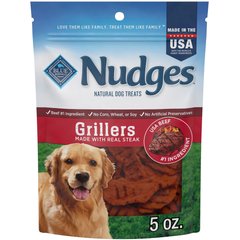
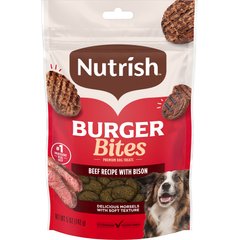
You can also buy BBQ-themed dog treats so your pup can join the fun without risk.
Recommended Products

Food With Bones, Cobs, and Skewers
Cooked bones are brittle and prone to splintering, which can cause choking, cracked teeth, or serious internal injuries. It’s best for dogs to avoid the following foods at cookouts:
- Chicken wings and drumsticks
- Ribs
- Steak bones
- Corn on the cob
- Any food on skewers
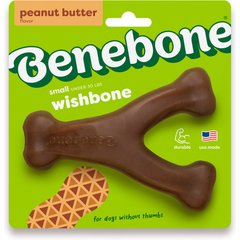
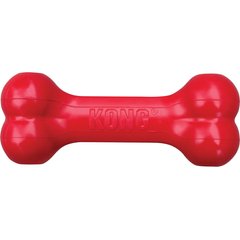
If you’re feeling bad your bestie doesn’t have a bone to gnaw on, buy them a dog-safe chew toy they’ll love even more.
Recommended Products
Onions, Garlic, and Other Alliums
Onions, garlic, chives, and leeks might be common cookout ingredients, but they’re toxic to dogs—even in small amounts.
They contain compounds that damage red blood cells and can even lead to anemia and organ damage.
Even small exposures—like onion powder in seasoning—can add up, so it’s best to keep these ingredients completely off your dog’s plate.
Grapes and Raisins
Grapes and raisins may seem like a healthy snack, but they’re highly toxic to dogs. They contain a compound that can cause kidney damage or kidney failure. Eating even a small amount is considered an emergency.
If your dog eats grapes or raisins, contact your veterinarian right away.
Seasonings, Sauces, and Marinades
Not only are cookout foods heavy in greases and fats, but they’re also often cooked in seasonings, marinades, and sauces that can irritate your dog’s digestive system. Some even contain toxins that can be fatal.
Avoiding all seasonings, sauces, or marinades is a good best practice, but here are the ingredients that are especially problematic:
- Onion powder: Can damage red blood cells and lead to weakness, pale gums, or low energy
- Excess salt: Can cause dehydration or sodium poisoning
- Sugar: Can upset your dog’s stomach and, over time, lead to obesity
- Spicy foods: Can irritate your dog’s stomach, causing vomiting or diarrhea
- Xylitol: Extremely toxic sweetener that can cause dangerously low blood sugar and liver failure; found in products like some barbecue sauces and ketchups (as well as peanut butters)
- Vinegar: Can irritate the digestive system and cause vomiting or diarrhea
Alcohol and Desserts—Especially Chocolate
Sweet treats and drinks are part of the fun—but they’re not safe for your dog.
Avoid:
- Alcohol: Can depress the nervous system and be life-threatening
- Chocolate: Can affect the heart and nervous system, with signs like vomiting, restlessness, or a rapid heart rate
- Macadamia nuts: Can cause weakness, tremors, and overheating
- Desserts such as ice cream and cake: Can upset your dog’s stomach, and some may contain xylitol, which is extremely toxic
Looking for a dog-safe dessert? Try these recipes.
You can also buy these dog treat cookies so your pup can enjoy a safe treat.
Recommended Product

Classic Cookout Side Dishes
Some common cookout sides can have hidden ingredients like onions, garlic, sugar, and excess fat, which can be unsafe for dogs and may cause stomach upset or more serious issues.
Avoid sharing:
- Potato salad
- Coleslaw
- Baked beans
- Pasta salad
- Mac and cheese
- Deviled eggs
What To Do If Your Dog Eats Unsafe Food
If you happen to be in the middle of a barbecue—or any other event—and notice that your dog has eaten something dangerous, make sure they get care right away.
Ingesting a dangerous food or toxin can escalate quickly, so call your veterinarian immediately or take your dog to the emergency vet. You can phone Pet Poison Helpline (855-764-7661) on the way there.
Dog-Safe BBQ Foods
Your dog doesn’t have to miss out on the fun—there are plenty of safe ways to let them join in.
As a rule of thumb, treats (including human foods) should make up no more than 10% of your dog’s daily diet.
Safe cookout options include:
- Grilled chicken (unseasoned)
- Small pieces of lean beef (unseasoned)
- Grilled turkey (unseasoned)
- Carrots (baby carrots, thin slices, or bite-sized pieces)
- Cucumber slices
- Watermelon (seedless, no rind)
- Corn kernels (plain, off the cob)
- Strawberries (plain, cut into small pieces)
- Blueberries
- Apple slices (no seeds or core)
- Rice (plain)
- Potatoes (unseasoned, not fried)
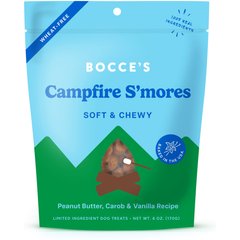
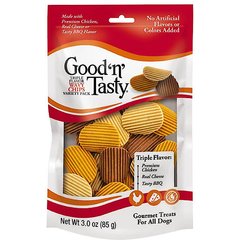
You can also stock up on tasty dog treats so your dog can enjoy something special too. Here are some picks with a summer vibe:
Recommended Products


How To Keep Your Dog Safe at a Barbecue
Barbecues are full of tempting smells and dropped food, so it’s easy for dogs to get into something they shouldn’t. A few simple steps can help keep your pup safe.
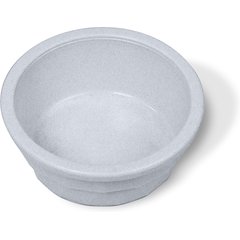
- Set up a dog-safe space. Keep your dog away from the food area, ideally with shade. An outdoor water bowl and a cooling mat can help them stay comfortable
Recommended Products

- Ask guests not to share food. Even small bites can be unsafe.
- Watch for dropped food. Keep an eye on the ground near grills and tables.
- Secure the trash. Make sure the lids are closed to prevent sneaky snacking.
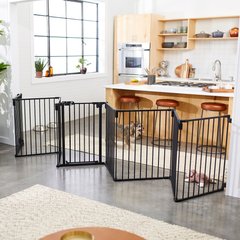
- Limit access to prep areas. Use a dog gate if needed.
Recommended Product
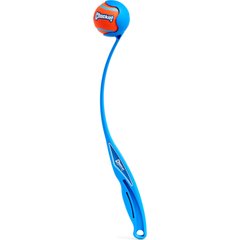
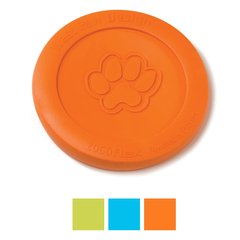
- Keep your dog busy. A backyard game of fetch can help prevent boredom and food scavenging.
Recommended Products
A little planning goes a long way in keeping your dog safe and letting everyone enjoy the cookout.
FAQs About Dangerous BBQ Foods for Dogs
Can dogs eat grilled meat from a BBQ?
Maybe. Dogs can eat small amounts of plain, unseasoned grilled meat, but fatty or heavily seasoned meats should be avoided.
Is it OK to give dogs table scraps at a cookout?
No. Most table scraps are too fatty and salty. If they’re seasoned or marinated they also probably contain unsafe ingredients, so it’s best not to share them.
Can dogs eat corn at a cookout?
It depends on the type of corn. Dogs can eat plain corn kernels in small amounts, but corn on the cob is dangerous and should never be given due to the risk of intestinal blockage.
Attributions
This article was created with assistance from AI tools. The content has been reviewed for accuracy and edited by a human.