Kidney Disease in Dogs: Signs, Causes, and Treatment


Photo by Chewy
Kidney disease in dogs is a serious condition that affects how well the kidneys filter waste and maintain fluid balance in the body. Early signs can be subtle and may include increased thirst, urinating more frequently, weight loss, vomiting, or lethargy.
Because the condition often develops gradually, early veterinary diagnosis and treatment are key to slowing progression and helping maintain your dog’s quality of life. If you notice any unusual changes in your dog’s behavior or health, seek prompt veterinary care.
Key Takeaways
- Kidney disease in dogs reduces the kidneys’ ability to remove waste and toxins from the body.
- Chronic kidney disease is common in middle-aged and older dogs and cannot be cured, but early treatment can slow progression.
- Signs often appear late and may include increased thirst and urination, weight loss, vomiting, lethargy, and bad breath.
- Causes range from toxins and infections to high blood pressure and congenital defects.
- Prompt veterinary diagnosis, prescription diets, medications, and supportive care can help improve quality of life.
What Is Kidney Disease in Dogs?
Kidney disease in dogs occurs when the kidneys lose their ability to properly flush out toxins and waste from the body.
When your dog’s kidneys don’t work properly, this process breaks down, and it can result in symptoms like increased thirst, vomiting, and weight loss.
Acute kidney injury in dogs, also called acute kidney disease, usually develops over hours or days and can often be reversed.
Chronic kidney disease (CKD) is a severe form of the illness that cannot be reversed. It’s common, affecting nearly 4% of dogs. Middle-aged and older pets are more likely to be affected, and certain breeds—such as German Shepherds, Bull Terriers, Cavalier King Charles Spaniels, and Boxers—are predisposed, likely due to genetics.
There are four stages of chronic kidney disease in dogs, and the progression can take months or years:
- Stage 1: This stage has few, if any, visible symptoms and minimal kidney damage.
- Stage 2: Mild symptoms, like more frequent drinking and peeing, begin to emerge.
- Stage 3: Symptoms like fatigue and weight loss will be more pronounced.
- Stage 4: Symptoms are severe, with around 85% of kidney function lost.
Signs of Kidney Disease in Dogs
Signs of kidney disease in dogs are often not obvious until a significant portion of the dog’s kidneys have been damaged.
In acute kidney injury, these symptoms will come on quickly, while chronic kidney disease will see a more gradual progression of symptoms.
Symptoms of kidney disease in dogs may include:
- Increased thirst
- Urinating frequently
- Weight loss
- Decreased appetite
- Lethargy
- Weakness
- Vomiting
- Diarrhea
- Dry, pale gums
- Bad breath
- Mouth ulcers
Causes of Kidney Disease in Dogs
There isn’t a single cause of kidney disease in dogs, and causes may be different for acute and chronic kidney disease.
Causes of acute kidney injury in dogs may include:
- Ingestion of toxins, such as antifreeze, that can damage kidneys and lead to urinary obstruction
- Ingestion of grapes or raisins, which can damage the kidneys and prevent filtering of blood
- Injuries, such as bee stings, that can damage the kidneys and reduce blood flow to them
- Bacterial infections, such as leptospirosis, that lead to severe kidney inflammation and reduce blood flow to the kidneys
- Severe dehydration, which causes reduced blood flow to the kidneys
- Urinary obstruction, which increases pressure in the kidneys and toxin buildup
- Heatstroke, which leads to dehydration and lack of adequate blood flow to the kidneys
Causes of chronic kidney disease in dogs may include:
- Kidney tumors, which damage the kidneys and interfere with filtering waste
- Congenital defects, such as deformed kidneys, which interfere with their ability to filter toxins and waste
- High blood pressure that causes scarring of the kidneys and reduced filtering of wastes
- Kidney inflammation, which leads to toxin buildup
- Aging changes as kidney function declines over time
- Poor diet, which increases the workload of the kidneys
Diagnosis of Kidney Disease in Dogs
Kidney disease in dogs is diagnosed through a combination of lab testing, blood pressure measurement, imaging studies, and a thorough veterinary evaluation.
If you notice signs of kidney disease in your dog, call your vet for an appointment as soon as possible. At the appointment, your vet will perform a complete physical exam and may recommend tests such as:
- Bloodwork: To assess blood cell counts, kidney values, electrolytes, and evidence of infections
- Urinalysis: To check urine for protein, abnormal pH or concentration, and infections that indicate kidney disease
- Blood pressure check: To identify abnormal blood pressure
- X-rays or ultrasound: To examine kidney size and identify abnormalities, such as tumors or urinary stones
If your dog has ingested something toxic, like antifreeze or grapes, head to your veterinarian or an emergency veterinarian as soon as possible. You can call Pet Poison Helpline (855-764-7661, a fee applies) on the way.
Treatment of Kidney Disease in Dogs
Treatment of kidney disease in dogs depends on the type of kidney disease and cause.
Dogs with acute kidney disease due to a toxin ingestion or urinary obstruction can often recover if treated promptly. Your veterinarian might treat the disease with:
- Fluid therapy to restore blood flow to the kidneys, flush out toxins, and regulate electrolytes
- Feeding tubes for nutritional support
- Intravenous medications, such as apomorphine, to induce vomiting after toxin ingestion
- A toxin antidote if you know which toxin your dog ingested
- Surgery or catheterization to remove urinary obstruction
- Active cooling and oxygen therapy for dogs experiencing heatstroke
- Diuretics, such as furosemide, to stimulate urine production (in some cases)
Recommended Product
- Antibiotics, such as doxycycline, to treat bacterial infections
Recommended Product

Chronic kidney disease is not reversible. Instead, treatment focuses on managing symptoms and slowing disease progression. Your dog’s veterinarian may recommend:
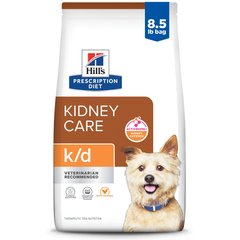
- A prescription renal diet, such as Hill’s k/d Kidney Care
Recommended Product
- ACE inhibitors, such as enalapril, to manage blood pressure
Recommended Product
- Calcium channel blockers, such as amlodipine, to manage blood pressure
- Phosphate binders, such as aluminum hydroxide, to bind excess phosphorus
Recommended Product
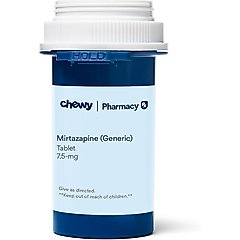
- Appetite stimulants, such as mirtazapine, to improve appetite
Recommended Product
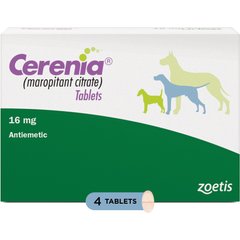
- Anti-nausea medications, such as maropitant, to reduce vomiting
Recommended Product
- Erythropoietin, a hormone that stimulates red blood cell production
How To Keep Your Dog Comfortable
After your dog has been diagnosed, follow your veterinarian’s instructions for treatment and care.
You can also make a few changes at home to keep your dog comfortable:
- Encourage drinking by adding a water fountain or a spoonful of low-sodium chicken broth to your dog’s water bowl. You can also buy chicken broth made especially for dogs.
Recommended Products


- Offer your dog canned food formulated for kidney function to increase water intake and hydration—but only with vet approval
Recommended Product

- Provide a quiet, comfortable place to relax. Give them an orthopedic bed and a soft blanket.
Recommended Products


How To Prevent Kidney Disease in Dogs
There are a few ways to minimize your dog’s risk for kidney disease:
- Schedule routine veterinary visits. Keep your dog up to date on regular exams and vaccinations.
- Prevent toxin exposure. Keep household chemicals and other toxic substances out of reach to avoid accidental ingestion. You can use dog gates to block off parts of your house that aren’t dog-friendly.
Recommended Product

- Feed a balanced diet. Provide a high-quality diet, such as Purina Pro Plan Complete Essentials, to support optimal health.
Recommended Product

- Support hydration. Always provide access to fresh, clean water to help maintain proper kidney function.
FAQs About Kidney Disease in Dogs
How long can a dog live with kidney disease?
Life expectancy depends largely on how advanced the disease is at diagnosis. Dogs with late-stage chronic kidney disease may live an average of about four months. Dogs diagnosed earlier often have a better prognosis and may live around two years or longer with appropriate treatment. On the other hand, dogs with acute kidney injuries may have a typical life span if they receive prompt treatment and kidney function recovers.
Should you consider euthanasia for a dog with kidney disease?
Sometimes. Euthanasia may be considered for dogs who are in late-stage kidney disease. Speak with your vet to discuss your dog’s quality of life and their recommendation for what is most humane for your dog.
Do dogs with kidney disease drink a lot of water?
Yes, dogs with kidney disease drink a lot of water. This is often the first noticeable sign of kidney disease.
How fast does kidney disease progress in dogs?
It depends. Acute kidney disease can come on in hours or days, but chronic kidney disease may take months or years to progress.