Taurine for Dogs: Benefits, Uses, and Safety


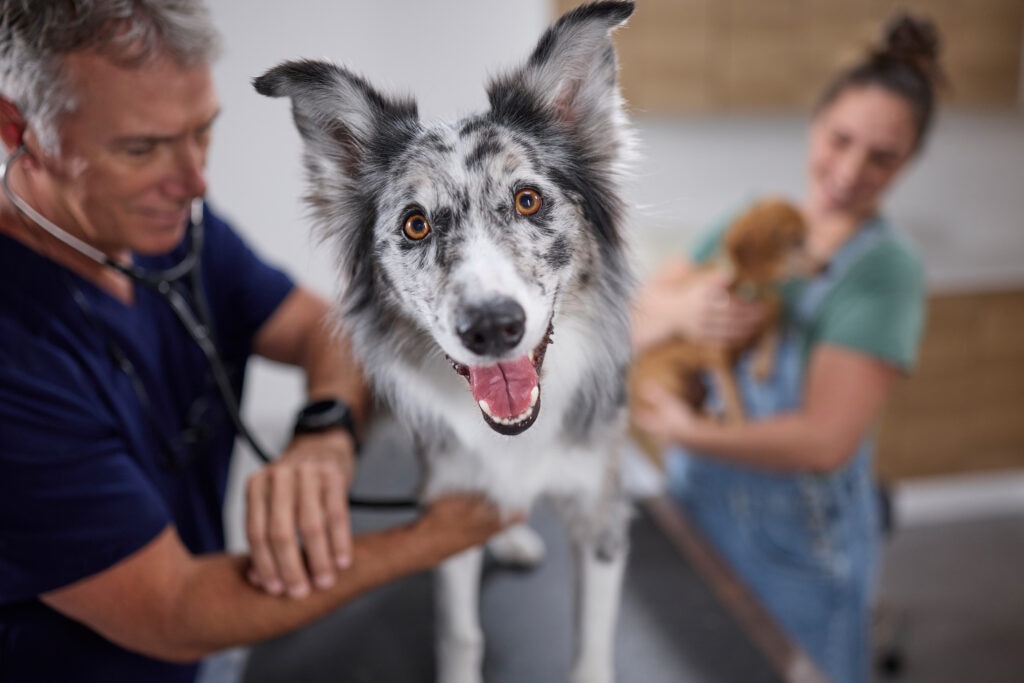
Photo by Chewy
Taurine is an amino acid (a building block of protein) involved in normal heart, muscle, and eye function in dogs.
While most dogs can produce sufficient amounts of taurine on a balanced diet, certain breeds, diets, and medical conditions may increase the risk of deficiency.
Understanding when taurine truly matters—and when it may not—can help guide conversations with your veterinarian about your dog’s nutrition and heart health.
Key Takeaways
- Taurine is an amino acid that plays a role in heart, eye, and muscle function in dogs.
- Most dogs can make their own taurine, but some may be at higher risk for low levels.
- Low taurine has been linked to certain heart conditions, including dilated cardiomyopathy (DCM).
- Taurine supplements are not necessary for every dog and should only be used with your vet’s guidance.
- Research on taurine and canine health is ongoing and continues to evolve.
What Is Taurine for Dogs?
Taurine is a naturally occurring amino acid found mainly in animals. Amino acids are the building blocks of protein that the body uses to support normal structure and function, including healthy muscles, nerves, and organs.
Unlike cats, who must get taurine directly from their food, most dogs can make taurine on their own from other amino acids, such as methionine and cysteine. For many dogs, this internal production is enough to meet their daily needs.
So why does taurine matter for dogs? Taurine helps support normal heart muscle contractions, healthy vision, and proper muscle function throughout the body. It is especially important for tissues that rely on steady electrical signals and energy use, like the heart and eyes.
While taurine is not considered an essential nutrient for every dog, it can become important in certain situations, such as:
- Dogs with specific medical conditions affecting how taurine is processed in the body or absorbed from the digestive tract.
- Dogs eating non-traditional diets.
- Some breeds, like Cocker Spaniels, Golden Retrievers, and Newfoundlands, may not make enough taurine on their own and can be at higher risk for low taurine levels.
Why Taurine Matters for Dog Health
Even though most dogs can produce enough taurine on their own, maintaining the right levels is important for normal function in certain tissues, particularly the heart and eyes. Factors such as diet composition, breed-related differences, and digestive disorders can interfere with taurine levels in some individuals.
When taurine levels fall too low, these normal body functions may not work as efficiently, which is why veterinarians may recommend checking a dog’s taurine status depending on their situation.
Taurine and Dog Heart Health
Taurine is most often discussed in relation to dog heart health. Low taurine levels have been found in some dogs diagnosed with dilated cardiomyopathy (DCM), a condition where the heart becomes enlarged and struggles to pump blood effectively. Dogs with this condition may show signs like tiring easily, coughing, weakness, or fainting.
In 2018, The U.S. Food and Drug Administration investigated a possible connection between certain diets and cases of DCM in dogs. While the exact causes of diet-associated DCM are still being studied, taurine deficiency is considered one possible contributing factor in some cases, but it’s not the only explanation.
Because heart disease in dogs can develop for many reasons, veterinarians look at taurine levels as just one piece of a much larger picture when it comes to a dog’s health.
Taurine’s Role in Vision and Muscle Function
Taurine also supports normal eye health by helping to maintain the structure and function of the retina, the part of the eye that processes light.
Taurine also plays a role in normal muscle function by helping support smooth, coordinated muscle contractions, including those of the heart and skeletal muscles.
In animals, severe taurine deficiency has been linked to retinal degeneration and muscle weakness. For this reason, your vet may consider testing your dog’s taurine levels if your dog has been exhibiting unexplained vision changes, weakness, or reduced energy.
Taurine Deficiency in Dogs
Taurine deficiency occurs when a dog’s body does not have enough taurine to support normal bodily functions. This is considered uncommon, but it can happen under certain conditions, such as underlying health issues that impact digestion or metabolism, or diets that don’t provide enough usable amino acid building blocks.
Some large-breed dogs, like Golden Retrievers, have appeared more often in reports involving low taurine levels and diet-associated heart disease. However, breed alone does not determine risk when it comes to taurine deficiency in dogs.
Because the signs of taurine deficiency can look similar to those of other medical conditions, your vet may recommend blood testing to truly confirm low taurine levels.
Potential Benefits of Taurine for Dogs
When a dog is diagnosed with low taurine levels, supplementation may help support normal heart function as part of a veterinarian-guided treatment plan.
In dogs with taurine-responsive DCM, restoring normal taurine levels has been associated with improvements in heart function and clinical signs. Routine taurine supplementation is unnecessary for dogs with normal taurine levels.
It’s important to always ask your vet before adding a supplement to your dog’s diet.
Cons and Risks of Taurine for Dogs
While taurine is generally considered safe when used appropriately, supplementing your dog is typically uncommon.
More importantly, adding taurine without your vet’s guidance could delay an accurate diagnosis for your dog. Your vet will determine the right diagnosis and plan depending on your pup’s needs.
Taurine Dosage for Dogs
The safest way to know the proper dose of taurine for your dog is to ask your veterinarian.
They will typically only recommend a taurine supplement after making an accurate diagnosis of your dog’s medical condition and after testing blood taurine levels.
Best Taurine Products for Dogs
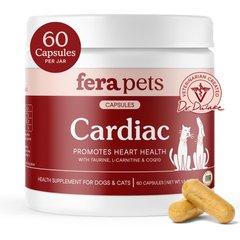
It is always best to check with your vet first before adding a taurine supplement to your dog’s diet. If necessary, your vet may recommend taurine supplements such as:
Recommended Products

When to Call the Vet
Contact your veterinarian if your dog shows any signs such as:
- Low energy
- Difficulty exercising
- Coughing
- Fainting
- Noticeable changes in their vision
You should also talk with your vet if your dog belongs to a breed that may be at higher risk for taurine deficiency or if you are considering adding any supplement to your dog’s routine.
Early evaluation helps ensure potential issues in your pup are identified and managed appropriately.
Frequently Asked Questions About Taurine for Dogs
Can dogs get enough taurine from food alone?
Most dogs can make enough taurine from a complete and balanced diet, though some dogs may still develop low levels due to individual factors.
Is taurine essential for dogs like it is for cats?
No. Taurine is essential for cats, but most dogs can synthesize it on their own.
Can taurine prevent heart disease in dogs?
Taurine supplementation is not known to prevent heart disease in dogs with normal taurine levels.
Should I give my dog taurine just in case?
Veterinarians generally do not recommend supplementing unless a deficiency or medical need is confirmed.
How is taurine deficiency diagnosed in dogs?
Taurine deficiency is diagnosed in dogs through blood testing.
Are certain dog breeds more at risk for taurine deficiency?
Yes. Some large-breed dogs, including Golden Retrievers, have been reported more often in deficiency-related cases and may be at a higher risk for taurine deficiency.
Is research on taurine for dogs still ongoing?
Yes. Veterinary researchers continue to study how taurine affects dog health and nutrition.
Attributions
This article was created with assistance from AI tools. The content has been reviewed for accuracy by a veterinarian.
This article is for educational purposes. The content is not recommending a treatment plan and should not take the place of advice by your veterinarian.