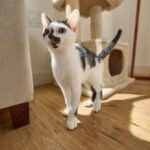
Can Dogs and Cats Get Seasonal Depression?



Photo by Chewy
Does your dog or cat seem a little down every winter?
As many as 5% of people in the U.S. get seasonal affective disorder (SAD) each year, so you might wonder if it’s something that can affect your pet too.
It’s not uncommon to hear about changes in pets’ personalities in the winter months, says Albert Ahn, DVM, a veterinarian and advisor for Myos Pet in Cedar Knolls, New Jersey. But it’s also important to see a veterinarian if you notice a change.
Here’s what you need to know about seasonal depression in pets, including the signs, when to call your vet, and treatment.
Key Takeaways
- Dogs and cats might show behavioral changes in winter, but seasonal affective disorder in pets isn’t well studied yet.
- Common signs of winter blues in pets include lethargy, appetite changes, oversleeping, weight gain, and increased vocalizing or grooming.
- A veterinary visit is important to rule out medical causes before assuming mood changes are seasonal.
- Simple lifestyle adjustments can help, such as increasing light exposure, spending time outdoors when it’s warm enough, and adding indoor enrichment.
What Is Seasonal Affective Disorder?
In humans, seasonal affective disorder is a type of depression that correlates to the change in seasons, usually winter, says Kandace L. Nollie, LMHC, a licensed mental health counselor and program director at Chrysalis Health in Brandon, Florida.
While the exact cause can vary and is often unknown, it can sometimes be caused by changes in sunlight, sleep patterns, and shifting levels of melatonin, a chemical that affects sleep.
Signs of Seasonal Depression in Dogs and Cats
If you’ve wondered if pets can be affected by seasonal depression like humans, the truth is that there’s not much research on the subject yet.
But if your pup seems more sluggish and sleepy once winter sets in, SAD could be at play, says Dr. Ahn.
“Dogs’ behavioral changes observed during the winter months may very well be attributed to an increase in melatonin due to the shorter daytime hours, which has been linked with SAD in humans,” he explains.
And cats can be affected too. Dr. Ahn says the most common signs of SAD in both cats and dogs are:
How Vets Diagnose Seasonal Depression in Pets
If you’ve noticed a change in your pet’s behavior, call your vet. They’ll rule out other health conditions before looking at your pet’s emotional health.
Dr. Ahn notes that diagnosing SAD in pets can be a challenge. After all, our dogs and cats can’t verbalize how they’re feeling. But your vet will listen to your concerns, evaluate your dog or cat, and, if necessary, suggest treatment.
“Whether SAD is to blame or not, mood and behavior changes are very real,” says Dr. Ahn.
How To Treat Seasonal Depression in Pets
While treating seasonal depression in people can include therapy or medication, treating your pet’s winter blues might revolve around simple lifestyle changes.
Keep Your Home Well-Lit
Open blinds to let the sun in and turn on lights in rooms where your pet often hangs out. Adding more sunlight can help elevate mood-boosting serotonin and decrease melatonin, which can make your pet sleepier.
Spend Some Quality Time Outdoors
If it’s warm enough for your dog, grab their harness and leash and take a walk or hike outdoors.
Recommended Products


Dr. Ahn says the change of scenery, fresh air, natural light, and movement is great medicine—if you’re prepared.
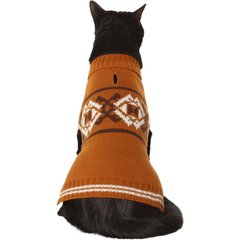
Make sure your dog is winter-ready with a warm sweater or coat. The Frisco Western Pattern Dog & Cat Sweater and the GF Pet Reversible Chalet Dog Jacket are great options.
Recommended Products

Your pup will also need a cute pair of weather-appropriate dog booties, like the Canada Pooch Waterproof Rain Dog Boots.
Recommended Product

Paw balm, like Natural Dog Company PawTection Dog Paw Protector Balm, can also be helpful to avoid dry, cracked skin.
Recommended Product

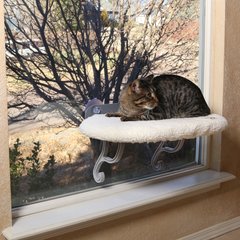
For cats, getting closer to nature might mean having a perfect perch in a sunny window with a view of your backyard. Try the K&H Pet Products Universal Mount Kitty Sill Cat Window Perch or the Frisco Plush Cat Window Perch with Removeable Bolster.
Recommended Products

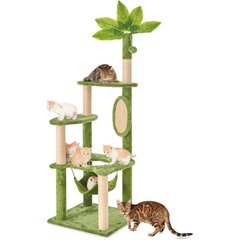
A cheery cat tree, like the Tscomon 55-in Plush Cat Tree with Hammock, Toy, & Sisal Scratching Post, in a sunny spot can also be a mood booster.
Recommended Product
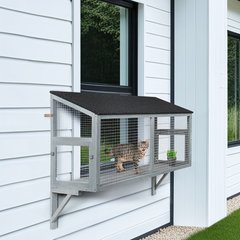
If it’s not too cold for your cat, you could also allow them into a catio, like the beeNbkks Cat Catio Window Cat Perch, for some fresh air.
Recommended Product
Try a Vet-Approved Supplement
If your vet gives the green light, a supplement might be a good fit for your dog or cat to help with winter blues.
Try an omega-3 supplement with fish oil, like Zesty Paws Wild Alaskan Omega-3 Salmon Oil Liquid Skin & Coat Supplement for Dogs & Cats, to give your cat or dog’s brain a happy little boost.
Recommended Product

Have Fun With Games Indoors
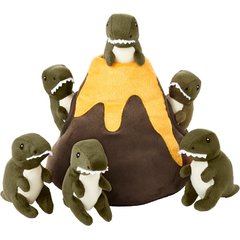
Games can also help to keep pets stimulated and active, reducing the chances of winter depression. Try a fun hide-and-seek toy for your dog, like the Frisco Volcano & Dinosaurs Hide & Seek Puzzle Plush Squeaky Dog Toy, or a dog puzzle toy, like the Brightkins Kanoodle Puzzle Dog Toy.
Recommended Products

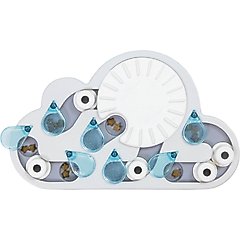
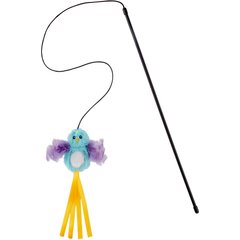
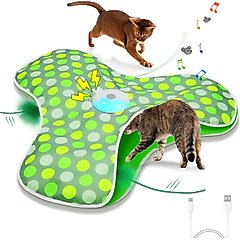
Cats will also appreciate a puzzle toy, like the Nina Ottosson by Outward Hound Rainy Day Puzzle & Play Cat Toy, or a feather wand to chase. Try the PawsPik Interactive Hide & Seek Concealed Feather Cat Toy, which has extra features to keep them entertained.
Recommended Products
FAQs About Seasonal Depression in Pets
Can dogs get seasonal depression?
Maybe. While there hasn’t been a lot of research on the subject, some experts say it’s possible for dogs to feel down in the winter due to lack of sunlight and an increase in melatonin during shorter winter hours. See your veterinarian if you notice a change in your dog.
Can cats get seasonal depression?
Maybe. Just like with dogs, the verdict is still out, since there hasn’t been extensive research. However, many vets say you might notice a change in their mood in winter months.
Can dogs feel sad?
Yes. While “sad” is a very human term, dogs can feel depressed. Signs may include decreased appetite, low energy, and sleeping more.
Do cats get sad?
Yes. While “sad” is a very human term, there are various reasons your cat might not feel like their usual happy self. Signs may include loss of appetite, weight loss, and GI issues.
Attributions