Why Is My Cat Pulling Their Hair Out?

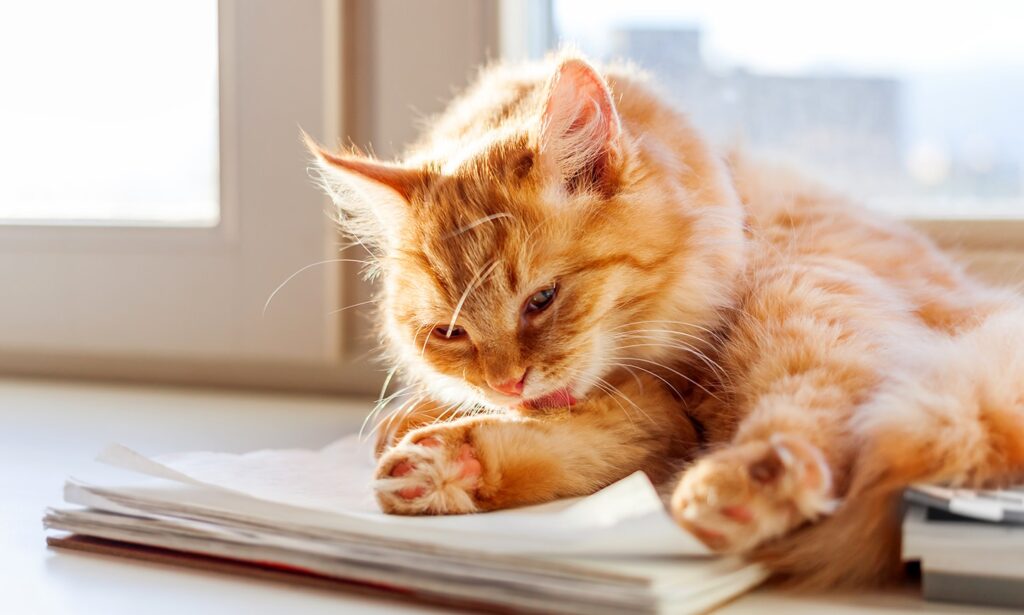
Photo by Konstantin Aksenov/iStock/Getty Images Plus via Getty Images
With as much licking and grooming as cats do, it’s no wonder so many have such a luscious, shiny coat.
However, you may also see them pull out tufts of hair, which can be alarming.
So if you’ve wondered, “Why is my cat pulling their hair out?” and wanted to know what to do, here’s how to handle your feline’s habit.
Key Takeaways
- Excessive grooming or hair-pulling can affect any cat and result in hair loss.
- Common triggers include stress, anxiety, and boredom, as well as medical issues like fleas, infections, allergies, or pain.
- Genetics may predispose certain cat breeds to the behavior more than others.
- If you notice your cat is overgrooming or pulling out their hair, see a vet to identify the underlying cause.
Why Is My Cat Pulling Their Hair Out?
There’s no single reason your cat might be pulling their hair out.
In fact, excessive grooming and hair pulling can happen in any breed, age, or gender. And some cats might forgo it altogether, says Alejandro Caos, DVM, a veterinarian in Miami.
Here’s why your cat might be pulling their hair out:
Stress and Anxiety
Stress and anxiety are the most common reasons why cats overgroom, says Dr. Bethany Hsia, DVM, co-founder of CodaPet in Clovis, California.
“Cats may feel overwhelmed by sudden changes in their environment, such as a new pet or person in the house, or a move to a new home,” Dr. Hsia explains. “When cats feel stressed, they may resort to self-soothing behaviors, like pulling out their hair.”
Boredom
Mental and physical stimulation are essential for a happy, healthy kitty. But some cats may not get as much enrichment as they need.
This can lead to destructive behaviors like extreme hair-pulling, Dr. Hsia says.
Medical Issues
Some medical issues may also cause cats to pull their hair out. These include:
- Flea infestations
- External parasites, such as mites and lice
- Skin infections, usually due to bacteria, fungi, or parasites
- Allergies, including food allergies, seasonal allergies, or environmental allergies
- Hormonal imbalances due to hyperthyroidism or Cushing’s disease
- Pain due to arthritis or injury
- Psychological disorders, including obsessive-compulsive disorder, or behavioral issues
- Autoimmune disorders
- Neurological disorders
- Sensory issues
Genetics
Though less common, genetics can play a role in stress-related behaviors, including excessive grooming.
Some cat breeds, such as the Siamese, are thought to be more predisposed to overgrooming, though all cats are different, Dr. Caos notes.
If you notice that your cat is overgrooming, experiencing hair loss or both, speak with your veterinarian to come up with a plan for treatment.
What Is Psychogenic Alopecia in Cats?
Feline psychogenic alopecia—meaning “psychologically caused hair loss”—is a condition in which cats pull out their own hair, often due to stress, anxiety, or boredom, Dr. Hsia says.
If there have been any changes in your cat’s routine, it’s possible this is the trigger behind their overgrooming.
Symptoms of Psychogenic Alopecia
Common signs of psychogenic alopecia include:
- Hair loss or increased shedding
- Bald spots or bald patches
- Skin irritation, including lesions
- Redness on affected area
- Thinning of hair
- Skin infections
- More hairballs than usual
How Psychogenic Alopecia Is Diagnosed
If your cat’s showing signs of what appears to be psychogenic alopecia, consult your vet.
Your vet will perform a physical examination and take a complete medical history to rule out other possible causes of hair loss.
They may also perform blood work and skin scrapings to eliminate other conditions, including bacterial infections, ringworm, and flea allergies.
How To Treat Cats Pulling Their Hair Out
Your vet will likely recommend a multifaceted approach—and some of it starts at home.
For example, your vet may ask you to:
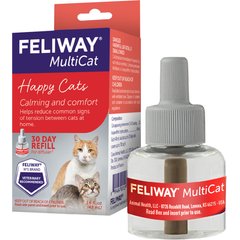
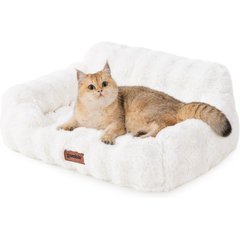
- Identify stressors or triggers in your cat’s environment: They might recommend reducing noise levels, playing calming music when you’re away, or creating a safe space with pheromones and a soft bed.
Recommended Products
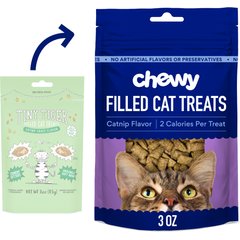
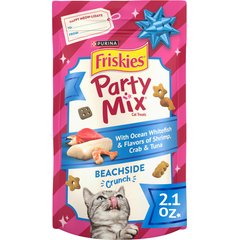
- Modify your cat’s behavior: This can be done through desensitization, the art of slowly exposing a cat to something they fear to reduce the severity of their reaction to it, and counterconditioning, which means learning to associate something they fear with a positive outcome, like praise or treats.
Recommended Products
Your vet may also:
- Prescribe medications: Meds like gabapentin may be considered if your cat’s case is severe. However, it should always be used under your vet’s guidance.
Recommended Product

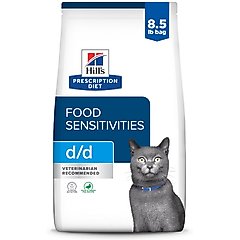
- Suggest dietary changes: If your vet suspects your cat has allergies, they might recommend hypoallergenic or limited-ingredient cat food diets, as well as omega-3 fatty acid supplements.
Recommended Products

- Recommend a recovery cone: A recovery collar may prevent your cat from continuing to overgroom an affected area.
- Give you a topical remedy. Your vet may suggest an oatmeal-based shampoo or medicated topical products containing antibacterial and/or antifungal properties, which may temporarily relieve itchiness.
Recommended Products
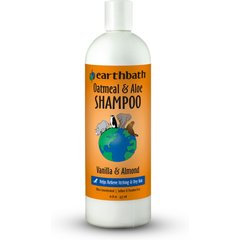
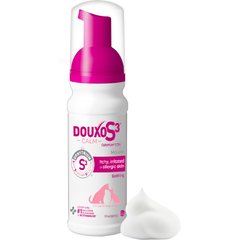
Never use human medications or products without veterinary approval, and avoid putting essential oils, alcohol, or other potentially harmful substances on your cat’s skin.
How To Prevent Your Cat From Pulling Their Hair Out
There’s no way to 100% prevent this behavior, but you can take some simple steps to keep your cat comfortable and reduce the likelihood of hair pulling.
For example, you can:
- Establish a stable, predictable routine: Cats thrive on routine with plenty of attention, playtime, and a calm, comfortable living space.
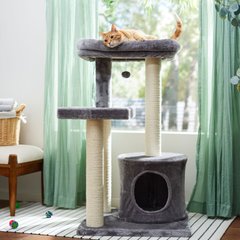
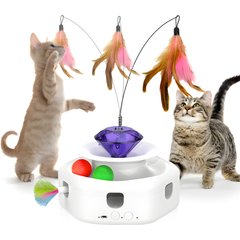
- Provide lots of toys and stimulation: Puzzle toys, scratching posts, and climbing structures help keep your cat mentally and physically stimulated.
Recommended Products
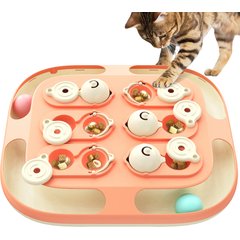
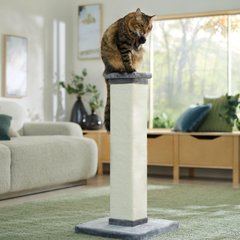
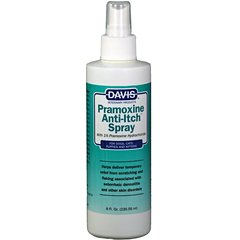
- Use a no-chew spray: Apply a no-chew spray to the body areas where your cat tends to pull out their hair.
Recommended Product
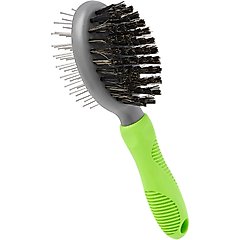
- Groom on a regular basis: Brush frequently to reduce the amount of hair your cat ingests while grooming. Dr. Caos recommends a soft brush that suits your cat’s fur type, to prevent skin irritation. You can also take them to a groomer.
Recommended Product
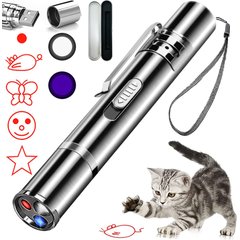
- Keep them supplied with environmental enrichment. Now that you’ve created a calming environment with entertainment, keep it coming. Make sure you cat has new things to engage them. Laser pointers and wand toys are always a good bet.
Recommended Products
FAQs About Cats Losing Hair
Are there home remedies for cats pulling their hair out?
No, there are not home remedies for cats pulling their hair out. See a veterinarian for advice.
Do cats pull out fur when in pain?
Yes, cats often overgroom and pull their fur out when they are in pain, as licking temporarily relieves discomfort. See your vet as soon as possible if you suspect your cat is in pain.
Attributions