Hairballs in Cats: Signs, Causes, and How To Help


If you’re a cat parent, you know the feeling: that icky panic when you hear your kitty heaving and hacking dramatically. It’s a cat hairball—a common occurrence that you’d like to make, well, less common in your everyday life.
You can do just that by learning how to cure hairballs in cats and how to prevent them in the first place. Here’s everything you need to know about cat hairball remedies.
Key Takeaways
- Hairballs are normal but they might indicate an underlying health issue if your cat gets them a lot.
- Long-haired cats and cats who tend to overgroom are more prone to hairballs.
- Regular grooming and a calm environment can help prevent hairballs in cats.
- Your vet may recommend supplements or diet changes if hairballs persist.
What Are Cat Hairballs?
A cat hairball is a tubular-shaped, dense wad of soggy hair that a cat throws up—it’s also known more formally as a trichobezoar.
Purging it is a full-body effort and can elicit some highly unpleasant sounds. So, what’s happening to your cat’s body when they’re hacking up a hairball?
“[When cats groom], they will normally ingest some amount of hair in that process,” says Erin Katribe, DVM, medical director for Best Friends Animal Society in Kanab, Utah. “That hair typically passes through their gastrointestinal tract and is passed in feces.”
However, in some situations, there’s too much hair to move through the body or the hair isn’t able to pass. When hair gets trapped and slowly collects in the cat’s digestive tract, a hairball forms.
What Are the Signs of Cat Hairballs?
If your cat gets hairballs, you might notice the following signs:
- Frequent gagging or retching without bringing anything up
- Hacking or coughing that sounds like they’re trying to clear their throat
- Vomiting a tube-shaped mass of fur
Occasional hairballs are usually normal. However, if they become frequent, your cat shows signs of distress, or the hairballs are extremely large, then a vet visit is in order.
It’s important to make sure there are no underlying health issues and to get advice on hairball treatment for your cat.
Keep in mind that cat hairballs are different from vomit. Hairballs are typically cylindrical wads of fur, sometimes mixed with food or bile, while vomit is more liquid and irregular in shape, often containing yellow bile or undigested food.
What Causes Cat Hairballs?
Infrequent hairballs—about once every month or so—aren’t cause for alarm, but if your cat has multiple hairballs a week, there could be a few reasons why.
Cats tend to get hairballs due to:
- Gastrointestinal issues
- Overgrooming (stemming from anxiety, allergies, or pain)
- Commonly overgroomed areas include the belly, inner thighs, and legs
“Long-haired breeds, such as Maine Coons and Persians, are more prone to hairballs due to their thick coats and frequent grooming needs,” explains Seth Schwartz, DVM, a veterinarian for Paws at Peace in Vero Beach, Florida.
If your cat experiences frequent or severe hairballs, it may indicate an underlying problem, such as:
When Should You Call Your Vet About Hairballs in Cats?
Consult your veterinarian if your cat is experiencing:
- Excessive vomiting of hairballs (more than once per month)
- Constipation
- Lethargy
- Appetite loss
- Signs of discomfort
How Do Veterinarians Help Treat Hairballs in Cats?
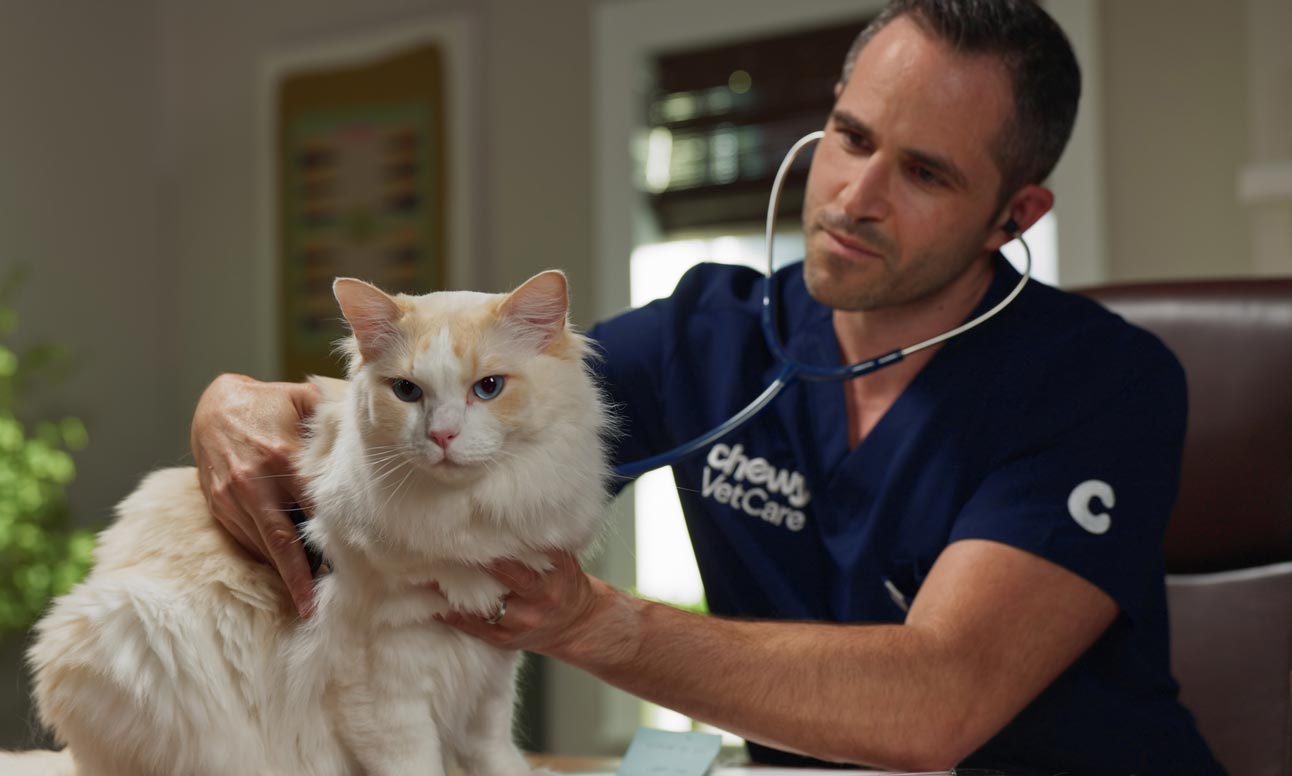
Photo by Chewy
Hairball treatment for cats starts at your veterinarian’s office.
Not only can your vet rule out or address underlying causes, but they can also provide customized recommendations for over-the-counter hairball diets or treatments that can lend a helping hand to your cat’s digestive tract.
In severe cases where a hairball causes an obstruction, surgery may be necessary.
Otherwise, your vet may recommend:
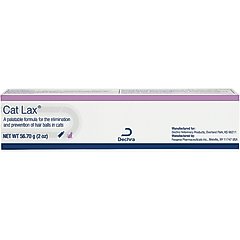
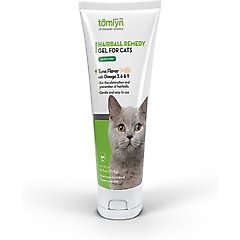
- Laxatives or lubricants: These can help hairballs to pass more easily through your cat’s system. Try Cat Lax Cat Supplement, which is made with cod liver oil and petroleum, or Tomlyn Laxatone Hairball Remedy Tuna Flavor Gel Cat Supplement, which is formulated with white petroleum, mineral oil, and syrups.
Recommended Products
- Digestive supplements: These often include fiber to support the intestinal tract and help keep things moving or ingredients that support a healthy coat. Try Greenies Feline SmartBites Hairball Control Tuna Flavor Cat Treats with plant-based fiber.
Recommended Product

- Cat hairball control food: A vet might recommend your cat eat fiber-dense foods, like Iams ProActive Health Indoor Weight & Hairball Care Dry Cat Food, in place of their regular food.
Recommended Product

Always check with your veterinarian before changing diets or giving your cat supplements.
How Do I Prevent Hairballs in My Cat?
There are a handful of ways you can help prevent or manage cat hairballs at home.
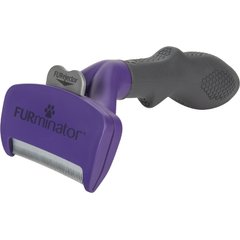
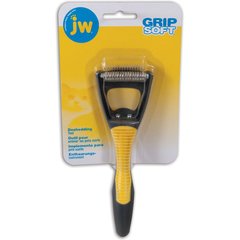
Brush Your Cat Regularly
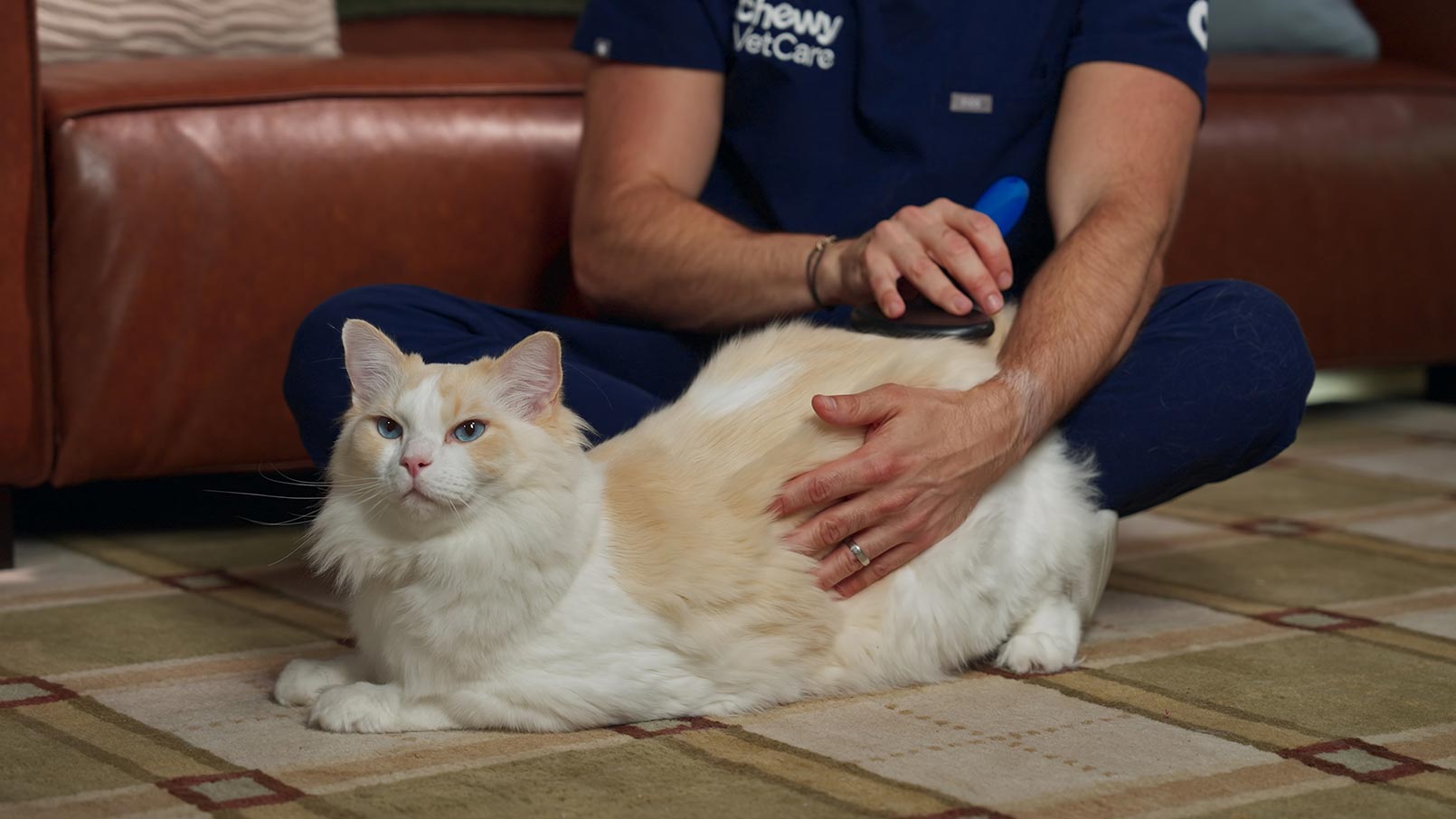
Photo by Chewy
One of the best ways you can help reduce or prevent your cat from getting hairballs is by regularly brushing them, Dr. Schwartz says.
Recommended Products
Curb Excessive Grooming
Schedule an exam with your veterinarian if your cat is overgrooming. Your vet can rule out any potential causes of pain or underlying skin issues that could be causing them to groom excessively.
Once medical issues have been ruled out, you can try creating a cozy, stress-free environment for your cat. This can help make a big difference in their well-being, because stress can trigger excess grooming.
Consider these options:
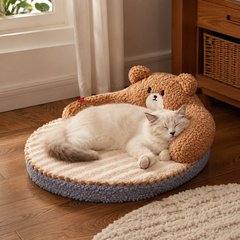
- Provide a supportive bed. A cozy cat bed gives your cat a nice place to stay warm, comfy, and safe.
Recommended Products

- Offer elevated resting spots. Cats love to look down from their throne. A cat tree provides perches for climbing, lounging, and observing their surroundings.
Recommended Product

- Try calming aids. If your cat is prone to stress or anxiety, a calming pheromone diffuser can help create a more soothing environment.
Recommended Product
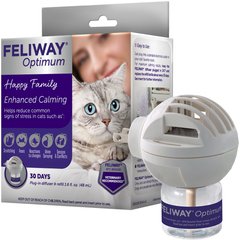
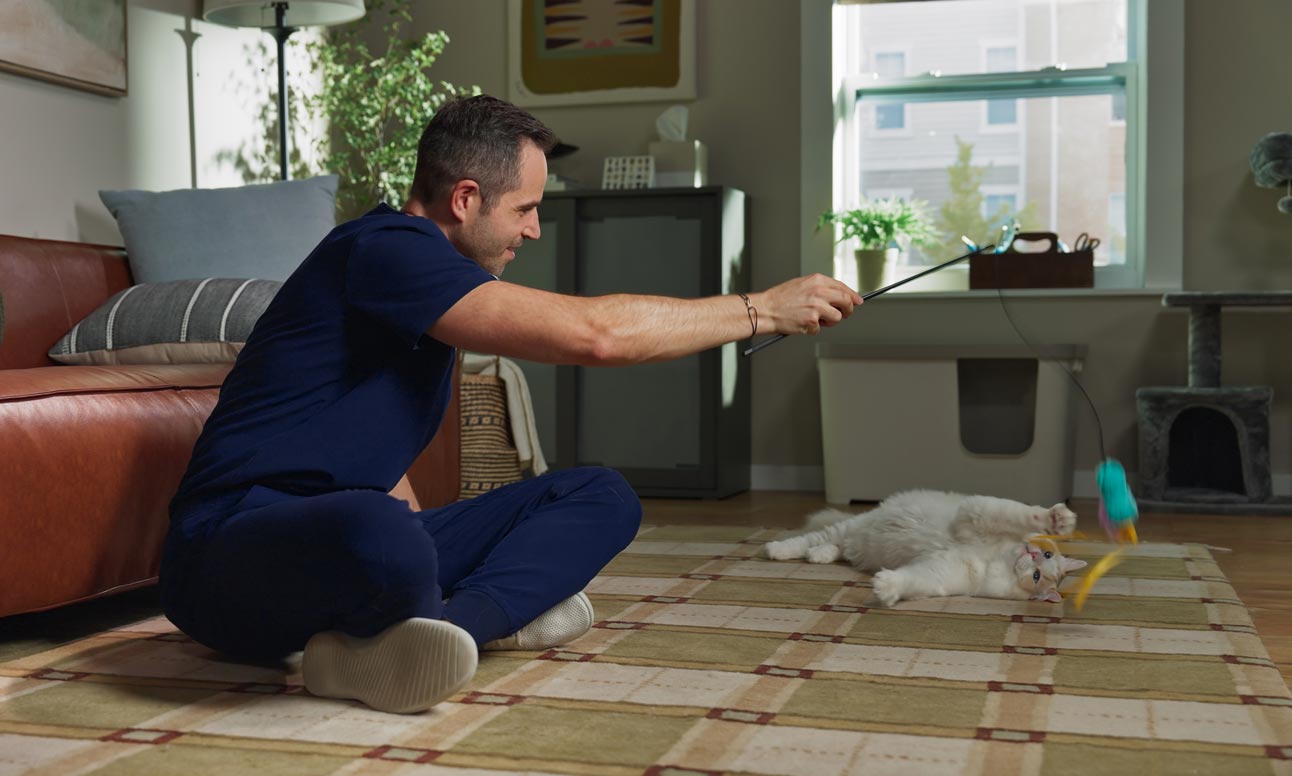
Photo by Chewy
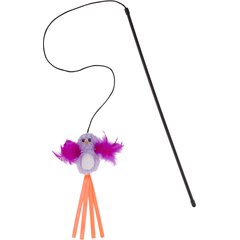
- Interrupt their cleaning sessions with playtime. Time to break out the teaser toy! A fun distraction can redirect their focus, keep them engaged, and help with stress or anxiety.
Recommended Products

FAQs About Cat Hairballs
How do I know if my cat has a hairball stuck?
If your cat repeatedly gags or coughs without bringing up a hairball, it could be stuck in their digestive tract. Other signs of a blockage include loss of appetite, lethargy, constipation, or vomiting without producing food.
Contact your vet immediately if you notice these symptoms.
Is it normal for cats to have hairballs?
An occasional hairball (around once a month) is often normal, but frequent hairballs may signal an underlying issue, such as excessive grooming or gastrointestinal disease.
How can I help my cat pass a hairball?
In some cases, cat hairballs become so large they are unable to pass through the esophagus, stomach, or intestines. If you suspect your cat is having this issue, go to the vet immediately.
Attributions