Hiking With Dogs: Safety Tips and Essential Gear


Hiking with dogs is one of the best ways to bond with your pup while exploring the outdoors. If your dog gets excited for neighborhood walks, hiking with dogs can be a fun next step—but it requires more planning than simply leashing up and heading into the wilderness.
From choosing the right trail to packing essential gear, preparation is key to making hiking with dogs safe and enjoyable for both you and your furry pal.
Key Takeaways
- Hiking with dogs requires gradual conditioning and veterinary clearance.
- Always bring water, leash, ID tags, and weather-appropriate gear.
- Avoid extreme temperatures and monitor for signs of fatigue.
- Follow trail etiquette and local leash laws to keep everyone safe.
Can My Dog Hike?

Photo by Chewy
Much like humans, dogs have different fitness and ability levels. Dogs can suffer injuries and be out of shape just like people.
“The typical rule is to build stamina and endurance for physical activity gradually, over longer periods of time,” says Anita Hurley, CTC, CBDD-KA, supervisor of animal training and behavior at the Humane Society of Boulder Valley in Colorado. “Just like people need to train for athletic events, dogs need to build their stamina and conditioning.”
That’s why Hurley, who’s an avid hiker with years of experience bringing dogs on the trail, suggests a full physical exam by your veterinarian, including determining your dog’s body condition score, before you embark on any hiking adventures.
Also, take your dog’s age into consideration. Elderly dogs may not feel up for long, strenuous hikes, and puppies under the age of 1 shouldn’t run more than a mile at a time while their growth plates are still developing, Hurley says.
Remember, it’ll be better to find out that your dog’s not in good hiking shape at your vet’s office, rather than when you’re 20 minutes into a steep hike in the woods.
Dog-Friendly Hiking Spots
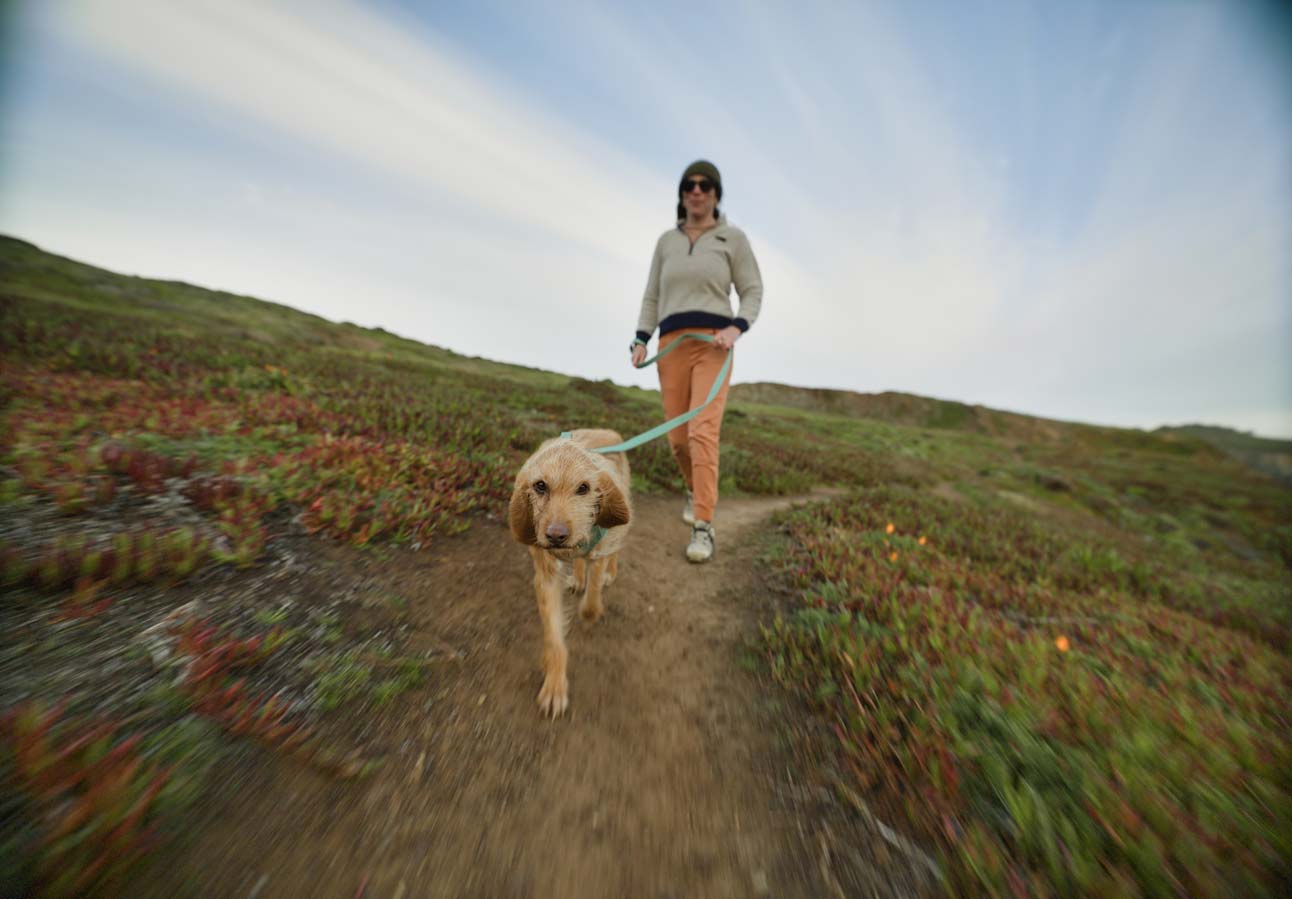
Photo by Chewy
Once you’ve determined that your dog is fit and ready, your next step is to find a hike near you.
BringFido and AllTrails are two online resources that can help you find local dog-friendly hikes. If you’re unsure if a particular trail allows dogs, call the park directly.
When choosing a dog-friendly hike, take these factors into account:
- Length
- Elevation gain
- Shade
- Access to water
- Trail surface
- Trail difficulty
- Leash laws
Start by deciding how far you want to hike, then consider the elevation gain (the total amount of climbing) and difficulty of any trails of that distance that you’re considering.
Trails with a lot of elevation gain or steep grades will be challenging for less-fit dogs (and humans). More difficult trails might mean you and your dog will have to navigate rugged terrain or obstacles like large rocks, roots, boulders and areas of broken rock fragments also known as scree fields. All of these may be challenging for smaller pups or less agile dogs.
You will also want to research if the trail has access to water and shade. This will be especially important in the summer, as dogs are more sensitive to heat than humans, and can overheat in hot temperatures, Hurley says.
Finally, make sure you check the leash laws. Most trails that allow dogs require them to be leashed. Certain areas will allow your dog to roam off-leash as long as they are within sight and respond to voice cues.
Hurley notes that if your dog has anxiety or is reactive around other dogs, hikers, cyclists, or horses, you will want to make sure to choose leashed-only trails and time your visit to avoid peak hours.
Best Gear for Hiking With Dogs
Hiking Gear for Humans
If you, like your dog, are heading out on the trails for the first time, you’ll need your own hiking gear, including sturdy footwear and a mid-size backpack. Remember, you’ll need to carry enough food and water for both you and your dog.
You should also carry extra layers, sun protection, a small knife or multi-tool and a first aid kit with supplies for both dogs and humans in case of an unexpected on-trail emergency.
“Always carry a phone, even if reception is poor, because there might be an opportunity to call for help at some point,” Hurley says.
Dog Hiking Gear
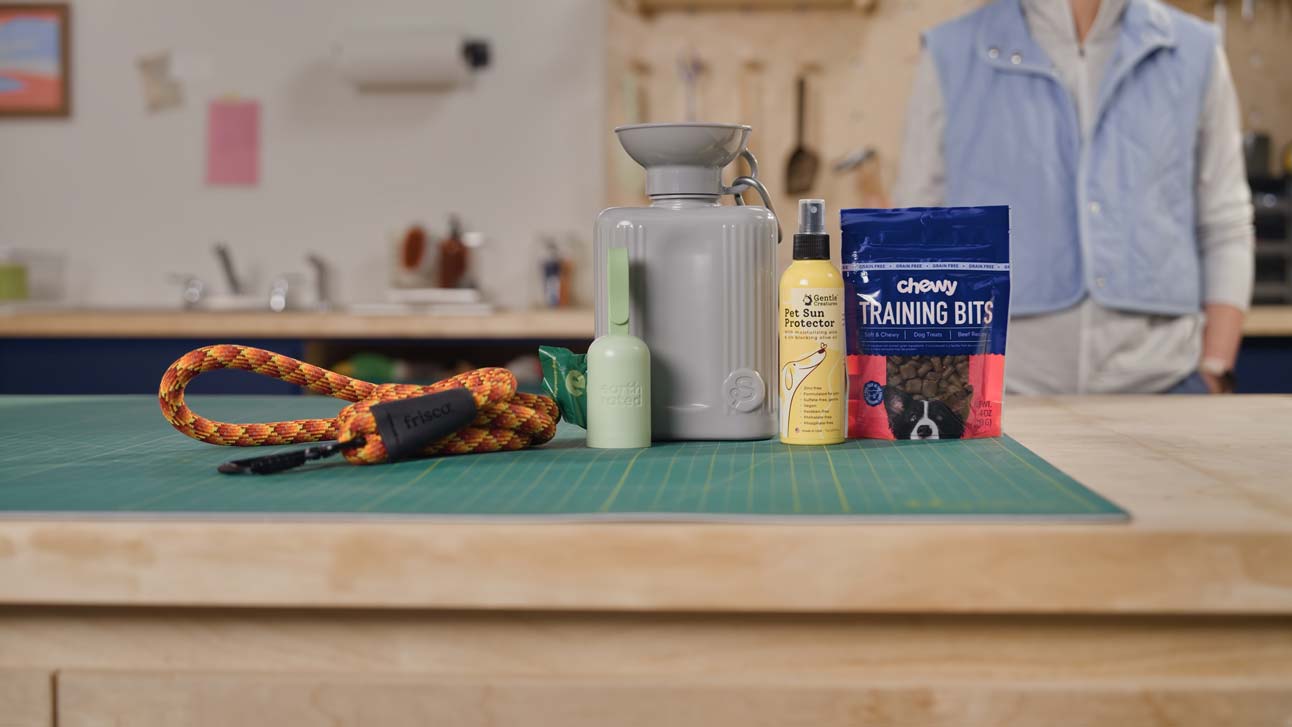
Photo by Chewy
Once you’re set with your own hiking gear, it’s time to make sure you have everything for your hiking buddy! The best hiking gear for dogs is lightweight and portable.
Hurley says the essentials for your dog include:
- Plenty of water
- Dog treats (small pieces of strong-smelling, soft varieties are ideal)
- Poop bags
- A leash
- A flat dog collar or harness with ID tags
Recommended Products

- A collapsible water bowl or dog water bottle will make it easy to give your dog a drink on the go.
Recommended Products


Other dog hiking gear to consider includes:
- A dog hiking backpack (that way your pup can haul their own gear eventually)
- A cooling vest for hot weather
- A dog jacket for cold weather
- Dog booties to help protect their paw pads on long-distance hikes or hot, cold, or rough surfaces like sandstone or gravel
Recommended Products
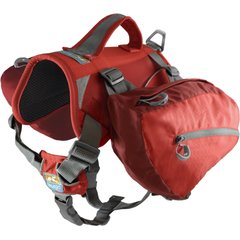

You probably don’t need all of this dog hiking gear for your very first hike, but as you start hiking with dogs more, these nice-to-have items can make your outing safer and more enjoyable.
Tips for Safely Hiking With Dogs
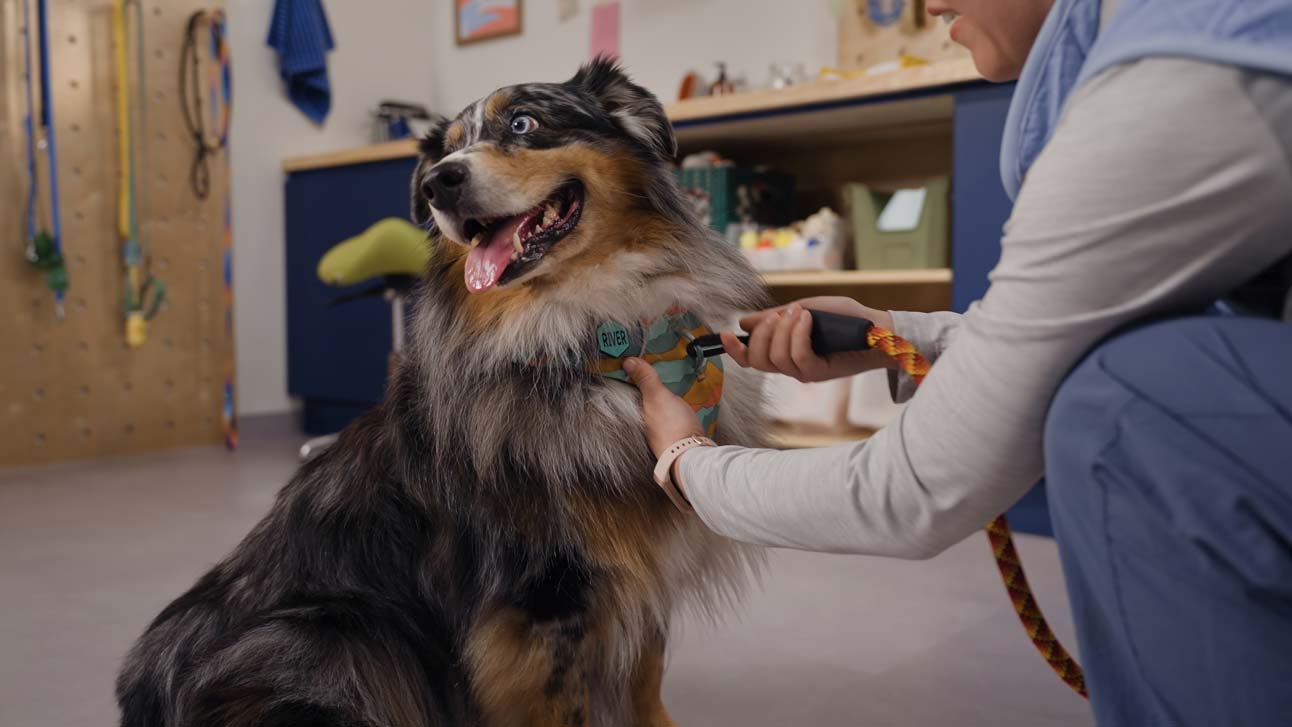
Photo by Chewy
Of course, keeping your dog safe while on the trail is your top priority. Potential hazards to your dog’s hiking safety include:
- Heat
- Cold
- Dehydration
- Wildlife
- Fleas and ticks
- Poisonous plants
- Toxins in unfiltered water sources
That list might sound daunting, but here’s the good news: With these tips from Hurley, you can make sure that your pup stays happy and safe on the trails.
- Check the weather before you leave. Temperatures over 80 degrees and under 40 degrees can be harmful to your dog if they’re exposed without reprieve, Hurley says.
- Hike during the cooler part of the day to prevent dehydration.
- Carry enough water for your dog so they’re not tempted to drink unfiltered water from streams or puddles.
- Don’t forget dog sunscreen for sensitive ears and noses or for short-haired dogs with pink skin.
Recommended Product

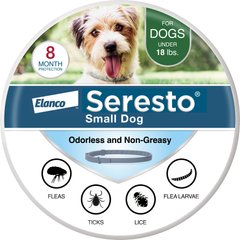
- Ensure your dog’s flea and tick preventative is up to date, and use a dog-safe flea and tick collar or spray if you live in a warm, humid climate with lots of ticks, fleas, or other insects.
Recommended Products

- Keep your dog on a leash to reduce the chances of them getting into trouble with local wildlife (big or small) or encounter poisonous plants or contaminated water.
Hurley adds, “It’s also important to observe your dog on a hike. If they are taking it slow or appear achy, it’s time to take a break or turn around—before you have to carry them.”
Signs your dog needs a break:
- Lagging behind
- Excessive panting
- Limping
- Refusing water
- Lying down frequently
Trail Etiquette
When hiking with dogs, follow Leave No Trace principles. This means taking out what you bring in, including dog poop, and making sure to stay on the trail wherever possible. Be courteous to other trail users and respect wildlife.
With a little research, some basic preparation, and the best hiking gear for your dog, hiking with your dog can be an enjoyable and safe experience.
“Many dogs love getting outside and having fun with us,” says Hurley, who has trained dogs for hiking adventures as well as cycling, snowshoeing, kayaking and stand up paddle boarding. “Adjusting our own expectations of our dog’s current abilities is the biggest key to safety while enjoying the experiences.”
Attributions