Dehydration in Dogs: How To Spot It and What To Do Next

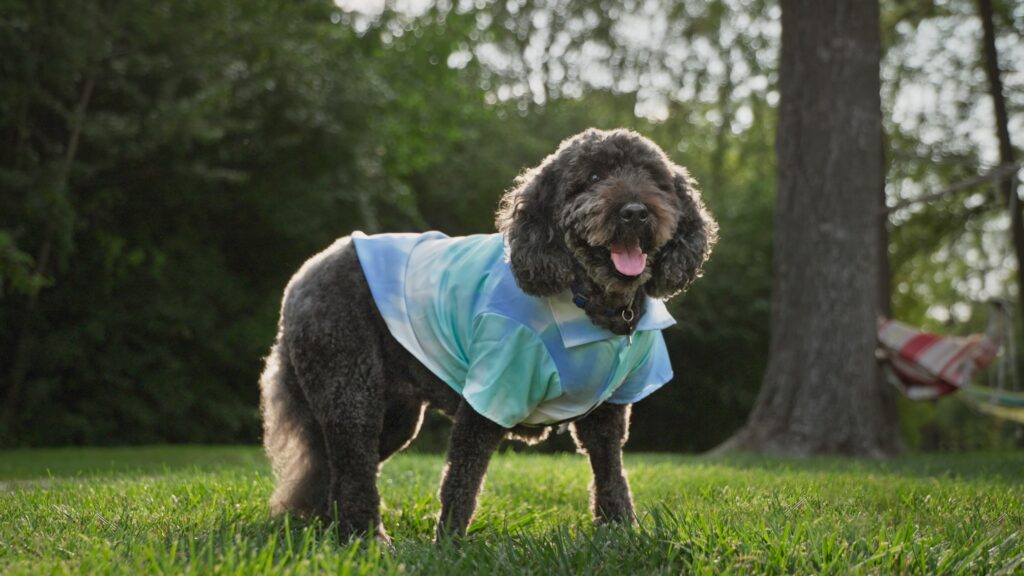
Photo by Chewy
Staying hydrated is a must for humans—and it’s not so different for dogs.
While early symptoms may go unnoticed, they can lead to major issues. In fact, dehydration can even be fatal. So, it’s important to know what to look for.
Here’s how to recognize dehydration in dogs, what causes it, and how you should respond.
Key Takeaways
- Dehydration in dogs happens when they lose more fluids than they take in.
- Early signs of dehydration include dry gums, lethargy, thick saliva, and skin that doesn’t spring back into place.
- Heat, exercise, vomiting, diarrhea, certain diseases, and some medications can all increase a dog’s risk of dehydration.
- Dehydration can quickly become a medical emergency; severe symptoms require immediate veterinary care.
- Keeping fresh water available, adding moisture to meals, and avoiding overheating can help prevent dehydration in dogs.
What Is Dehydration in Dogs?
Dehydration occurs when dogs lose more fluid than they take in through eating and drinking. Losses happen through:
- Peeing
- Panting
- Paw pad and nose sweat
- Pooping
Left untreated, severe dehydration can progress to organ dysfunction, shock, and death.
Dehydration is often linked to another health issue, such as:
Signs of Dehydration in Dogs
Symptoms can be subtle at first, so it’s important to know what to look for.
Signs of dehydration include:
- Dry or tacky gums: Healthy gums are moist, while dehydration causes them to dry out.
- Loss of skin elasticity: Gently pinch the skin between your dog’s shoulder blades. It should snap back immediately. If it takes a second or two, or stays tented, that can be a sign of dehydration.
- Lethargy and poor appetite: Dehydrated dogs may seem tired or uninterested in normal activities, including eating.
- Thick saliva: If your dog drools, you may notice that their saliva is thicker than normal.
- Sunken eyes: This is a sign of advanced dehydration.
- Slow return of gum color: Press gently on your dog’s gums then remove your finger. The normal color should return within two seconds. A slower return may indicate dehydration.
- Dry nose: This is not the most reliable sign but still worth noting alongside other symptoms.
What Causes Dehydration in Dogs?
Common causes of dehydration range from everyday factors like heat and activity to underlying health issues that affect fluid balance.
Environmental and Lifestyle Causes
- Limited access to water
- Hot or humid weather, which increases fluid loss through panting
- Intense exercise or play, especially in warm conditions
- Brachycephalic (flat-faced) breeds, who are prone to overheating and may need more water to stay cool
- Puppies, who have higher water requirements than adult dogs
- Senior dogs, who are more likely to have health conditions that make them susceptible to dehydration
Medical Causes
- Vomiting and nausea, which can make it hard for a dog to keep down water and decrease their willingness to eat and drink
- Diarrhea, which increases fluid loss in the stool
- Fever from infections or other illnesses that increases a dog’s need for water
- Kidney disease, diabetes mellitus, Cushing’s disease, or Addison’s disease, all of which can lead to increased urination and other symptoms that make dehydration more likely
- Arthritis or other causes of pain and reduced mobility that can make it hard for a dog to get to the water bowl and drink
- Furosemide, prednisone, and other medications that can lead to increased urination and other dehydrating side effects
Why Dehydration Is Dangerous for Dogs
When a dog becomes dehydrated, their blood volume decreases and they often develop electrolyte imbalances.
This can affect the entire body:
- Heart stress: The heart has to work harder to pump blood and move oxygen around the body. Electrolyte changes can also lead to abnormal heart rhythms.
- Kidney problems: The kidneys can’t effectively filter waste from the blood. Severe dehydration can also lead to acute kidney injury and kidney failure.
- Brain effects: Confusion, collapse, and seizures are possible when the brain doesn’t get enough water and oxygen or it’s affected by electrolyte imbalances.
- Heatstroke risk: Heatstroke can more easily develop when a dog is dehydrated.
- Shock and death: Hypovolemic shock and death are possible in severe, untreated cases of dehydration in dogs.
How To Treat Mild Dehydration at Home
If your dog is bright, alert, and not vomiting, but you think they might be a little dehydrated, you can offer some support at home.
- Offer small amounts of cool water frequently rather than a large bowlful all at once. Drinking too much too fast can trigger vomiting.
- Move your dog to a cool, shaded space if heat is a factor.
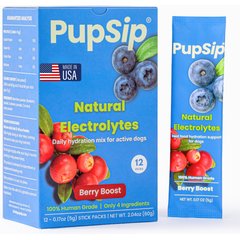
- Give your dog a water enhancer to help replace electrolytes and encourage them to drink more water.
Recommended Product
However, if you have any concerns about your dog’s well-being, it’s always best to talk to your vet.
When To See a Vet If Your Dog Is Dehydrated
Contact your veterinarian or an emergency animal hospital right away if your dog:
- Has signs of moderate or severe dehydration, such as sunken eyes, dry gums, or a slow return of gum color
- Is lethargic, weak, or unresponsive
- Refuses to drink or can’t keep water down
- Has been vomiting or having diarrhea for more than 24 hours, or the episodes are frequent or severe
- Hasn’t eaten in 24 hours
- Shows signs of heatstroke or shock, such as heavy panting, rapid breathing, drooling, confusion, collapse, seizures, and red or pale gums
Dehydration can progress quickly, particularly in puppies, seniors, and dogs with underlying health problems, so it’s always safest to get your vet’s input.
How Vets Treat Dehydration in Dogs
Your vet will start with a physical exam and may run blood work and urinalysis to assess electrolyte levels, kidney function, and more.
Treatment depends on the severity of a dog’s dehydration and its underlying cause, but common options include:
- Oral rehydration is used in mild, stable cases when a dog is willing to drink on their own.
- Subcutaneous fluids are given under the skin and absorbed gradually. These fluids are commonly used for mild to moderate dehydration to supplement oral intake of water.
Recommended Products
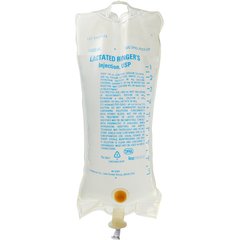
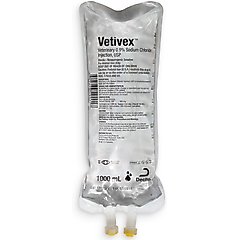
- Intravenous (IV) fluids are used for moderate to severe dehydration. Dogs typically need to be hospitalized when receiving IV fluid therapy.
Any underlying conditions that are contributing to a dog’s dehydration will also need to be addressed.
Most dogs with mild to moderate dehydration recover fully with prompt treatment. Severe or prolonged cases, or those that are associated with serious diseases, have a more guarded prognosis.
Preventing Dehydration in Dogs
If your dog is at risk of becoming dehydrated, there’s a lot you can do to help.
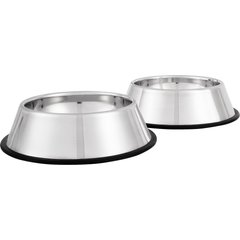
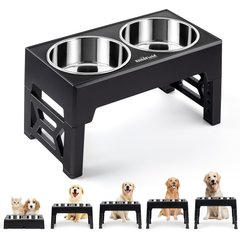
- Keep fresh water available at all times. Keep multiple bowls around your house, particularly if your dog has difficulties getting around. Elevated bowls may be helpful too.
Recommended Products
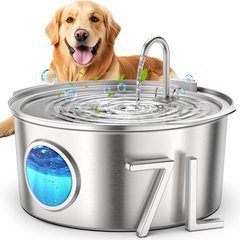
- Try a dog water fountain. Some dogs drink more when their water flows.
Recommended Product
- Bring water along on walks, hikes, or car rides using a collapsible bowl or portable dog water bottle.
Recommended Products


- Add moisture to meals by feeding wet dog food or adding water or dog-safe broth to kibble.
Recommended Products

- Limit exercise when it’s hot outside. You can try a fun indoor game instead.
Recommended Products


Work with your vet if your dog has a health problem that affects their ability to stay well-hydrated.
FAQs About Dehydrated Dogs
What is a tent test for dogs?
A tent test is used to tell if your dog is dehydrated.
Use your fingers to gently pinch a fold of skin between your dog’s shoulder blades and watch how quickly it returns to its normal position.
In a well-hydrated dog, it snaps back almost instantly. A delay of a second or two can be seen with dehydration.
Can dogs dehydrate?
Yes, dogs can dehydrate. Dogs lose water constantly through panting, urination, and other normal bodily functions and need to replace it by drinking and eating. Illness, heat, exercise, medications, or limited access to water can all lead to dehydration.
Can puppies get dehydrated?
Yes, puppies are even more vulnerable to dehydration than adult dogs. They have higher water needs and can lose fluids quickly through vomiting, diarrhea, and other health problems. Talk to your veterinarian immediately if you think your puppy could be dehydrated.
How quickly do dogs recover from dehydration?
It depends on severity. Mild dehydration can resolve within hours with proper rehydration. Moderate to severe dehydration typically requires veterinary fluid therapy, and recovery can take longer, particularly if there’s an underlying illness to treat.
What are the symptoms of severe dehydration in a dog?
Severe dehydration can lead to sunken eyes, dry or tacky gums, prolonged skin tenting and return of gum color, weakness, lethargy, and collapse. This level of dehydration is a medical emergency and calls for immediate veterinary care.