Thanksgiving Foods Dangerous to Dogs


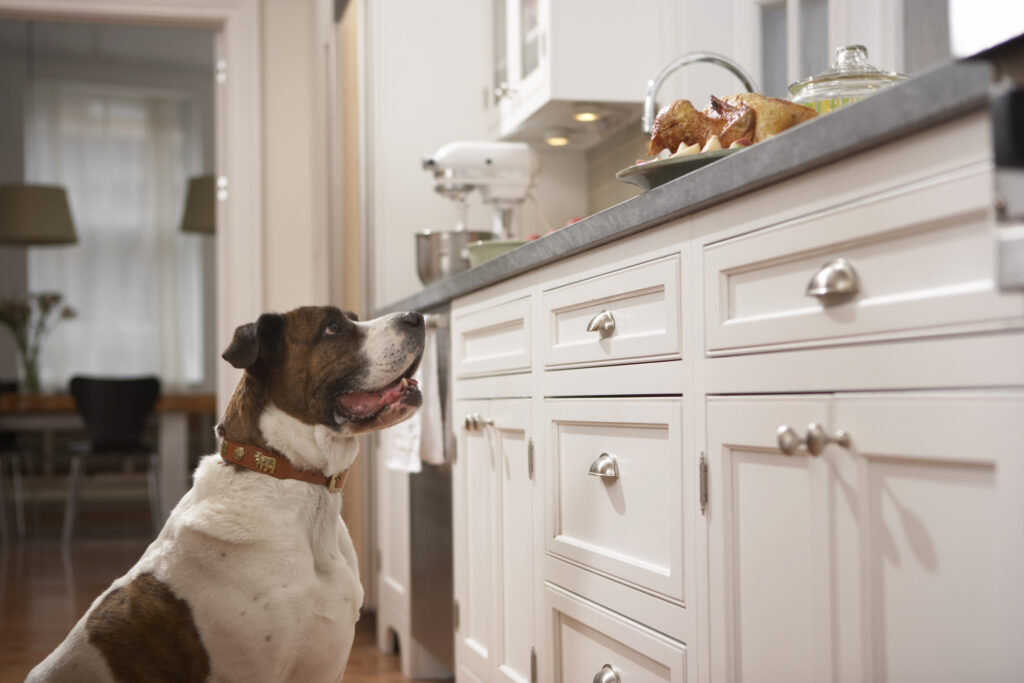
Photo by Chris Amaral/DigitalVision/Getty
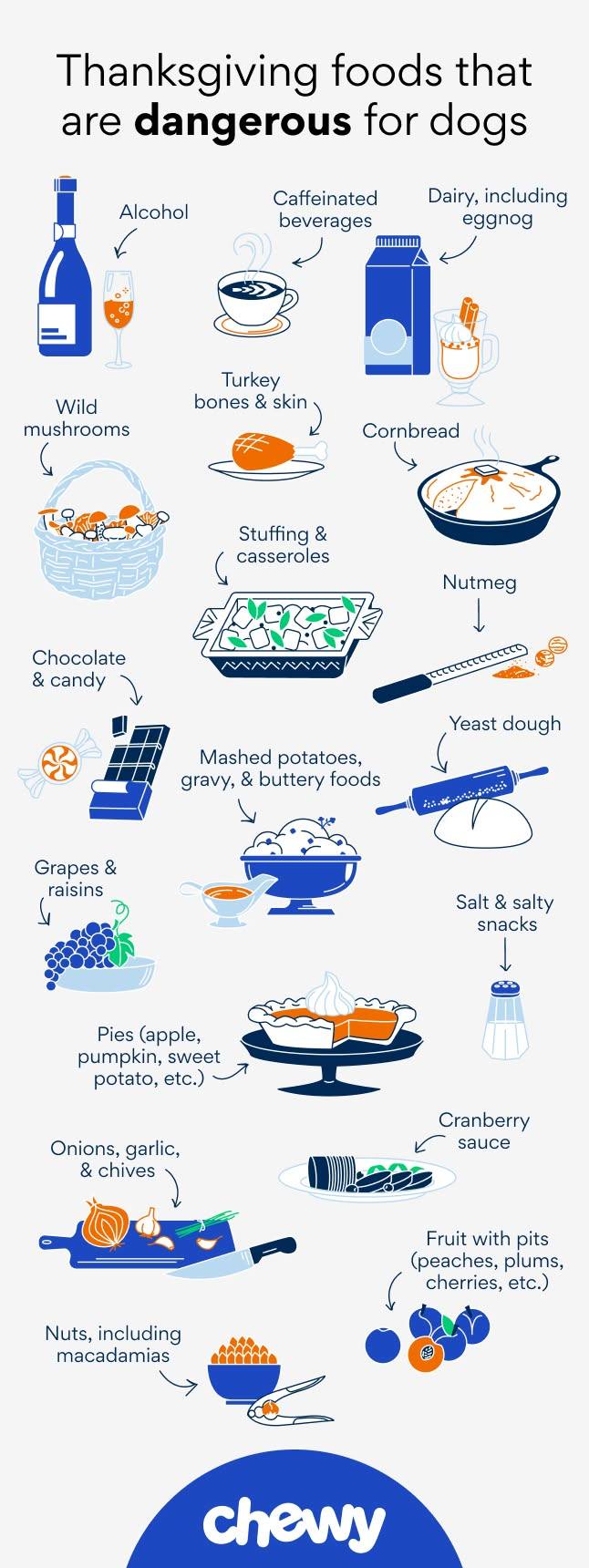
Thanksgiving is all about good food and gathering with loved ones, but some holiday favorites can be dangerous for dogs. Common ingredients like onions, grapes, raisins, chocolate, alcohol, and raw yeast dough can cause serious health problems.
Here’s which Thanksgiving foods to keep away from your pup, the warning signs to watch for, and what to do if your dog eats something they shouldn’t.
If your dog eats any toxic foods, call your veterinarian for guidance or take them to the nearest veterinary or pet emergency clinic. You can also call the Pet Poison Helpline at 855-764-7661.
Key Takeaways
- Thanksgiving foods dangerous to dogs include onions, garlic, grapes, raisins, chocolate, alcohol, macadamia nuts, and raw yeast dough.
- Fatty Thanksgiving foods, including turkey skin, gravy, and rich side dishes, can cause digestive upset or pancreatitis in dogs.
- Cooked bones can splinter and cause choking, intestinal blockages, or injuries, while raw yeast dough can expand in the stomach and produce alcohol.
- If your dog eats a potentially toxic Thanksgiving food, contact your veterinarian or Pet Poison Helpline immediately. Don't wait for symptoms to appear.
What Thanksgiving Foods Are Dangerous to Dogs?
Onions, Garlic, Leeks, and Chives
Onions, garlic, leeks, and chives are toxic to dogs. These foods can damage red blood cells, causing a condition called hemolytic anemia. They may also cause gastrointestinal irritation.
Grapes and Raisins
Grapes and raisins are highly toxic to dogs, even in small amounts, and can cause acute kidney injury. Research suggests tartaric acid may be responsible.
Symptoms may include vomiting, diarrhea, lethargy, abdominal pain, increased thirst, and changes in urination. Severe cases can cause seizures or kidney failure.
If your dog eats grapes or raisins, contact your veterinarian immediately. Don’t wait for symptoms to appear.
Macadamia Nuts
Macadamia nuts are toxic to dogs, even in small amounts. They can cause vomiting, weakness (especially in the hind legs), poor coordination, tremors, lethargy, and elevated body temperature.
Symptoms typically develop within 12 hours and may last up to 48 hours. Contact your veterinarian right away if your dog eats macadamia nuts.
Nuts
Other nuts, including almonds, pecans, and walnuts, can also be problematic for dogs. Their high fat content may cause vomiting, diarrhea, or pancreatitis, a painful inflammation of the pancreas.
Milk and Dairy
Many dogs have trouble digesting milk and dairy products because they produce insufficient lactase, the enzyme that breaks down lactose. As a result, milk, ice cream, and other dairy-based treats can cause diarrhea or stomach upset.
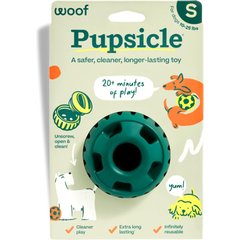
Instead of sharing ice cream, try a non-dairy treat in a Pupsicle.
Recommended Products

Salt and Salty Snack Foods
Salty snacks like chips and pretzels can cause excessive thirst and urination in dogs. In severe cases, ingesting too much salt can cause salt poisoning (sodium ion toxicosis), leading to vomiting, diarrhea, tremors, seizures, or even death.
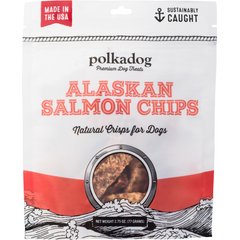
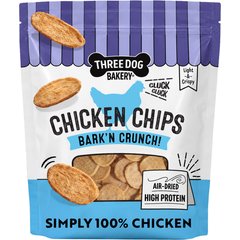
For a crunchy alternative, try dog-safe treats made with salmon or chicken.
Recommended Products
Alcohol
Even small amounts of alcohol can be dangerous for dogs. Alcohol poisoning can cause vomiting, diarrhea, poor coordination, difficulty breathing, tremors, and central nervous system depression. Severe cases can be fatal.
If your dog ingests alcohol, contact your veterinarian immediately.
Chocolate
Chocolate contains theobromine and caffeine, which are toxic to dogs. Dark chocolate and baking chocolate are especially dangerous because they contain higher concentrations of these compounds.
Symptoms can include vomiting, diarrhea, restlessness, increased heart rate, abnormal heart rhythms, tremors, and seizures.
Contact your veterinarian immediately if your dog eats chocolate.
Bones and Raw or Undercooked Meat or Eggs
Raw or undercooked meat and eggs can contain harmful bacteria, including salmonella and E. coli, that can make dogs sick.
Cooked bones can splinter and cause serious injuries while both raw and cooked bones can pose choking or obstruction risks.
Instead, offer a dog-safe chew, such as a bully stick, and always supervise your dog.
Recommended Products


Yeast Dough
Raw yeast dough can expand in your dog’s stomach, causing painful gas buildup and potentially life-threatening bloat.
As the yeast ferments, it also produces ethanol (alcohol), which can cause alcohol poisoning.
If your dog eats raw yeast dough, contact your veterinarian immediately.
What Should You Do If Your Dog Eats a Toxic Thanksgiving Food?
If your dog eats a potentially toxic Thanksgiving food, contact your veterinarian or Pet Poison Helpline at 855-764-7661 immediately. Don’t wait for symptoms to develop.
Tell the veterinarian what your dog ate, approximately how much they consumed, and when they ate it. Don’t induce vomiting or give home remedies unless a veterinary professional specifically instructs you to do so.
FAQs About Thanksgiving Foods for Dogs
Can dogs eat turkey?
Yes, dogs can eat small amounts of plain, fully cooked, boneless, skinless turkey. Avoid turkey prepared with butter, spices, onions, or garlic.
Always check with your veterinarian before sharing table scraps, especially if your dog has a health condition like diabetes.
Can dogs eat stuffing?
No, dogs shouldn’t eat traditional stuffing. It often contains onions, garlic, and other ingredients that can cause digestive upset or serious health problems, including anemia.
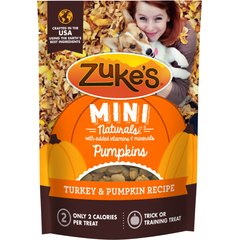
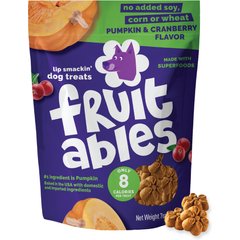
Instead, try Thanksgiving-themed dog treats or homemade turkey-cranberry meatballs for dogs.
Recommended Products
Can dogs eat cornbread?
Dogs can have small amounts of plain cornbread occasionally, but it offers little nutritional value. Avoid cornbread made with butter, bacon, scallions, or other potentially harmful ingredients.
If you’re using a mix, check for xylitol, a sugar substitute that’s toxic to dogs.
Can dogs eat mac and cheese?
It’s best to skip mac and cheese. While it isn’t necessarily toxic, its high fat and dairy content can cause digestive upset or pancreatitis.
Attributions