Kosher Dog Food: What Pet Parents Should Know



Photo by Chewy
If you keep kosher, you may wonder whether your pup’s food needs to meet the same standards as yours. The answer comes with a little nuance: Dogs don’t have to keep kosher, but observant pet parents still need to follow a few rules about what goes into their dog’s bowl.
Here’s what to know about kosher dog food and how to choose an option that meets your dog’s nutritional needs while respecting your religious practices.
Key Takeaways
- Dogs don’t have to keep kosher, but Jewish dietary laws restrict certain meat-and-dairy combinations in pet food.
- During Passover, observant pet parents must avoid feeding dogs chametz, which can appear even in grain-free recipes.
- Choose dog food that meets both religious requirements and your dog’s nutritional needs, and consult your veterinarian before switching diets.
Does Dog Food Need To Be Kosher?
Pet food doesn’t have to meet the same standards as kosher food for people, says Rabbi Zvi Goldberg, a kashrus administrator at STAR-K Certification in Baltimore, Maryland. But if you keep kosher, there are still rules about what you can feed your pet, he adds.
The main year-round rule is to avoid feeding pets certain types of meat cooked with dairy. Rooted in the Torah, Jewish dietary law (kashrut) prohibits cooking these mixtures, eating them, or deriving benefit or pleasure from them, which includes feeding them to a pet.
“Being able to nourish another being, we consider that pleasurable,” says Rabbi Sholem Y. Fishbane, the kashrus administrator at Chicago Rabbinical Council (cRc) in Chicago.
Whether a meat-and-dairy combination is allowed in your dog’s food depends on the type of meat:
- Not permitted when cooked with dairy: Meat from kosher livestock species, including beef, lamb, and goat. This applies even if the meat wasn’t prepared according to kosher law. Without dairy, these meats are acceptable in dog food.
- Permitted with or without dairy: Meat from non-kosher species, including pork and rabbit, as well as poultry and fish.
What Makes Dog Food Kosher for Passover?
Passover—the eight-day Jewish holiday that commemorates the freedom of the Jewish people from slavery in Egypt—adds another consideration for your pup’s food.
Along with the year-round restriction on certain meat-and-dairy mixtures, observant Jewish pet parents must also avoid keeping chametz in their home or feeding it to their pets. Chametz refers to leavened products made from any of these five grains:
- Wheat
- Barley
- Rye
- Oats
- Spelt
The cRc also flags the following ingredients because they contain or may be derived from chametz:
- Brewer’s yeast
- Grain distillers dried yeast
- Malt
- Pasta
- Xanthan gum
- Ingredients listed under generic names, such as flour, gluten, middlings, and starch
Gravies and sauces are common sources of chametz-derived ingredients, such as malt or wheat-based starch used as a thickener, Rabbi Fishbane explains.
Other grains, such as rice and corn, are acceptable in pet food during Passover. If you’re unsure about an ingredient, check with your rabbi or a kosher certification authority.
What if Your Dog Needs a Special Diet?
If your dog eats a special diet for a health condition and the food contains chametz, discuss your options with your rabbi and veterinarian.
“Dogs who are on a prescription diet should never change without veterinary guidance,” says Carly Fox, DVM, senior veterinarian at the Schwarzman Animal Medical Center in New York City.
That said, planning ahead usually makes it possible to find a suitable substitute, Rabbi Goldberg notes.
Some rabbinical authorities also allow you to temporarily transfer ownership and care of your dog to someone who isn’t Jewish during Passover. This generally requires the dog to be transferred to the other person’s property. Ask your rabbi whether this is an option for you.
How To Find Kosher Dog Food
You don’t necessarily need a food labeled “kosher” for your dog, Rabbi Goldberg says. Regular commercial recipes often meet the Jewish law requirements—and your dog’s usual food might already qualify.
A little label reading and guidance from a kosher authority can help you check. Here’s how to get started:
- Check the ingredients. Look for prohibited meat-and-dairy combinations year-round. For Passover, also check for chametz.
- Consult a kosher authority. Organizations such as the cRc and STAR-K provide pet food guidance. If you’re unsure whether an ingredient or recipe is acceptable, contact one of these organizations for clarification.
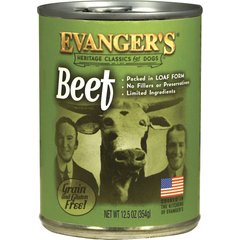
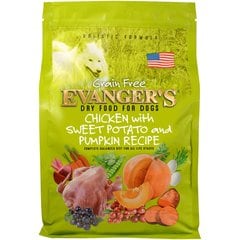
- Choose an endorsed product. The cRc endorses certain Evanger’s brand products as acceptable for pets in kosher households, with separate markings for those acceptable for Passover. Check the latest list or browse Evanger’s dog food on Chewy, as not every Evanger’s recipe is acceptable.
Recommended Products
Is Kosher Dog Food Healthy for Dogs?
Kosher dog food can be healthy as long as it meets your dog’s nutritional needs. Look for an AAFCO nutritional adequacy statement confirming the food is complete and balanced for your dog’s life stage, Dr. Fox advises. Foods labeled “for intermittent or supplemental feeding only” aren’t intended as a complete daily diet.
Check with your veterinarian before switching foods, especially if your dog has allergies, a health condition, or eats a veterinary diet.
If your dog needs different food for Passover, gradually transition to the new food over five to seven days before the holiday, then reverse the process afterward. This can help prevent digestive upset, Dr. Fox says.
FAQs About Kosher Dog Food
Is grain-free dog food kosher for Passover?
Not necessarily. Grain-free recipes may still contain chametz-derived ingredients, such as brewer’s dried yeast. Check the full ingredient list rather than relying on the grain-free label.
Are there kosher dog food brands?
The cRc endorses certain Evanger’s recipes for kosher households, with separate designations for Passover. Other commercial dog foods may also qualify.
Do I need to worry about vitamins in my dog’s food during Passover?
Generally, no. Rabbi Fishbane says added vitamins and minerals are typically present in amounts small enough to be considered nullified, even if derived from chametz, provided the food was made before Passover.
Attributions