The Ultimate Guide to Training Treats for Dogs


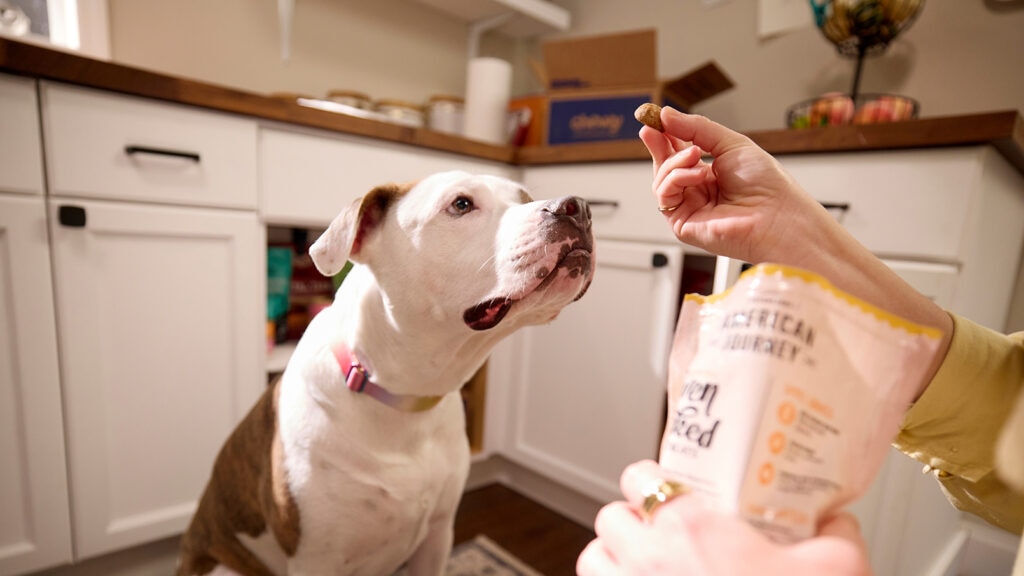
Photo by Chewy
Anything feels possible as long as you have a tasty treat—and it’s especially true for our canine companions! Training treats for dogs are the perfect motivator and can make learning easier and way more fun.
In this guide, we’ll cover what training treats are, how to choose the best dog training treats for your best friend, and how to use them effectively with expert insights from a veterinarian and dog behavior consultant.
Key Takeaways
- Training treats are small, high-value rewards that help reinforce desired behaviors in dogs.
- The best training treats are often soft, bite-size, and easy to eat quickly.
- Treats should make up no more than 10% of your dog’s daily calories.
- Pair treats with praise and other rewards, and adjust how often you give treats as your dog learns new skills.
What Are Training Treats for Dogs?
Training treats for dogs are a type of reward that can “act as a high-value motivator,” explains Karen “Doc” Halligan, DVM, a veterinarian at Marina Veterinary Center in Los Angeles.
Compared to regular treats, dog training treats are usually:
- Small and bite-size
- Softer in texture
- Lower in calories
- Easy for a dog to eat quickly
- Highly aromatic or palatable
These are different from regular treats or biscuits, which are typically denser and intended more for occasional enjoyment or dental benefits rather than rapid, repeated reinforcement, says Dr. Halligan.
Why Are Training Treats Important?
Training treats are an important part of positive reinforcement training, which teaches dogs to repeat behaviors that lead to something they enjoy.
“Dogs learn through associations, and food can be an incredibly powerful motivator,” says Dr. Halligan. Rewarding your dog with a training treat immediately after they perform the desired behavior helps them make a clear connection between the behavior and the reward.
Because they’re small, tasty, and easy to eat quickly, training treats help keep your dog engaged and ready for the next repetition—making training more effective and more fun for both of you.
Benefits of Using Training Treats
Training treats have many benefits for you and your dog, one of the biggest being that they make communication between the two of you much clearer, Dr. Halligan says.
Some of the main benefits of using training treats include:
- Immediately reinforcing the behavior you want repeated, which can accelerate learning and improve reliability
- Strengthening the human–animal bond through repeated positive interactions
- Providing motivation and engagement, especially for distracted, anxious, or lower-drive dogs
- Shaping complex behaviors in small steps, aka “successive approximation”
- Teaching new behaviors and cues and making training enjoyable instead of stressful
- Providing support for counterconditioning and desensitization work, like pairing potentially scary things with high-value food
- Building confidence when learning something unfamiliar
What Makes Good Dog Training Treats?
There are a few important features to look for when choosing the perfect training treat for your little Einstein.
Here’s what makes a good dog training treat your BFF is sure to love:
Small Size
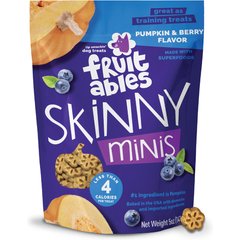
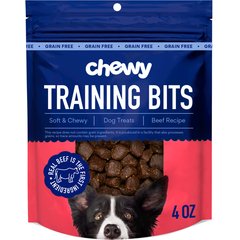
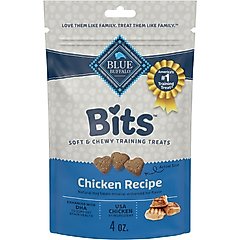
Small treats—about the size of a pea or blueberry—are ideal for training, says Laurel Saville, AAB-UW, CPDT-KA, MFA, a dog behavior consultant in Bellingham, Washington. They’re easy to handle, quick for your dog to eat, and less likely to fill them up during a session.
Best for: Frequent training sessions, puppies, and teaching basic cues
Recommended Products
Soft Texture
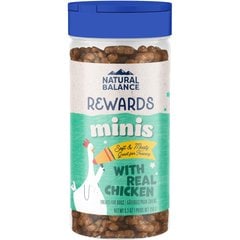
Soft treats are easy to chew quickly, helping your dog stay focused so you can reward the exact behavior you’re reinforcing, Dr. Halligan says.
Best for: Longer training sessions and maintaining focus
Recommended Products
High Value
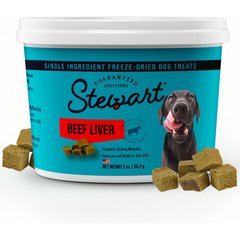
High-value treats are extra exciting to your dog, whether that’s a meaty training treat or another favorite reward. Save them for teaching new skills, working through distractions, or celebrating big successes, Saville says.
Best for: Teaching new skills, recall training, or high-distraction environments
Recommended Product
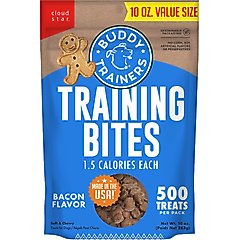
Low Calories
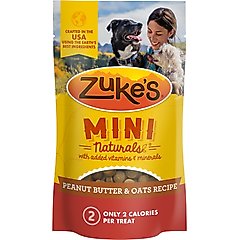
Because you’ll likely give lots of treats during training, choose options that are low in calories and feed them in moderation. Treats should make up no more than 10% of your dog’s daily calories.
Best for: Frequent rewards and dogs who need calorie control
Recommended Products
How To Use Training Treats Effectively
Training treats work best when they’re given immediately after your dog performs the behavior you want to reinforce. Follow these steps to help your dog make the connection:
- Get your dog’s attention. Say their name in a happy, upbeat voice.
- Give your cue. Ask for the behavior using your chosen cue word or hand signal.
- Mark the behavior. The moment your dog performs the behavior, use a consistent marker word, such as “Yes!”
- Reward immediately. Follow the marker with a training treat right away.
- Adjust the reward schedule as your dog learns. Once your dog reliably performs the behavior, you can begin varying when you give treats while continuing to reinforce the behavior with rewards your dog values, such as praise, toys, or play.
To help set your dog up for success:
- Keep training sessions short and fun.
- Use high-value treats when teaching new skills or working around distractions.
- Be generous with praise and encouragement.
- Reward the behavior you want immediately so your dog clearly understands what earned the treat.
How Many Training Treats Should You Give?
The number of training treats you should give your dog depends on their size, age, activity level, and the length of the training session, Dr. Halligan says.
When feeding your dog training treats, she recommends:
- Keeping training treats within 10% or less of your dog’s daily calories.
- Giving a handful of very small pieces during a short session rather than large numbers of full-size treats.
- Weighing or estimating the treats, subtracting that amount from the regular meal, and watching your dog’s body condition.
- Reserving high-value training treats for new or difficult behaviors and using lower-value kibble once the behavior is known.
- Never leaving training treats unattended where they could be ingested in large amounts.
When To Reduce Training Treats
When it comes to reinforcement schedules, Saville explains there are two types:
- Continuous: This schedule is typically used when teaching your dog something new or difficult. The desired behavior is reinforced each time the dog performs it.
- Intermittent: This schedule is used once your dog learns a specific skill. The behavior is rewarded some of the time rather than after every correct response.
Try these expert-recommended tips to help transition from continuous to intermittent reinforcement:
- Gradually reduce treat frequency when your dog reliably knows a cue.
- Use other rewards, like praise, toys, or life rewards (such as play or access to something the dog wants), to give your dog feedback when they’re doing things well.
- Use treats to reward extra or sustained effort and intermittently to maintain interest in the behavior.
“There’s no need to ever stop using treats completely,” Saville says. “Just like in any other relationship, an occasional show of appreciation for even the most routine of behaviors is always welcome.”
FAQs About Training Treats for Dogs
What are the best training treats for dogs?
The best training treats for dogs are small, soft, and low-calorie—but most importantly, they’re treats your pup finds tasty!
Can I use regular dog treats for training?
Technically, yes. You can use regular dog treats for training by breaking them into tiny pieces, but this is often less ideal, Dr. Halligan says. Larger treats slow the training session, increase the risk of overfeeding calories during a session, and can make precise timing harder.
How often should I give my dog training treats?
When your dog is learning a new skill, reward the desired behavior consistently so they can make the connection between the behavior and the reward. As the behavior becomes reliable, you can gradually vary how often you give food treats while continuing to reinforce the behavior in other ways. Keep treats to no more than 10% of your dog’s total daily calories to prevent unwanted weight gain and maintain nutritional balance.
Are training treats good for puppies?
Yes, training treats can be good for puppies when used correctly. Choose appropriately sized treats and include their calories as part of your puppy’s total daily intake.
What are the healthiest training treats for dogs?
The healthiest training treats for dogs are appropriate for the individual dog and fit within their overall diet and calorie needs. Lower-calorie treats may work well for frequent training. Dogs with food sensitivities or medical conditions such as pancreatitis, diabetes, or kidney disease should have treats chosen with their veterinarian’s guidance.
When should I use high-value dog training treats?
Use high-value dog training treats when your dog is learning a new or difficult skill, working around distractions, or when the behavior requires especially strong motivation.
Do I always need treats to train my dog?
No, you don’t always need treats to train your dog. You can use some of your dog’s regular kibble as training rewards or reinforce behavior with nonfood rewards your dog enjoys, such as praise, affection, play, toys, or access to a favorite activity.
Attributions