Can Dogs Eat Seafood?



Photo by Chewy
Can dogs eat seafood? Yep!
Whether it’s salmon, trout, or even lobster, most seafood is safe for dogs. However, you’ll need to make sure that it’s unseasoned, deshelled, deboned, and properly cooked.
Here’s what to know.
Key Takeaways
- Yes, dogs can eat many types of seafood when it’s fully cooked, plain, deshelled, and deboned.
- Seafood can provide protein, omega-3 fatty acids, and other nutrients, but it should only be an occasional treat.
- Never feed your dog raw seafood, shells, fish bones, or seasoned seafood with butter, salt, garlic, onions, or sauces.
- Serve small amounts to help limit the risk of stomach upset, allergies, and exposure to contaminants.
- Contact your veterinarian if your dog eats uncooked or seasoned seafood or develops vomiting, diarrhea, weakness, itching, or breathing changes.
Is Seafood Good for Dogs?
Yes, seafood can be good for dogs.
When fed in moderation and small amounts, it’s a nutritious addition to your dog’s balanced diet.
Most seafood contains:
- Protein and omega-3 fatty acids, which are beneficial for your pup’s skin, digestion, and immune system
- Zinc, iodine, selenium, magnesium, and potassium, which are important for healthy body function
Is Seafood Bad for Dogs?
Yes, seafood can also be bad for dogs. While it has benefits, it also has some downsides.
- Dogs can have seafood allergies. Seafood allergies are rare in dogs, but they can happen.
- Raw fish can contain a harmful parasite. Fully cook seafood before feeding it to your dog. Raw fish, especially fish in the salmon family (for example, trout or whitefish), may contain a parasite that’s very harmful to dogs.
- Shells and bones can be choking hazards or obstruct the gastrointestinal tract. Make sure to remove any shells and fish bones, as even tiny pieces can be dangerous.
- Feeding your dog large amounts of seafood can expose them to toxins and contaminants. Seafood contains traces of mercury and other contaminants. Like people, dogs should only eat seafood in moderation and small amounts to avoid any harmful effects.
How Much Seafood Can I Give My Dog?
| Dog Size | Serving Size | Frequency |
|---|---|---|
| Extra-small dogs (2–10 pounds) | 1/2 ounce | Once a week |
| Small dogs (11–20 pounds) | 1 ounce | Once a week |
| Medium dogs (21–50 pounds) | 1.5–2 ounces | Once a week |
| Large dogs (51–90 pounds) | 2–3 ounces | Once a week |
| Extra-large dogs (91+ pounds) | 4–5 ounces | Once a week |
How To Safely Feed Seafood to Your Dog
Treats—including seafood—should never make up more than 10% of your dog’s daily caloric intake. Their primary nourishment should come from high-quality dog food that meets their comprehensive nutritional needs.
Here are some guidelines on giving your dog fish and other seafood:
- Serve wild-caught instead of farmed fish. Wild-caught fish are usually leaner and do not contain artificial dyes or antibiotics.
- Always cook seafood properly. Never feed your dog raw fish. Seafood should be fully cooked all the way through.
- Deshell and debone the seafood, just like you would when you eat it.
- Serve seafood plain. Avoid adding any butter, salt, or other spices that can be toxic to dogs.
- Serve small amounts in moderation. Go ahead, sprinkle a little lobster on top of your pup’s regular food!
What To Do If My Dog Ate Too Much Seafood
If your dog ate too much plain seafood, monitor them for symptoms of stomach upset, such as:
If your dog has a seafood allergy, symptoms may include:
- Vomiting
- Diarrhea
- Lack of appetite
- Itchy skin
If your dog ate uncooked seafood, symptoms may include:
Take your dog straight to a veterinary clinic or an emergency vet if they ate uncooked seafood or are experiencing an allergic reaction.
If your dog ate seasoned seafood—especially seafood that contains onions, garlic, or a seasoning with xylitol—head to a veterinary clinic or an emergency vet. You can call Pet Poison Helpline (855-764-7661; a fee applies) on the way.
What To Give Your Dog Instead of Seafood
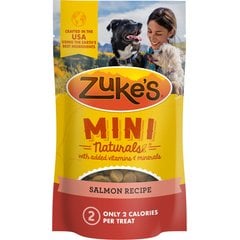
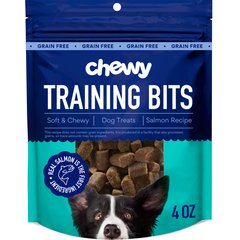
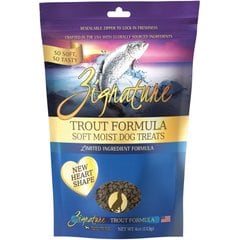
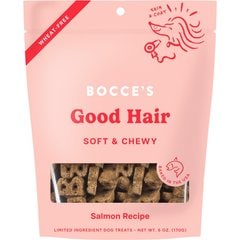
If you’d like to offer your dog a taste of the sea that’s always pet-friendly, try these yummy options as a treat.
Recommended Products
FAQs About Dogs and Seafood
Can dogs eat fish?
Yes, dogs can eat small amounts of unseasoned, cooked fish.
Can dogs eat crab?
Yes, dogs can eat small amounts of unseasoned, cooked crab without the shell.
Can dogs eat lobster?
Yes, dogs can eat small amounts of unseasoned, cooked lobster without the shell.
Can dogs eat scallops?
Yes, dogs can eat cooked, plain scallops in moderation.
Can dogs have oysters?
Yes, dogs can eat oysters if they are fully cooked, plain, and removed from their shells.
Can dogs eat imitation crab meat?
No, dogs should not eat imitation crab meat. It may contain preservatives or additives that are toxic to your dog.
Can dogs eat fish sticks?
No, dogs should avoid processed foods.
Attributions