Dog Diarrhea 101: Causes, What To Do, and How It’s Treated


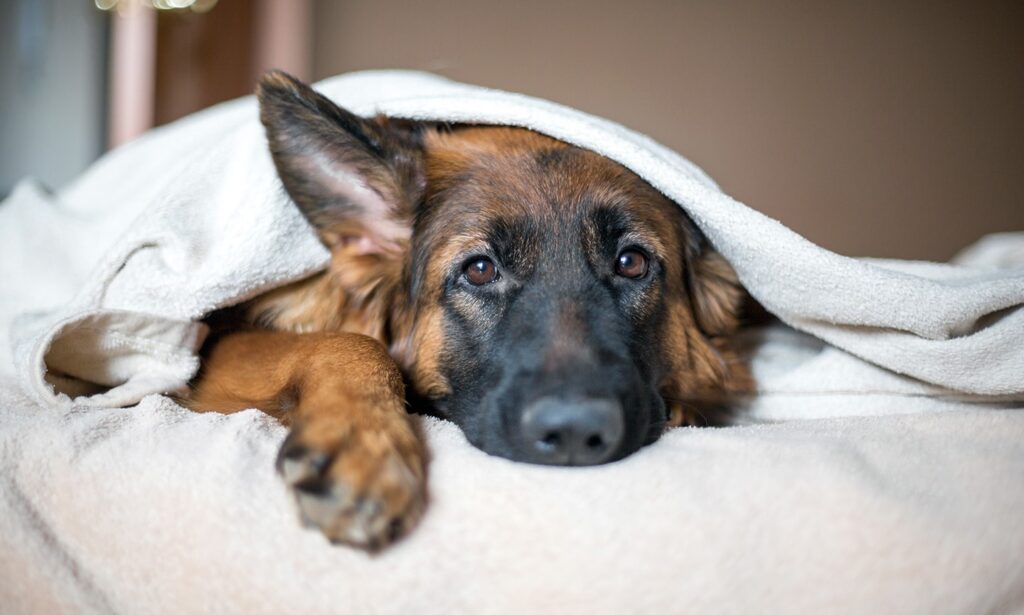
Photo by Korneeva_Kristina/iStock/Getty Images Plus
Dog diarrhea is never fun to deal with—and if you’ve found yourself worrying about what’s causing it or what to do next, you’re not alone. Diarrhea is one of the most common reasons pet parents call the vet.
In many cases, loose or watery stool is the result of a short-term digestive upset that clears up on its own or with simple at-home support, like temporarily withholding food and monitoring the situation. However, ongoing or severe diarrhea will require a trip to the vet to determine the underlying cause.
Knowing when it’s safe to wait—and when it’s time to call the vet—can make all the difference.
Key Takeaways
- Dog diarrhea is loose or watery stool commonly caused by diet changes, stress, parasites, infections, or illness.
- Treatment depends on the cause and may include a short period of withholding food, feeding a GI diet, fluid therapy, or medications.
- Call your vet if diarrhea lasts over 24–48 hours or includes blood, mucus, vomiting, lethargy, or pain.
- Puppies, seniors, and chronically ill dogs need earlier veterinary evaluation, even with mild diarrhea.
What Is Dog Diarrhea?
Diarrhea in dogs occurs when food moves too quickly through your dog’s gastrointestinal (GI) tract, preventing normal absorption of water and nutrients. It results in watery or loose stools. Sometimes it can contain mucus or blood.
Diarrhea in dogs is not a disease itself, but rather a symptom of another health issue.
Common Causes of Dog Diarrhea
There are many possible causes of diarrhea in dogs, ranging from mild to serious. Azza Diasti-Kennedy, DVM, a Florida-based veterinarian of over 20 years, says these are the two most common causes of diarrhea:
- Dietary change/switching to a new food: Abruptly changing your dog’s diet “can disturb the dog’s digestive system due to unfamiliar ingredients,” says Dr. Diasti-Kennedy.
- Dietary indiscretion: Occasionally, our four-legged friends eat something they shouldn’t have. “Dogs sometimes will consume items that are too rich, fatty, or spicy, leading to digestive problems,” says Dr. Diasti-Kennedy. Additionally, other typical dog antics, like getting into the trash can and eating whatever gross treasures they come across, can cause diarrhea.
Other causes of dog diarrhea include:
- Certain medications
- Parasites, such as intestinal worms (hookworms, roundworms, whipworms, and tapeworms), giardia and coccidia
- Bacterial infections, such as salmonellosis
- Viral infections, such as parvovirus and distemper
- Gastroenteritis
- Ingestion of foreign material (non-food object)
- Ingestion of a toxic substance
- Stress
- Food allergies
- Inflammation, such as inflammatory bowel disease or colitis
- Liver disease
- Pancreatitis
- Some types of cancer
What To Do if Your Dog Has Diarrhea
In some situations, you can try to treat dog diarrhea at home (which we’ll get to in a moment) and wait 24 hours for the bout of diarrhea to pass. In other situations, including those that involve senior dogs, puppies, and dogs with an underlying health condition, you’ll need to see your vet for professional help.
When To See a Vet About Your Dog’s Diarrhea
“As a general rule of thumb, if the diarrhea persists for more than 24 hours, it’s a good idea to contact your veterinarian for advice,” says Nicole Savageau, VMD, a veterinarian in Austin, Texas.
While waiting 24 hours is OK in most cases, Dr. Savageau says to call your vet sooner if any of the following applies:
Additional symptoms that warrant an earlier call to the vet include:
- Both vomiting and diarrhea, which can be a sign of something more serious, such as pancreatitis or severe gastroenteritis
- Loss of appetite
- Signs of dehydration, such as panting, sunken eyes, lethargy, dry nose, tacky gums, or thick saliva
- Blood in stools, including bright red blood or melena, which is tarry poop (black, sticky stool)
- Fever
- Abdominal pain
- Excessive tiredness or weakness
Home Remedies for Mild Dog Diarrhea
For mild cases of dog diarrhea, there are things you can do to help get your pet on the road to recovery.
If your dog is an adult (but not a senior) and is otherwise healthy, your vet may recommend the following:
- Withhold their regular food for a short period of time. Depending on the severity and frequency of your dog’s diarrhea, your vet may suggest a short fast to give the digestive system an opportunity to rest. If your dog has normal energy and appetite and feels great otherwise, your vet may advise you to feed small meals to help provide nutrition to your dog’s digestive system sooner for faster recovery time.
- Keep them hydrated. Preventing dehydration is essential, so ensure your pup’s water bowl is full of fresh, clean water. A dog water fountain also may help encourage drinking.
Recommended Products
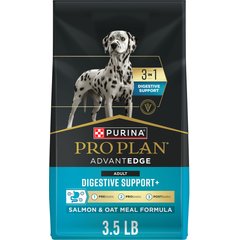
- Feed a bland diet that is easy to digest. Following the fasting period, slowly reintroduce a highly digestible diet that is complete and balanced for digestive support, like Purina Pro Plan AdvantEDGE Digestive Support Plus Dog Food, in small, frequent meals to calm the digestive system.
Recommended Product
Recommended Products
Diagnosing Diarrhea in Dogs
Veterinarians diagnose dog diarrhea by combining your dog’s history with a physical exam and targeted tests. The goal isn’t just stopping the diarrhea—it’s identifying the cause, so your dog gets the right treatment and relief as quickly as possible.
Your vet will start by taking a detailed history, which is where you can really help. Sarah Wooten, DVM, a veterinary professional and journalist, says the following information may be helpful to your vet:
- The brand and type of dog food you use
- Whether you’ve made recent changes to your dog’s diet
- Whether your dog is on heartworm prevention medication that includes a monthly intestinal parasite dewormer
- Your dog’s vaccine history
- Any current medications or chronic health conditions your dog may have
- Any recent treatments or tests that have been performed on your dog
Next comes a nose-to-tail physical exam, where your veterinarian checks for signs like fever, dehydration, abdominal pain, or tenderness.
Based on those findings, your vet may recommend diagnostic tests, such as:
- Fecal testing to check for parasites or abnormal gut bacteria
- Blood work to evaluate hydration, infection, and organ function
- Parvovirus testing for puppies or unvaccinated dogs
- X-rays or ultrasound if a blockage or foreign object is suspected
- Diet trials or biopsies in chronic or complex cases
Dr. Wooten recommends bringing a fresh fecal sample in a dog poop bag to the vet so your veterinary care team can run tests and view it under a microscope.
Recommended Product

While collecting puddly poop isn’t exactly a pet parent’s idea of a good time, the sample can be very helpful for your vet.
“Feces has a lot of information,” Dr. Wooten says. “It can tell your veterinarian if there is any blood in the stool; if there are parasites; if your dog has been eating grass; and what the intestinal gut flora looks like.”
Dog Diarrhea Treatment
There’s not a one-size-fits-all treatment plan for dog diarrhea. Your vet’s approach will depend on your dog’s other symptoms, overall condition, and diagnostic test results when applicable. Potential treatments may include:
Diets Formulated for Digestive Support
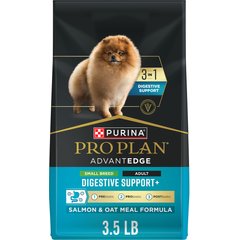
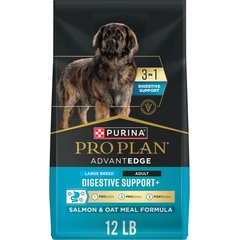
Your vet may recommend switching to a special diet formulated for digestive health that helps balance the GI microbiome, such as Purina Pro Plan AdvantEDGE Digestive Support Plus Salmon & Oat Meal Formula. Made with highly digestible ingredients, AdvantEDGE Digestive Support Plus includes prebiotics to nourish beneficial bacteria in the gut, probiotics to maintain microbiome balance, and postbiotics to support immune health through the gut.
Recommended Products
They might also recommend a veterinary GI diet, available only with authorization from your vet. Dr. Wooten recommends Hill’s I/D or Royal Canin Gastrointestinal Low Fat veterinary dog food.
Recommended Products
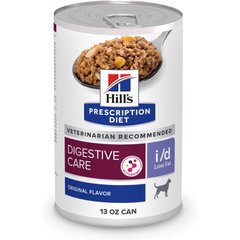
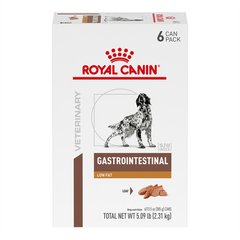
The diet will need to be fed for about two to three weeks, or least several days, after the diarrhea resolves and bowel movements return to normal to allow the digestive system to heal and restore the best balance of bacteria. At that point, the pet parent can begin transitioning their dog back to their regular diet by mixing the digestive diet food with their regular food for four or five days.
Different vets have different recommendations for the length of time a dog should remain on the diet as well as how long the transition period should last, so always follow your vet’s instructions.
Antibiotics
Antibiotics may be useful when a bacterial infection or bacterial overgrowth is suspected. In these cases, your veterinarian will choose an antibiotic based on your dog’s symptoms, test results, and overall health.
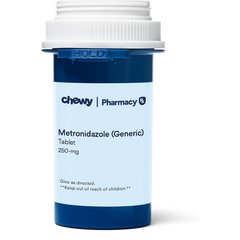
One commonly prescribed option is metronidazole, which targets certain gut bacteria and also has anti-inflammatory effects in the intestines. Because of this, veterinarians may use it for specific types of diarrhea—but it’s not appropriate for every dog or every case.
Recommended Product
Probiotics
Probiotics help balance the bacteria in your dog’s gastrointestinal tract and support your dog’s immune system. Plus, they can “outcompete the bacterial bad guys, like Salmonella or E. Coli,” Dr. Wooten says.
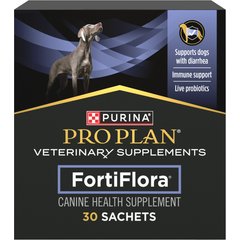
If a vet recommends probiotics, dogs will typically take them for at least 10 days. Dr. Wooten recommends Purina FortiFlora digestive supplement or Nutramax Proviable probiotics.
Recommended Products
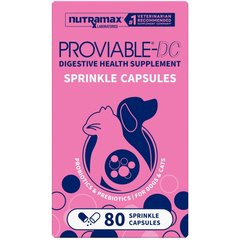
Of course, always get your vet’s recommendation before giving your dog supplements.
Deworming
If your dog doesn’t have a history of deworming, your vet may prescribe a dewormer. Dr. Wooten says doing so will eliminate intestinal worms if those are the culprit, likely resolving the case of dog or puppy diarrhea.
Intestinal parasites like hookworms and roundworms can cause diarrhea and are quite common. Dr. Wooten also cautions they are a human health concern, so it’s especially important to ensure your furry best friend is parasite-free.
Additional Diagnostic Tests
Sometimes, more involved testing is necessary to get to the bottom of things. Your vet may dig deeper if your dog:
- Has been through basic treatment attempts and continues to have diarrhea
- Initially has symptoms of illness beyond the diarrhea
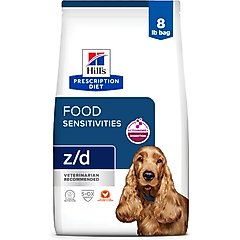
For example, if your vet suspects a food intolerance or allergy to a food ingredient, they might put your four-legged friend on a hypoallergenic therapeutic diet, like Hill’s Prescription Diet z/d Skin & Food Sensitivities Hydrolyzed Dog Food, for at least three to four weeks.
Recommended Product
How To Prevent Diarrhea in Dogs
In many cases, you can prevent dog diarrhea by avoiding the underlying causes. Keep the following things in mind:
- Don’t abruptly switch your dog’s food.
- Don’t feed your dog table scraps or other human food.
- Ensure your dog is up to date on vaccines.
- Keep your dog on a monthly heartworm/intestinal parasite preventive year-round for life to protect your pup from worms.
- After returning from visiting places where there are many dogs (like dog parks), wash your pup’s paws or even give them a full bath to help prevent worms.
- Deworm your age-appropriate puppy or an adult dog who is new to your family.
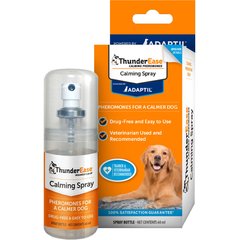
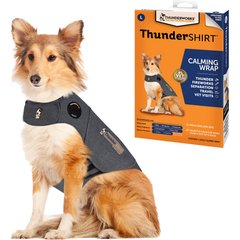
- If your dog is prone to stress, do what you can to minimize anxiety triggers. You can also talk to your vet about stress-relief solutions like calming sprays and diffusers, Thundershirts, or anti-anxiety medications.
Recommended Products

- If your dog is prone to eating things they shouldn’t, keep them in a dog crate or behind a dog gate when they’re unsupervised to keep them safe.
Recommended Product
FAQs About Dog Diarrhea
What can I give my dog to help stop diarrhea?
Medicine for a dog with diarrhea should be prescribed or recommended by your vet. You shouldn’t try to give your dog any over-the-counter medications on your own to stop the diarrhea. Instead, speak with your vet, who may recommend withholding food for a short period of time, then offering an easy-to-digest kibble or canned digestive diet for dogs with diarrhea. Ensure your dog remains hydrated.
When should I worry if my dog has diarrhea?
You should seek veterinary attention if your dog has had diarrhea for more than 24 hours. You should call your vet right away if your dog is a puppy or senior, if your dog has existing underlying health conditions, or if your dog has additional symptoms, like vomiting, weight loss, or lethargy.
Should I feed my dog if they have diarrhea?
For mild cases of diarrhea in otherwise healthy dogs who aren’t puppies or seniors, your vet may say it is OK to withhold their food for a short period of time to allow their gut to rest, or, depending on the severity and frequency of your dog’s symptoms, your vet may advise you to go ahead and feed small amounts of a highly digestible diet for diarrhea.
How long does dog diarrhea last?
The length of time it takes for your dog’s stool to return to normal depends on the cause and how severely your dog is affected. If your dog has had diarrhea for more than 24 hours, call your vet.
What is the most common cause of diarrhea in dogs?
There are three common causes of diarrhea in dogs. The first is changing your dog’s diet by abruptly switching their dog food. The second cause is the dog eating something not intended for dogs, like certain human foods. The third is intestinal parasite infection.
Is bloody diarrhea an emergency?
Yes, bloody diarrhea in dogs is an emergency as it can be a sign of something more serious, including life-threatening conditions.
“It’s crucial to understand that bloody diarrhea in dogs is a serious emergency that demands immediate veterinary care, as it could indicate severe health problems, such as infections or poisoning,” says Dr. Diasti-Kennedy. “Prompt treatment is essential to prevent further complications.”
What are some home remedies for dog diarrhea?
For an adult dog who is otherwise healthy, you can withhold food for a few hours, then feed them what your vet recommends, such as a commercially prepared digestive diet, which is complete and balanced nutrition. A kibble or canned digestive food for dogs is more beneficial for dogs and helps the diarrhea resolve faster than homemade boiled chicken and white rice. Ensure your furry friend stays hydrated to prevent an electrolyte imbalance. Always be sure to check with your vet before initiating any home remedy.
What should I give my dog if they have diarrhea for more than 24 hours?
If your dog has diarrhea for more than 24 hours, you need to call your vet, as the underlying cause could be something that won’t resolve itself. Additionally, you don’t want your dog to become dehydrated.
My dog has diarrhea but is acting fine. What should I do?
If your dog’s only symptom is diarrhea, you can usually wait 24 hours to see if it resolves on its own. If the diarrhea persists after 24 hours, call your vet–even if your dog seems OK.
For cases of puppy diarrhea or senior dog diarrhea, call your vet right away, even if they’re otherwise acting normal.
Can I feed canned pumpkin to my dog with diarrhea?
Generally, it is best to avoid giving canned pumpkin to a dog with diarrhea, as it might be too much fiber. Most diarrhea resolves more quickly with a low-fiber diet. Always check with your veterinarian before trying home remedies. If your vet recommends canned pumpkin, use only plain canned pumpkin, never pumpkin pie filling, which is dangerous for dogs.
Attributions
Expert input provided by Azza Diasti-Kennedy, DVM, MBA, a Florida-based veterinarian of over 20 years; Sarah Wooten, DVM, veterinary professional and journalist; and Nicole Savageau, VMD, a veterinarian in Austin, Texas.