Reactive Dog Training: A Guide To Calming Your Pup


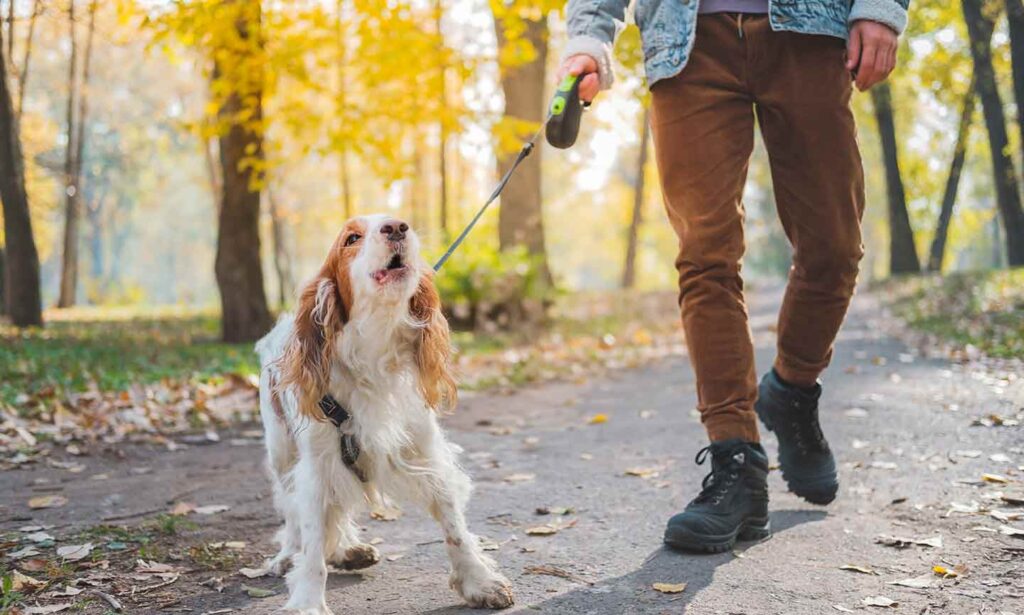
Photo by Photoboyko/Getty
Does your dog bark at strangers or act reactive toward other dogs on your daily walk?
If so, you may have a reactive dog. Don’t panic, though. Positive reinforcement training is a great first step toward helping your dog live a calmer, happier life.
Key Takeaways
- A reactive dog can overreact to situations that another dog might not respond to.
- Reactive dogs may exhibit excessive barking, lunging at other dogs or people, or pulling on their leash.
- A bad experience can cause a dog to become reactive due to fear. Dogs who were never properly socialized may also become reactive.
- By identifying your dog’s trigger and training them, you can help them be less reactive and lead a calmer life.
What Is a Reactive Dog?
A reactive dog overreacts to situations a typical dog might ignore, says Katherine Houpt, VMD, professor emeritus at Cornell University College of Veterinary Medicine.
That overreaction commonly may take the form of:
- Excessive barking
- Pulling on their leash
- Lunging at another dog or person
How Does a Dog Become Reactive?
Reactivity mostly comes down to nurture, Dr. Houpt says. Unfortunately, some pups have bad experiences, especially during puppyhood, that cause them to overreact in certain situations.
Here are some common reasons dogs might become reactive:
- Your dog had a negative experience in a former home. This might make them afraid of people they don’t know well and don’t yet trust.
- Your dog was never properly socialized. This occurs when a dog isn’t routinely exposed to new, positive experiences in a safe and stress-free way, so they learn not to trust new pets, places, and people.
- Your dog experienced a scary situation, such as a negative encounter with another dog, that has made them fearful.
Dr. Houpt says that your dog’s size may be a factor—but it won’t determine their ultimate behavior. Smaller dogs, for example, might be more prone to reactivity because everyone around them is so large, which may be frightening for them.
But does a dog’s breed matter? Nope. Reactivity has little to do with a dog’s breed—and much more to do with their history and experiences.
In fact, any dog of any breed can become reactive, and many breeds with an undeserved reputation for being “reactive” show no signs of reactivity if they are socialized and raised by great pet parents.
How To Calm a Reactive Dog
Let’s say your dog reacts to another dog when you’re out on a walk. How do you help them calm down in the moment?
Dr. Houpt recommends these training techniques:
1. Spot the trigger.
If possible, identify your dog’s trigger beforehand. In the case of a walk, it’s the other dog coming toward you. If you can safely cross the street to avoid the trigger, do so.
2. Try a treat.
If you can’t avoid another dog approaching, work on counter conditioning. This means teaching your dog that good things happen when their trigger is around.
Start by giving your dog a treat. Now, you’re taking this “scary” thing (the other dog or trigger) and creating a positive association (the treat). Be sure to give your dog the reward safely, away from the trigger, to help your dog stay calm. It also helps them learn the other dog is not a threat to them.
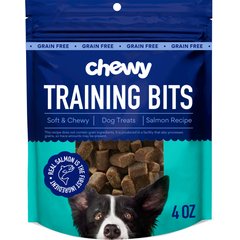
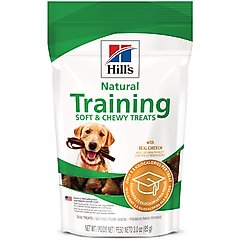
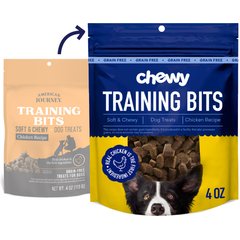
Here are some training treats to have on hand.
Recommended Products

3. Remove your dog.
Once you’ve rewarded your dog, turn them away from the trigger. Move your dog in another direction so they’re not facing the other dog and are out of the line of sight. Even if you don’t have dog treats, this is still a smart move when your dog is reactive.
Reactive Dog Training Tips
Here are some tips for training your reactive dog to be their calmest, best self.
Teach your dog to look at you.
Training your dog to look at you on command helps to redirect them when you see a dog or another person approaching—and can eventually curb reactive episodes altogether.
- Hold out something they want, such as a high-value treat.
- When your dog makes eye contact, you say “look” and give them the treat.
- With time and practice, your dog will look at you when they hear the word “look.”
Practice the “heel” command.
When your dog is barking or lunging at another dog, it can be challenging to get their attention. The “heel” command can help your dog return to a position by your side (without being pulled back by you).
Teach your dog to “heel” during calm moments, then use it during episodes of reactivity.
Work with another dog parent.
Dr. Houpt recommends working with a fellow dog parent to safely expose your pup to other canines.
- If your dog constantly barks at other dogs on walks, ask a friend who’s comfortable with it to walk their dog around the block and meet up with you.
- Practice rewarding your dog with a treat during the training session when you spot the other dog, leaving a safe distance between you.
This often works well because if your dog reacts by barking up a storm, your friend won’t try to approach or interact with your dog. Learn more about how to introduce dogs.
Pick the right walking gear.
What’s the best gear for a reactive dog?
Most vets and behaviorists recommend a front-clip or dual-clip no-pull harness backed up by a Martingale collar for safety.
Recommended Products
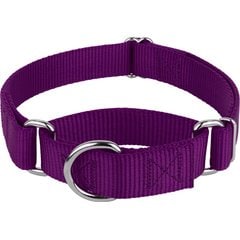
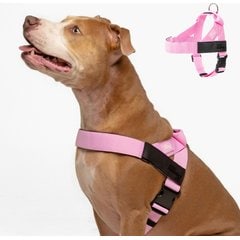

A front-clip harness, like a dual-attachment no-pull design, redirects forward momentum and gives you steering control from the chest rather than putting pressure on your dog’s trachea—for example, if they’re lunging. The Martingale collar is backup with a second leash.
Consult the experts.
If you’re not making headway with your bestie, it might be time to call in the pros. Certified professional dog trainers can create a training plan for both you and your pup.
If dog training isn’t working, it may be time to call your vet. Medications can help your dog feel more at ease if behavior modification alone isn’t effective, or a veterinary behaviorist can take a deeper look at what’s going on.
How To Socialize a Reactive Dog
Even a reactive dog needs socialization—in fact, you could argue that they need it most of all. Here are some things to remember as you introduce your dog to other people, places, and pets.
Discover their triggers.
Many dogs react to other dogs, but some dogs will respond to people, especially ones they don’t know.
To avoid this, work on socializing your dog as early as possible. Exposing them to lots of new people, pets, and experiences in a stress-free way teaches them that they don’t have to be afraid of new things, and it’s easiest to do when they’re puppies.
However, socialization is a lifelong project, and even adult dogs benefit from it.
Practice behavior modification.
Once you know your dog’s triggers, begin a process of desensitization, using the counterconditioning method above with tasty treats.
Recommended Products


Avoid your dog’s triggers.
While behavior modification can be helpful, you may need to avoid places, pets, and people filled with stimuli that send your dog into a frenzy.
It’s counterproductive to take a reactive dog into a stressful situation and expect them to be cool, calm, and collected. That means you may have to adjust your daily routines as well.
“Everyone walks their dog at 5:30 p.m.,” says Dr. Houpt, “so walk your dog at 7:30 p.m. even if you have to use a flashlight.”
It’s probably best to avoid dog parks, too, at least until your dog views them as a positive place.
Be proactive.
Keep your pet on their leash and only go for walks in spots that have leash laws.
If you do encounter an off-leash dog, distract and remove your dog from the situation immediately, and if necessary, tell the other dog’s parent to keep them away from your dog.
Reactive Dog Training FAQs
How do I stop my dog from growling at other dogs?
You shouldn’t stop your dog from growling. It might seem impolite, but it’s a warning sign that your pup’s on edge. Instead, work on dog behavior modification and counterconditioning to help them stay calm.
What’s the difference between a reactive and an aggressive dog?
Reactive dogs are responding to a trigger; they’re usually scared or fearful of something in their environment. A dog may be considered “aggressive” if the behavior happens without a trigger; however, aggression is more of a behavioral diagnosis that your veterinarian will evaluate.
Attributions