Do Some Dogs Enjoy Time Alone?


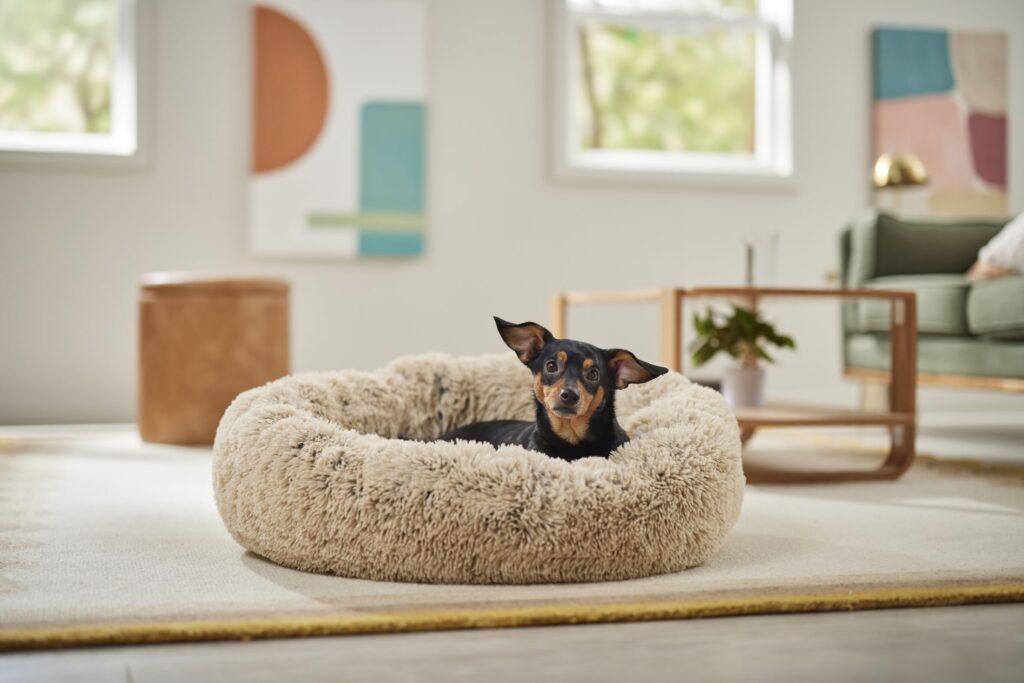
Photo by Chewy
Does your dog spend all day at your heels, only to suddenly ditch you for a nap in the guest room? Don’t take it personally. Many dogs enjoy a little alone time to rest and recharge.
That said, seeking alone time can sometimes be a sign that something’s wrong. Here’s how to tell when your pup is simply enjoying a little “me time,” and when their solo streak deserves a closer look.
Key Takeaways
- Yep, some dogs enjoy a little alone time to rest and recharge—and that’s perfectly normal.
- Your dog might seek out a quiet spot because they’re tired, overstimulated, too warm, or simply enjoy some solo time.
- Pay attention to your dog’s body language and give them space when they show you they’d rather not be disturbed.
- Create a cozy, safe spot where your pup can relax whenever they choose.
- If your normally social dog suddenly starts isolating themselves or has other changes in behavior or health, check in with your vet.
Do Some Dogs Enjoy Time Alone?
Yes, many dogs enjoy a little time alone now and then, even when you’re home.
“Some dogs seek quiet time within view of their human companion, while others retreat to their favorite resting spot,” says Antje Joslin, DVM, a Phoenix-based veterinarian and veterinary consultant for Dogtopia.
As long as the behavior is typical for your dog and they otherwise seem happy and healthy, these little breaks are perfectly normal, she notes.
Just don’t mistake those short breaks for a sign they’d enjoy being left alone all day. Dogs are social animals who need plenty of time with their favorite people.
Why Does My Dog Want To Be Alone?
So what might prompt your dog to seek some solitude? Here are the top reasons.
It’s Their Personality
“Just as people can be introverts or extroverts, dogs have different personality types, too,” says Sarah Rodriguez, CPDT, CDBC, a certified dog behavior consultant and founder of Home Schooled Hound in Covina, California.
“While some dogs are energized by being in the center of a social gathering, others can get drained quickly and prefer to go off on their own to enjoy some peace and quiet,” she explains.
As long as this is your dog’s usual pattern and they still seek out time with you, their solo breaks may simply be part of who they are.
It’s Related to Their Breed
A breed’s original job can offer clues about how independent a dog might be.
For example, guardian dogs like Great Pyrenees were bred to make decisions on their own, while companion breeds like Cavalier King Charles Spaniels were bred to stay close to people, Rodriguez says.
However, breed doesn’t define a dog, Rodriguez notes. Your pup may go against the breed stereotype when it comes to alone time (and that’s perfectly normal, too!).
They Need Time To Recharge
“Even dogs who enjoy being busy need moments of quiet to rest and recharge,” Rodriguez says.
A long walk, energetic play session, training class, houseguests, or a busy day out can leave a dog ready for some solo downtime.
They’re Avoiding Noise or Commotion
Vacuum cleaners, excited children, barking dogs, loud music, or a house full of visitors can cause a dog to feel overstimulated or fearful. They may head to another room because it’s quieter there.
They’re Too Hot
If the room you’re in feels warm, your dog may seek out a cooler spot, such as a tiled bathroom floor, a shady corner, or an air-conditioned bedroom. Dogs with thick coats may be especially likely to trade couch cuddles for a chillier resting place.
They’re Feeling Stressed or Anxious
“Some dogs prefer to be alone in a quiet atmosphere when they’re feeling stressed,” Rodriguez says.
The following scenarios might feel stressful:
- A change in routine
- Unfamiliar guests
- Conflict with another pet
- Loud noises
- Anything else out of the ordinary
These stressors could send your dog looking for a spot where they feel safer.
They Don’t Want To Be Disturbed
Sometimes, your pup is engrossed in a dog chew, tired, or simply not in the mood to socialize (hey, we get it!).
Retreating to a special spot allows them to rest or enjoy a prized item without being interrupted by people or other pets.
They’re in Pain or Feeling Unwell
Dogs may isolate themselves when they’re sick, injured, or uncomfortable.
If your typically social pup suddenly starts retreating more than usual, contact your veterinarian to rule out a medical issue.
Signs Your Dog Needs Some Alone Time
Dogs can’t say “I need a minute,” but their body language often gets the message across.
Your dog may be asking for some space if they:
- Walk away or retreat to another room
- Settle in their bed, crate, or another quiet spot
- Turn their head or body away from you
- Get up and move when someone approaches or pets them
- Seem uninterested in playing
Pay attention also to stronger signs, such as:
- Growling
- Showing the whites of their eyes
- Repeatedly licking their lips
These signs can mean your dog is asking you to back away immediately.
If any of these behaviors are new, frequent, or accompanied by other changes, contact your veterinarian to rule out pain or illness.
How To Give Your Dog Healthy Alone Time
Want to create a comfortable retreat where your dog can rest and recharge without feeling isolated? Here’s how:
Let Your Dog Choose the Location
Pay attention to where your dog naturally goes when they want alone time. Do they prefer a specific bedroom, their crate, or a tucked-away corner of the living room? As long as the area is safe and indoors, follow their lead and make it their designated chill-out spot.
Recommended Products
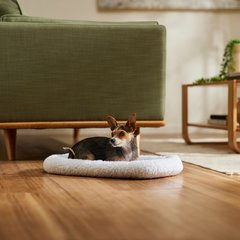
Make the Space Cozy
Add a comfortable dog bed or dog blanket to their chosen spot.
If your dog prefers relaxing in a crate, place the bedding inside and leave the door open so they can come and go freely.
Recommended Products


Keep a filled water bowl nearby so your dog doesn’t have to leave their quiet space when they get thirsty.
Recommended Product

Reduce Household Distractions
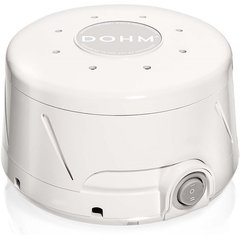
If the environment is noisy, a white noise machine or calming music can help muffle loud sounds.
Recommended Product
If your dog seems anxious, you could also try a calming dog diffuser or spray.
Recommended Product

Ask family members to respect your dog’s quiet time, and supervise young children so they don’t disturb your pup while they’re resting.
If needed, use a dog gate to keep young children or other pets in a separate area during your dog’s quiet time.
Recommended Product

Offer Safe Enrichment
Not every dog spends their alone time napping. If yours would rather keep busy, offer a favorite puzzle toy or treat-dispensing toy.
Recommended Products
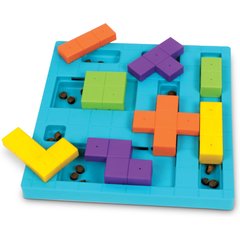
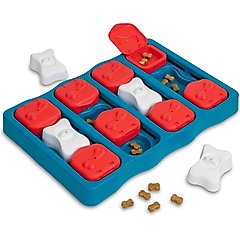

Choose one that’s appropriate for your pup and supervise them until you’re confident they can use it safely.
Skip dog chews during alone time, as they can pose a choking risk.
Check In On Them Occasionally
Once your dog has settled in, resist the urge to stop by for pets. Take a discreet peek now and then to make sure they’re safe and comfortable without disturbing them.
Allow Your Dog to Rejoin You When They’re Ready
Alone time should be your dog’s choice, so don’t shut them away in a room or force them to remain in their relaxation space.
Keep Them Safely Indoors
Never leave your dog alone outdoors for their downtime. Unsupervised dogs can escape or face hazards such as extreme temperatures, wildlife, toxic plants, or accidental injury.
When To Call the Vet
Healthy alone time is typically brief and voluntary, and your dog should return to their usual self afterward.
Seeking frequent or prolonged alone time may signal a medical or behavioral problem, especially if it occurs alongside other changes, such as:
- Changes in appetite or drinking habits
- Low energy, weakness, or sleeping much more than usual
- Limping, stiffness, or trouble getting up, walking, or using stairs
- Restlessness or difficulty getting comfortable
- Flinching or acting unusually irritable when touched
- Vomiting, diarrhea, weight loss, or changes in bathroom habits
- Sudden fearfulness, clinginess, aggression, or confusion
- Loss of interest in favorite activities, treats, or people
- Hiding in unusual places or refusing to come out
- Panting while at rest, trembling, or whining
“Any significant change in a dog’s behavior warrants a veterinary appointment, since dogs often hide signs of discomfort; withdrawing from social interaction can be one of the first signs that something is wrong,” Dr. Joslin says.
When in doubt, especially if your dog simply doesn’t seem like themselves, call your vet or a pet emergency clinic for guidance.
FAQs About Dogs and Alone Time
How much alone time do dogs need?
There’s no set amount! Some dogs enjoy occasional quiet breaks, while others prefer to stay close to their people as much as possible. Let your dog choose when to take a break.
Why is my dog suddenly sleeping in another room?
Your dog may have found a quieter, cooler, or more comfortable spot. If this behavior comes with other changes, such as reduced appetite, low energy, or hiding in unusual places, contact your veterinarian.
Do dogs get lonely?
Yes, dogs can get lonely. They’re social animals who enjoy being around people, and sometimes other pets. If you’re away for a full workday, consider hiring a pet sitter or dog walker for a midday visit to give your pup some company, exercise, and a bathroom break.
Do some breeds prefer alone time?
Yes, some breeds tend to be more independent, but every dog is different. Your dog’s own habits, rather than their breed, are the best guide to how much quiet time they enjoy.
Is it normal for my dog to sleep alone?
Yes, it can be. Many dogs choose a quiet room, open crate, or cozy corner for sleep. If this is typical for your dog and they otherwise seem like themselves, there’s usually no cause for concern.
Attributions