Why Do Dogs Like Some People Over Others?


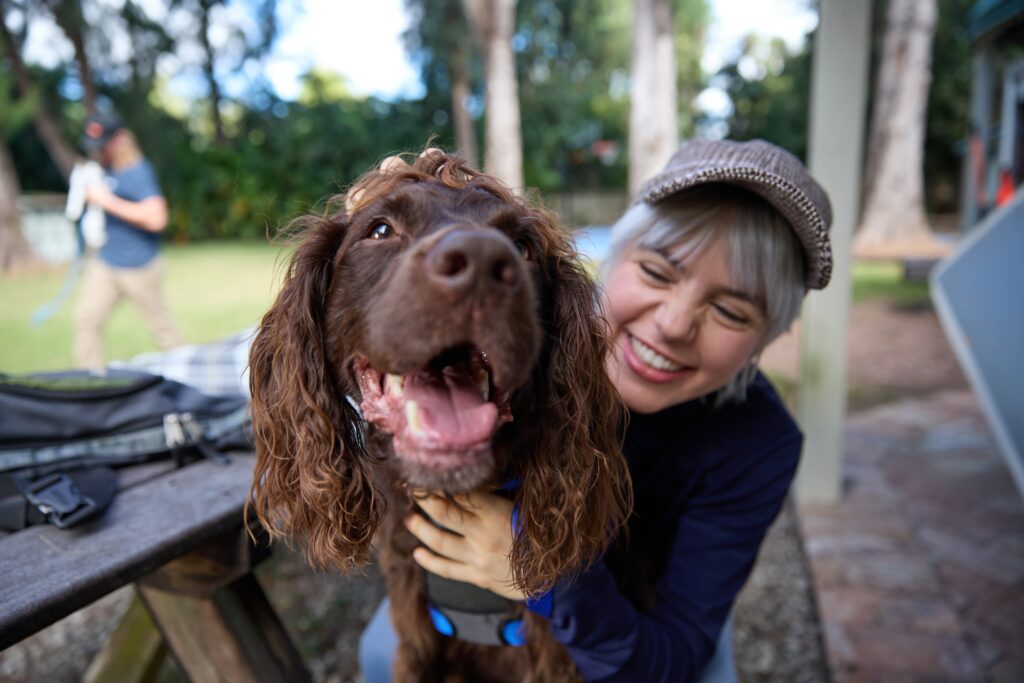
Photo by Chewy
Does your dog race like an Olympic sprinter to greet you after work while barely looking up from the sofa when your partner gets home? It might leave you wondering, “Do dogs have a favorite person?”
The answer is usually yes. Here’s why dogs play favorites, how they choose their VIP, and what you can do to strengthen your bond if you aren’t already holding the top spot.
Key Takeaways
- Most dogs do have a favorite person; they tend to gravitate toward people who provide them with food, toys, treats, and attention.
- A dog’s favorite person isn’t always their pet parent. The strongest bonds are built through trust, positive experiences, and quality time together.
- Reward-based interactions help strengthen your bond. Treats, play, and positive training can help your dog see you as someone great to be around.
- Every dog chooses their favorite person differently. Early socialization, personality, body language, and scent can all play a role.
- Many dogs have more than one favorite. Dogs may turn to different family members for playtime, comfort, adventures, or snuggles.
Do Dogs Have a Favorite Person?
Yes, most dogs have a favorite person, says Wailani Sung, DVM, DACVB, a board-certified veterinary behaviorist at Joybound People & Pets in Walnut Creek, California.
In a landmark 1998 study, researchers adapted a test that assesses attachment between human infants and their caregivers. Dogs consistently preferred their pet parents over strangers, seeking more contact, greeting them more enthusiastically, and turning to them for comfort and security.
In fact, a dog’s “favorite” person is usually the one who most consistently meets their physical and emotional needs and has shared the most positive experiences with them, Dr. Sung explains.
That said, most well-socialized dogs form strong bonds with multiple people in their home, even if they prefer one person over others.
Your dog may even have “favorites” for different things, Dr. Sung adds. For example, Mom might be the go-to for hikes and games of fetch, while Dad is the first stop for evening cuddles or comfort during a thunderstorm.
How Do Dogs Choose Their Favorite Person?
Here are some of the biggest factors that determine who becomes your dog’s MVP.
Positive Experiences and Reinforcement
Dogs tend to gravitate toward people who consistently provide them with good things, such as food, treats, play, walks, affection, and comfort.
Recommended Products

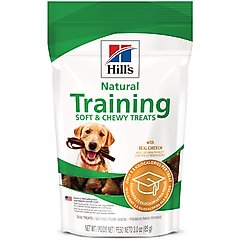
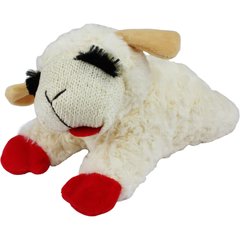
Over time, they learn to associate those people with positive experiences and safety, explains Vanessa Spano, DVM, DACVB, a board-certified veterinary behaviorist at the Schwarzman Animal Medical Center in New York City.
A 2019 study even found that dogs trained with aversive methods were less likely to show a secure-base effect with their owners than those trained with rewards.
Early Socialization
Puppies go through a critical socialization period between 3–14 weeks of age, when their brains are most open to new experiences.
Positive experiences with a variety of people during this time help shape how they relate to humans throughout life. If you were especially involved during this stage, your puppy may have built a particularly strong bond with you.
That said, dogs are never too old to make a new bestie. Adult and senior dogs can form incredibly close bonds with people who make them feel safe and cared for.
Body Language and Facial Expressions
“Dogs are experts at reading body language and picking up on subtle cues that people often overlook,” says Alexandra Bassett, CPDT-KA, founder and head dog trainer at Dog Savvy Positive Dog Training in Salt Lake City.
In fact, one study found that dogs can distinguish between happy and angry human facial expressions, highlighting just how closely they pay attention to our social cues.
Bassett notes that some dogs may find certain gestures overwhelming, such as:
- Moving quickly
- Speaking loudly
- Gesturing a lot
- Unwanted, prolonged eye contact
“[Some people] have a calmer, quieter presence that many dogs find easier to approach,” Bassett says.
Scent
When meeting someone new, odors—whether positive or negative—may influence how comfortable a dog feels approaching.
Once a dog forms a close bond with someone, however, that person’s unique scent can become a powerful source of comfort. In one MRI study, the area of the brain associated with positive emotions responded most strongly to the scent of the dog’s pet parent.
Boundaries
“Dogs are generally more likely to gravitate toward people who are respectful of their body language and consent,” Dr. Spano says.
If you notice these signs, give your dog some space:
- Pinned-back ears
- Whale eye
- Moving away
- Lip-licking
- Panting
- Yawning when not tired
- Trembling or shaking
- Tucking their tail
If you learn to respect your dog’s wishes, you’ll have a better chance of becoming their bestie.
Past Experiences
Dogs are constantly learning from their experiences, and the associations they form help shape who they trust and bond with.
For example, a dog who has been frightened by someone with a particular appearance, voice, behavior, or gender may be more cautious around people who remind them of that experience.
Personality Compatibility
Much like humans, dogs often “click” with people whose personality and energy level are a good match for their own.
A high-energy dog may prefer the family member who’s always up for a hike or a game of tug-of-war, while a more laid-back pup may seek out the person who’s happiest relaxing on the couch.
Why Do Dogs Not Like Certain People?
If a dog seems uncomfortable around someone, they aren’t necessarily making a judgment about that person’s character.
Instead, “they’re responding to how that person looks, moves, smells, sounds, and makes them feel,” Bassett says.
Here are some common reasons a dog may be wary of someone:
- They remind the dog of a bad experience. Someone who looks, sounds, or moves like a person who frightened them may make them uneasy.
- The person’s body language is intimidating. Leaning over a dog, making prolonged eye contact, moving quickly, or speaking loudly can feel threatening.
- They look or smell unfamiliar. An unfamiliar scent or unusual clothing—like hats or boots—may raise suspicions.
- They get between the dog and their favorite person. While this behavior can look like jealousy, it’s often rooted in guarding access to a valued person.
- The person seems tense. Dogs are highly attuned to our body language and emotions. If someone is feeling tense, a dog may pick up on that cue and become uneasy as well.
- The timing is bad. If a dog is tired, stressed, sick, or in pain, they may be less interested in meeting new people.
- The person hasn’t earned the dog’s trust yet. Some dogs, especially shy ones, may simply need more time to warm up to new people.
How To Get a Dog To Like You More
Not every dog is going to greet you with full-body wiggles the first time you meet—and that’s OK! Earning a dog’s trust is about showing them over time that you’re someone they can feel safe with.
Here’s how to create a stronger bond.
1. Let the Dog Come to You
It can be tempting to try to win over a hesitant dog with pets or a big hug, but giving them space is the better approach, Bassett says.
2. Offer Treats
Giving the dog a treat they love to create positive associations with you. Try casually tossing treats their way during calm interactions, without expecting them to approach or interact in return. Some dogs warm up faster than others, so don’t be discouraged if it takes a while.
Recommended Products


3. Spend Quality Time Together
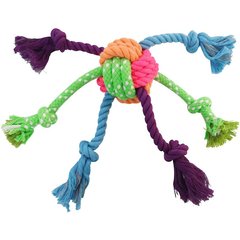
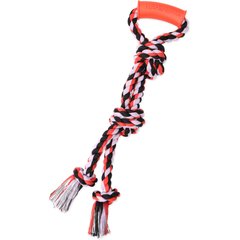
Playing with one of the dog’s favorite toys or taking them for a walk can be good starting points. The more positive experiences you share, the more likely the dog is to associate you with good things.
Try some simple tug toys for an easy, laid-back bonding game at home where the dog already feels comfortable.
Recommended Products
4. Respect Their Boundaries
If they back away, avoid eye contact, tuck their tail, or seem stiff, don’t push the interaction. Respecting their signals helps build trust.
5. Keep Your Body Language Relaxed
Dogs are experts at reading people. Speak in a calm voice, move slowly, and avoid looming over them.
These shifts will make you seem more approachable.
6. Be Patient and Consistent
Trust takes time. The more consistently you create calm, positive experiences, the more likely a dog is to see you as someone they enjoy being around.
Think of every positive interaction as another deposit into your “trust bank.”
FAQs About Dogs Having a Favorite Person
Do dogs like some people more?
Yes. Many dogs seem to prefer certain people over others. This is often based on their own experience, especially during early-age socialization.
Is it a bad sign if your dog doesn’t like someone?
Not necessarily. Dogs may be reacting to things like unfamiliar scents, body language, past experiences, or simply needing more time to warm up. That said, don’t force your dog into any interaction, and trust your dog’s judgment if they prefer to keep their distance from someone.
How can you tell if you’re your dog’s favorite person?
It’s all in their behavior. For example, they might follow you from room to room, sleep beside you, greet you more enthusiastically than everyone else, and look to you for reassurance in unfamiliar or stressful situations.
Do dogs imprint on people?
No, unlike some wild animals, dogs don’t “imprint” on people. Instead, they form strong attachment bonds through positive experiences, consistent care, and repeated interactions.
Attributions