Puppy Socialization: The Ultimate Guide


As a puppy parent, you’ve got lots of new responsibilities to tackle—and puppy socialization should be at the top of your to-do list. Socialization, aka introducing your puppy to new people, places, and experiences, will be a lifelong process for your dog, but it’s best to start when your dog is young.
The key is making sure your puppy stays safe, happy, and confident as they explore the world. So how do you socialize a puppy?
We asked Rebecca Ruch-Gallie, DVM, an associate professor and service chief for community practice at the College of Veterinary Medicine at Colorado State University, Fort Collins, Colorado; and Joana Watsky, owner of Sit and Stay Dog Training & Behavioral Counseling in northern New Jersey, for their essential tips and tricks for puppy socialization.
Follow our step-by-step guide to learn how to socialize a puppy.
Key Takeaways
- The ideal window for puppy socialization is between 3 and 14 weeks old, when their brains are most open to new experiences.
- Socialization involves more than meeting other dogs—it includes exposure to people, places, sounds, surfaces, and more.
- Keep early experiences brief, positive, and stress-free, using rewards like treats and toys to reinforce calm, curious behavior.
- Don’t force interactions; instead, let your puppy approach new things at their own pace to help build trust and confidence.
Why Is Puppy Socialization Important?
Lots of pet parents think that the term “puppy socialization” means introducing your puppy to other dogs. But there’s a lot more to it than that. In fact, socialization is the process of introducing your puppy to the whole wide world, from different types of people to places and objects they’ve never seen before.
The goal is to expose your puppy to, well, just about everything, including:
- People of different ages, races, and genders
- People with and without disabilities
- Other dogs and different animal species
- New places
- New sounds, smells, sights, and sensations
- New objects and surfaces
That might sound like a lot for a young puppy to handle, but don’t worry: Your dog’s brain is actually most capable of processing and accepting all these new experiences between 3 and 12–14 weeks old. This time frame is commonly called the puppy socialization period, during which pet parents should aim to expose their puppy to as many different positive experiences as they can.
Positive is the key word here. The best way to socialize a puppy is to avoid frightening experiences as your dog learns what’s normal and safe. Puppies’ minds are impressionable, especially during the puppy socialization period, and bad experiences can make as much of an impact as good ones.
An encounter with an aggressive dog, for instance, could leave your puppy with a phobia of other dogs that may be difficult to overcome. So use caution when you’re planning new adventures with your puppy, and don’t hesitate to remove them from a situation in which they appear afraid or anxious.
The good news is that for most puppies, that won’t be too hard of a task. Young puppies are typically happy-go-lucky and tend to approach new things with curiosity more than fear. You just have to use that to your advantage.
When To Socialize a Puppy
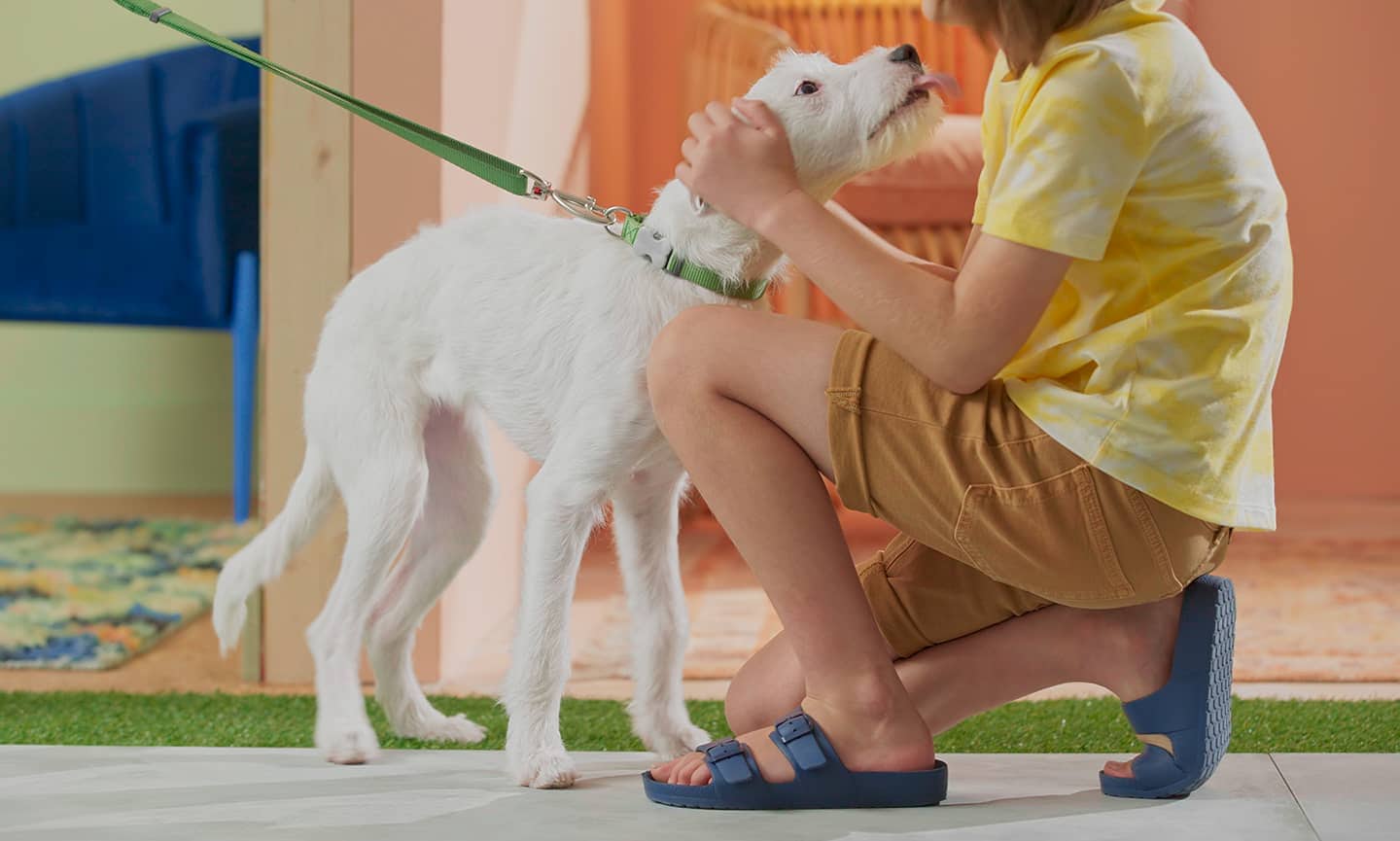
Socialization can benefit dogs of any age, but it’s especially important for puppies. That’s because dogs who miss out on a wide range of positive experiences during the puppy socialization period tend to be more anxious throughout their lives, says Dr. Ruch-Gallie.
Puppies’ brains are most adaptable—and therefore most open to socialization—between 3 and 12 weeks old.
Depending on their breed and individual characteristics, some puppies have a socialization period up to 12–20 weeks old.
After that period, the brain becomes more inflexible when it comes to how they understand the world. Essentially, as they get older, dogs become more wary of new things. And because life is full of new things—for dogs and humans alike—it’s important to help your dog understand that different doesn’t necessarily mean bad.
Because most puppies join their families around 8–12 weeks old, you should start socializing right away. It’s ideal if their breeder or rescue/shelter organization has been working on socialization with them prior to that too.
How to Socialize a Puppy
So what’s the best way to socialize a puppy? Based on advice from our experts, we’ve compiled this step-by-step guide.
As you work your way through these steps, remember that your goal is to create positive experiences for your puppy. So, keep it upbeat! Smile, offer praise, and toss them a treat or two along the way. Your attitude can determinewhether a puppy sees a particular experience as exciting or overwhelming. (And, yes, the treats definitely help too!)
1. Use Positive Reinforcement
Positive reinforcement is one of the most effective dog socialization techniques you can use. It simply means rewarding your puppy for behaviors you want to see more of—like calmly greeting a stranger or walking confidently in a new place.
Rewards can include tasty training treats, enthusiastic praise, or a favorite toy, depending on what your puppy finds most motivating.
Recommended Products

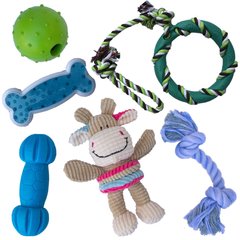


Timing is key. Offer the reward immediately after the desired behavior so your puppy makes the connection between their action and the treat. This teaches your dog that trying new things and meeting new people leads to good outcomes.
And remember: consistency builds confidence. When your puppy learns that good things happen when they stay calm and curious, they’re more likely to carry that attitude into new experiences.
2. Give Your Puppy Space To Explore at Home
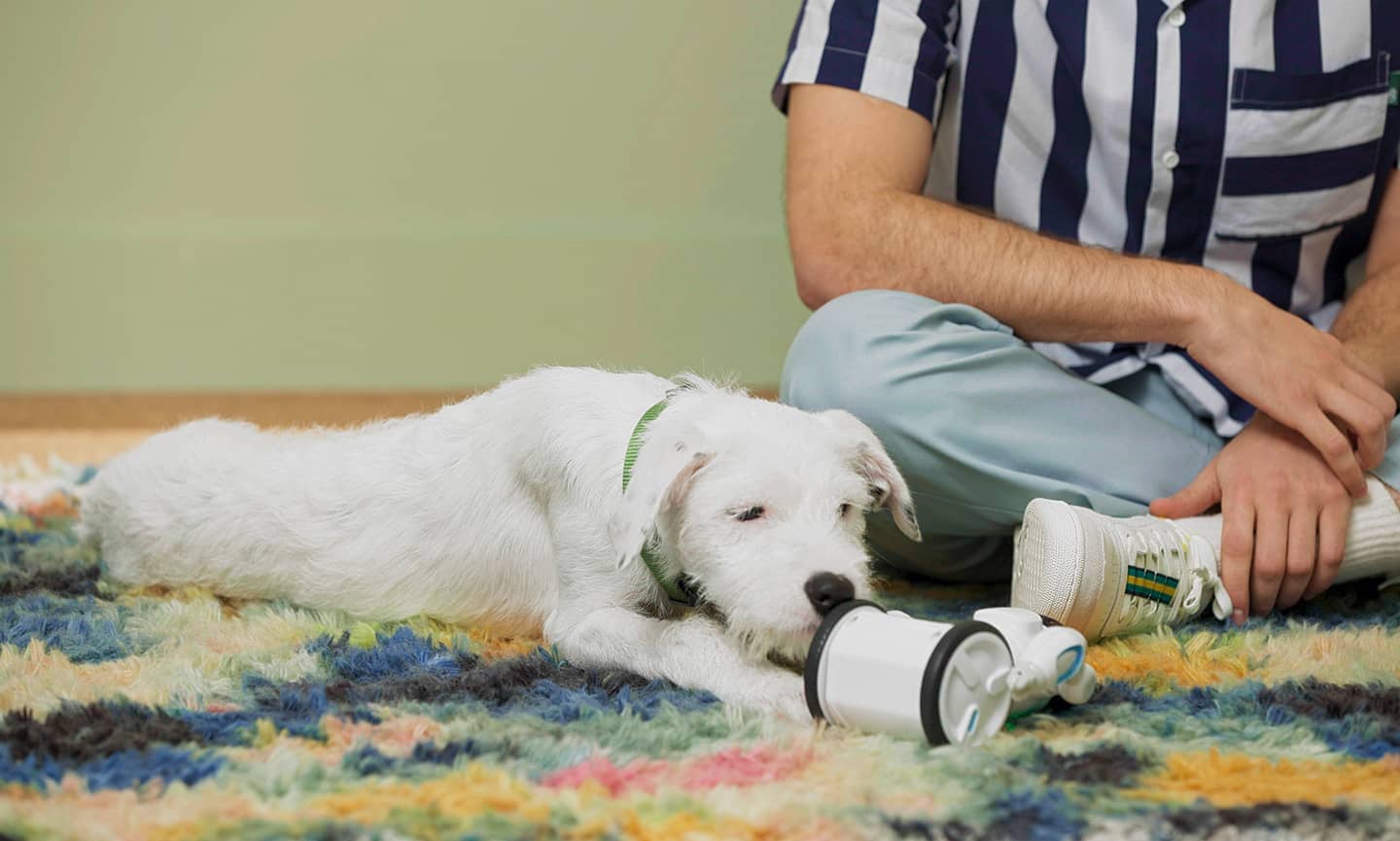
Your house and backyard may seem humdrum to you, but not to a puppy. There are different surfaces to explore—shiny tile, carpets, grass, and dirt—and all sorts of sounds, from the clothes in the washer to the birds at the feeder.
After you’ve puppy-proofed your home, let your puppy sniff and explore, watching them closely to ensure they stay safe.
If you have low windows, keep the blinds or curtains open so your pup can watch the outside world. When they’re able to see cars, bicycles, neighbors, squirrels, and more from a distance at an early age, they’ll be more likely to happily accept them later in life, when they’re able to get a little closer.
3. Get Them Used to Touch
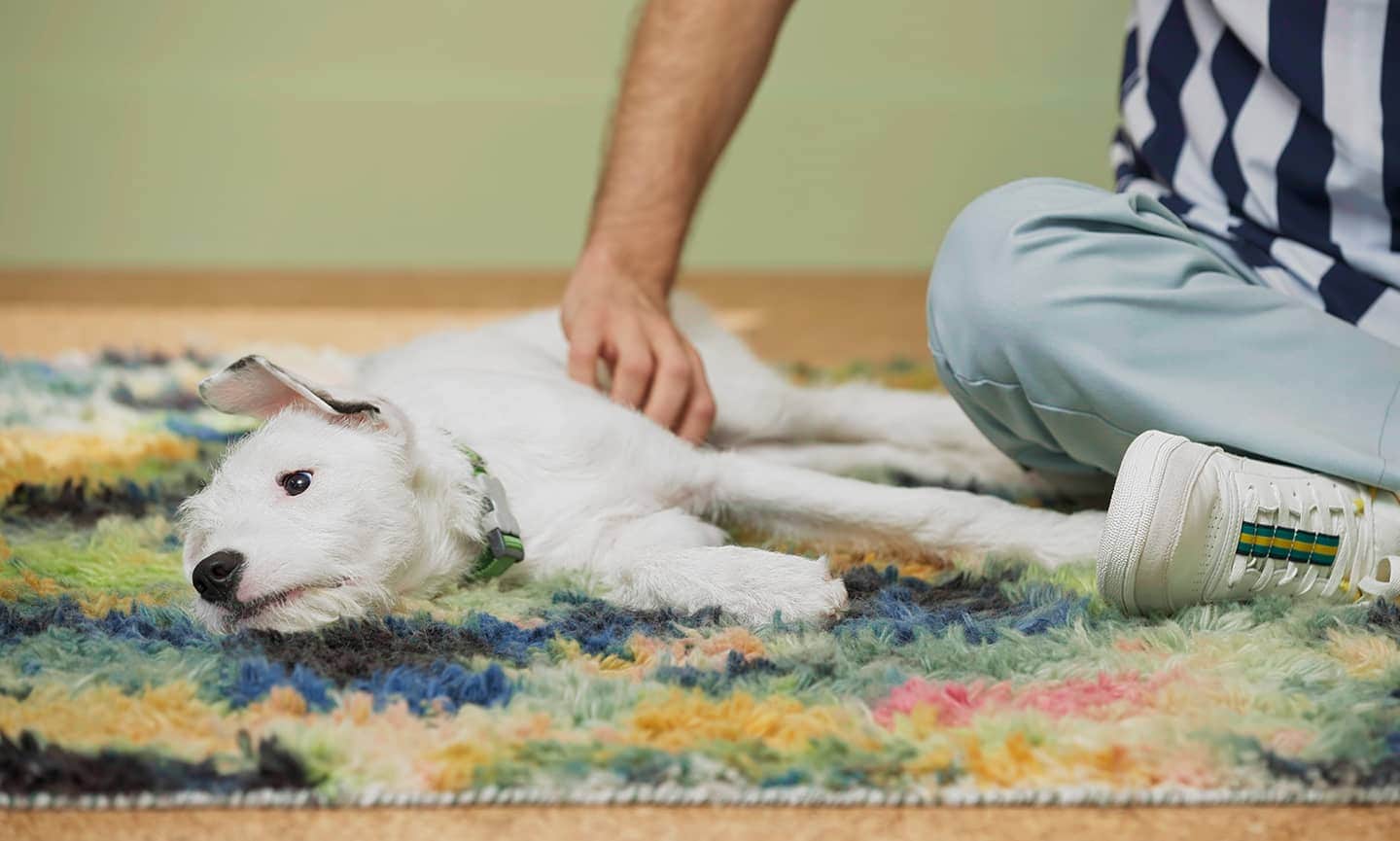
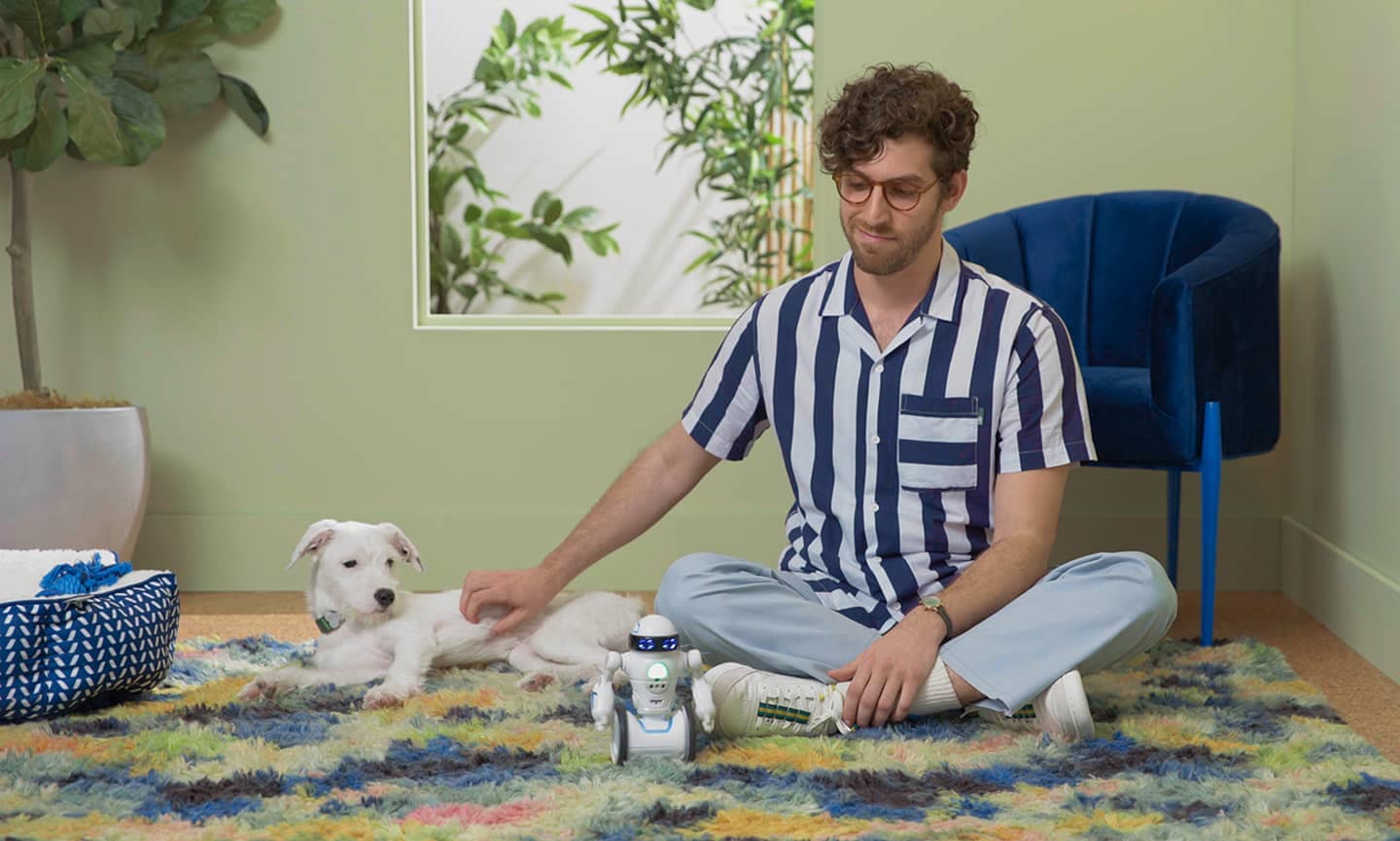
Puppy socialization involves all the senses: new sights, sounds, smells, tastes, and, touches.
You might find that your puppy especially loves when you scratch behind their ears or down their back, but don’t stop there. Help get your puppy used to being touched in different ways too. Try:
- Belly rubs
- Touching and holding their paws (getting them used to this can be helpful when it’s time to trim their nails)
- Stroking their tail (without pulling)
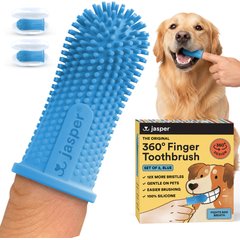
- Touching their teeth, especially with a soft finger toothbrush (which can help prepare them for tooth brushing)
Recommended Product
- Petting them when they’re in different positions, such as sitting, lying on their side, or lying on their back
- Gently touching their ears
- Brushing their coat
Recommended Products


Through these gentle interactions, you’re teaching your puppy that all your touches are kind and loving, no matter how you approach them. This can also help at the vet’s office, when other people will touch and examine their bodies in ways that might feel unusual to your pup.
4. Keep Outings Brief and Positive at First
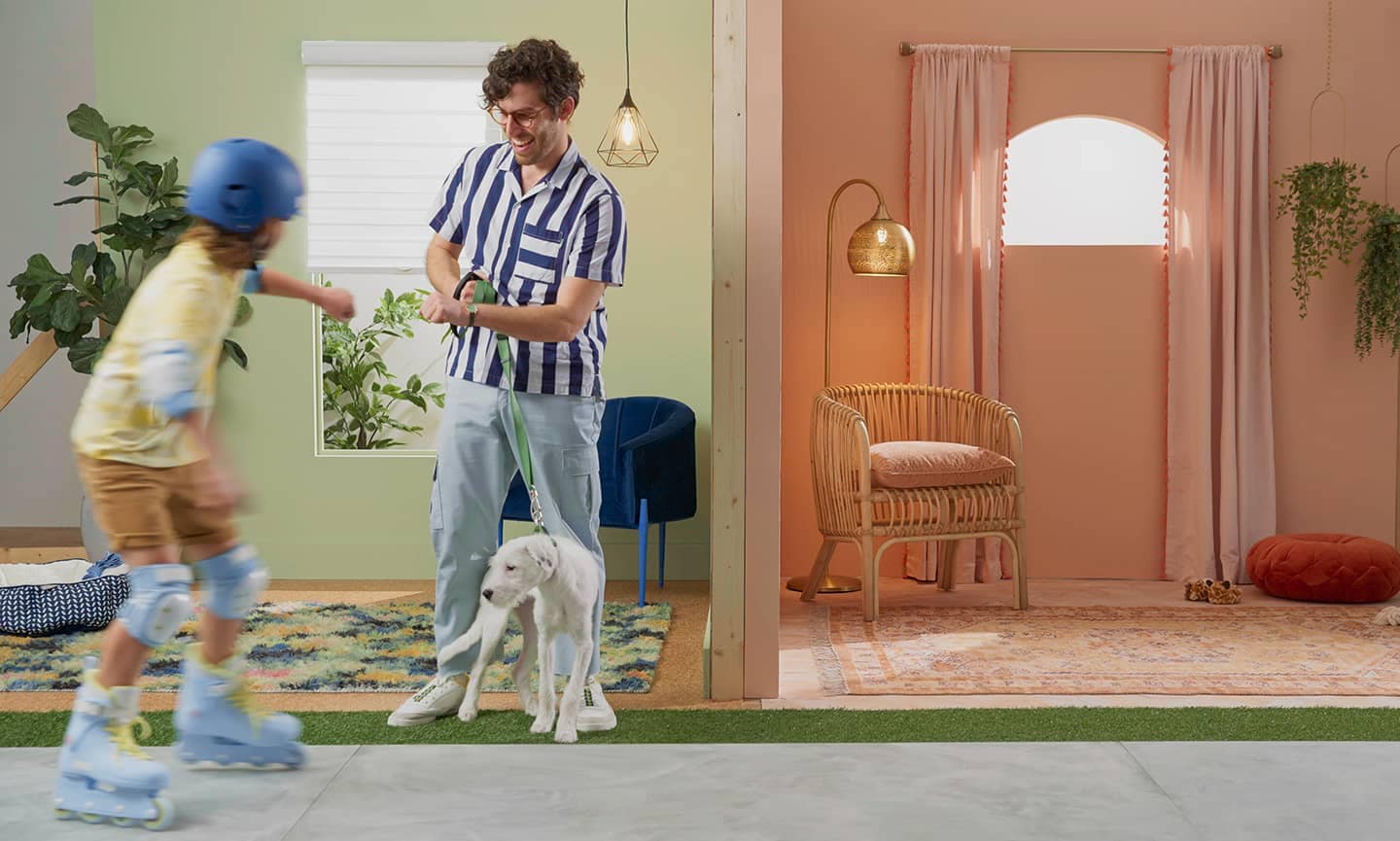
One common mistake puppy parents make is overwhelming their puppy—doing too much, too soon, too fast. So whether you’re walking around the block or going for a ride in the car, make sure your pup is having fun from start to finish.
Watch your dog for signs of stress or being overwhelmed, including:
- A tired appearance (droopy ears, sagging body posture)
- Frequent stopping during walks/play
- Frequent scratching
- Yawning
- Panting
- Shaking their fur, as if they’re wet
- Looking or turning away
- Lip licking
Keep your socialization sessions short, around 10–15 minutes. That may not sound like a long time to you, but just think of all the new things your puppy will experience on a 10-minute walk in your neighborhood: different types of cars, new neighbors, squirrels, birds, maybe even a scent left behind by a fellow dog.
If you live on a busy street, keep your walks close to home so you can quickly bring your puppy back to a calming environment if they get overstimulated. Even a hangout on your front porch or stoop can count as a socialization session, says dog trainer Watsky.
Download our Puppy Walking Schedule printable, to help you keep track.
5. Don’t Force Interactions or Situations

Here’s the No. 1 rule of puppy socialization: Don’t force your pup into any interaction or situation.
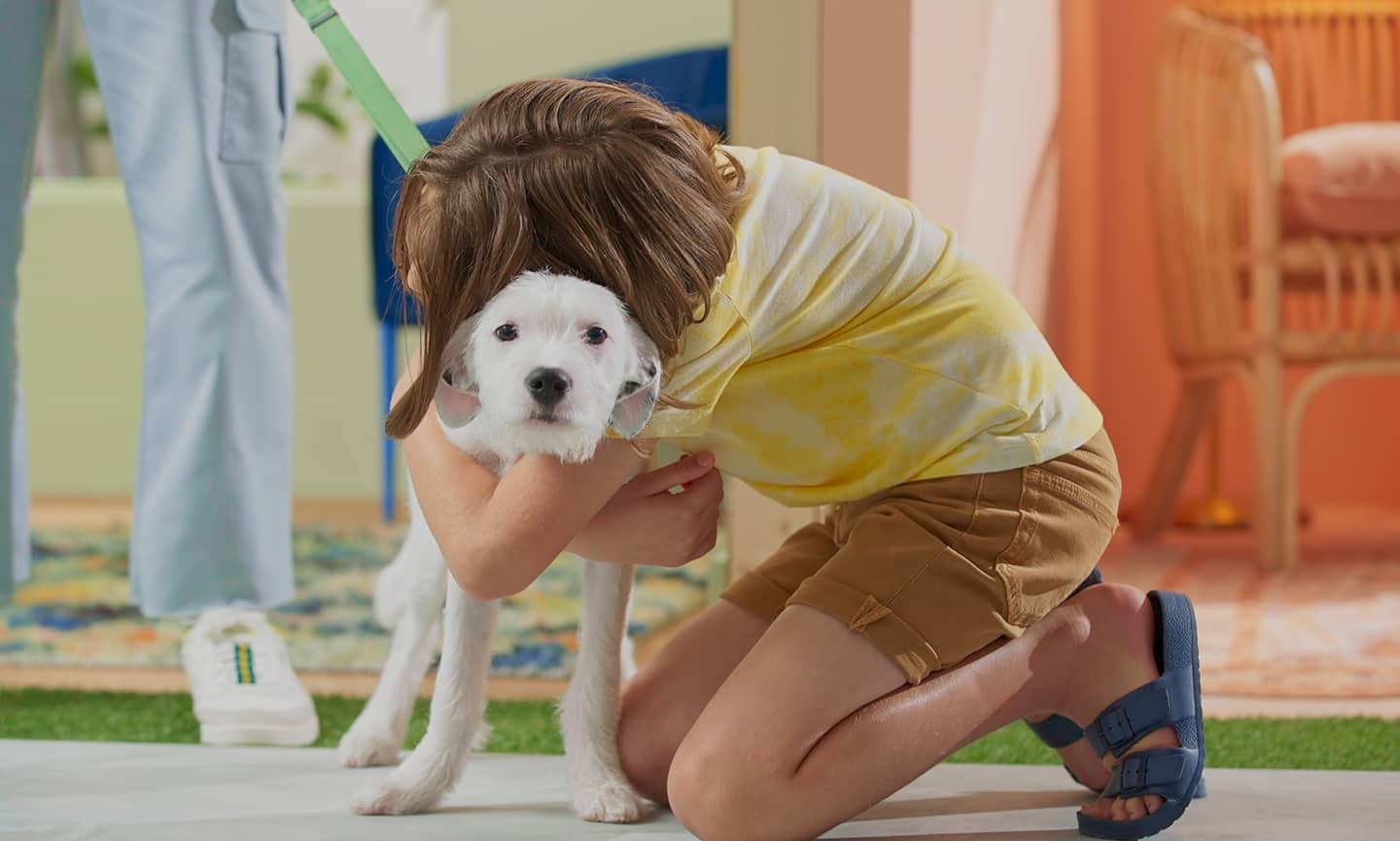
Pushing your puppy to do something they’re not ready for can be a frightening experience—exactly the opposite of what you’re hoping to achieve through socialization. So if they’re reluctant to approach a new person or to jump into the car for the first time, take it slow. Encourage them with praise and puppy treats, and let them approach the new thing at their own pace.
Recommended Products


If your puppy does become scared of a particular experience, separate them from the situation immediately—but don’t give up.
Say, for example, that your puppy hides in fear when you turn on the vacuum cleaner. In that case, stop the vacuum and put it away for the day, but bring it out the next day without turning it on.
Encourage your puppy to play with you near the vacuum, let them sniff it out and investigate it on their own terms, and when they seem fully comfortable around the vacuum, turn it on briefly.
Practice these lower-intensity exposures until your puppy gets used to it. (Hey, there’ll always be time to vacuum the house later.)
6. Introduce Your Puppy to New People
Meeting new people is a big part of puppy socialization training. Start by introducing your puppy to a variety of individuals at home or in quiet settings where your puppy feels safe.
Gradually expand their circle to include people of different ages, sizes, and appearances—such as someone wearing a hat or carrying an umbrella—so your dog doesn’t get startled by these common but unfamiliar sights.
When introducing your puppy to someone new, let your dog approach at their own pace. Ask the person to crouch down and let the puppy sniff their hand first before trying to pet them.
Praise and reward your pup for calm behavior during these interactions. This not only helps build trust but also teaches your dog that people are a source of positive experiences.
7. Schedule Puppy Playdates

Puppies must learn to get along with other dogs and read their cues. The best way to do that? Introduce your puppy to other puppies!
Unlike older dogs, puppies are more likely to play gently and aren’t able to throw their weight around as much as a fully grown dog. That makes them ideal playmates for your little pup.
If you have friends or family members who’ve recently added a puppy to their home, set up some time for the two to get to know each other (assuming they’re both vaccinated, of course). You can set up a safe zone in your backyard or at your house where the pups can play together, or take them both for a short walk.
Whatever adventure you choose, remember to watch them closely to make sure both pups stay safe and stress-free.
8. Attend Puppy Socialization Classes
Puppy socialization classes are a great option if you don’t have easy access to other dogs and people. These classes provide structured environments where your pup can interact with other puppies and new humans under the guidance of a professional dog trainer.
Many classes focus on essential social skills and positive experiences, including safe play, handling by strangers, and exposure to new sights and sounds. Plus, they offer a chance for pet parents to learn best practices and ask questions.
Be sure to choose a class that uses force-free, reward-based training methods to ensure the experience is fun and stress-free for your puppy.
9. Keep Providing a Variety of New Experiences
As your puppy grows up, gets vaccinated, and is able to fully explore the world, the list of new experiences you can give them is endless. These suggestions are a great place to start—but don’t stop there!
- Go for car rides: Yes, your puppy will need to get used to being transported, but car rides are also useful to get puppies used to seeing life, even through the window. Hang out in the parking lot and let your pup see different types of people and other signs of life. Remember to ride safely by using a dog car harness or a dog car seat.
Recommended Products


- Visit pet-friendly stores: Stores have different sights, sounds, and smells than people’s homes, so they make great spots for socialization. So leash up your puppy and take them on a quick errand to a pet-friendly shop in your area.
- Walk down busy streets: If you live in a city, most streets are busy enough for puppy socialization. But if you live out in the country or in a quiet suburb and want to get your pup exposed to even more people and different vehicles, like trucks and buses, find a street that has a lot of movement. Take your puppy there for short walks to get them acclimated to even more sights and sounds.
Puppy Socialization and Vaccination/Safety Concerns
As you think about when to socialize a puppy, balance the risk of disease with exposure. Puppies get one round of vaccines at around 6–8 weeks, another round at 10–12 weeks, but don’t get their full set of shots until 16–18 weeks.
Areas that are popular with dogs are unsafe for unvaccinated pups. Talk to your vet about where and when it’s safe for your puppy to visit the outdoors, and when they can do social things like play with other dogs.
After your puppy is fully vaccinated, you may be tempted to introduce them to all the different dogs at your local dog park. However, most experts advise against letting puppies roam free at a dog park until they’ve had a few one-on-one puppy playdates and have proven capable of holding their own with older dogs.
Adult dogs often play more roughly than puppies are comfortable with, and your puppy may not yet understand other dogs’ cues for them to back off, which can lead to a confrontation.
All of this can be frightening for your pup—and again, that’s exactly what you’re hoping to avoid.
The bottom line: Safely exposing your puppy to all the world has to offer will set them up for a happy, curious life—and that’s great for them and for you and all the adventures you want to have together. Happy socializing!
Attributions