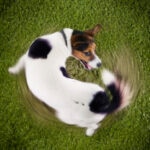
Why Is My Dog Panting So Much? Is This Normal?


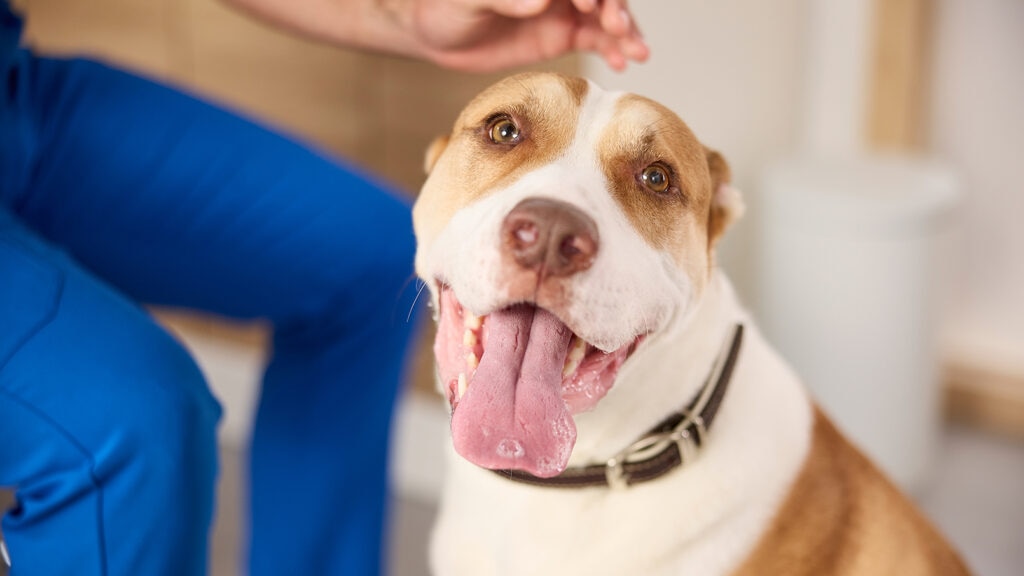
Photo by Chewy
Q: My bouncy pup pants a lot sometimes, usually while jumping for joy with her furry friends, during car rides, or after long walks. Why is my dog panting so much? Is this normal?
A: Most of the time, yes—dogs pant when they’re hot, excited, or just coming down from all that zoomie energy. But if your dog is panting hard while resting, or if the panting feels sudden or out of character, it could point to pain, anxiety, or overheating, or other medical condition.
Key Takeaways
- Panting is a normal cooling behavior in dogs, especially after exercise or in warm weather, because they don’t sweat as humans do.
- Excessive panting in dogs can signal pain, anxiety, overheating, or medical problems.
- Panting at rest, at night, or alongside vomiting, restlessness, or a change in behavior or appetite warrants veterinary evaluation.
- If your dog seems distressed, has pale gums, or struggles to breathe, seek emergency care immediately.
Why Is My Dog Panting So Much?
Dogs usually pant to cool themselves down, regulate stress, and respond to physical activity—but persistent or heavy panting can indicate a health issue.
Here are the most common reasons why dogs pant a lot.
Anxiety or Stress
A dog’s stress response, or fight-or-flight response, can cause panting in times of anxiety or stress, says Amanda Farah, CPDT-KA, a certified dog trainer and the coordinator of national training and behavior for Best Friends Animal Society based in Kanab, Utah.
Panting related to stress or anxiety looks different than the panting of a happy, tired dog. Farah says to watch for body language cues like a tense body, a tight face, pinned-back ears, or wrinkled, V-shaped corners of the mouth.
Pain
Panting that occurs when resting or in a comfortable environment may be a sign of pain in dogs, says Garrett Schuilenberg, DVM, veterinarian at Small Door Veterinary in New York City.
Pain or discomfort can trigger a stress response that increases a dog’s heart rate and respiratory rate, resulting in panting.
Heatstroke or Overheating
Dogs don’t sweat the same way people do; instead, they rely on rapid breathing, aka panting, to release heat from their bodies and lower their temperature, says Colleen Lambo, DVM, PhD, relief veterinarian at Roo in Bryan, Texas. Sweating is the main way dogs cool themselves when they feel too hot.
Because flat-faced dog breeds can have trouble breathing, they’re more prone to heatstroke or overheating.
Heart or Lung Disease
In some cases, panting while resting or sleeping can be a sign of an underlying issue, such as heart or lung disease, that leads to fluid buildup in or around the lungs or other airway changes. This makes it harder for dogs to breathe and causes increased panting, says Katrina Cusack, MVB, Diplomate ACVIM (Cardiology), at Garden State Veterinary Specialists in Eatontown, New Jersey.
Hormonal Disorders
Hormonal disorders can cause abnormal panting even when a dog is at rest and be accompanied by other symptoms.
Increased panting may be a sign of hormonal disorders, such as:
Obesity
If a dog is overweight or obese, extra body fat can put pressure on their chest and lungs, making breathing more taxing and breathing more difficult, so they pant more, says Katja Lang, DVM, chief medical officer at Heart of Chelsea in New York City.
When To Worry About Excessive Panting in Dogs
“Panting becomes more concerning when it shows up without a clear reason, like exercise or warm weather, or doesn’t settle once your dog has had time to rest,” Dr. Lambo says.
Call your veterinarian if your dog’s panting is paired with any of these symptoms:
- Lethargy
- Restlessness or pacing
- Whining or trembling
- Drooling or vomiting
- Difficulty standing
- A change in appetite or behavior
Seek emergency care right away if your dog’s panting comes with any of the symptoms below:
- Labored breathing
- Pale or bright red gums
- Coughing
- Weakness or collapse
- Disorientation
- A temperature over 103 F
What Should I Do If My Dog Is Excessively Panting?
If your dog is panting excessively, start by removing triggers and helping them cool down—but don’t delay veterinary care if symptoms seem unusual or severe.
Try these expert-recommended tips to keep them comfortable:
- Remove triggers and help them settle. Triggers might include company (both people and pets), loud noises, bright lights, or stressful situations.
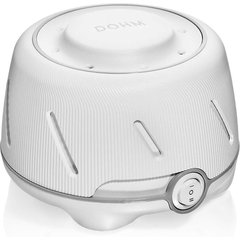
- Move your dog to a cool, quiet space. You can create a safe, cool space with soft sounds or white noise, like the Yogasleep natural sound machine or a low fan.
Recommended Product
- Offer fresh water and let them rest. Hydration, rest, and relaxation are key.
- Limit activity, especially in warm conditions. Keep things calm to prevent overheating.
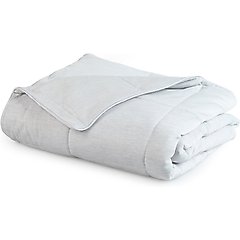
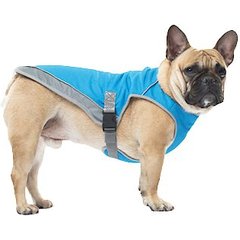
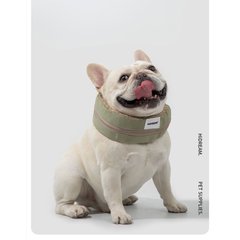
- If overheating is the cause, cool them gradually. Use shade, air conditioning, or a fan, and consider options like a cooling blanket or bed. Wearable options, like a cooling vest or neck wrap, can also help.
Recommended Products

Call your veterinarian if your dog’s panting is new, frequent, doesn’t improve with rest, or is accompanied by other symptoms, as it may indicate pain, illness, or heatstroke that requires prompt care.
FAQs About Excessive Panting in Dogs
Why is my dog panting so much at night?
A dog might pant a lot at night due to overheating, stress, discomfort, or an underlying health concern. Reach out to your veterinarian if you have any concerns regarding your dog’s panting.
Why is my dog panting while resting?
Stress, anxiety, pain, or a medical condition or disorder can cause a dog to pant while resting. If you notice persistent or heavy panting while your dog is lying down, visit your veterinarian to rule out health-related causes.
Is heavy panting a sign of pain in dogs?
Yes, heavy panting can sometimes be a sign of pain in dogs, especially if it occurs while they’re resting or in a comfortable environment. If you notice this in your dog, Dr. Schuilenberg says it’s best to consult a veterinarian, as some dogs may be experiencing hidden discomfort, such as dental disease or other chronic conditions like arthritis.
Attributions