What Is Puppy Training Regression?

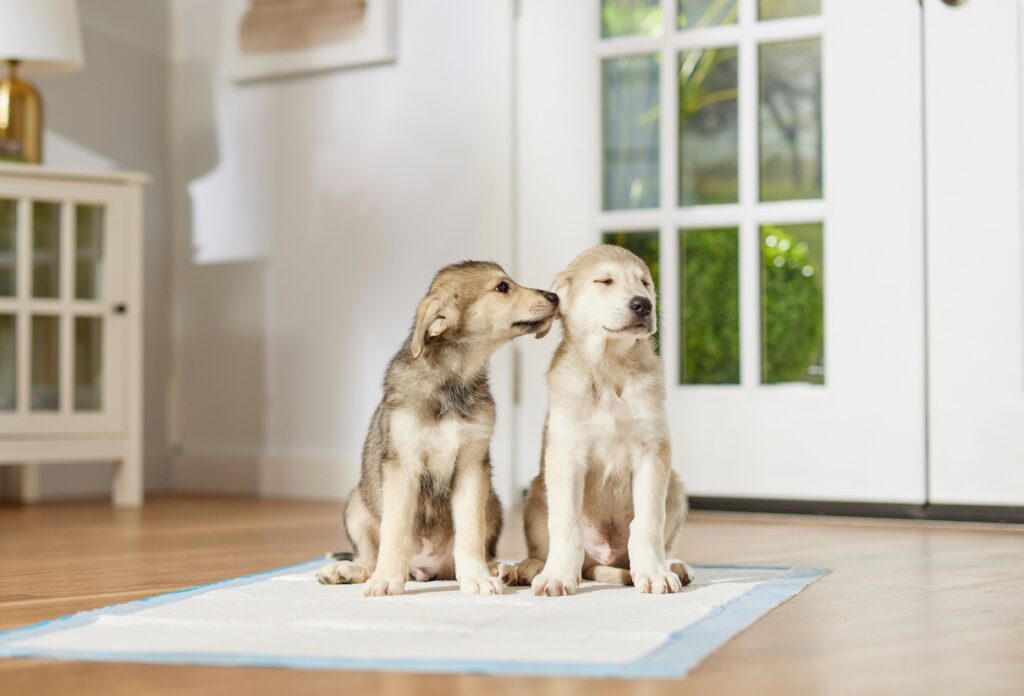
Photo by Chewy
Puppy regression is a normal part of the dog maturation process. During this puppy stage, behavior might shift, training might go through setbacks, and boundaries might be tested.
But there’s hope—because with patience, positivity, and a few training refreshers, you can navigate puppy adolescence and come out the other side with your relationship intact.
Key Takeaways
- Puppy regression is a normal developmental phase that typically happens when a dog is 6–18 months old.
- Behavioral and training setbacks, like ignoring cues and having accidents in the house, are common signs.
- Hormonal changes, inconsistent training, and a lack of exercise can all contribute to training regression.
- Patience, consistency, and addressing your puppy’s needs are the best remedies for training regression.
What Is Puppy Regression?
Puppy regression is a milestone of the maturation process where everything you thought you knew about your puppy turns upside down. It’s a fairly common rite of passage for pups, a sort of puppy teen-hood, which means most pet parents can relate to the resulting frustration.
Puppy regression can range from behavioral shifts to training setbacks, and it can vary from dog to dog. For some pups, regression might be a few weeks of testing boundaries and selective hearing. For others, it might feel like a complete personality transplant.
What Does Puppy Regression Look Like?
You might find that your pup blows off a simple cue, like refusing to sit politely before you place the dinner bowl down, or you might discover that your formerly easygoing walks have turned into sled dog races. Your pup might also face a potty training setback and start having accidents in the house again.
From a behavioral perspective, your pup might revert to doing things you thought they’d grown out of, like nipping fingers and raiding the garbage can. It can be a stressful time for both ends of the leash.
When Does Puppy Regression Happen?
As pups mature, they experience growth spurts and hormonal shifts, which means that the developmental changes that begin at around 6 months of age can trigger all sorts of regressions. A pup’s brain and body are under construction during this timeframe, which can lead to them testing boundaries in many different ways.
That said, every puppy is an individual, so there’s no textbook timeframe for puppy regression. Add to that the fact that breeds have different growth trajectories, which means small dog breeds might hit “teen-hood” sooner, and bigger dogs might regress later.
But typically, puppy regression can happen at any point during the onset of adolescence, between 6 and 18 months of age.
What Causes Puppy Regression?
This type of backsliding stems from a combination of factors, including:
- Hormonal shifts: Testosterone and estrogen levels change as puppies mature, which can lead to a lack of impulse control, increased volatility, and a drive to be more independent.
- Operator error: Puppies aren’t solely to blame for their selective hearing. Pet parents might assume that once the six-week manners course is completed, their pup’s behavior is now set in stone and fail to stay consistent with training practices.
- Growth without outlets: Puppies have limitless energy. At first, pet parents might spend every minute keeping their new puppy entertained. But as life goes on, it’s tougher to keep the focus on your new four-legged family member, which means the growing pup might have exercise needs that aren’t being addressed.
How To Work Through Puppy Regression
While it’s frustrating living with a dog who’s testing boundaries, the following tips will help make the transition period less stressful.
Keep Training
Dog training isn’t just a few months in your pup’s youth—it’s a lifetime of education. That said, it might feel like a losing battle during the regression period.
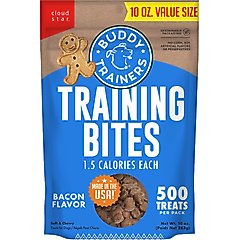
The key is keeping training sessions brief, using super high-value treats (like pieces of hot dogs, cheese, chicken, or special training treats), then incorporating those training exercises into your everyday life together.
Recommended Product
For instance, ask your puppy to sit before you open the door to go on a walk, or to lie down and stay as you prep your pup’s dinner.
Get Plenty of Exercise
If your dog seems like they’re bouncing off the walls, it’s probably because they’ve got energy to burn without an outlet. Growing pups need more than a quick walk around the block!
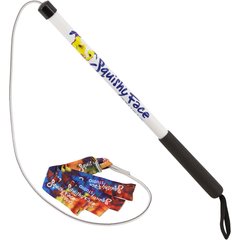
Try games that tap into your pup’s natural drives, like hide the toy, or play with a flirt pole or a DIY toy on a string.
Recommended Product
Work That Brain
Along with their physical needs, growing pups need to have their mental energy exercised too, and that means toys that get them thinking.
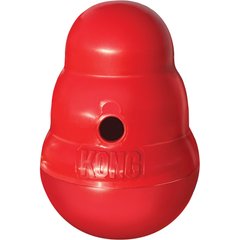
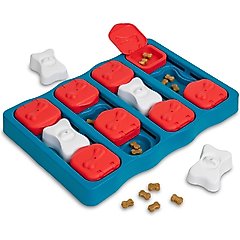
Feeding meals from treat-dispensing toys is a great way to take the edge off youthful energy levels, and introducing supervised play with puzzle toys can help busy pups slow down and focus.
Recommended Products
Stick to a Routine
All dogs love a schedule, so tap into that natural preference by making your pup’s life predictable. Establish a daily routine for meals, playtime, walks, and rest periods.
But keep in mind that a little unpredictability is a good thing as well. That means playtimes should feature a variety of games rather than the same type of fetch, and walk routes should vary from day to day.
Amp Up Potty Training
If your formerly potty-trained pup is regressing, go back to basics (and keep in mind that you might be partially to blame if you slacked off on the supervision too soon!).
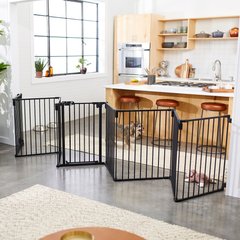
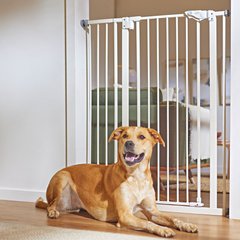
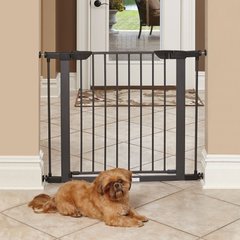
Act as if your adolescent pup is a housetraining newbie. Go back to rewarding for outside elimination and reduce their access to the whole house by using baby gates.
Recommended Products
If you suspect your pup might be experiencing an underlying health issue—for example, if your pup is straining to urinate or there are only trace amounts of urine when they potty—schedule an appointment with your veterinarian to rule out any medical problems.
Attributions