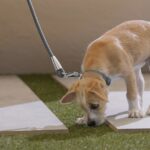
How to Stop Puppy Biting


Sure, your puppy’s biting tendencies might seem cute for now. But as your puppy grows up, those playful nips can grow, too—into more forceful and even painful bites.
It’s important for pet parents to learn how to stop puppy biting from the get-go, to help curb nipping and nibbling on you and other people in your circle, as well as chewing on objects around the house.
So, how do you stop your puppy from biting? We talked to Dr. Carley Faughn, Ph.D., CAAB, an animal behaviorist at Best Friends Animal Society in Knaub, Utah; and Bradley Phifer, CBCC-KA, owner of Bradley Phifer Dog Training in Indianapolis, Indiana, and executive director for the Certification Council for Professional Dog Trainers.
The consensus: A combination of training, redirection, and deterrents is the best approach.
Key Takeaways
- Puppies explore their world through mouthing and biting, but this behavior needs early intervention.
- Bite inhibition training helps puppies learn how to use their mouths gently.
- Redirecting biting with chew toys and using positive reinforcement are key strategies.
- If biting persists into adulthood, consult a certified dog behaviorist for guidance.
How to Stop Puppy Biting
It’s important to learn how to get a puppy to stop nipping before it escalates or becomes an ingrained behavior. Even puppy mouthing, aka your pup’s practice of licking your hand, nibbling at your fingers or lightly chewing, can evolve into painful biting if not addressed.
“A puppy or dog that does not have good bite inhibition could bite a person too hard, even when playing,” warns Dr. Faughn.
Bite Inhibition is the ability to control the forcefulness of a bite, or to cease the biting behavior altogether.
Dog bite inhibition training requires patience, consistency, and a gentle approach. With that in mind, try these tips for how to train a puppy not to bite:
Make a High-Pitched Yelp
When your puppy bites you, make a noise as if you’ve been hurt—even if it was just a playful nip. This mimics the yelps their littermates might make during rough play, helping your puppy learn what behavior is too much.
Offer a Chew Toy
Redirect your puppy’s attention to a chew toy that they can sink their sharp puppy teeth into. Place it in front of their mouth so they’ll bite the appropriate chew toy instead of your hands, arm, or clothes.
Recommended Product

Some puppies bite because they’re teething. Teething toys for puppies can help them find some relief while their adult teeth come in—and they can help with mental stimulation, too.
Recommended Products
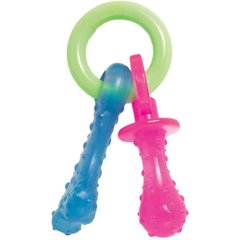
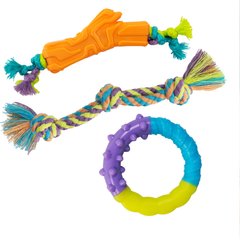
End Playtime and Ignore Them
If your puppy insists on biting even after redirecting, try a timeout.
Sometimes, stepping away is the best option. You may need to place your puppy in a dog pen or simply leave the room for a minute or two.
Recommended Products
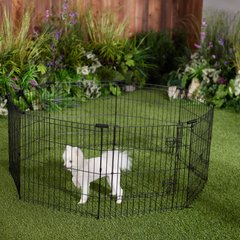
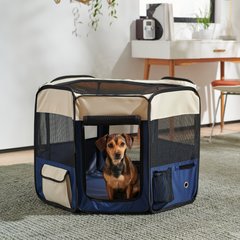
This signals to your puppy that the behavior isn’t welcomed, and also allows them to focus more on their chew toys versus your tender skin.
Safety note: Never leave your puppy alone in a place that’s not puppy-proofed. Always ensure items like electrical wires, blind cords, and other hazards are out of their reach.
Reward Good Behavior
When your puppy begins playing with the toy and/or stops biting, give them a puppy treat to reward their good behavior.
Recommended Products

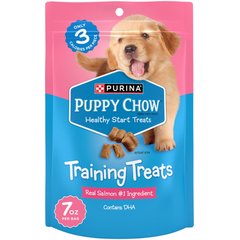
This is a form of positive reinforcement, and it’s very effective.
Your puppy will begin associating yummy treats with playing with toys, which will make nipping you look far less appealing by comparison. (Especially if you also teach them to associate nipping with playtime interruptions—more on that in the next step.)
Put Them in a Quiet Area for a Nap
Just like toddlers, puppies can become cranky and overstimulated when they’re tired. If your pup is biting more than usual and doesn’t respond to redirection or training, they may simply need a break.
Take them to a quiet, safe space in your home where they can relax without distractions. This could be a cozy dog crate, a soft dog bed in a low-traffic room, or even a quiet corner with their favorite toy.
Recommended Products
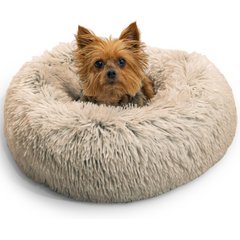
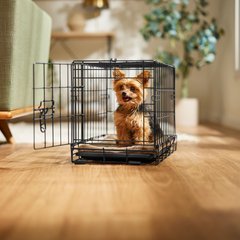
Reducing stimulation can help reset their behavior and prevent overtired biting episodes.
Give Them Some Exercise
A tired puppy is a well-behaved puppy. Physical and mental stimulation helps burn off excess energy that might otherwise be funneled into unwanted behaviors like biting.
Try engaging your pup in a short game of fetch, a walk around the block, or interactive play with a tug toy.
Recommended Products
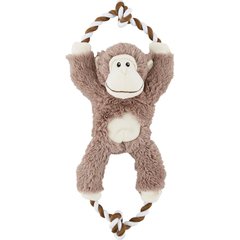
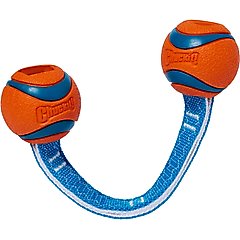
Puzzle feeders also help by working their minds as well as their bodies.
Recommended Product
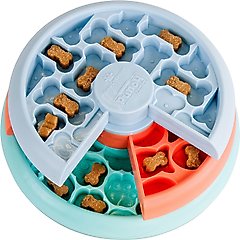
Keep in mind that young puppies have developing joints and should not overexert themselves, so activities should be age-appropriate.
Use Bitter Spray on Objects
If your puppy’s biting has extended to objects around the house, bitter spray may help.
Recommended Product
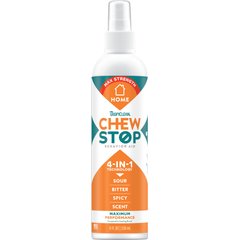
These sprays have a flavor some puppies find unpleasant, and they can be applied to clothing, shoes, furniture, and more, deterring puppy biting and mouthing of these items.
Just remember that bitter sprays are deterrents, not punishments. You should never spray your puppy with a bitter spray or squirt it in their mouth. It will not stop them from biting, and could cause them to become fearful of you.
Why Do Puppies Bite So Much?
They’re Curious
All living things have different ways of exploring the world. Humans observe with our eyes, feel with our hands and, yes, even explore with our tastebuds.
Have you ever seen a baby who can’t resist putting things in their mouth? Puppies do the same, checking out the environment around them by mouthing, chewing, and biting.
So how do they learn when a bite is too hard? Often, it’s through interacting with their mother and littermates. For example, if a puppy is bitten too hard by their playmate, the “victim” will whimper or yelp, push them away or run away. Mama dogs are key in teaching bite inhibition, too—growling or snapping when play bites get too hard.
When we bring puppies home to live with us, it’s our responsibility to continue curbing this form of rough play.
They’re Angry or Scared
Usually when puppies bite, it’s done during a play session. However, in less common scenarios, they bite to communicate that they’re uncomfortable or feeling stress.
Since puppies are still developing and learning how to live in a human world, some scenarios may be very overwhelming for them. In these cases, the bite is often paired with a growl or baring the teeth. The bite may also be more forceful than a typical play bite.
In these scenarios, it’s important to take a time out and give your puppy some space. That may also mean removing other animals or young children from the room or making their favorite blanket or toy available.
Pro Tip: Do not scold your puppy if they growl. This is an important way for dogs to let us know they are uncomfortable.
Other Reasons Puppies May Bite
- Accidentally nipping your hand when taking a treat. To prevent this, hold your hand flat when offering treats, or place the treat in a dish or on the ground
- Feeling frustrated with a situation
- Experiencing boredom and wanting your attention or more mental stimulation
- Wanting to taste your salty skin (usually they’ll just lick you, but it may develop into puppy nibbling)
- They’re teething and don’t have access to appropriate chew toys
When Do Puppies Stop Biting?
Puppy mouthing and biting usually begins to naturally subside when they’re around eight to 10 months old. However, factors like socialization, training and personality can affect your puppy’s propensity to bite.
If biting continues despite ongoing puppy training, reach out to a licensed behaviorist. Organizations like the American College of Veterinary Behaviorists and the International Association of Animal Behavior Consultants host listings that allow pet parents to search for reputable behaviorists in their area.
Puppy classes led by certified dog trainers typically teach a handful of basic training tips and commands, including bite inhibition. You may also want to consider online training options.
FAQs About How To Stop Puppy Biting
How do I stop my puppy from biting my hands?
If your puppy bites your hands, redirect them to a chew toy immediately so they learn what’s appropriate to bite. Be consistent and reward them with praise or treats when they choose the toy instead of your skin. Over time, they’ll understand that hands are off-limits.
Why does my dog bite my feet?
Many puppies bite at feet because moving shoes and pant legs look like fun prey to chase. You can discourage this behavior by stopping in place until they calm down, then redirecting with a toy. Providing regular exercise may also reduce this type of playful biting.
At what age do puppies stop biting?
Most puppies begin to outgrow biting and mouthing around 8 to 10 months old. However, the timeline can vary based on training, socialization, and individual personality. Consistent redirection and positive reinforcement will help the process move more quickly.
Why does my dog chew on my hand?
Chewing on hands is often your puppy’s way of exploring or teething. While it’s usually harmless at first, it’s important to redirect the behavior to toys before it becomes a habit. Offering puppy-safe chews or teething toys can satisfy their need to chew while keeping your hands safe.
Attributions