11 Tips for the First Night With a Puppy



Photo by bojanstory/E+
Bringing home a cute little pup is one of the most exciting experiences in the world—but settling into your first night with your puppy can also be a little nerve-racking. To set everyone up for success, it’s important to plan ahead.
With veterinarian and dog trainer insights, we’re covering everything you need to know to help your puppy’s first night home go smoothly.
Key Takeaways
- Prepare your home with all the essentials before your puppy arrives, including a safe sleep space and puppy-specific supplies.
- Don't let your puppy “cry it out.” Responding with comfort and reassurance supports their emotional development.
- Stick to a consistent routine for feeding, potty breaks, and playtime to help your puppy adjust.
- Whether you choose a crate or another sleeping setup, prioritize safety and gradual introductions to sleep spaces and social experiences.
Tips for the First Night With a Puppy
1. Have Supplies Ready Before You Bring Your Puppy Home
Before you bring your bestie home, you’ll need to gather all the new puppy essentials ahead of time. This includes:
2. Give Your Puppy A Lot of Attention
This one seems easy enough—those tail wriggles and that pudgy belly are irresistible!—but you may find yourself putting in more effort than you imagined. We’re talking a little less sleep than usual and consistently being at the ready.
“Your puppy will need a lot of your time and attention the first night and for many nights after that, especially if this is their first night away from mom or siblings,” says Amanda Farah, CPDT-KA, a certified dog trainer and the coordinator of national training and behavior for Best Friends Animal Society. “Mom and their siblings used to provide safety and comfort, and now that’s your job.”
This is a big, important job too. If you can’t make-do with less sleep for a few weeks, adopting an older dog is a better idea, Farah notes.
3. Set Up a Safe Place To Sleep
You’ll need to provide your new puppy with a cozy and safe place to sleep. This includes finding a good location and outfitting it with new dog essentials: a crate, bedding, and water. If there’s room, you can also add a dog pee pad.
Recommended Products
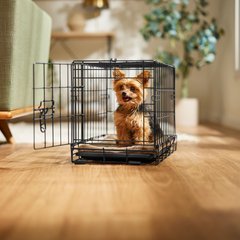



Andrea Y. Tu, DVM, a general practice veterinarian and chief of veterinary behavior medicine at Heart of Chelsea Veterinary Group in New York City, suggests a large penned-in area or a puppy-proofed bathroom.
Because puppies need frequent comfort and sometimes potty breaks throughout the night, keeping the safe space within earshot is a good idea, Farah adds. You can gradually move the pen or crate farther away as the puppy feels more secure and requires fewer nighttime visits.
“Even if you don’t intend to use a crate as your puppy grows up, it’s a good idea to get them accustomed to the feeling of confinement in case of travel, grooming, or vet visits that require crating,” Farah says.
Wondering whether your puppy should sleep in a crate or not? Crates can provide a comforting den-like experience that helps with potty training and prevents overnight messes. However, if your puppy is extremely distressed and crying in the crate the first night, consider other enclosed sleep options while gradually introducing the crate.
4. Provide Puppy-Safe Toys
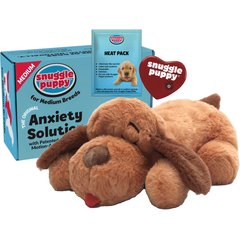
Your pup may sleep through the first night, or they may end up getting bored. Whatever the case, come prepared with fun, puppy-safe toys—but nothing with loose strings or parts they can chew off and swallow accidentally.
“Puppy-safe chew toys, such as puppy Kongs, are a good option,” Dr. Tu says. “You can fill the center with canned puppy food and freeze it to create a long-lasting food-dispensing toy that will also soothe any gum soreness that results from teething.”
Recommended Products

5. Don’t Let Your Puppy “Cry It Out”
There’s a solid chance your puppy will cry, whimper, or bark in those early days together. This is especially true come nighttime when the house goes dark and everyone’s asleep.
If your puppy is crying the first night, don’t let them “cry it out.” Instead, go check on them to make sure they don’t need to pee or poop, and to show them you’re here to provide comfort.
“Puppies cry for a reason,” Dr. Tu says. “Letting them cry it out can be physically and emotionally traumatizing. You should check on the puppy regularly and ensure their needs are met.”
6. Take Your Puppy Out To Pee/Poop Frequently
Your teeny puppy has a teeny bladder, which means they need to go potty more often.
Take your puppy out to pee and poop right before bed and every time they wake up. Farah says you may also need to take them out several times in the night while you work on potty training.
“A general rule is: Their age in months plus one equals the number of hours they can hold it,” Dr. Tu says. For example, a 2-month-old may need a break every three hours.
Pro Tip: If your puppy has an accident, do not punish them. Reinforce positive behavior by rewarding successful potty trips with praise or treats.
7. Stick to a Consistent Feeding Schedule
Similarly, set your puppy up for success by sticking to a consistent feeding schedule. To help minimize nighttime bathroom trips, plan their last meal at least a couple of hours before bedtime.
“Puppies need specific foods that help encourage and support rapid growth,” Dr. Tu says. Most puppies should be fed food that’s labeled for puppies or for all life stages.
Large breed puppies have different growth and development needs, so they typically need a diet that’s formulated specifically for them. Talk to your veterinarian about the best diet for your dog.
“Puppies also have small stomachs,” Dr. Tu continues, “which means they are unable to eat enough food in a single meal to last them for long periods. They should be fed at least three to four times a day, spaced out equally during the day.”
8. Play With Your Puppy an Hour Before Bedtime
Engaging your puppy in light play an hour before bedtime can help them release pent-up energy and prepare for rest. This also reinforces bonding and creates positive associations with their sleep routine.
9. Use Positive Reinforcement
Reward your puppy for desirable behaviors such as settling down, using the potty outside, and going into their crate. Positive reinforcement builds trust and sets the tone for future training.
10. Introduce Your Puppy To Other Pets and People
If you have other pets, start introductions slowly and in a neutral space. This will help reduce your puppy’s anxiety about their new furry siblings, and can further their socialization as well.
11. Be Patient
Remember, your puppy’s first nights at home are a time of major adjustment. There may be crying, accidents, or sleep disruptions—but with patience, love, and consistency, it will get easier.
Frequently Asked Questions About the First Night With a Puppy
Should I let my puppy cry it out the first night?
No, puppies should never “cry it out.” The goal is to raise a secure, confident dog who knows they can look to you for safety and comfort, and that means your puppy must know you’ll be there to meet their needs.
What are the signs my puppy needs to pee the first night?
Restlessness, whining, sniffing, circling, or scratching at their crate or the floor can be signs they need a potty break.
Where should my puppy sleep the first night?
They should sleep in a crate or enclosed space near you. Choose an area where you can hear them and respond quickly.
Can my puppy sleep in my bed on the first night?
Co-sleeping with dogs is a personal preference, but wait to do this until they’re at least a year old. Puppies should be set up with their sleep area until they can hold their tiny bladders a bit longer. It wouldn’t be very fun to wake up and realize your cute, fluffy friend has peed the bed!
Your puppy’s first night at home sets the stage for a lifetime of companionship. With the right setup, lots of love, and a dose of patience, you can help your puppy feel secure and confident as they settle into their new home.
Attributions